
What the University of Karachi Is
Located on University Road in Gulshan-e-Iqbal, Karachi, Pakistan, the University of Karachi covers 1,279 acres and is known for its academic, architectural, and natural heritage. The campus is home to the Dr. Mahmud Hussain Library, botanical gardens, and research centres including the International Centre for Chemical and Biological Sciences (ICCBS).
The university has over 41,000 students and more than 1,000 faculty, and has shaped Pakistan’s academic and research landscape for decades (University of Karachi).
History and Significance
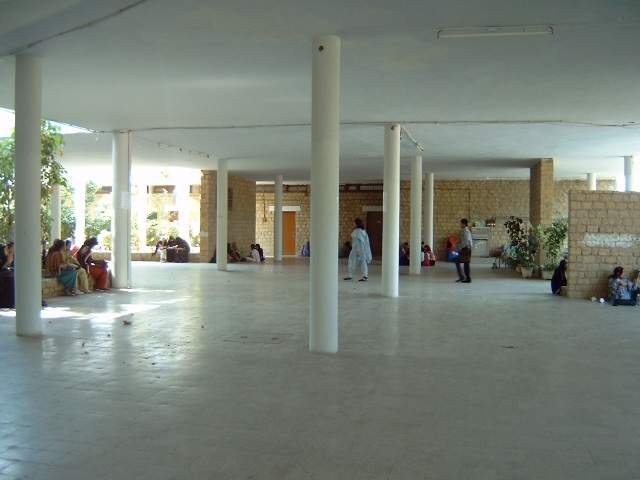
Established in 1951, the university has contributed to Pakistan’s academic landscape since its founding. Its campus brings together modernity and tradition, with landmarks reflecting Karachi’s cultural identity.
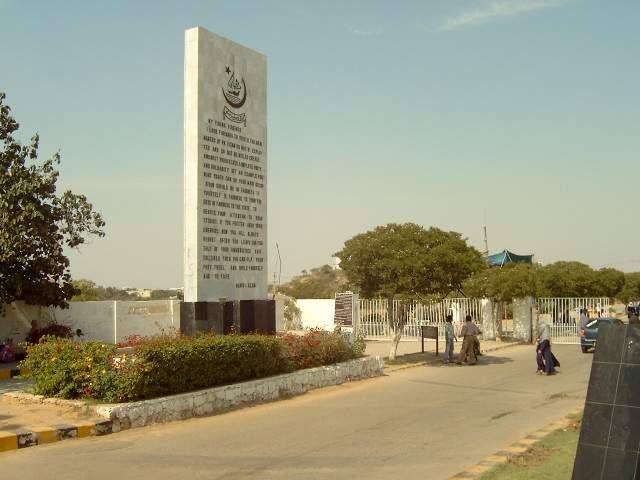
The University of Karachi monument commemorates the university’s founding and its continuing impact on higher education. Attributed to architect Michael Ecochard, its modernist design incorporates regional motifs and local influences. The monument is a symbol of Pakistan’s educational aspirations and commitment to higher learning.
What to See
Monument, architecture, and gardens
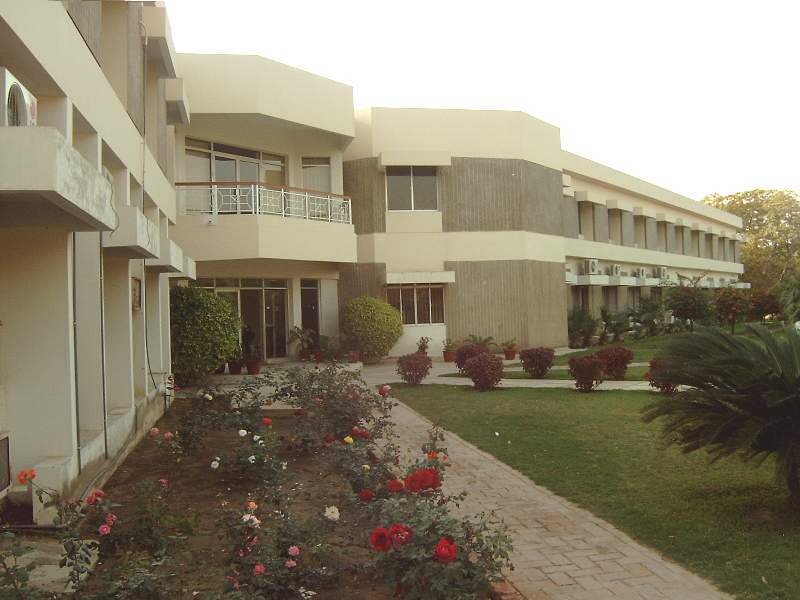
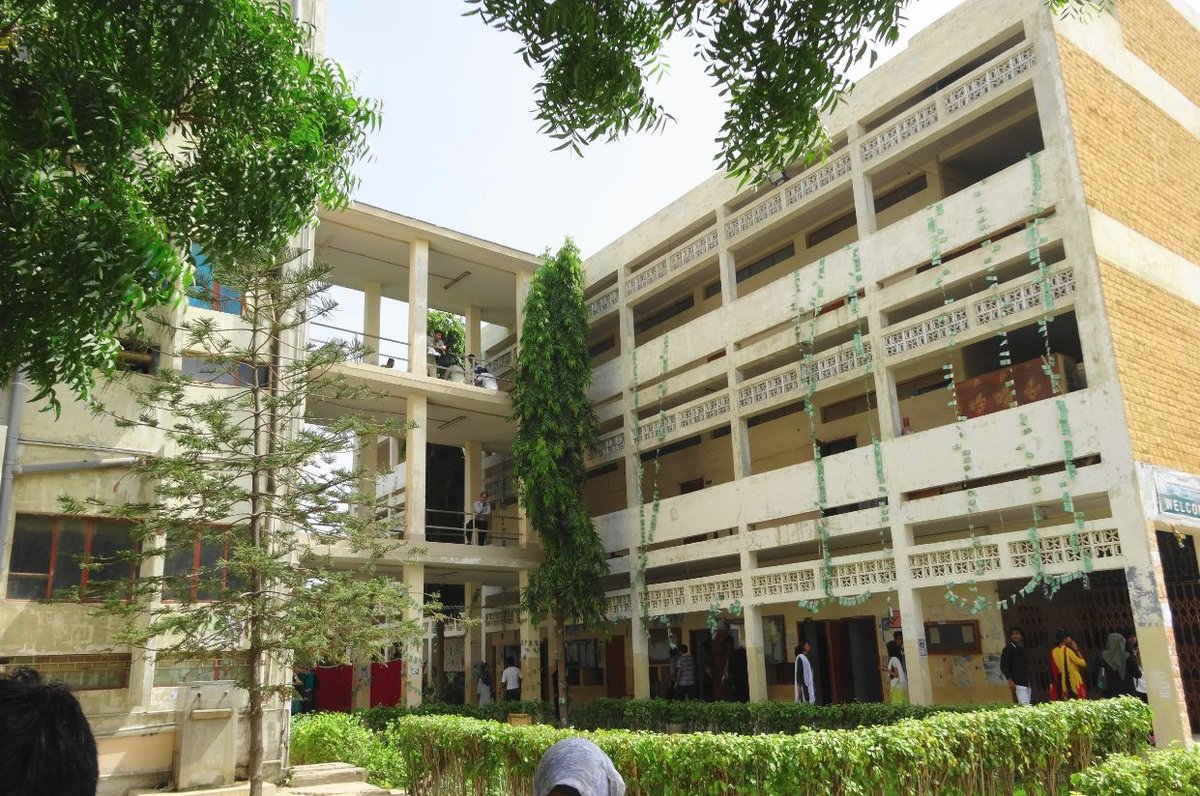
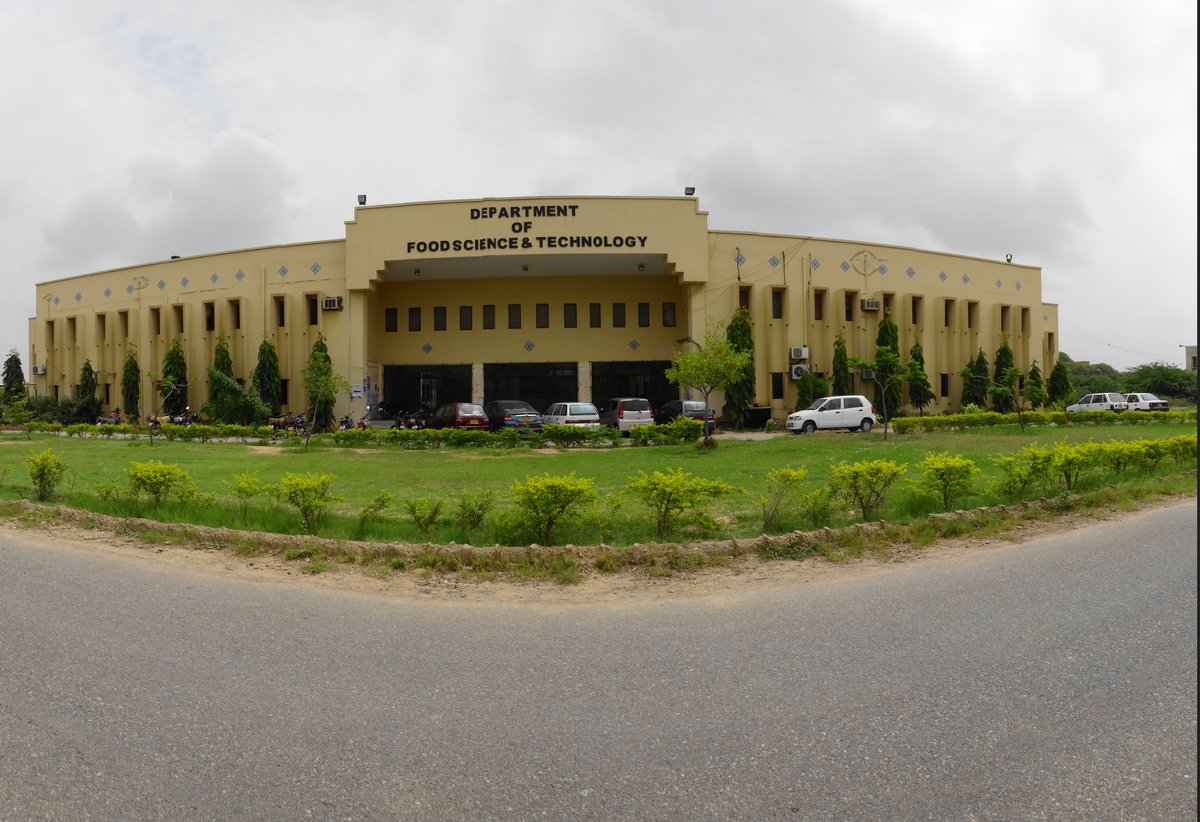
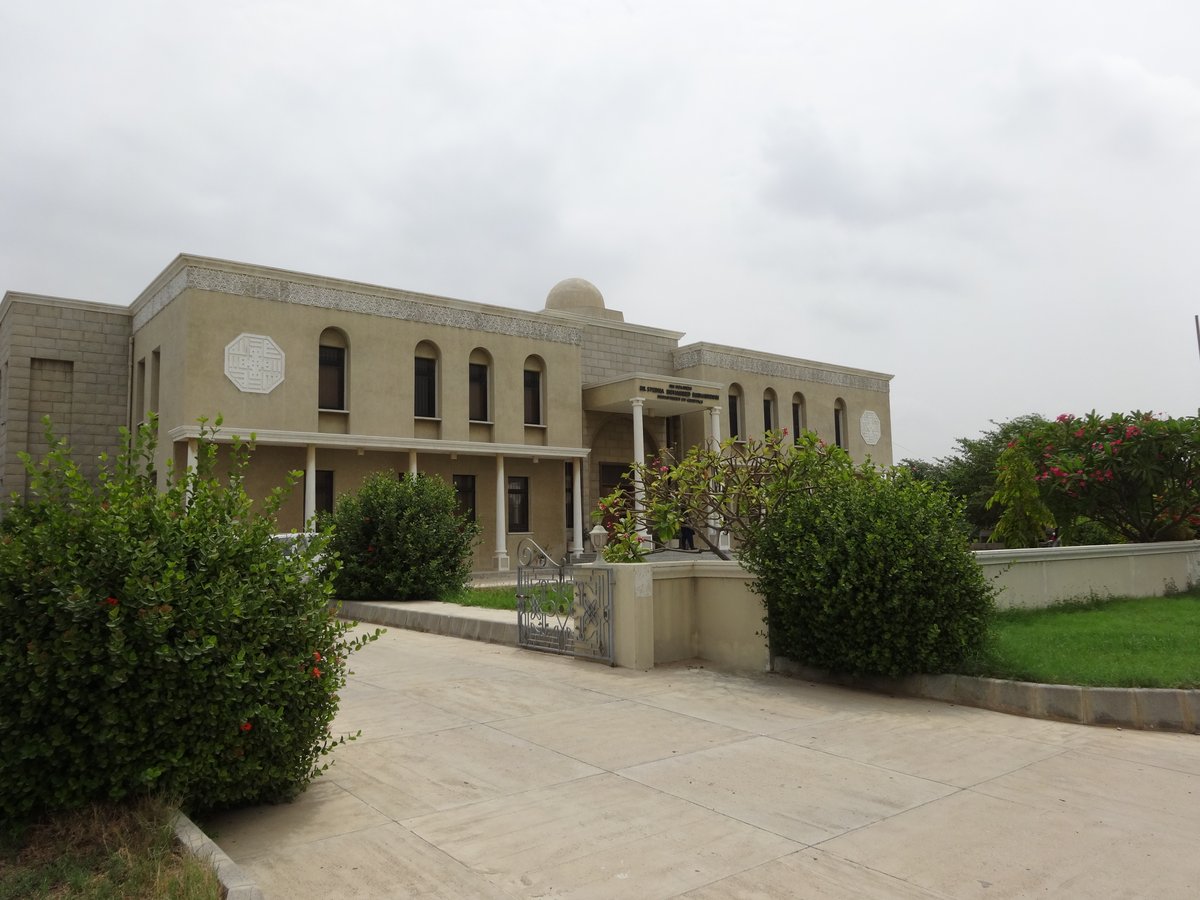
The monument stands prominently on the main campus. Academic blocks feature modernist designs and updated facilities.
The Dr. Mahmud Hussain Library holds more than 400,000 volumes and rare manuscripts (Library details). The botanical garden has over 2,000 plant species, walking paths, and shaded seating (Botanical Garden).
The university’s architecture and campus life are featured in its official gallery.
Museums and research centres
- Zoology Department’s Natural History Museum Taxidermy, fossils, and wildlife exhibits (Museum info).
- Institute of Space and Planetary Astrophysics (ISPA) Occasional public lectures and stargazing (ISPA).
- International Centre for Chemical and Biological Sciences (ICCBS) A UNESCO Center for Excellence (ICCBS).
- Confucius Institute Chinese language and cultural programs (Confucius Institute).
Cultural and social spaces
- Arts Auditorium Hosts conferences, performances, and festivals (Arts Auditorium).
- Cafeterias and food courts Offer local and international cuisine and are described as affordable and lively.
- Jamia Masjid Open for prayer and reflection (Jamia Masjid).
Practical Visiting Information
Hours, tickets, and tours
- General campus hours 8:00 AM to 6:00 PM, Monday through Saturday.
- Monument hours Daily, 9:00 AM to 5:00 PM.
- Library and department hours Usually 9:00 AM to 5:00 PM.
- Entry fee General campus and monument entry are free. Some museums or events may require tickets.
- Entry requirements A valid ID is required at the main entrance, along with security checks.
- Guided tours Available by appointment or request through the visitor center, university website, or relevant departments. Tours are primarily for prospective students, academic groups, and researchers. Academic and research visits require advance appointments.
Location and transport
The campus is approximately 12 km from Karachi city centre and is accessible via University Road. It is reachable by public buses, taxis, private vehicles, and ride-hailing apps including Careem, Uber, and inDrive.
Parking is described as both ample and limited on campus.
Accessibility and facilities
Wheelchair-accessible routes, ramps, and designated pathways are available. Ramps and elevators exist in newer buildings; contact the university ahead of a visit for special arrangements. Restrooms and seating areas are distributed around the campus, and restroom accessibility improvements are ongoing.
Campus facilities include:
- Cafeterias Multiple options for snacks and meals.
- Wi-Fi Available in certain areas; guest access may require registration.
- Bookshop Academic materials and university souvenirs (Bookshop).
- Medical Center Basic healthcare and emergency referral (Health Center).
Events and environmental initiatives
The university hosts national and international academic conferences, many open to visitors. The Spring Festival features music, dance, and local cuisine. Cultural days include language and heritage celebrations at institutes such as the Confucius Institute.
Tree-planting campaigns, waste management, and solar projects are among the university’s environmental initiatives.
Tips and Visitor Guidance
- Weekdays are suggested for a quieter visit.
- September to June, the academic year, is described as the most vibrant period.
- October to March is noted for more pleasant weather.
- Spring, from February to April, features campus festivals and blooming gardens.
- Wear comfortable shoes for exploring the campus.
- Modest attire is expected. Women should cover their arms and legs; headscarves are recommended for mosque visits.
- Outdoor photography is generally permitted. Seek permission for indoor photography, and ask permission before photographing individuals. Commercial or professional shoots require prior approval.
- Security is robust; checks may be expected during exams or large events.
- The campus is described as safe during daylight hours. Exercise standard precautions, avoid political gatherings and isolated areas after dark, and female visitors are advised to avoid travelling alone after hours.
- Emergency numbers: Police (15), Ambulance (1122).
For updates on visiting hours, events, and tours, consult the University of Karachi official website and the Karachi Tourism Official Site. The Audiala app is described as offering interactive maps, event notifications, and exclusive content. Updates are also available through the university’s social media channels.
Nearby Places
Nearby historical, cultural, and other attractions include:
- Karachi Zoo
- Quaid-e-Azam Mausoleum
- Mohatta Palace
- Frere Hall
- Pakistan Maritime Museum
- Karachi Maritime Museum
- Clifton Beach
- Bookshops, cafes, and shopping centres along University Road
Frequently Asked Questions (FAQ)
Q: What are the visiting hours?
A: General campus hours are 8:00 AM to 6:00 PM, Monday through Saturday. The monument is open daily from 9:00 AM to 5:00 PM. Check official sources for updates.
Q: Is there an entry fee?
A: There is no general entry fee for the campus or monument; some museums or events may require tickets.
Q: Are guided tours available?
A: Yes. Tours can be arranged in advance through the visitor center, university website, or relevant departments.
Q: Is the campus accessible for differently-abled visitors?
A: Accessibility is improving, and wheelchair-accessible routes and facilities are available. Contact the university in advance for assistance.
Q: Can I take photos on campus?
A: Outdoor photography is generally allowed. Seek permission for indoor spaces, commercial or professional shoots, and before photographing individuals.