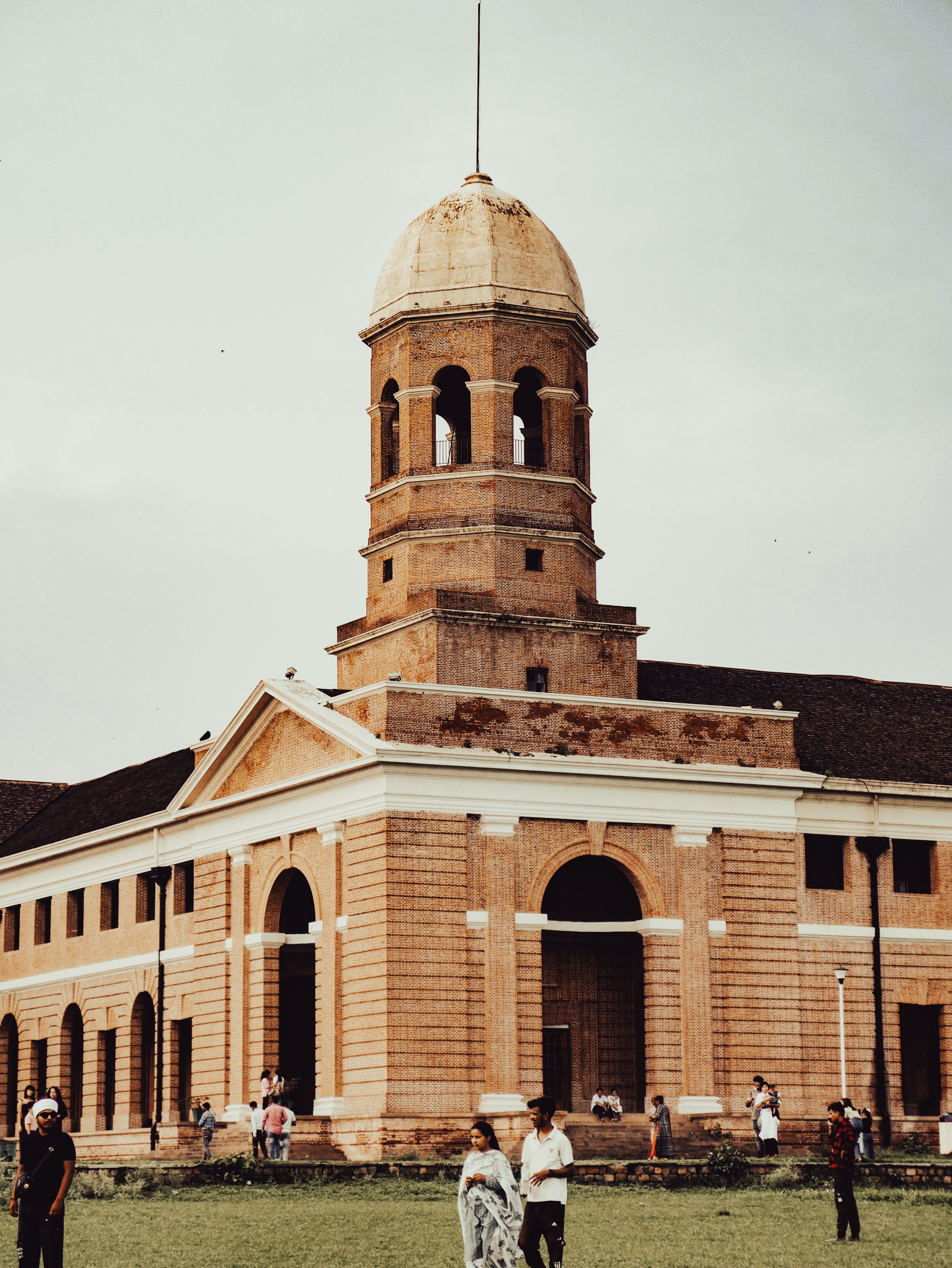
What Binoria is
Binoria Town is a neighbourhood in Karachi, Pakistan, known for its Islamic scholarship and spiritual learning. It is not a conventional tourist destination of ancient ruins or scenic landscapes; its character is shaped by its seminary, local markets, and the daily life of students and scholars. It offers a glimpse of Pakistani culture and of a neighbourhood balancing tradition with urban development.
The area is associated with the renowned Jamia Binoria al-Aalimiyyah, also written as Jamia Binoria al-Aalimiya and referred to as “Binoria University.” The seminary attracts students from Pakistan and around the world. Binoria is also described as having particular religious significance for Sunni Muslims.
History and development
The exact origins of Binoria Town are difficult to establish because historical documentation is limited. It likely began as a rural settlement on the outskirts of Karachi. Before urban growth reached the area, the land may have been primarily agricultural, with villages and access to water associated with the Indus River.
A pivotal event in Binoria’s history was the establishment of Jamia Binoria al-Aalimiyyah in 1979 by Mufti Mohammad Naeem (Jamia Binoria website). The seminary helped establish Binoria’s identity as a centre of Islamic learning.
Another account identifies Al-Jamiatul Ashrafia, established in 1947, shortly after Pakistan’s independence, as a major Islamic seminary and the primary draw for visitors. It is described as one of the largest Islamic seminaries globally, attracting thousands of students from Pakistan and elsewhere. The descriptions use both institution names; the details associated with each are included below.
Over recent decades, Binoria has changed from a predominantly rural area into a busy suburb of Karachi. The city’s population growth increased demand for housing and amenities, while roads, bridges, and other infrastructure improved connections to central Karachi. Employment opportunities in industries and businesses around the city also drew people to nearby areas.
Today, residential colonies sit alongside growing commercial activity, including markets, shops, and restaurants. The area retains some green spaces and traditional ways of life alongside modern amenities.
What to see and do
The seminary, mosque, library, and campus
Descriptions of Jamia Binoria al-Aalimiyyah present its grand mosque as a place for prayer and reflection, with a serene atmosphere. Visitors are welcome to experience the mosque, provided they follow its customs. Its campus offers a view of the daily lives of students and faculty and the discipline associated with Islamic scholarship.
Al-Jamiatul Ashrafia is also described as having a grand mosque, a library, and extensive campus grounds. Its library contains Islamic literature, including ancient manuscripts, books, and research papers; access may be restricted. The institution is also described as engaging in social work and community outreach, as well as educating future generations of scholars.
Local markets and food
Binoria’s bustling markets offer traditional clothing, handicrafts, fresh produce, and local delicacies. Food stalls and small restaurants serve Pakistani cuisine, including biryani, nihari, and a variety of curries. The surrounding area has food options, though it may not have many restaurants aimed specifically at tourists.
Visitors can also observe local routines and interact with residents and students. Urdu is the primary language spoken in Binoria; many residents associated with the seminary are also fluent in Arabic and English.
Events and photography
Binoria hosts religious festivals and academic conferences throughout the year. Its green spaces and historical architecture offer photographic settings.
Practical visiting information
Hours and tickets
Published visiting-hour information differs:
- One schedule lists Jamia Binoria as open 9 AM to 5 PM, Monday to Saturday, and closed on Sundays and public holidays.
- Another says Binoria Town and Jamia Binoria al-Aalimiya are open every day from 9 AM to 5 PM.
- Al-Jamiatul Ashrafia is described as generally open to visitors 9 AM to 5 PM. Visitors are advised to check in advance for changes during religious holidays.
Entry to Jamia Binoria and Al-Jamiatul Ashrafia is free or generally free. Donations are welcomed or appreciated to support the institutions’ educational, social, and maintenance work.
Guided tours are available upon request; booking in advance through the Jamia Binoria website is recommended.
Getting there and around
Binoria is connected to other parts of Karachi by public transport. Buses and rickshaws are available as economical options, though buses may be crowded. Taxis and ride-hailing services are also available, including Careem and Uber.
Accommodation
Binoria itself does not offer a wide range of accommodation. Hotels and guesthouses in nearby areas of Karachi cater to different budgets and preferences.
Accessibility and safety
Descriptions differ on accessibility: one says Binoria and its main attractions are wheelchair accessible and that most public transport options cater to people with mobility needs; another cautions that accessibility may be limited in some parts of Binoria. Visitors can contact the seminary in advance to ask about specific arrangements.
As in any major city, visitors are advised to be mindful of their belongings, avoid going out alone late at night, and stick to well-lit, populated areas.
Tips for respectful visitors
- Dress modestly Modest attire is expected. Men and women should cover their arms and legs; women should also cover their heads with a scarf.
- Follow mosque customs Remove shoes before entering and maintain respectful silence in the mosque.
- Ask before taking photographs Check for photography restrictions on seminary premises and ask permission before photographing people, especially students.
- Be considerate Avoid loud conversations or disruptive behaviour, particularly in the mosque and library. Approach residents and students with respect and genuine curiosity.
- Food and drink Alcohol is strictly prohibited.
Nearby places
- Mazar-e-Quaid The mausoleum of Pakistan’s founder, Muhammad Ali Jinnah, is a short drive away.
- Frere Hall A historical building surrounded by gardens.
- Karachi Zoo A nearby attraction for families and people interested in wildlife.
- Empress Market A historical marketplace reflecting Karachi’s colonial past and busy present.
- Mohatta Palace One of the other historical sites mentioned for visitors to Karachi.
The surrounding markets are also a place to sample street food and observe residents’ daily routines.
FAQ
What are the visiting hours for Binoria and its seminaries?
The published schedules differ: one gives 9 AM to 5 PM daily, while another gives 9 AM to 5 PM Monday to Saturday and lists Sundays and public holidays as closed. Al-Jamiatul Ashrafia is generally listed as open 9 AM to 5 PM. Check in advance for holiday changes.
Is there an entry fee?
Entry is free or generally free; donations are welcomed or appreciated.
What can I see in Binoria?
The main features described are the seminaries, their mosques and campus grounds, and, where access is permitted, the library. Visitors can also explore local markets and food stalls.
How can I get to Binoria from central Karachi?
Public transport, buses, rickshaws, taxis, and ride-hailing services such as Careem and Uber are available.
What should I wear, and can I take photographs?
Dress modestly, covering arms and legs; women should cover their heads with a scarf. Ask about photography restrictions and get permission before photographing people.