Early Foundations and Colonial Legacy
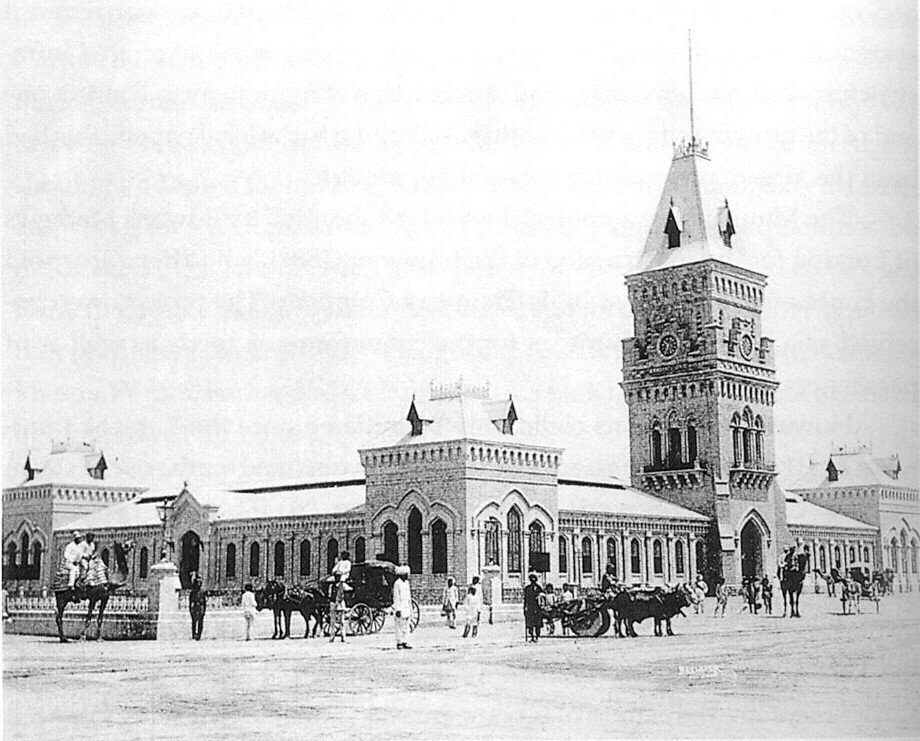
JPMC began as the Medical Corps Hospital in 1930, serving British military personnel in Karachi. By 1939, it had transitioned to an 80-bed RAF hospital and was renamed the British General Hospital in 1942, underscoring Karachi's importance during the colonial era (Good Old Karachi).
Transition to Public Service
After Pakistan’s independence in 1947, the hospital was renamed Jinnah Central Hospital (JCH) to honor Muhammad Ali Jinnah. This marked a pivotal shift toward serving the broader public, aligning with Jinnah’s vision for inclusive healthcare.
Expansion and Academic Integration
The decades following independence saw rapid growth. Partnerships with institutions like Dow Medical College and Indiana University in the 1950s and 1960s deepened JCH’s role in medical education and research.
Formation and Modernization
In 1962, the merger of JCH with the Basic Medical Sciences Institute formed the Jinnah Postgraduate Medical Centre. The hospital expanded its capacity and developed multiple specialized departments. Through collaborations with organizations such as the Patients’ Aid Foundation and the adoption of advanced technologies, JPMC has established itself as a leader in both patient care and medical innovation (Public Health 360).
Facilities and Specialized Institutes
JPMC hosts several national institutes and specialized departments, including:
- National Institute of Cardiovascular Diseases (NICVD) Leading center for cardiac care and surgeries.
- National Institute of Child Health (NICH) Focused on pediatric and neonatal services.
- National Institute of Neurological Diseases and Stroke (NINDS) Specializing in neurology and neurosurgery.
Additional departments cover medicine, surgery, cardiology, neurology, radiology, pathology, anesthesiology, dermatology, and more. The hospital features modern operating theaters, diagnostic labs, imaging services, and a fully equipped emergency department that operates 24/7.
Visiting Information
Visiting Hours
- General Visiting 8:00 AM to 8:00 PM daily.
- Outpatient Services 9:00 AM to 5:00 PM.
- Emergency Department Open 24/7 for critical and urgent care.
Note: Visiting hours may vary by department and during holidays or special events. Please confirm via the official JPMC website before your visit.
Entry and Tickets
JPMC is a public sector hospital and does not charge any admission or entry fees. All patient and visitor access is free of cost, consistent with its mission to provide accessible healthcare.
Accessibility
- Wheelchair Access Ramps and elevators are available in major buildings.
- Transport Easily accessible by public buses, rickshaws, and ride-hailing services (Careem, Uber, InDrive). The hospital is centrally located, near Karachi Cantonment Railway Station and Jinnah International Airport.
- Parking On-site parking is available but can be limited during peak hours.
- Visitor Amenities Waiting areas, cafeterias, pharmacies, and prayer rooms are provided for comfort and convenience.
Appointment Booking
- By Phone 0311-1222398
- Online Marham JPMC Page
- Walk-In Accepted, especially for emergency services and urgent care.
Medical Education and Training
JPMC is closely affiliated with Jinnah Sindh Medical University (JSMU), offering postgraduate programs, house jobs, nursing, and paramedical courses. Admissions are competitive and merit-based. The hospital’s commitment to medical education is further reflected in its regular convocation ceremonies and ongoing faculty development (Dawn News).
Pioneering Medical Advancements
JPMC is renowned for its early adoption of advanced cancer treatment technologies such as CyberKnife and TomoTherapy. These state-of-the-art tools enable non-invasive, precision radiotherapy, offering hope to cancer patients who might otherwise need to seek costly treatment abroad (Public Health 360). Continuous investment in new departments and academic programs, such as vascular surgery and Doctor of Physical Therapy (DPT), underscore JPMC’s role as a leader in healthcare innovation.
Visitor Tips and Nearby Attractions
Guided Tours and Educational Visits
- Guided Tours Available primarily for medical students, researchers, and academic groups by prior arrangement through the Education and Training Section.
- Health Awareness Events Public exhibitions and community outreach campaigns are occasionally hosted.
Photographic Spots
- Architecture The hospital’s main entrance and modern outpatient complex are notable for their architectural design. Photography is permitted in public areas with prior approval but is restricted in patient care zones.
Nearby Historical and Cultural Sites
- Frere Hall Colonial-era building and park.
- Merewether Clock Tower An iconic city monument.
- Mohatta Palace Heritage museum with art and history exhibitions.
- Karachi Cantonment Railway Station Historic railway hub.
Safety and Etiquette
- Maintain low noise levels and respect patient privacy.
- Follow all hospital guidelines and posted signage.
- Plan visits during weekday mornings or early afternoons for a less crowded experience.
Frequently Asked Questions (FAQs)
Q: What are JPMC’s visiting hours?
A: General visiting hours are 8:00 AM to 8:00 PM daily. Emergency services operate 24/7.
Q: Is there an entry fee?
A: No, entry to JPMC is free for all visitors and patients.
Q: How can appointments be booked?
A: Book via phone (0311-1222398), online platforms (Marham), or in person.
Q: Are facilities accessible for disabled visitors?
A: Yes, ramps, elevators, and accessible restrooms are available.
Q: Can visitors take photographs?
A: Only in public, non-patient areas and with permission.
Q: Are guided tours available for non-medical visitors?
A: Primarily arranged for academic and professional groups, but special requests may be considered.