

History and Significance
Christchurch’s Peace Legacy
Christchurch was at the forefront of New Zealand’s anti-nuclear movement, declaring itself the country's first nuclear-free city in 1982—five years before national legislation. This local commitment culminated in Christchurch’s designation as New Zealand’s first Peace City in 2002, reinforcing its dedication to disarmament, non-violence, and peace-building (Disarmament & Security Centre).
Creation of the World Peace Bell
Unveiled in 2006, the Christchurch World Peace Bell was cast from coins and medals donated by 103 countries, representing global unity. Its installation signified a milestone in Christchurch’s peace journey and solidified the city’s role as a beacon for international cooperation (Christchurch City Council).
The bell’s arrival was marked by a public ceremony featuring civic leaders, peace activists, and members of the Japanese community. The event included the planting of a camphor tree propagated from one that survived the Nagasaki atomic bombing, further linking Christchurch to the global peace movement.
World Peace Bell Association & Global Context
The World Peace Bell Association, established in Japan in 1954, has installed peace bells in at least 17 countries. The bells, originally inspired by post-war peace aspirations and the United Nations, are cast from international coins and serve as focal points for remembrance and peace advocacy. The Christchurch bell is the largest display bell in New Zealand, standing one metre high and weighing 365 kg (World Peace Bell Association).
These bells are not only memorials but also calls to action, fostering intergenerational dialogue and annual commemorations for peace.
Symbolism and Design
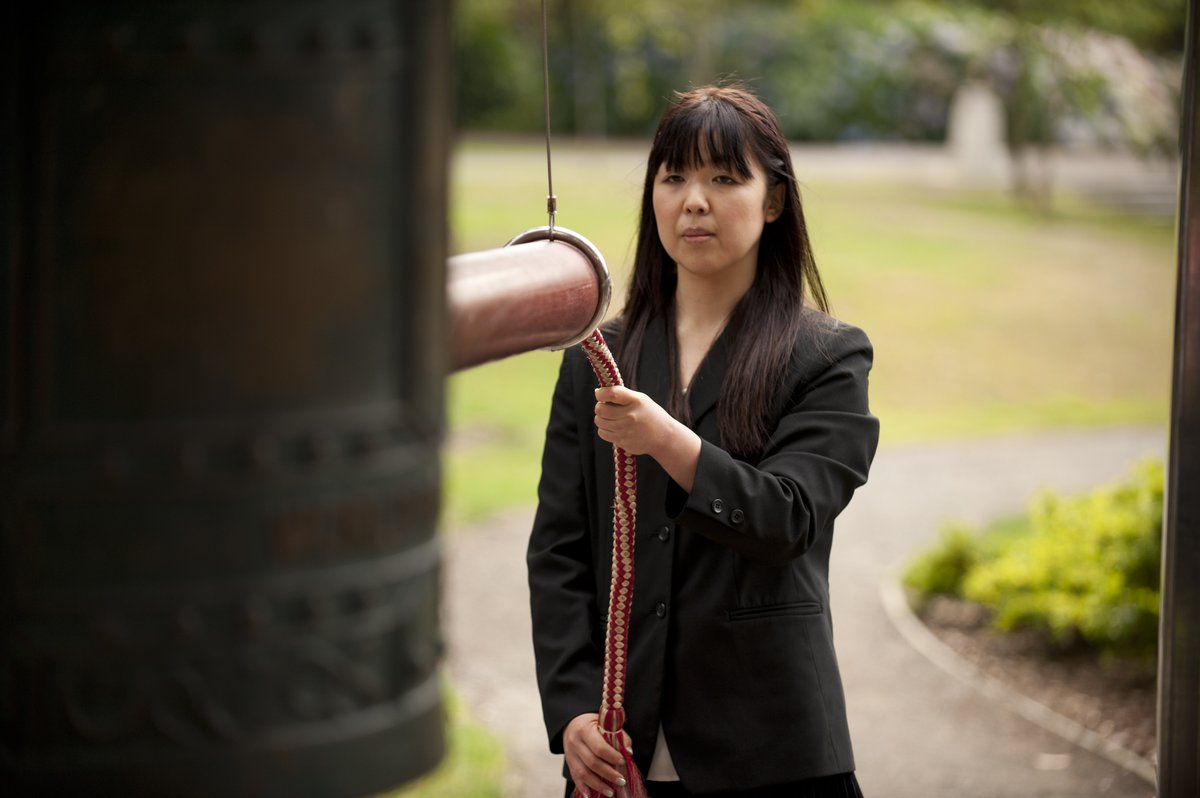
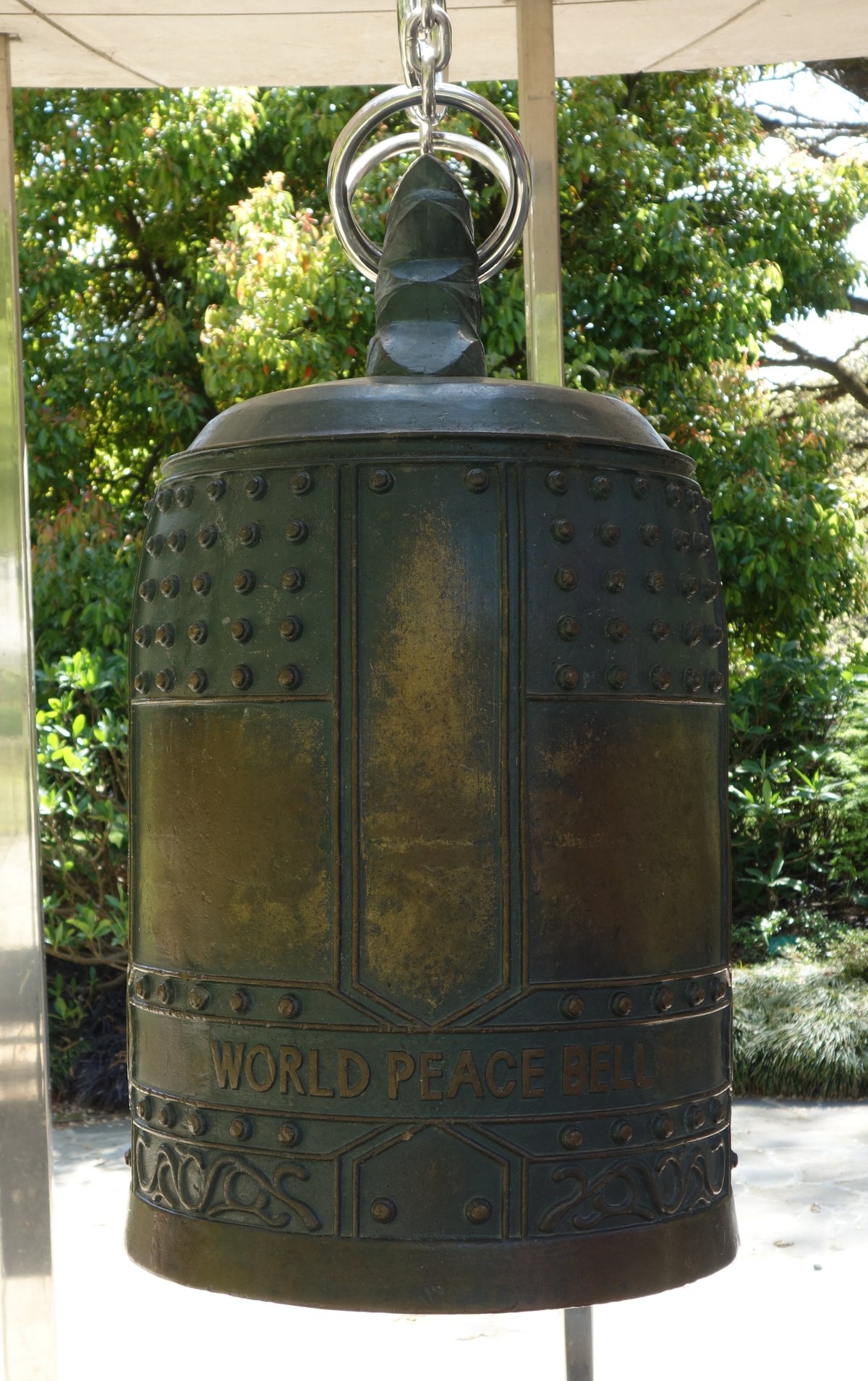
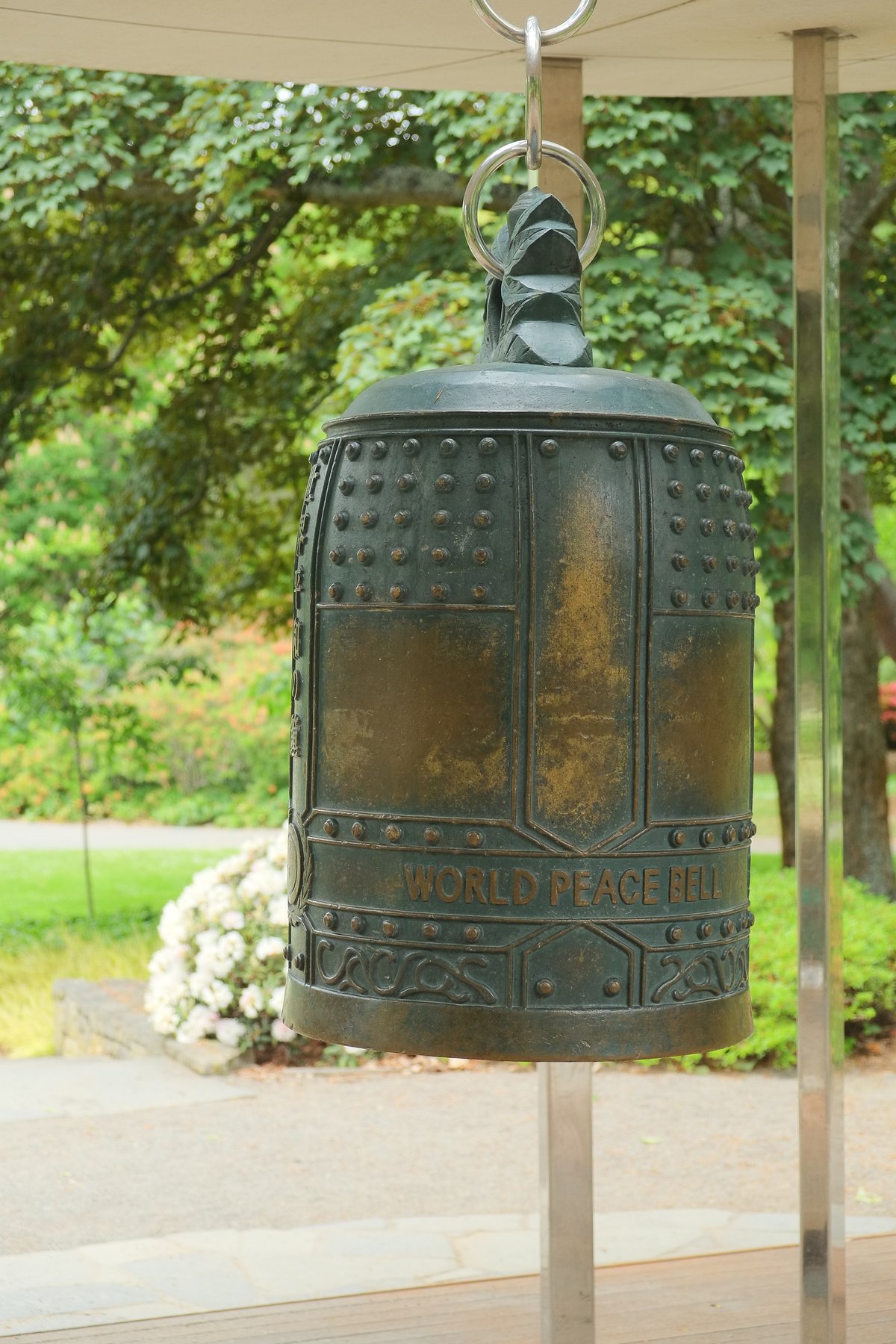
The Christchurch World Peace Bell draws inspiration from traditional Japanese temple bells. Its body, made from coins contributed by United Nations member states, is engraved with “World Peace Bell” in English and “sekai heiwa no kane” in Japanese.
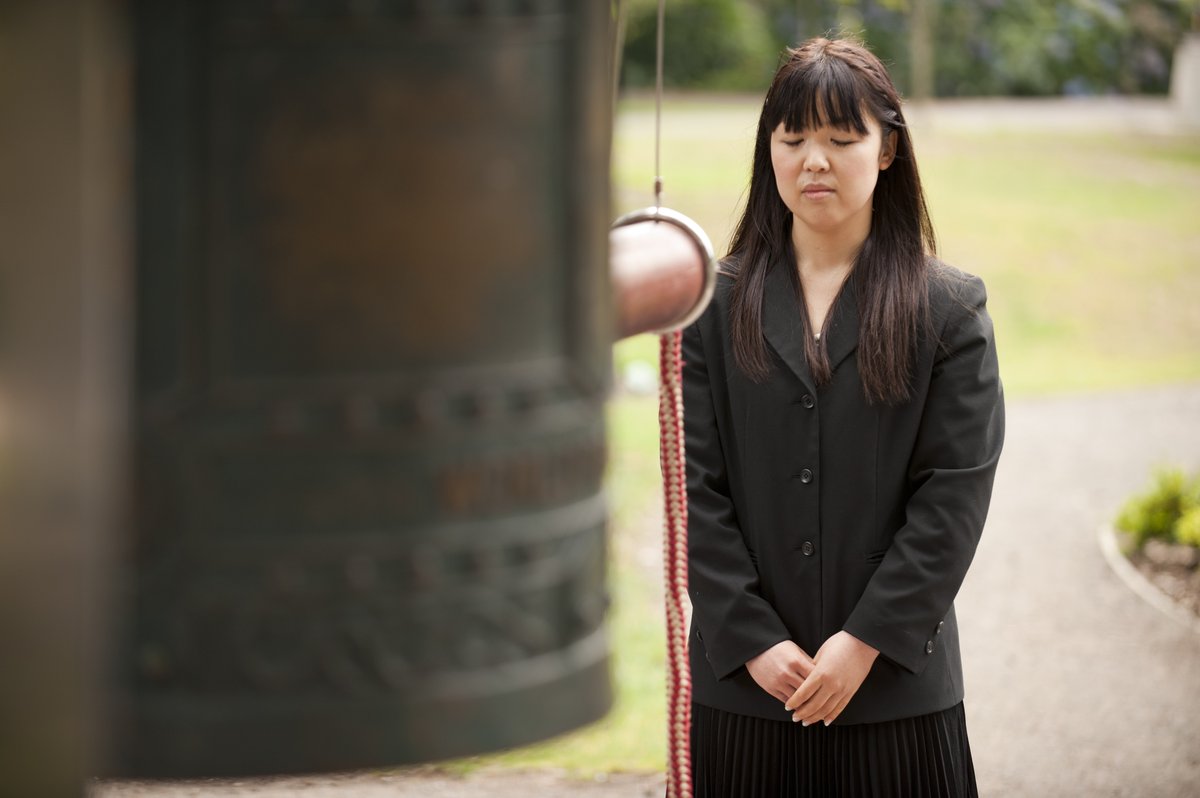
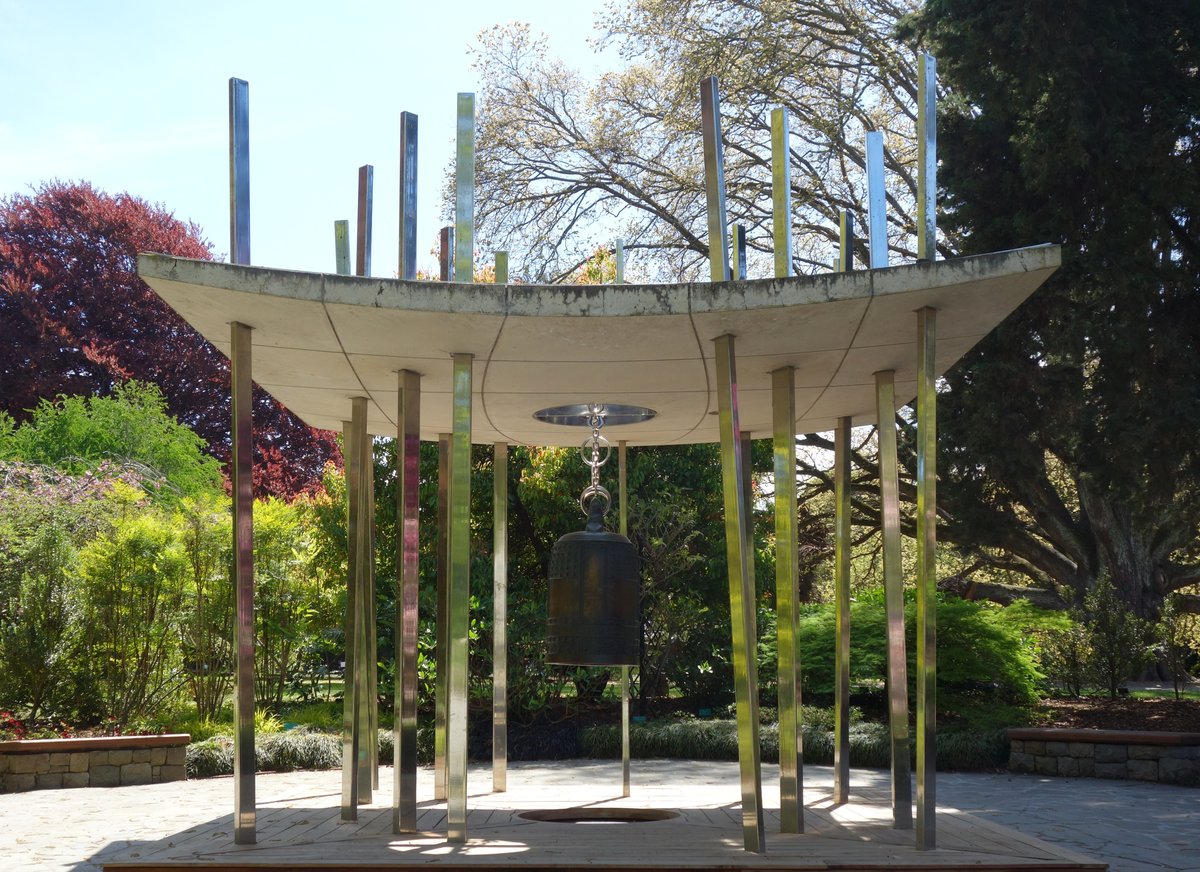
A unique cultural feature is the integration of pounamu, or New Zealand greenstone, gifted by Ngāi Tahu iwi and placed in the pond beneath the bell. A piece from this same stone was sent to Nagasaki, symbolically connecting the two peace cities. The bell’s pavilion, blessed by Ngāi Tahu before its construction, is set in a tranquil area of the Botanic Gardens, inviting visitors to pause, reflect, and ring the bell as a gesture of hope (Christchurch City Council).
Visiting Information
Location: Christchurch Botanic Gardens, accessible via Rolleston Avenue or Riccarton Avenue.
Visiting Hours:
- Summer (October–March): 7:30 AM – 7:00 PM
- Winter (April–September): 8:30 AM – 5:00 PM
- Note: The bell can be accessed during Botanic Gardens’ opening hours. The Visitor Information Centre is open 8:30 AM – 5:00 PM.
Tickets & Entry:
- Free admission—no tickets are required for entry to either the Botanic Gardens or the World Peace Bell.
How to Get There:
- Public Transport: Several bus routes stop near the Gardens.
- Parking: Paid parking is available nearby; spaces may fill during peak times.
- On Foot/Bicycle: The Gardens are centrally located, with multiple entrances and easy walking/biking access.
Best Time to Visit:
- The bell is open year-round.
- June is cool (5–11°C); dress warmly.
- Spring and summer offer pleasant weather and gardens in full bloom (Wanderlog: Christchurch in June).
Accessibility
- Wheelchair Accessible Paved, accessible pathways throughout the Gardens and to the bell.
- Accessible Toilets Available near the Visitor Centre.
- Recommended Entrance Armagh Street offers level access.
- Assistance Gardens staff are available to help with directions or mobility needs.
Annual Events and Community Engagement
The World Peace Bell is a focal point for several annual commemorations:
- 6 & 9 August Hiroshima and Nagasaki anniversaries, including lantern ceremonies.
- 21 September UN International Day of Peace.
- 26 September UN Day for the Elimination of Nuclear Weapons.
- 22 February Christchurch earthquake remembrance.
- 11 March Fukushima disaster anniversary.
- Commemorations of the Christchurch Mosque Shootings Community gatherings for reflection and solidarity.
Community groups, schools, and peace organizations regularly use the bell for educational activities, ceremonies, and workshops (Christchurch City Council).
Nearby Attractions
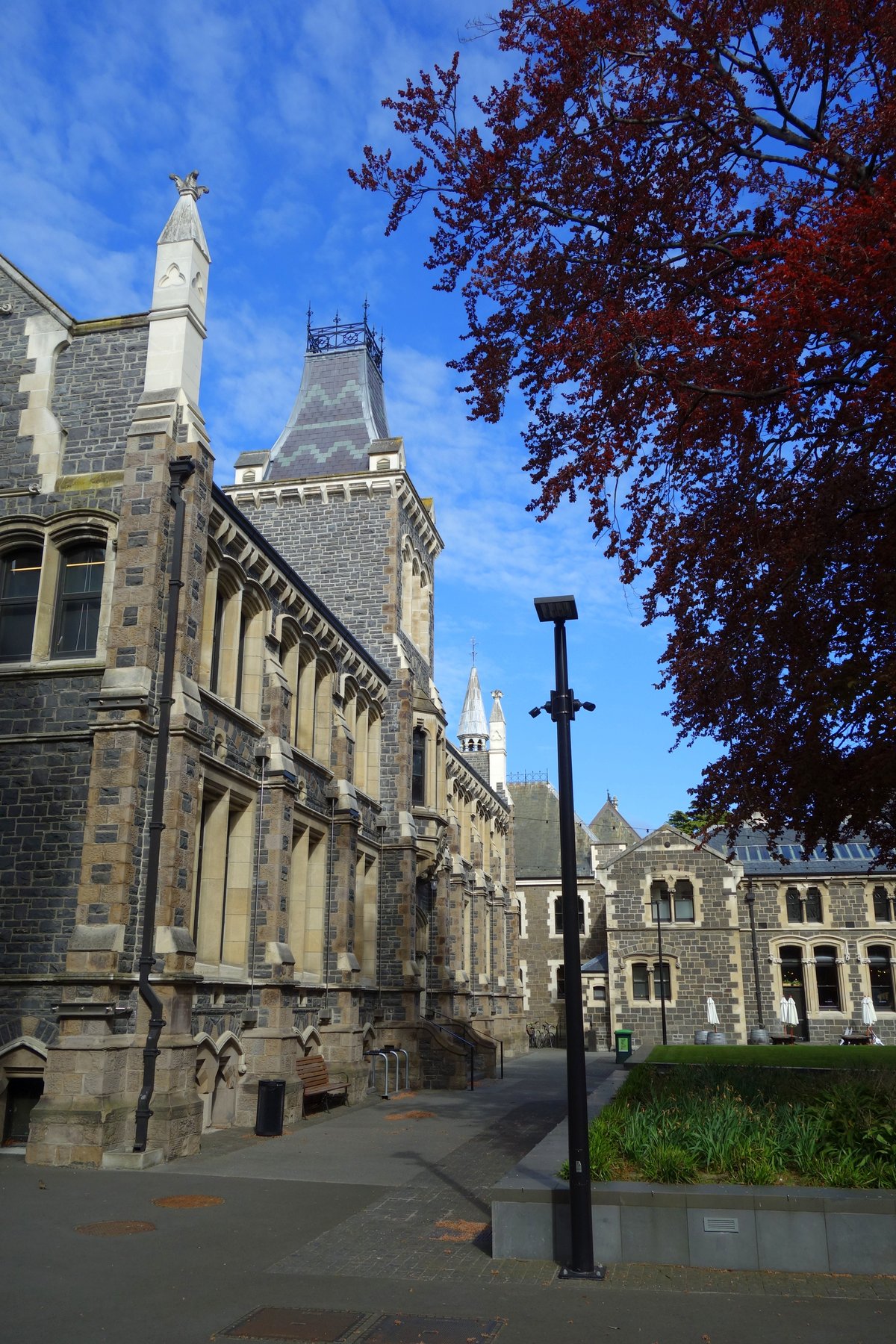
- Canterbury Museum Local and natural history exhibitions.
- Christchurch Art Gallery Contemporary and classic New Zealand art.
- Punting on the Avon Enjoy a boat ride on the Avon River (NZ Travel Organiser).
- Christchurch Tram Hop-on, hop-off service connecting major sites (Christchurch Attractions FAQ).
- Rose Garden and Conservatories Within the Botanic Gardens.
FAQs
Do I need tickets to visit the World Peace Bell?
No, entry is free and no tickets are needed.
What are the World Peace Bell visiting hours?
7:30 AM – 7:00 PM in summer, 8:30 AM – 5:00 PM in winter (Botanic Gardens hours).
Is the bell wheelchair accessible?
Yes, paved paths and accessible facilities are available throughout the Gardens.
Can visitors ring the World Peace Bell?
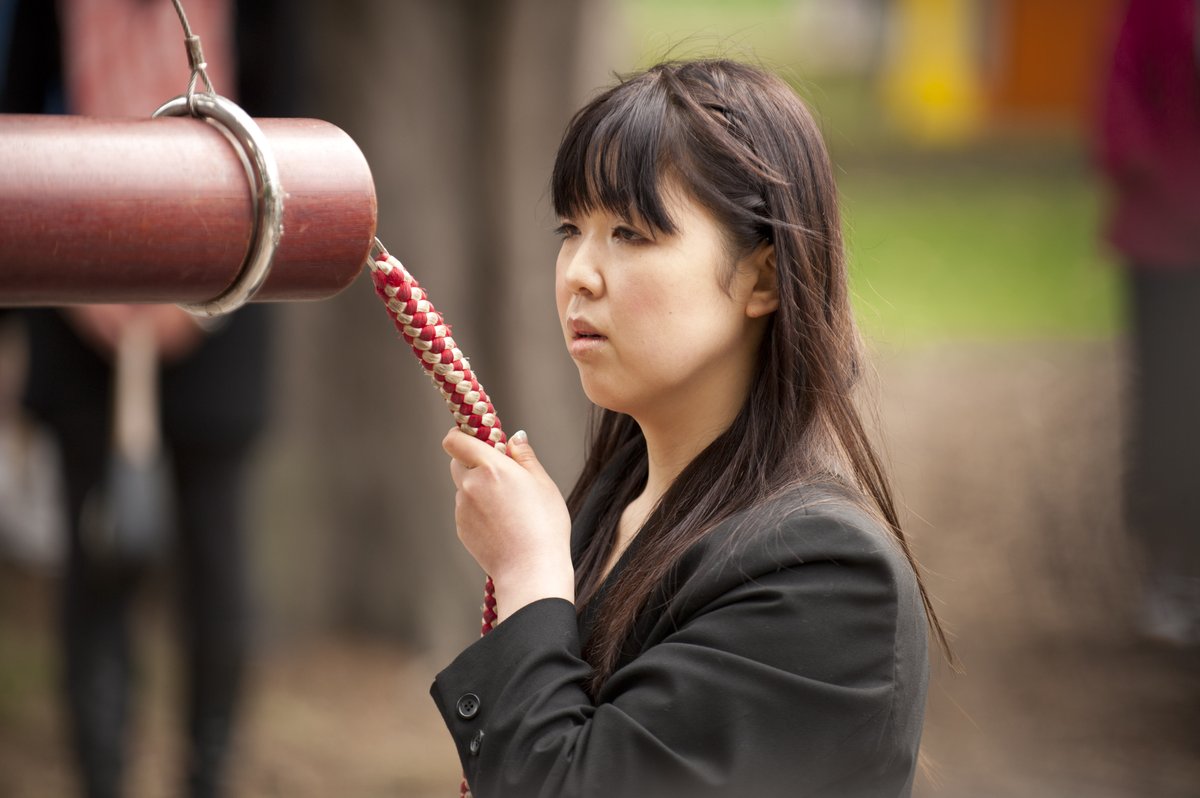
Visitors may ring the bell quietly as a gesture of goodwill, though access may be limited during official ceremonies.
Are guided tours available?
Yes, the Caterpillar Botanic Gardens Tour often includes information about the bell (Christchurch Attractions).
Tips for Your Visit
- Dress for the weather Christchurch can be cool and wet in winter.
- Bring a camera The bell and gardens are photogenic year-round.
- Plan around events Check the Botanic Gardens events page for ceremonies.
- Join a guided tour Enhance your understanding of the bell’s significance.
- Respect the site Reflect quietly and be considerate of those participating in ceremonies.