Historical Background and Significance
The 2011 Christchurch Earthquake and the Need for a Transitional Cathedral
On February 22, 2011, a 6.3 magnitude earthquake struck Christchurch, causing widespread devastation and loss of life (ANZAB). The city’s beloved ChristChurch Cathedral, a neo-Gothic landmark dating from 1865, was rendered structurally unsafe. Amidst debate over its fate, the Anglican Diocese recognized the urgent need for a new gathering place that would serve the community’s spiritual and civic needs while plans for the original cathedral’s restoration were developed (Wikipedia).
Shigeru Ban’s Vision
Renowned Japanese architect Shigeru Ban—known for his humanitarian work and creative use of unconventional, sustainable materials—was commissioned to design the new cathedral. Ban’s signature approach, utilizing reinforced cardboard tubes, timber, and steel, resulted in a building that is both practical and profoundly symbolic. The structure’s rapid construction, innovative materials, and A-frame silhouette embody adaptability and hope in the wake of disaster (Architectural Review; Material Lab).
Site and Construction
Located at 234 Hereford Street, on the former site of St John the Baptist Church, the Cardboard Cathedral was completed in August 2013—just over two years after the earthquake (Wikipedia). Its central location makes it highly accessible and positions it as a key element in Christchurch’s urban renewal (explorechristchurch.nz).
Architectural Features
Design and Materials
- A-Frame Structure The cathedral’s A-frame form rises 21 meters at its apex, echoing the geometry of the original ChristChurch Cathedral (Architectuul).
- Cardboard Tubes Over 90 locally-produced cardboard tubes (up to 20 meters long) form the roof and walls, coated with waterproof polyurethane and fire retardant for durability (ArchDaily).
- Supporting Elements Laminated timber beams, steel reinforcements, and eight shipping containers (housing offices and support spaces) provide stability and functionality (Material Lab).
- Polycarbonate Roofing The translucent roof allows abundant natural light into the interior.
- Stained-Glass Trinity Window This striking feature on the main façade incorporates imagery from the original cathedral’s rose window, blending tradition with innovation (Architecture Now).
Spatial Experience
Inside, the cathedral offers a serene, light-filled environment with seating for around 700 people. The open-plan layout and minimalist aesthetic create a welcoming space for worship, reflection, and community events (Shigeru Ban Architects).
Visitor Information
Location and Accessibility
- Address 234 Hereford Street, Christchurch Central City, Christchurch 8011, New Zealand (Architectuul)
- Transport Within walking distance of Cathedral Square and major attractions. Accessible by public transport and bicycle; paid parking is available nearby (TravelTriangle).
Visiting Hours
- Monday–Saturday 9:00 am to 4:00 pm (may extend after evening services)
- Sunday Opens 7:30 am, closes after the 5:00 pm service
- Special Events/Holidays Hours may vary—check the official website for updates.
Admission and Donations
- Entry Free (no ticket required)
- Donations Welcomed to support maintenance and community programs; can be made onsite or online (TravelTriangle).
Guided Tours
- Availability While regular guided tours are not standard, staff and volunteers are available to answer questions.
- Self-Guided Visits Informational brochures and signage offer insights into the building’s history and architecture (official website).
Accessibility
- Wheelchair Access Step-free entrance, spacious interiors, and accessible restrooms (TravelTriangle).
- Assistance Visitors with specific needs are encouraged to contact the cathedral in advance (contact page).
Photography
Photography is permitted inside and outside the cathedral. Visitors are asked to be respectful, especially during services, and may be asked to avoid flash or tripods during events.
Activities and Events
Worship Services
Regular Anglican services are held and open to all:
- Sunday 8:00 am Holy Eucharist, 10:00 am Choral Eucharist, 5:00 pm Choral Evensong
- Weekdays Morning Prayer (online), Holy Eucharist (12:05 pm), Choral Evensong (in school terms)
- Schedule details Service schedule
Cultural and Community Events
The cathedral hosts concerts, exhibitions, lectures, and community gatherings throughout the year. Its flexible design supports a range of activities that reinforce its role as a community hub (TravelTriangle).
Reflection and Remembrance
The tranquil interior invites visitors to reflect quietly on Christchurch’s journey and the resilience symbolized by the cathedral’s design.
Facilities and Amenities
- Restrooms Clean and accessible.
- Seating Ample for worship and contemplation.
- Café None onsite, but many options nearby.
- Gift Shop No dedicated shop, but souvenirs may be available during special events.
- Virtual Access Some services are live-streamed via Facebook (streamed services).
Best Time to Visit
Spring and summer (September–February) offer the most pleasant weather and the surrounding gardens are at their best. Early mornings or weekdays are quieter for contemplation and photography (TravelTriangle).
Nearby Christchurch Attractions
- Cathedral Square Site of the original cathedral and ongoing restoration.
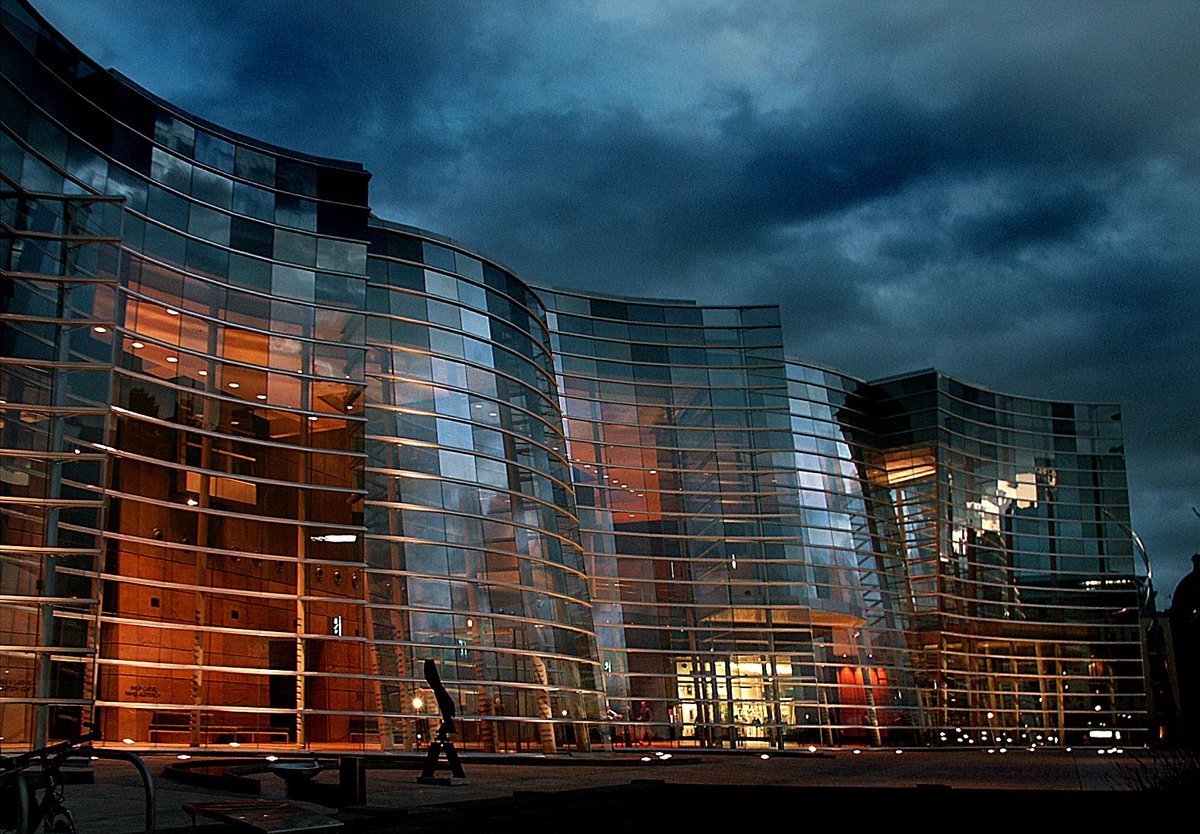
- Christchurch Art Gallery A short walk away (TravelTriangle).
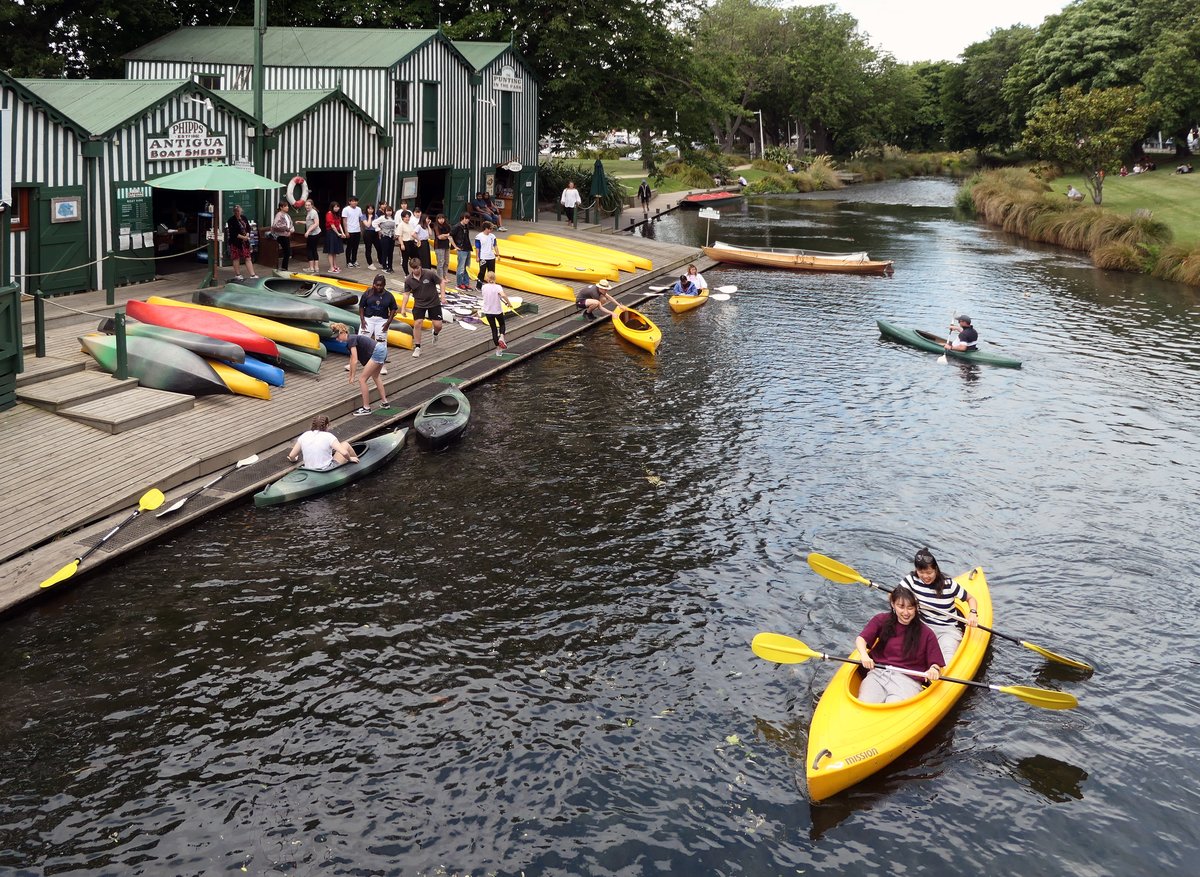
- Avon River Ideal for punting and riverside strolls (Jenny Latto).
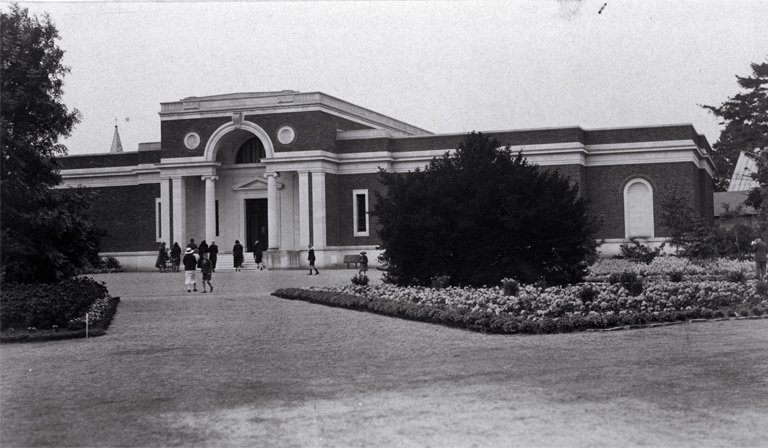
- Canterbury Museum and Botanic Gardens Nearby for a richer cultural experience (The Tourist Checklist).
- Quake City Museum Documents the city’s recovery after the earthquake.
Visitor Tips
- Plan your visit around service times to avoid crowds.
- Dress modestly, especially if attending a service.
- Respect the quiet, contemplative atmosphere inside.
- Combine your visit with nearby attractions for a full day in Christchurch.
- Check the official website for the latest updates.
Safety and COVID-19 Considerations
The cathedral adheres to New Zealand’s health guidelines; hand sanitiser is available, and masks may be recommended during busy periods.
Frequently Asked Questions (FAQ)
Q: What are the Cardboard Cathedral’s visiting hours?
A: Monday–Saturday, 9:00 am–4:00 pm; Sunday, 7:30 am–after 5:00 pm service. Hours may vary—check the official website for updates.
Q: Is there an entrance fee?
A: No, entry is free. Donations are appreciated.
Q: Is the cathedral wheelchair accessible?
A: Yes, with ramps and accessible facilities.
Q: Can I take photographs inside?
A: Yes, but be respectful during services and events.
Q: Are guided tours available?
A: No regular guided tours, but staff can answer questions.
Visuals and Media
- Exterior photo of the Cardboard Cathedral (alt: "Cardboard Cathedral exterior, Christchurch historical site")
- Interior photo featuring the cardboard tubes and stained-glass window (alt: "Inside the Cardboard Cathedral showing unique cardboard architecture")
- Map showing the cathedral’s location relative to Cathedral Square and local attractions.
Internal Links
- Discover more Christchurch historical sites
- Explore Top Christchurch Attractions
- Read about Exploring New Zealand’s South Island