Religious Persecution and Migration
The Pilgrims were English Separatists who, facing persecution for dissenting from the Church of England, fled to the Netherlands in search of religious freedom. After an initial period in Amsterdam, internal disputes led the group to relocate in 1609 to Leiden, a city renowned for its tolerance and openness to refugees (Netherlands Insiders). Leiden’s city council famously welcomed “honest persons” seeking refuge, attracting not only the Pilgrims but a vibrant mix of Huguenots, Flemish, Walloon, and German migrants (Pieterskerk).
Life and Integration in Leiden
Upon arrival, the Pilgrims settled primarily around the Pieterskerk. Leiden’s population numbered about 40,000, and the Pilgrim congregation was around 100 strong. Many Pilgrims found employment in the city’s bustling textile industry, while others worked as artisans, teachers, or soldiers. Despite economic hardship and their outsider status, Leiden afforded them opportunities for self-governance, worship, and education unavailable in England. Notably, some Pilgrims attended lectures at Leiden University, a center of academic freedom (Leiden400; Earth Observatory).
Cultural, Theological, and Political Context
Leiden in the early 17th century was a cosmopolitan hub, with a flourishing textile economy and rich intellectual life. The city was home to prominent scholars and artists, and the Hortus Botanicus saw the first Dutch tulip cultivated. The Pilgrims’ years in Leiden were marked by involvement in theological debates, particularly the Arminian controversy, and by witnessing the Dutch Republic’s internal political strife. The end of the Twelve Years’ Truce with Spain in 1621 and increasing restrictions on press and debate made conditions uncertain (Netherlands Insiders; Leiden400).
The Decision to Leave and Lasting Legacy
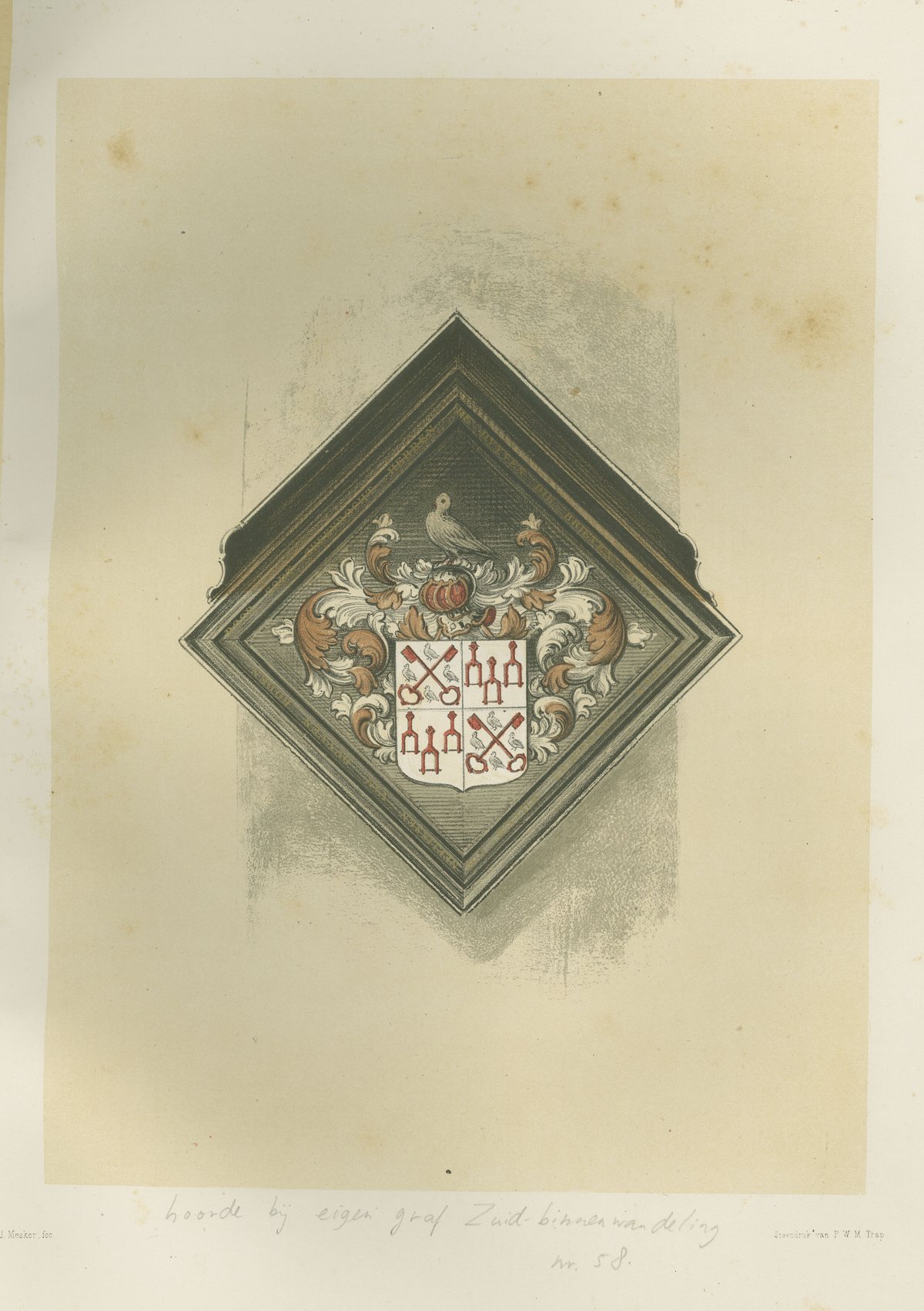
By 1620, factors such as economic hardship, cultural assimilation concerns, and the Dutch Republic’s volatile political climate prompted the Pilgrims to consider emigration. A portion of the congregation departed for England, then set sail on the Mayflower. Their pastor, John Robinson, remained in Leiden, where he is buried in the Pieterskerk (Pieterskerk). The Pilgrims’ values—religious freedom, self-governance, and community—were shaped in Leiden and later influenced the foundation of Plymouth Colony.
Key Pilgrim Sites in Leiden
- Pieterskerk The spiritual heart for the Pilgrims and burial place of John Robinson (Pieterskerk).
- Leiden American Pilgrim Museum At Kloksteeg 16a (Villa Rameau), featuring period rooms, rare artifacts, and immersive exhibits (WhichMuseum).
- Leiden University Site of theological engagement and academic exchange (Leiden400).
- Hortus Botanicus Historic botanical garden, significant for its role in the Dutch Golden Age (Leiden400).
- William Brewstersteeg Site of the secret Pilgrim press.
- John Robinson’s House Now a private residence, open for special events.
Museum Visiting Information
Visiting Hours
- Standard Hours (from May 2025) Tuesday–Sunday, 10:00 AM–5:00 PM; closed Mondays and public holidays (Leiden American Pilgrim Museum Foundation).
- Special Hours Extended during peak seasons and for events (check website for updates).
Tickets and Admission
- Adults €8
- Students/Seniors €5
- Children under 12 Free
- Group and family discounts available
- Purchase Online via the museum’s website or at the entrance.
Accessibility
- The new location at Villa Rameau features ramps, elevators, and accessible restrooms, making it suitable for visitors with mobility challenges (Sleutelstad.nl PDF).
- Contact the museum for specific accommodations.
Guided Tours and Special Events
- Regular guided tours in English and Dutch are available; group and educational tours can be booked in advance.
- The museum hosts temporary exhibitions, lectures, and workshops, often in partnership with the Pieterskerk (DutchNews.nl).
Travel Tips and Nearby Attractions
- Location Villa Rameau, Kloksteeg 16a, 2311 SL Leiden, Netherlands.
- Getting There 10–15 minute walk from Leiden Central Station; centrally located in the historic city center.
- Parking Limited; public transport or cycling is recommended.
- Nearby Attractions Pieterskerk, Museum De Lakenhal, Hortus Botanicus, Windmill Museum De Valk, Burcht van Leiden, and Leidse markets (PlanetWare).
- Dining Numerous cafés and restaurants surround the museum and church area.
Frequently Asked Questions (FAQ)
Q: What are the museum’s visiting hours?
A: Tuesday to Sunday, 10:00 AM–5:00 PM; closed on Mondays and public holidays. Always confirm on the official website.
Q: How much are tickets?
A: Adults €8, students/seniors €5, children under 12 free. Group discounts available.
Q: Is the museum accessible for wheelchair users?
A: Yes, Villa Rameau is equipped with ramps, elevator, and accessible restrooms.
Q: Are guided tours available?
A: Yes, in English and Dutch; book in advance for groups or check schedules.
Q: Can I combine my museum visit with other historical sites?
A: Absolutely; the museum is adjacent to Pieterskerk and near other Pilgrim and Dutch Golden Age landmarks.
Q: Where can I buy tickets?
A: Online via the museum’s website or on-site at the museum entrance.
Q: Are there special events?
A: The museum frequently holds lectures, exhibitions, and events, especially around Mayflower anniversaries. Check the website for updates.