Leiden

Netherlands

Leiden

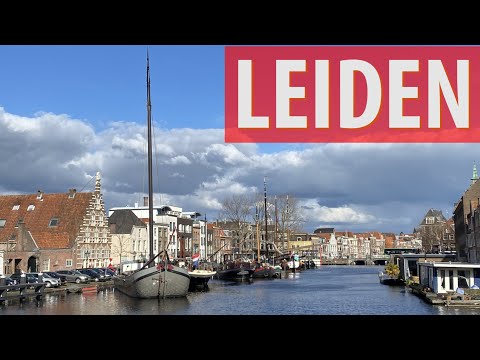
Rembrandt was born here, Einstein lectured here, and the Pilgrim Fathers spent eleven years here before the Mayflower — Leiden hides four centuries under its canals.

location_on 13 attractions
calendar_month Spring (April–May) for tulips, late September for festival build-up
schedule 2-3 days

Introduction

Push open an unmarked wooden door on a Leiden side street and you'll likely find yourself in a silent garden courtyard, a hofje where almshouse residents have been growing herbs since the seventeenth century. The Netherlands has 1,000 of these tucked-away sanctuaries; this small university city between Amsterdam and The Hague keeps roughly 35 of them, with about 17 quietly open to anyone curious enough to push the door. Rembrandt was born here in 1606. The Pilgrim Fathers spent eleven years here before sailing for Plymouth. The country's oldest university opened its doors in 1575 as a reward from William of Orange for surviving the Spanish siege.
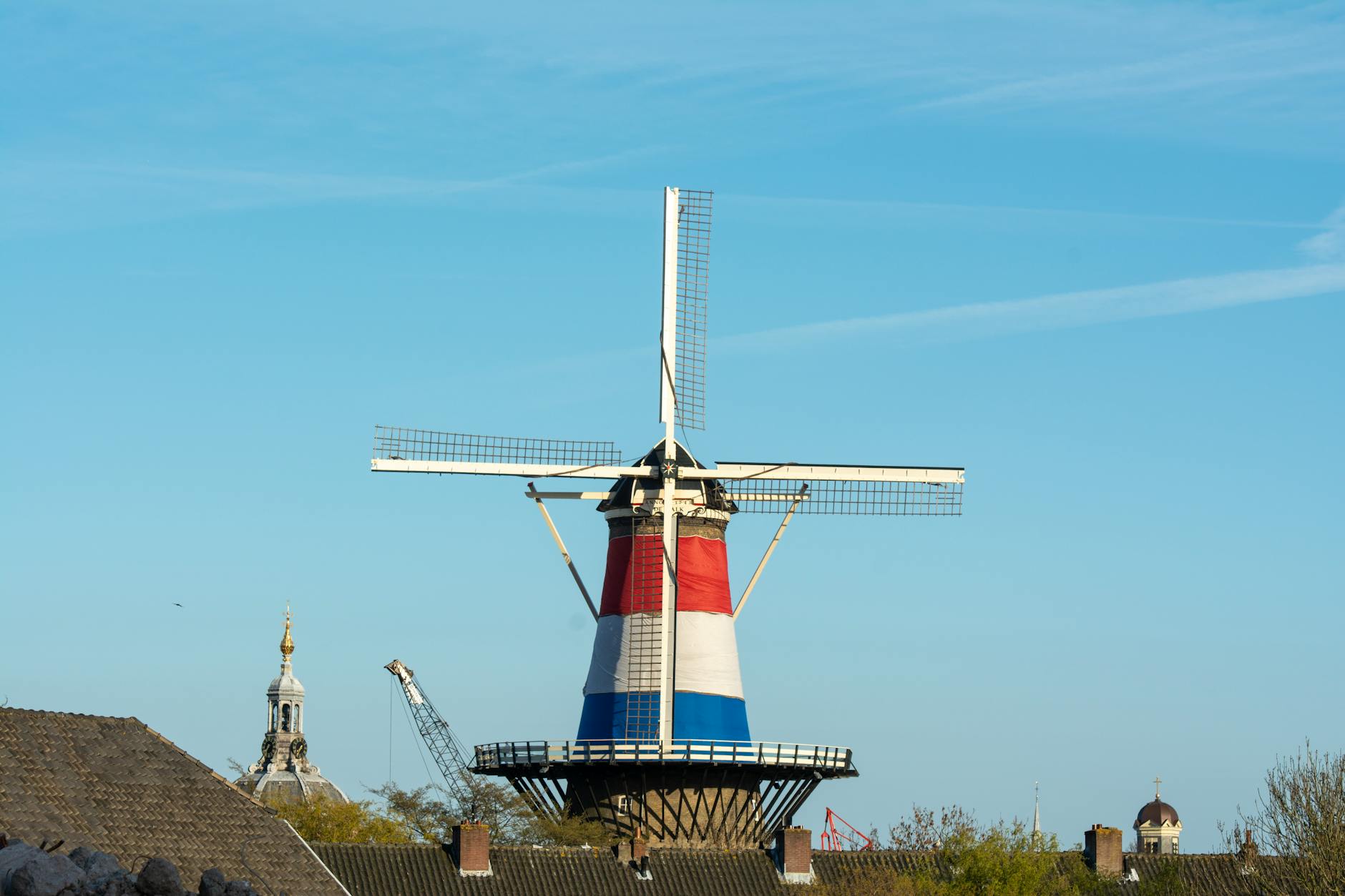
Leiden wears its scholarship lightly. The Old and New Rhine meander through a medieval centre dense with 2,800 listed monuments — gable stones, merchant houses, covered bridges, surviving city gates — and 13 museums sit within easy walking distance of each other. Rijksmuseum Boerhaave keeps a reconstructed anatomical theatre where seventeenth-century students watched dissections. The Hortus Botanicus, founded in 1590, predates Kew by 169 years and still grows Victoria water lilies under Victorian glass.

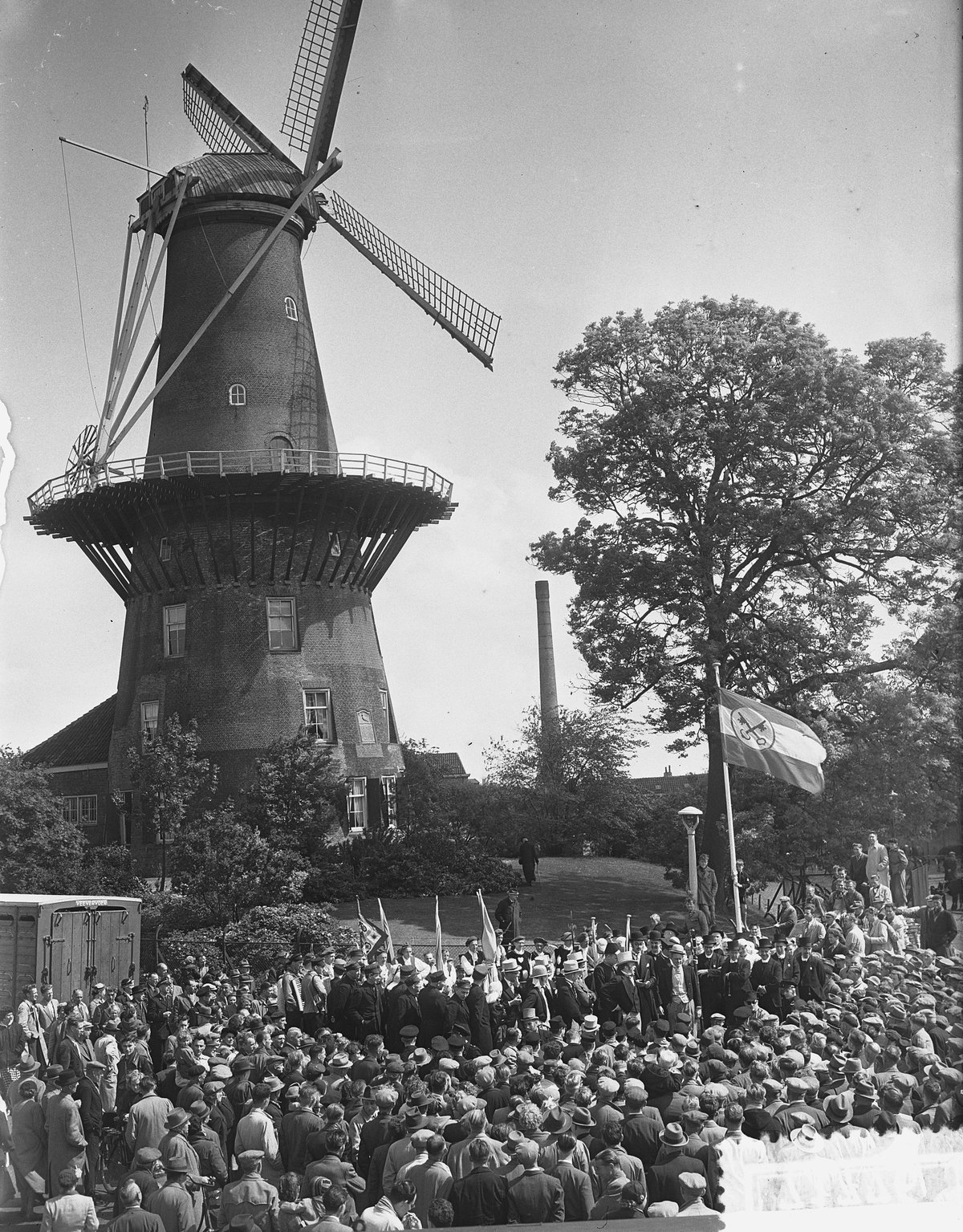
Students keep the cafés busy and the rents reasonable. The bookshops are independent, the cycling is flat, the canals are quieter than Amsterdam's by an order of magnitude. On 3 October the entire city closes down for Leidens Ontzet — the celebration of the relief of the 1574 siege — and everyone eats hutspot and herring with white bread because that, according to legend, is what the starving citizens found when the Spanish finally fled.

The local cookie, the Leidsche kletskop, is baked on a boat moored at Blauwpoortshaven. The recipe dates to 1602. You can buy three to a tin and eat them sitting on a bench by the water, which is how Leideners eat most things worth eating.

Places to Visit

The Most Interesting Places in Leiden

Rijksmuseum Van Oudheden

Rijksmuseum Van Oudheden

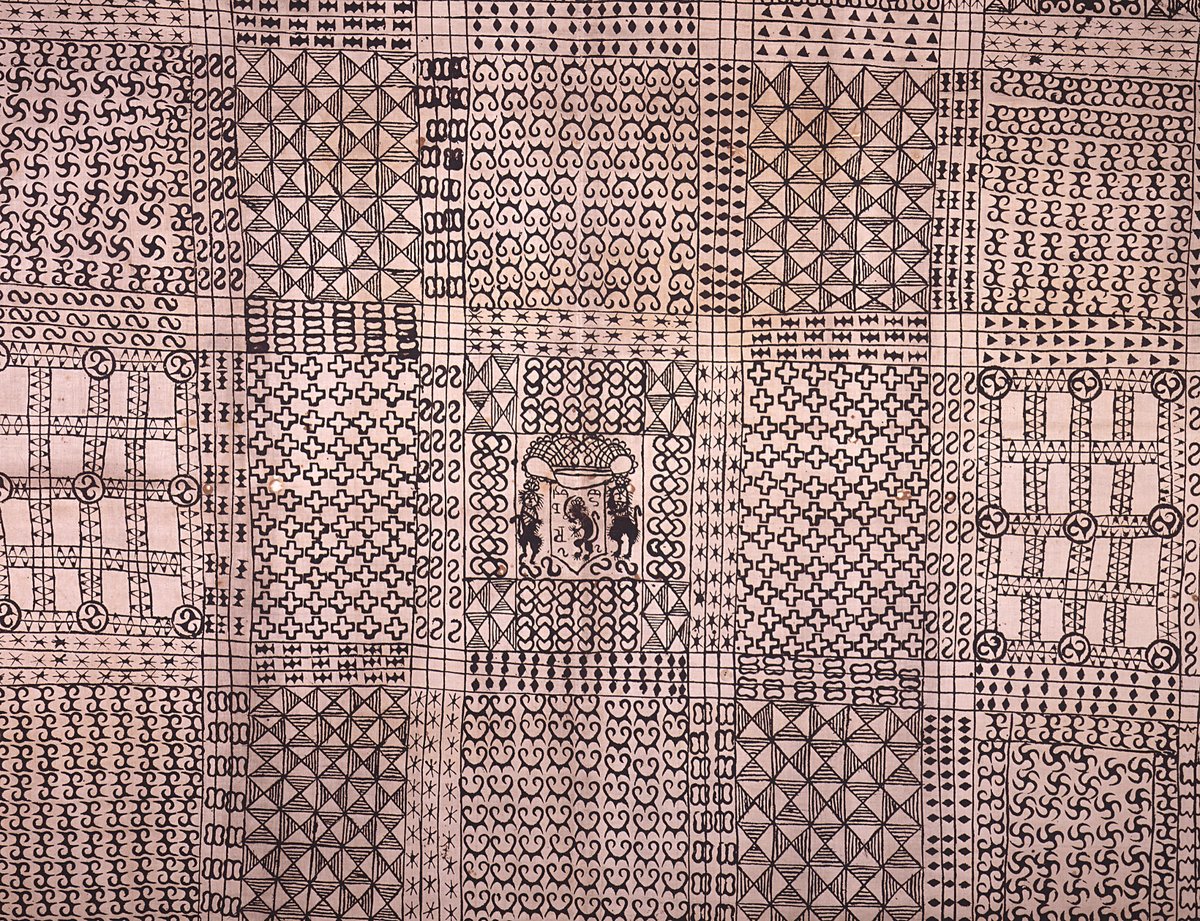
Nestled in the historic city of Leiden, the Rijksmuseum van Oudheden (RMO) stands as the Netherlands’ premier archaeological museum, inviting visitors to…

Wereldmuseum Leiden

Wereldmuseum Leiden

Nestled in the historic city of Leiden, the Wereldmuseum Leiden stands as one of Europe’s oldest and most prestigious ethnographic museums, offering an…

Museum De Lakenhal

Museum De Lakenhal

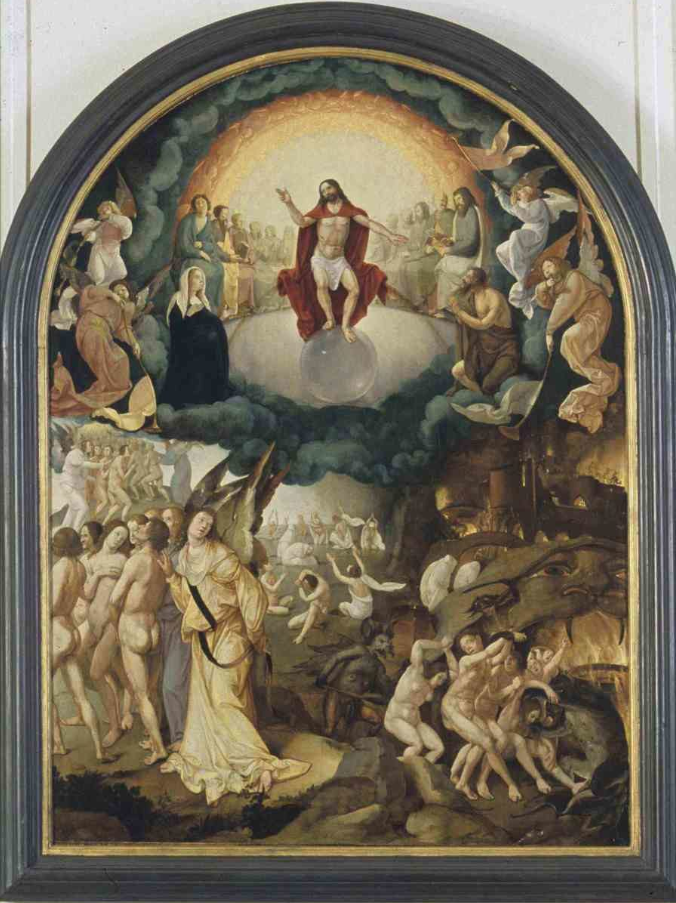
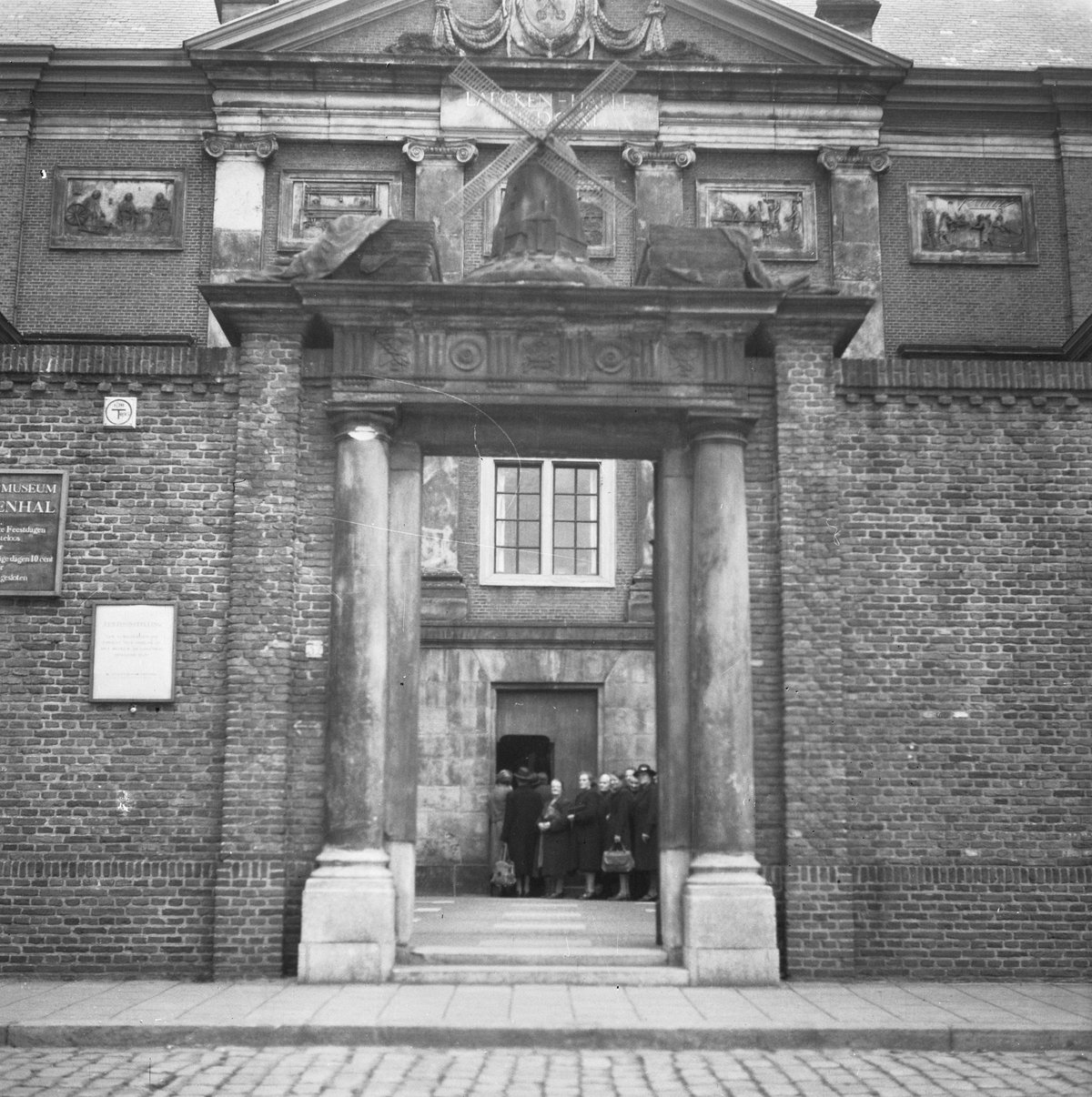
Museum De Lakenhal in Leiden stands as a vibrant testament to the city’s rich cultural, economic, and artistic heritage, making it an essential destination…

Museum Boerhaave

Museum Boerhaave

Nestled in the historic heart of Leiden, Netherlands, Museum Boerhaave, officially known as Rijksmuseum Boerhaave, stands as the nation's premier museum…

Leiden University

Leiden University

Leiden University, established in 1575, holds the distinction of being the oldest university in the Netherlands and stands as a monumental symbol of…

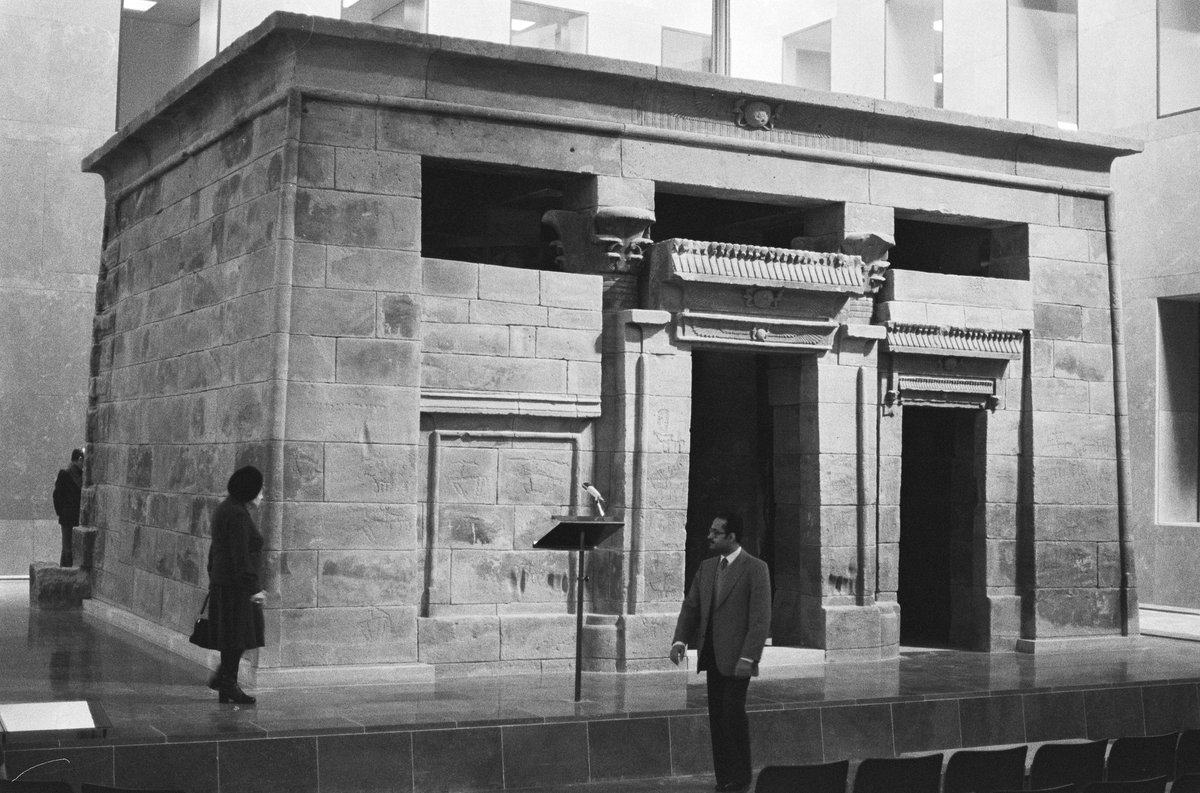
Temple of Taffeh

Temple of Taffeh

Nestled in the historic city of Leiden, Netherlands, the Temple of Taffeh stands as a remarkable testament to ancient Egyptian culture and international…

Naturalis Biodiversity Center

Naturalis Biodiversity Center

Nestled in the historic and picturesque city of Leiden, the Naturalis Biodiversity Center stands as one of the world’s premier natural history museums and…

landscape

Museum Het Leids Wevershuis

Nestled in the historic heart of Leiden, Netherlands, Museum Het Leids Wevershuis offers a rare and immersive portal into the city’s rich textile heritage and…

Leiden American Pilgrim Museum

Leiden American Pilgrim Museum

Nestled in the historic city of Leiden, Netherlands, the Leiden American Pilgrim Museum offers a compelling journey into the lives of the English Separatists…

landscape

Julius Caesar Bridge

Leiden, a city steeped in history and culture, offers visitors a unique opportunity to explore its ancient Roman heritage through landmarks such as the Julius…

Leiden University Library

Leiden University Library

Leiden University Library stands as a monumental testament to over four centuries of academic excellence, cultural heritage, and intellectual freedom.

Koornbrug Leiden

Koornbrug Leiden

Nestled in the vibrant heart of Leiden, the Koornbrug stands as a remarkable emblem of Dutch history, architecture, and community life.

What Makes This City Special

The Oldest University Town

Leiden University was founded in 1575 as a reward for the city's resistance during the Spanish siege, and the student presence still sets the rhythm — bookshops, brown cafés, and a research-driven culture that gave the world Boerhaave, Einstein's collaborators, and the original anatomical theatre.

Rembrandt's Hometown, 13 Museums Deep

Rembrandt was born here in 1606 and apprenticed in a studio you can still visit for €2.50. Museum De Lakenhal holds his early canvases alongside Lucas van Leyden and Jan Steen, whose 400th anniversary the city is marking across 2026.

Canals Without the Crowds

The Old and New Rhine wind through a medieval centre packed with 2,800 listed monuments — covered grain bridges, 17th-century city gates, and roughly seventeen hofjes hidden behind unmarked wooden doors. It's Amsterdam's atmosphere at a third of the elbow traffic.

Gateway to the Bollenstreek

Keukenhof and the tulip fields of Lisse sit twenty minutes from Leiden Centraal, making the city the most civilised base for tulip season between mid-March and mid-May. The Hortus Botanicus, founded in 1590, was Europe's botanical laboratory long before Kew.

Historical Timeline

A City That Drowned Its Fields to Save Itself

From Roman frontier outpost to Europe's quietest engine of discovery

castle
1st c. AD

Roman Fort Matilo Guards the Rhine

On the eastern edge of what would become Leiden, Roman legionaries built Matilo, a castellum anchoring the Limes Germanicus along the Rhine. The river that now slides beneath Leiden's bridges was once the empire's northern fence. The stones are long gone, but the Rijksmuseum van Oudheden a few canals away guards their bronze fittings and bone dice.

castle
c. 1000

The Burcht Rises on a Mound

Where the Old and New Rhine meet, someone heaped earth into an artificial hill and crowned it with a stone keep. The Burcht is older than the Netherlands itself, older than most surnames, older than the idea of Leiden. Climb its wall today and you stand on a thousand years of intentional dirt.

gavel
1047

First Mention as Leithon

A document from the bishopric of Utrecht names a settlement called Leithon. It is the first time Leiden enters writing, an administrative whisper attached to a clutch of houses around the fortified mound. The name itself probably means "watercourses" — fitting, since water would later both nearly kill the city and definitively save it.

gavel
1266

City Rights Granted

Count Floris V of Holland's predecessor formalises what merchants and weavers had already built: Leiden is a city, with its own laws, its own courts, its own walls in the making. From this charter forward, the place grows on its own terms, no longer a satellite of the count's local steward.

church
14th c.

Pieterskerk Begins to Rise

The Gothic mass of St Peter's Church takes shape over generations of masons. Patron saint of the city, Peter looks down on a town increasingly fat on wool money. Three centuries before any Pilgrim would slip through its door, the church is already old, already echoing with the strange acoustics of a building too tall for its purpose.

factory
15th c.

Largest City in Holland, Cloaked in Cloth

Leiden becomes the biggest city in the County of Holland on the back of laken — heavy wool cloth woven, fulled, and dyed in workshops along every canal. The water that powered the fulling mills also carried the bales to Antwerp and beyond. The smell of urine-mordant and lanolin would have hit a visitor before the bell towers did.

palette
c. 1494

Lucas van Leyden Born

Born in the city whose name he would carry as a label, Lucas van Leyden became one of the first Northern artists to make engraving a serious art, not a sideline. He worked his entire short life here, pressing copper plates in a Leiden workshop while Dürer praised him from Nuremberg. He died in Leiden at 39, having barely left it.

swords
1573

The Spanish Encircle the Walls

After abandoning Alkmaar in October, the Duke of Alba's army turned south and clamped itself around Leiden. The city had chosen William of Orange over Philip II of Spain, and now had to live with the choice. Plague came inside the walls; cannon stayed outside them.

swords
3 October 1574

The Dikes Are Cut, the City Saved

After a year of starvation that killed roughly a third of the population, the Dutch made an audacious gamble: they breached the dikes and flooded the polders south of Leiden, sailing the Sea Beggars across drowned farmland to relieve the city. The Spanish fled their camps so fast they left pots of hutspot still warm. Every 3 October the city still eats herring and white bread, and the motto Haec Libertatis Ergo — "for the sake of liberty" — remains.

school
8 February 1575

William of Orange Founds a University

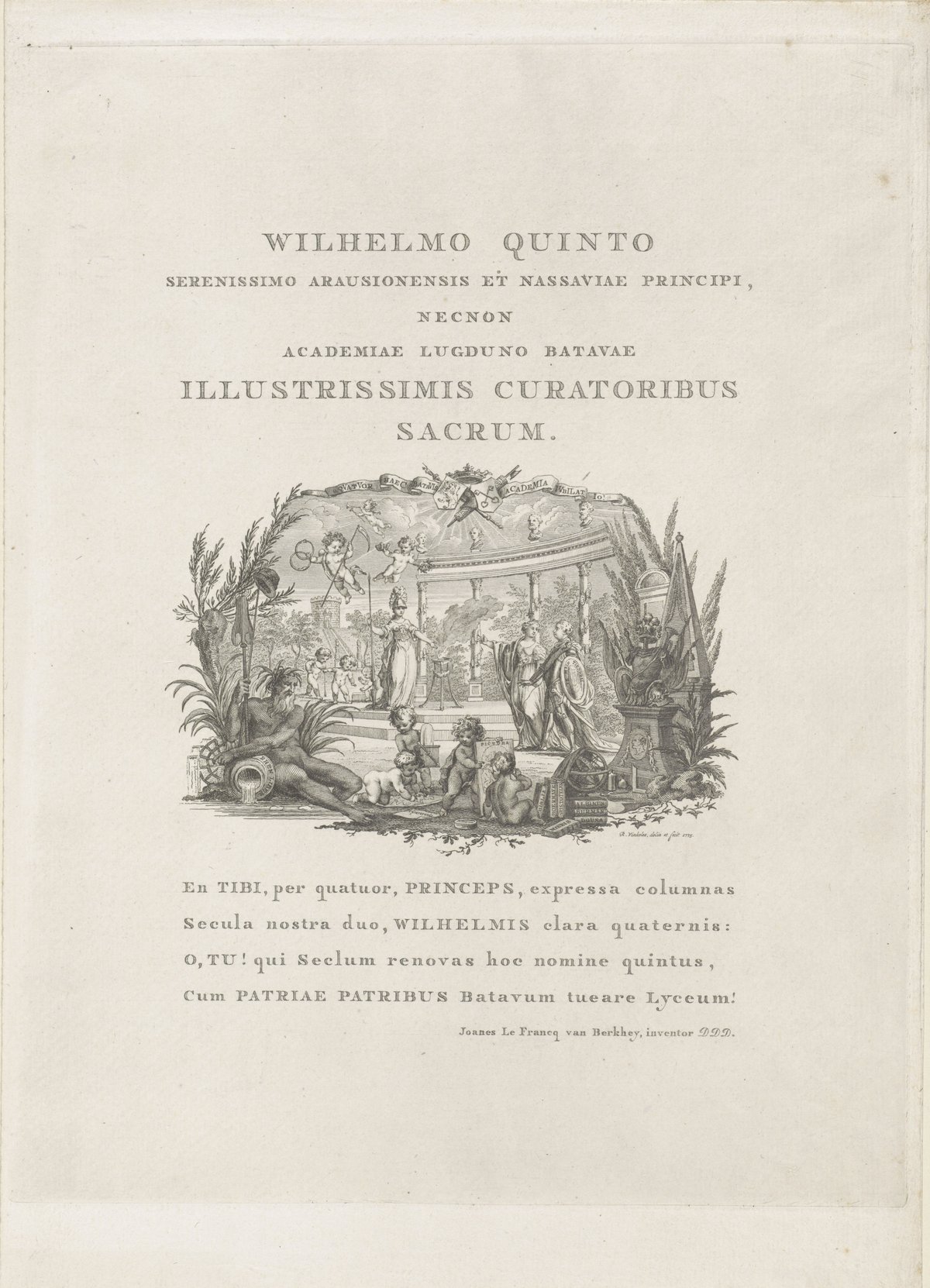
Tradition says William offered Leiden a choice: tax exemption or a university. The city chose books. Whether the story is apocryphal or not, the result is the same — the oldest university in the Northern Netherlands opened its doors four months after the siege ended. It would go on to count sixteen Nobel laureates among its faculty.

gavel
1583

Hugo Grotius Arrives at Eleven

He enrolled at Leiden University at age eleven, which says everything about both the child and the institution. Hugo de Groot would later write the books that founded international law, arguing for the freedom of the seas and the rules that bind states even in war. Leiden made him; he, in turn, made Leiden a name in jurisprudence.

palette
1590

Hortus Botanicus Opens

The university lays out a small rectangular plot for the cultivation of medicinal plants. Three years later, Carolus Clusius arrives as its first prefect, bringing with him tulip bulbs from the Ottoman empire — bulbs that would soon trigger Europe's first speculative bubble. The garden still grows, with greenhouses sheltering Victoria water lilies as wide as dining tables.

palette
15 July 1606

Rembrandt Is Born to a Miller

In a house on the Weddesteeg, beside one of his father's grain mills, Rembrandt Harmenszoon van Rijn is born. He studies at Leiden's Latin School, briefly enrols at the university, then quits to apprentice as a painter. His first studio, on the Langebrug, is where he learns to paint light as if it were weight. He leaves for Amsterdam around 1631 and never lives in Leiden again.

flight
1609

The Pilgrim Fathers Settle In

A congregation of English Separatists, led by John Robinson and William Brewster, arrives in Leiden looking for somewhere they will not be arrested for their version of God. They stay eleven years, working in the cloth trade, attending Pieterskerk, and slowly deciding that the Netherlands is too Dutch for their children. In 1620 they sail on the Speedwell, transfer to the Mayflower, and become founding myth.

palette
c. 1626

Jan Steen Born in the Brewery District

Leiden's second great Golden Age painter is born into a family of Catholic brewers. He paints chaos — drunken doctors, leering parents, children stealing wine — with such joy that "a Jan Steen household" is still Dutch shorthand for cheerful disorder. He returns to die in Leiden in 1679, having run a tavern alongside his easel.

science
1668

Herman Boerhaave Born Nearby

He would become the most famous doctor in Europe, teaching medicine at Leiden University from beds rather than lecterns. Boerhaave insisted that students see actual patients — the radical idea that founded modern clinical teaching. The Chinese emperor reportedly addressed a letter simply to "the illustrious Boerhaave, physician in Europe," and it arrived.

local_fire_department
12 January 1807

The Gunpowder Ship Explodes

A barge laden with 17,400 kilos of gunpowder, moored on the Steenschuur in the heart of the city, detonated at 4:15 in the afternoon. The blast killed 151 people, levelled an entire neighbourhood, and shattered glass as far as Haarlem. King Louis Bonaparte, brother of Napoleon, rushed to the city and personally distributed aid. The crater became Van der Werffpark, which is still a green wound in the old map.

palette
1837

Antiquities Become a National Museum

The Rijksmuseum van Oudheden opens, built around the university's swelling collections under Caspar Reuvens. The same year, Philipp Franz von Siebold ships his Japanese collection home — plants, prints, samurai armour — and Leiden quietly becomes one of Europe's centres for the study of Asia. The two museums, one of mummies and one of netsuke, sit a five-minute walk apart.

gavel
1848

Thorbecke Writes the Constitution

A Leiden professor of modern history, Johan Thorbecke, drafted a new constitution that turned the Netherlands from a king's country into a parliamentary democracy. He wrote it largely alone, working through 1848 while half of Europe was on fire. The document still underpins Dutch government today, amended but never replaced.

science
10 July 1908

Helium Becomes a Liquid

In a basement laboratory on the Steenschuur, Heike Kamerlingh Onnes cooled helium down to about four degrees above absolute zero — and watched it run, like water. Three years later, cooling mercury wires to the same depths, he stumbled into superconductivity. Both discoveries won him the 1913 Nobel Prize and made Leiden, briefly, the coldest place on earth.

science
1913

Einstein Gives His Inaugural Lecture

Albert Einstein took up a special professorship in Leiden and would return for several weeks a year until 1933. He stayed in the home of Paul Ehrenfest on the Witte Rozenstraat, where the chalkboard in the front room recorded conversations between Einstein, Bohr, and Pauli. He called Leiden his European intellectual home and missed it for the rest of his life.

science
1928

Lorentz Dies, the Nation Stops

When Hendrik Lorentz died in his Leiden home, Dutch telegraph and telephone services paused for three minutes. Albert Einstein gave a graveside oration, calling him "the greatest and noblest man of our times." Lorentz had taught at Leiden for fifty years, and the city's physics tradition still bears the shape his hand pressed into it.

gavel
26 November 1940

The Cleveringa Speech

With Nazi occupiers in the audience, law professor Rudolph Cleveringa delivered a calm, precise protest against the dismissal of his Jewish mentor Eduard Meijers. Students walked out and went on strike. The Germans shut the university and imprisoned Cleveringa, but the speech became one of the earliest public acts of Dutch academic resistance. Leiden still holds the Cleveringa Lecture every 26 November.

local_fire_department
Winter 1944–45

The Hunger Winter

A Nazi food embargo on the western Netherlands turned Leiden into a city of swollen ankles and bicycle tyres stuffed with grass. People burned floorboards to cook tulip bulbs. Roughly 20,000 Dutch died of starvation that winter; Leiden's share is woven into family memory rather than statistics.

public
5 May 1945

Liberation and a Quiet Reopening

Canadian troops rolled into Leiden in the days after the German surrender. The university, shut since 1940, reopened with chairs hauled out of basements and lecture lists hand-typed. Of the city's Jewish community, almost no one returned.

science
1983

Naturalis Is Founded

The old Rijksmuseum van Natuurlijke Historie merges with sister collections into Naturalis Biodiversity Centre. Behind the scenes sit 42 million specimens — beetles, bones, meteorites — most of them never displayed. The public galleries reopened in 2019 in a new building shaped like a stack of pale stone cubes, with a 13-metre Tyrannosaurus called Trix at its centre.

public
1 January 2002

The Guilder Disappears

On New Year's Day, Leiden cafés started taking euros and stopped taking guilders. The smaller change still sometimes surfaces in attic drawers and grandmothers' purses. The city, by now firmly anchored to Brussels rather than Amsterdam, took the switch in stride.

public
2023

Volkenkunde Becomes Wereldmuseum

The Museum of Ethnology, founded around Siebold's Japanese collection in 1837, was rebranded Wereldmuseum Leiden as part of a national reckoning with how colonial-era museums frame their objects. The Buddha statues and Maori canoes did not move; the wall texts did. The debate continues, mostly in the café next door.

public
3 October 2024

450 Years Since the Relief

Leiden marked the 450th anniversary of the breaking of the siege with three days of parades, fairground rides on the Garenmarkt, and herring eaten standing up beside the Burcht. The hutspot still tastes the same. The flood gates that once saved the city are now part of the Dutch water-management system, performing the same trick every winter, without an audience.

schedule
Present Day

Notable Figures

Rembrandt van Rijn

1606–1669 · Painter
Born here, worked here 1625–1631

The miller's son from Weddesteeg ran his first studio in a Leiden attic before Amsterdam ever heard his name — the Young Rembrandt Studio still occupies the spot. He left at twenty-five and never came back, but Leiden kept his light: that soft, slanted, low-country glow you see in every self-portrait was the light of these canals.

Jan Steen

1626–1679 · Painter
Born and died here

The Dutch still call a chaotic household 'a Jan Steen' — fitting for a painter who ran a brewery and a tavern between commissions, and used his own family as models for tipsy domestic disasters. He's buried in the Pieterskerk, and 2026 marks his 400th birthday with a major show at De Lakenhal.

Albert Einstein

1879–1955 · Physicist
Visiting professor 1920–1946

Einstein turned down Lorentz's chair in 1912 but couldn't resist coming back as a guest professor in 1920, lecturing here several times a year for a quarter of a century. He stayed with his friend Paul Ehrenfest on Witte Rozenstraat — a small house where Bohr, Pauli, and Schrödinger all eventually slept on the spare bed.

Heike Kamerlingh Onnes

1853–1926 · Physicist, Nobel laureate 1913
Professor and lifelong resident

The man who first liquefied helium and stumbled into superconductivity ran his low-temperature lab in Leiden for forty years under the motto 'Door meten tot weten' — through measuring to knowing. He named the small park outside his old lab himself; locals now drink coffee there at Kamerlingh Parktuin.

Hendrik Lorentz

1853–1928 · Physicist, Nobel laureate 1902
Professor 1878–1912, died here

Lorentz wrote the transformations that made Einstein's relativity mathematically possible, then lived long enough to see his own student surpass him without bitterness — a rare thing in physics. His funeral in 1928 stopped the telegraph service across the Netherlands for three minutes.

Herman Boerhaave

1668–1738 · Physician, botanist
Professor at Leiden University

Boerhaave invented modern bedside teaching at the Caecilia Guesthouse in 1714 — before him, doctors learned medicine from books and corpses, not patients. A letter addressed simply to 'Boerhaave, Europe' supposedly reached him in Leiden; the museum that bears his name still keeps the anatomical theatre where he taught.

Carolus Clusius

1526–1609 · Botanist
Founded the Hortus Botanicus, 1594

Clusius planted the first tulip bulbs in Dutch soil at the Hortus in 1593, and within forty years the country went mad for them in the world's first speculative bubble. The reconstructed Clusius garden inside the Hortus still grows the same sixteenth-century varieties — striped, ragged, nothing like the perfect cups you buy at Schiphol.

John Robinson

c. 1576–1625 · Pilgrim pastor
Lived here 1609–1625, buried in the Pieterskerk

Robinson led the Pilgrim congregation through eleven years of Leiden exile before the Mayflower sailed in 1620 — he stayed behind, planning to follow with a second ship, and died before he could. The plaque on the Pieterskerk's outer wall is why busloads of Americans still appear in Leiden every Thanksgiving week.

Practical Information

flight

Getting There

Amsterdam Schiphol (AMS) is the gateway, 25 km north — direct NS trains run every 15 minutes to Leiden Centraal in 16–18 minutes for €2–7. Rotterdam–The Hague Airport (RTM) handles low-cost European flights, 40–55 minutes away by rail. Leiden Centraal itself is a major hub: 12 minutes to Den Haag Centraal, 34 to Amsterdam Centraal, 35 to Rotterdam.

directions_transit

Getting Around

There's no metro and no tram — Leiden is bus-only inside the city (Arriva), and the medieval centre is just 1.5 km across, so almost no one bothers. Tap on with OVpay or a contactless bank card; the OV-chipkaart era is over for casual visitors. Cycling is the local default (92% of residents own a bike) — OV-fiets day rentals at Leiden Centraal cost about €4.55, and Baja Bikes runs guided tours out to the polder windmills.

thermostat

Climate & Best Time

Mild maritime weather year-round: July–August highs reach 21–22°C, January hovers around 6°C, and rain is possible any week (929 mm annual total). Late June through early September is peak season for daylight and outdoor cafés; mid-March to mid-May is tulip window at nearby Keukenhof. September and October stay around 14–18°C with thinner crowds and better hotel rates — the locals' preferred season.

payments

Money & Payments

Euro country, but functionally cashless — Albert Heijn supermarkets and many cafés are PIN-only and won't take notes. Contactless Visa/Mastercard and Apple Pay work almost everywhere; keep a debit card as backup for the occasional independent shop that still balks at foreign credit. Tipping is modest: round up or add 5–10% in restaurants, preferably in cash since terminals rarely prompt.

museum

Museum Strategy

The Museumkaart (around €75 adult, €39 under-18 in 2026) covers all of Leiden's major institutions — Lakenhal, Rijksmuseum van Oudheden, Naturalis, Wereldmuseum, Boerhaave — plus 400 more across the country, and pays for itself in three or four visits. Buy it at the first museum you enter; non-residents get a temporary version valid 31 days. There's no equivalent of the I amsterdam City Card, and you don't need one.

Where to Eat

local_dining

Don't Leave Without Trying

Dutch pancakes (pannenkoeken) Spekpannenkoek met stroop Traditional Dutch fried snacks Hearty everyday Dutch comfort dishes Fresh pastries and baked goods from Leiden's cafe and bakery scene Specialty coffee with brunch-style lunch plates

Broodje Bolleboos

quick bite
Dutch sandwich shop €€ star 5.0 (198)

Order: Order a warm broodje on the fresh house bread, and add a pizza slice if you want something halfway between a snack and a mini pizzabread.

This is the kind of lunch stop locals keep in rotation because the bread does most of the work: fresh, warm, and worth building a meal around. Reviews also point to friendly, flexible service, which matters when you want a quick bite that doesn't feel rushed.

schedule

Opening Hours

Broodje Bolleboos

Monday 10:00 AM – 6:00 PM
Tuesday 10:00 AM – 6:00 PM
Wednesday 10:00 AM – 6:00 PM
map Maps language Web

TSU Greek Pies & Pastries

quick bite
Greek bakery and pastry shop €€ star 4.9 (404)

Order: Go for the spinach and feta pie with a Greek coffee, then add one of the sweet pastries if you're still standing.

TSU gets the details right: flaky pastry, proper feta, and a sense that someone actually cares what Greek baking should taste like. The owner's enthusiasm comes up again and again in reviews, and that warmth changes the whole room.

schedule

Opening Hours

TSU Greek Pies & Pastries

Monday 11:00 AM – 5:00 PM
Tuesday 10:00 AM – 5:00 PM
Wednesday 10:00 AM – 5:00 PM
map Maps language Web

Stadsbakkerij Water & Bloem

cafe
Organic sourdough bakery and coffee stop €€ star 4.9 (239)

Order: Get a croissant or cinnamon bun on the spot, and take home the seeded sourdough or whole wheat loaf if you're in town for more than a day.

This is one of those bakeries that makes people detour and then come back for a second round. You can see the baking happening, the bread has real character, and the place draws exactly the sort of queue that usually means the city knows what's good.

schedule

Opening Hours

Stadsbakkerij Water & Bloem

Monday Closed
Tuesday Closed
Wednesday 8:00 AM – 4:00 PM
map Maps language Web

Bij Daaf & Maan

cafe
Canal-side specialty coffee cafe €€ star 4.9 (182)

Order: Order a pour-over style coffee or one of the specialty drinks, then add a tosti and a slice of homemade cake.

Some cafes are about caffeine; this one is about settling in. Reviews keep returning to the canal-side setting, the unhurried feel, and toasties good enough to earn their own fan club.

schedule

Opening Hours

Bij Daaf & Maan

Monday Closed
Tuesday Closed
Wednesday 8:30 AM – 4:30 PM
map Maps language Web

TOOTJE

local favorite
All-day breakfast and coffee cafe €€ star 4.8 (426)

Order: Get the apple pie with cappuccino if you're stopping for coffee, or come early for breakfast before the small room fills up.

TOOTJE has the sort of easy charm that usually comes with a wait, and in this case the wait makes sense. Reviews praise the apple pie, the friendly staff, and a breakfast setup that turns a central address into a place people actually linger.

schedule

Opening Hours

TOOTJE

Monday 8:00 AM – 6:00 PM
Tuesday 8:00 AM – 6:00 PM
Wednesday 8:00 AM – 6:00 PM
map Maps language Web

Catootje aan de Markt Restaurant Leiden

local favorite
Seasonal Dutch-European restaurant with strong vegetarian options €€ star 4.8 (367)

Order: Book in for the 3-course or 5-course menu and let the kitchen run through its ingredient combinations; reviewers also mention the free falafel starters with affection.

Catootje feels personal rather than polished to death, which is part of the appeal. People come away talking about generous portions, thoughtful cooking, and a menu that works beautifully for vegans and non-vegans without making a fuss about it.

schedule

Opening Hours

Catootje aan de Markt Restaurant Leiden

Monday Closed
Tuesday Closed
Wednesday 5:30 – 10:00 PM
map Maps language Web

Goeswijn

local favorite
Natural wine bistro with modern small plates €€ star 4.8 (355)

Order: Order the kimchi Gruyere croquettes, steak tartare, and a wine pairing; if duck breast is on, don't overthink it.

Goeswijn is where Leiden loosens its collar a little. The food leans playful without becoming silly, and the natural wine list gives the place a real point of view instead of the usual safe bottle parade.

schedule

Opening Hours

Goeswijn

Monday Closed
Tuesday Closed
Wednesday 5:00 – 10:00 PM
map Maps language Web

Restaurant La Diva

fine dining
Fine dining with modern Dutch touches €€ star 4.8 (203)

Order: Go for the 5-course menu with wine pairings, especially if dishes like yellowtail kingfish, hare, bitterballen, cabbage, or speculaas desserts are on the menu.

La Diva is the pick for dinner when you want the evening to stretch out and earn it. Reviews describe inventive cooking, sharp wine guidance, and the pleasure of watching a chef who seems fully in command of the room and the plate.

schedule

Opening Hours

Restaurant La Diva

Monday Closed
Tuesday 6:00 – 9:30 PM
Wednesday 6:00 – 9:30 PM
map Maps language Web
info

Dining Tips

  • check Tipping is appreciated but not mandatory; 5% to 10% for good service or simply leaving small change is standard.
  • check Service is included in menu prices, so if service is poor, it is normal not to tip.
  • check Tips are typically pooled and shared among staff.
  • check A verbal thank-you for good service is part of local dining culture.
  • check In restaurants and cafes, don't wait for one dedicated server; it's normal to flag down any available staff member when you need something.
  • check Popular places can get very busy, especially at peak brunch or weekend times, so reservations are sensible where possible and walk-ins may need patience.
Food districts: Binnenstad (City Centre): the canal-lined historic core with the densest mix of cafes, bars, and restaurants. Pieterswijk: a walkable area around major landmarks with a concentrated dining scene. Academiewijk: university-oriented, with accessible cafes and casual places to eat. Stationskwartier (Station Quarter): practical, convenient dining suited to commuters and quick meals. De Camp: a residential-commercial area with quieter neighborhood dining. Pancras-West: another local-facing residential-commercial district with everyday food spots. Den Doofpot area: known in local discussion for a cozy, gezellig restaurant atmosphere and solid mid-priced eating.

Restaurant data powered by Google

Tips for Visitors

calendar_month
Avoid 3 October Crowds

Leidens Ontzet on 3 October shuts the entire city for the relief-of-1574 festival — book accommodation months ahead or come a week either side. Locals from across the Netherlands pour in for hutspot, herring, and the parade.

cookie
Buy Kletskoppen from the Boat

The Leidsche kletskop cookie (recipe from 1602) is best bought at the floating bakery on Blauwpoortshaven 7, next to Beestenmarkt. Stack them flat in the tin or they crack within a day.

key
Push the Hofje Doors

Around seventeen of Leiden's almshouse courtyards are open to the public — unmarked wooden gates on main streets hide silent walled gardens. Start with Sint Anna Aalmoeshuis, the only hofje in Leiden with its own chapel.

train
Stay Here, Day-Trip Everywhere

Leiden Centraal puts Schiphol at 15 minutes, The Hague at 12, Amsterdam at 35 — cheaper hotels than any of them and you walk home through canals at night. Keukenhof in nearby Lisse is the obvious March–May add-on.

directions_walk
Skip the Tram, Walk the Center

The historic core sits inside a half-hour loop on foot, and the 2,800 listed monuments only reveal themselves at walking pace. Bikes are everywhere but rented wheels are more hassle than help inside the canal ring.

local_bar
Try Jenever Properly

Van Goyen Jeneverhuis pours Dutch jenever the way it's meant to be drunk — knees bent, hands behind back, first sip from the brimming glass on the bar. Don't waste your only tasting on a generic café.

storefront
Wednesdays and Saturdays at the Market

The open-air market along the Nieuwe Rijn and Botermarkt runs twice a week and ranks among the largest in the Netherlands. Show up hungry for stroopwafels pressed in front of you and raw herring with chopped onion.

Explore the city with a personal guide in your pocket

Your Personal Curator, in Your Pocket.

Audio guides for 1,100+ cities across 96 countries. History, stories, and local insight — offline ready.

smartphone

Audiala App

Available on iOS & Android

download Download Now

Join 50k+ Curators

Frequently Asked

Is Leiden worth visiting? add

Yes, especially if Amsterdam's crowds put you off. Leiden has thirteen museums, the country's oldest university (1575), Rembrandt's birthplace, and canal-laced streets without the bachelor-party tour boats. It's the city Dutch families recommend when they want to keep a place to themselves.

How many days do you need in Leiden? add

Two full days covers the major museums, a hofje walk, and a canal cruise. Stretch to three or four if you want to use Leiden as a base for The Hague, Delft, and Keukenhof — all under thirty minutes by train.

How do you get from Schiphol Airport to Leiden? add

Direct trains run from Schiphol to Leiden Centraal in about fifteen minutes, several times an hour. No transfers, no airport bus — buy a ticket at the machine or tap a contactless card at the gate.

What is Leiden famous for? add

Three things: it's the birthplace of Rembrandt (1606), home to the Netherlands' oldest university (founded 1575 by William of Orange), and the city that sheltered the Pilgrim Fathers for eleven years before they sailed for Plymouth in 1620. Sixteen Nobel laureates studied or taught here, including Einstein, Lorentz, and Kamerlingh Onnes.

Is Leiden cheaper than Amsterdam? add

Considerably. Hotels run roughly thirty to forty percent below central Amsterdam rates, restaurants are noticeably less inflated, and museum prices are lower. The student population keeps coffee, beer, and lunch spots honest.

When is the best time to visit Leiden? add

April and May for tulip season at nearby Keukenhof and reliable café-terrace weather. Late September into early October catches the build-up to Leidens Ontzet on 3 October — Leiden's biggest festival of the year, commemorating the 1574 relief from Spanish siege.

Is Leiden safe for tourists? add

Very. It's a student city with low crime, well-lit canals, and a compact center you can walk at any hour. Standard bike-lane awareness applies — cyclists will not slow down for you.

Do you need to speak Dutch in Leiden? add

No. English fluency is near-universal in shops, museums, and restaurants thanks to the international student population. Menus and museum captions are routinely bilingual.

Sources

Last reviewed:

All Places to Visit

84 places to discover

Rijksmuseum Van Oudheden

Rijksmuseum Van Oudheden

Wereldmuseum Leiden

Wereldmuseum Leiden

Museum De Lakenhal

Museum De Lakenhal

Museum Boerhaave

Museum Boerhaave

Leiden University

Leiden University

Temple of Taffeh

Temple of Taffeh

Naturalis Biodiversity Center

Naturalis Biodiversity Center

photo_camera

Museum Het Leids Wevershuis

Leiden American Pilgrim Museum

Leiden American Pilgrim Museum

photo_camera

Julius Caesar Bridge

Leiden University Library

Leiden University Library

Koornbrug Leiden

Koornbrug Leiden

Hortus Botanicus Leiden

Hortus Botanicus Leiden

Leiden Observatory

Leiden Observatory

Pieterskerk

Pieterskerk

De Valk

De Valk

Burcht Van Leiden

Burcht Van Leiden

photo_camera

Matilo

Leiden University Medical Center

Leiden University Medical Center

Sieboldhuis

Sieboldhuis

Gravensteen

Gravensteen

Hooglandse Kerk

Hooglandse Kerk

Vijf Meihal

Vijf Meihal

4E Binnenvestgracht

4E Binnenvestgracht

Bibliotheca Thysiana

Bibliotheca Thysiana

Marekerk

Marekerk

Blauwpoortsbrug (Leiden)

Blauwpoortsbrug (Leiden)

Leiden City Hall

Leiden City Hall

photo_camera

Kasteel Paddenpoel

Kasteel Cronesteyn

Kasteel Cronesteyn

Zijlsingel

Zijlsingel

The Netherlands Institute for the Near East

The Netherlands Institute for the Near East

Sint-Lodewijkskerk

Sint-Lodewijkskerk

Zijlpoort

Zijlpoort

Visbrug (Leiden)

Visbrug (Leiden)

photo_camera

Kerkbrug

photo_camera

Zijlbrug

Stenevelt

Stenevelt

Huis Ter Waard

Huis Ter Waard

Grote Havenbrug

Grote Havenbrug

photo_camera

Spanjaardsbrug

Herengracht

Herengracht

Coebel

Coebel

photo_camera

Herenbrug

Spoorbrug De Vink

Spoorbrug De Vink

Neksluisbrug

Neksluisbrug

photo_camera

Wijnbrug (Leiden)

photo_camera

St. Joseph, Leiden

photo_camera

Jaagbrug

photo_camera

Jan Van Houtbrug

Schrijversbrug

Schrijversbrug

photo_camera

Staatsspoorbrug (Leiden)

Nonnenbrug

Nonnenbrug

Kleine Havenbrug

Kleine Havenbrug

photo_camera

Lammebrug

photo_camera

Vreewijkbrug

photo_camera

Sint Jansbrug

Nieuwsteegbrug

Nieuwsteegbrug

photo_camera

Valkbrug, Leiden

photo_camera

Zijlpoortsbrug

photo_camera

Singelbrug

photo_camera

Zuidsingelbrug

photo_camera

Bostelbrug (Leiden)

photo_camera

Sint Jeroensbrug

photo_camera

Kerkpleinbrug

Morspoortbrug in Leiden

Morspoortbrug in Leiden

photo_camera

Koepoortsbrug

Paterbrug

Paterbrug

Wouterenbrug

Wouterenbrug

photo_camera

Haagsche Schouwbrug

Gansoordbrug

Gansoordbrug

photo_camera

Alkemadebrug

photo_camera

Kraaierbrug

Vrijplaats Koppenhinksteeg

Vrijplaats Koppenhinksteeg

photo_camera

Doelenbrug

photo_camera

Vlietbrug

photo_camera

Marepoortsbrug

photo_camera

Doelenpoortsbrug

photo_camera

Scheluwbrug

photo_camera

Sumatrabrug

Doelengrachtsbrug

Doelengrachtsbrug

photo_camera

Aeldisbrug

photo_camera

Arme Oude Mannen en Vrouwenhuis

Ars Aemula Naturae

Ars Aemula Naturae