





What the University of Guadalajara is
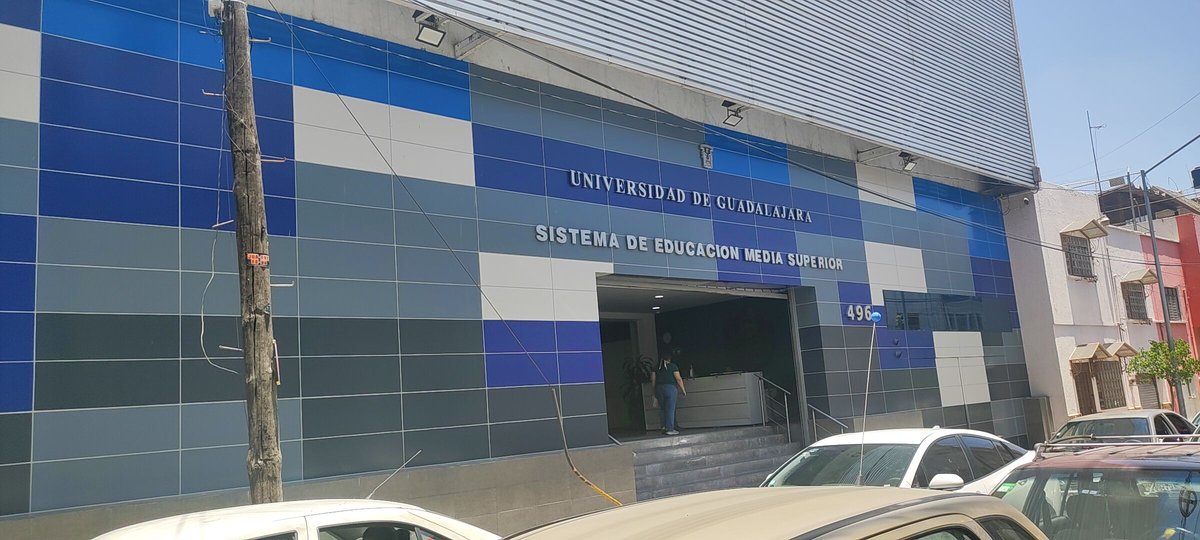
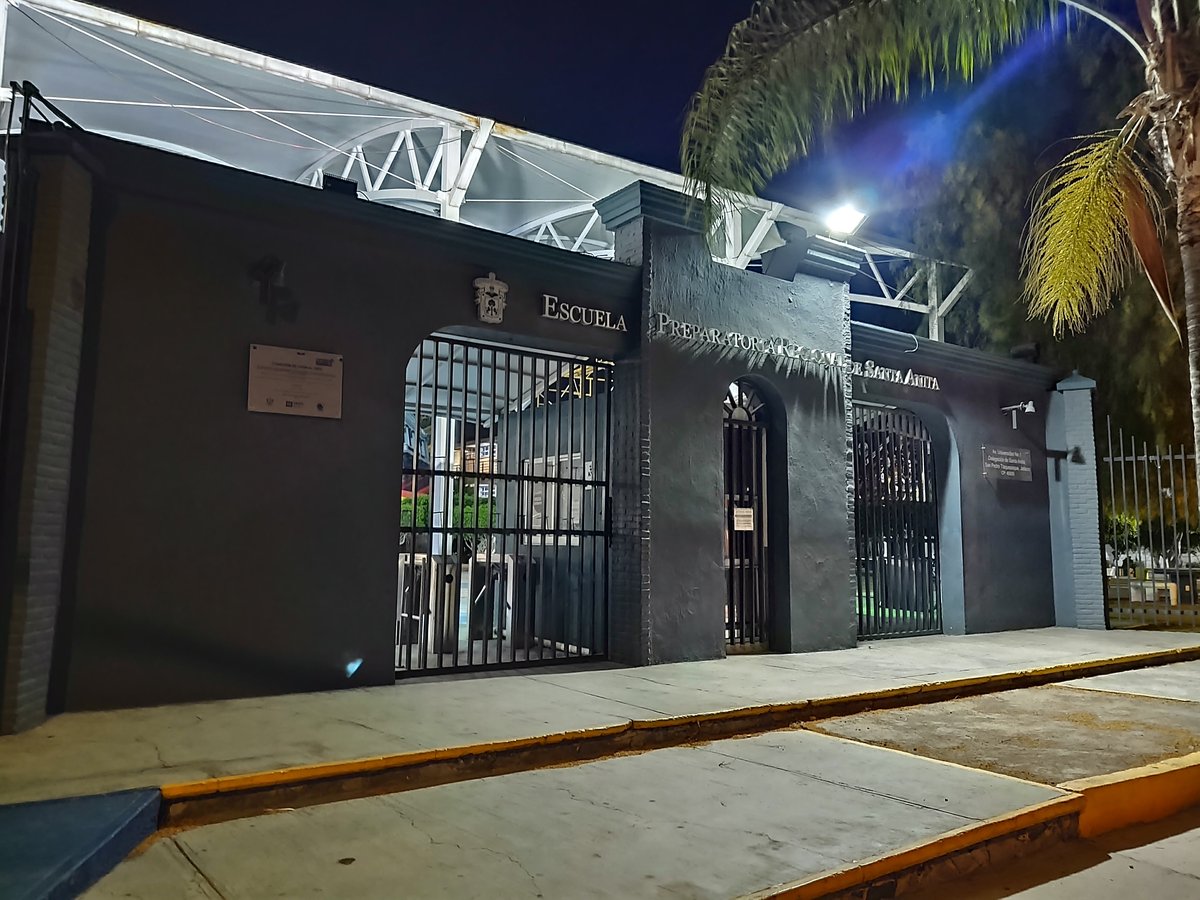
The University of Guadalajara (Universidad de Guadalajara, UdeG) is one of Mexico’s distinguished institutions, known for its academic, cultural, and architectural significance. It is the second-oldest university in Mexico and a landmark reflecting Guadalajara’s development from colonial times to the present. Its campuses, museums, and events may interest visitors drawn to history, architecture, and contemporary Mexican culture (inguadalajara.com; Wikipedia).
Centrally located in Guadalajara, the university is accessible by public transportation and close to historical and artistic attractions (Voyage Mexique).
History and significance
Origins and development
The university traces its roots to 1586 and was officially established in 1791 as the Royal and Pontifical University of Guadalajara. Its founding marked a milestone in the intellectual and cultural development of western Mexico. Its initial faculties were Arts, Theology, Law, and Medicine (Wikipedia; inguadalajara.com; guninetwork.org).
UdeG experienced closures and reformations, and reopened in 1925 after the Mexican Revolution. Its motto, “Piensa y Trabaja” (“Think and Work”), reflects its mission of intellectual and social advancement. Today it includes 14 university centers and a virtual university, serving a vast student body (Wikipedia; guninetwork.org).
Cultural and academic role
UdeG is closely connected to Guadalajara’s cultural life. It hosts the Guadalajara International Book Fair (FIL) and the International Film Festival (FICG), both of which draw international attention and participation (Kittiaroundtheworld; One Day Itinerary). The university has fostered talents including writer Juan Rulfo and muralist José Clemente Orozco (hollymelody.com; guninetwork.org).
The university offers 384 educational programs and is recognized for research excellence, ranking among the top universities in Latin America. Its research centers and international collaborations contribute to its academic standing (GoToUniversity). Accredited by ANUIES and SEP, UdeG has alumni who have contributed to the arts, science, and politics (GoToUniversity).
UdeG supports social inclusion and sustainable development through outreach programs serving local and international communities (UNITAR). Its diverse student population has access to university facilities and activities, and the institution welcomes international visitors (GoOverseas). The university is also embedded in Guadalajara’s urban and cultural fabric and supports the city’s development as a center of innovation and technology (Kittiaroundtheworld).
What to see
Historic and contemporary architecture
University buildings include restored colonial structures such as the ex-convents of San Agustín and Santa Clara, now used by the University Center for the Arts, Architecture, and Design (CUAAD). Their Baroque and Neoclassical features connect visitors with Guadalajara’s architectural past.
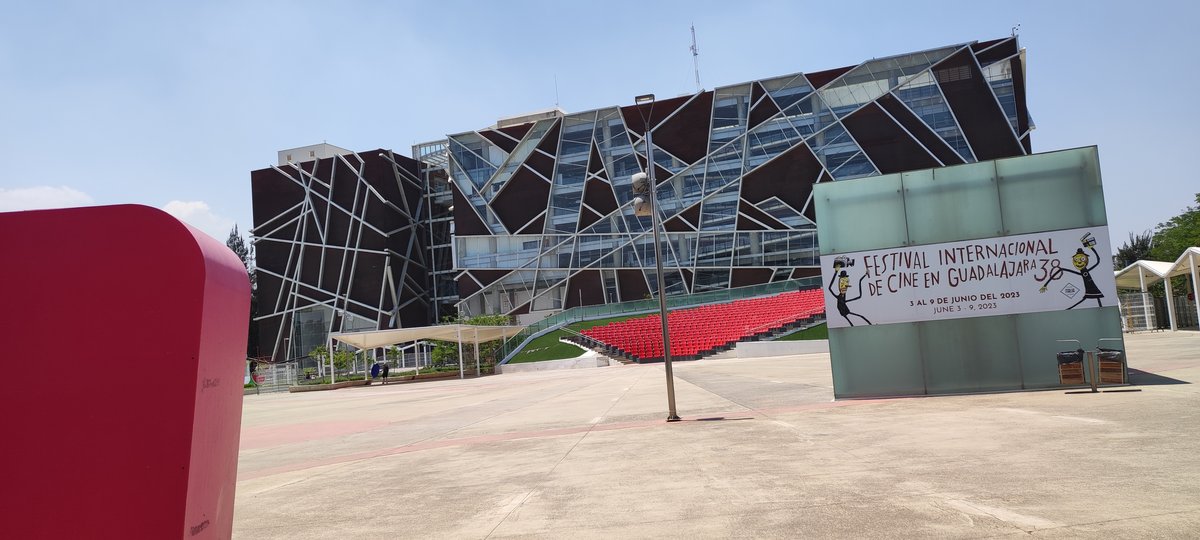
The university’s 20th-century growth brought modernist landmarks, including the Rectoría General and the Juan José Arreola Public Library. The CUAAD Huentitán campus combines contemporary design with its setting against the Huentitán Canyon (e-a-a.com). Across the campuses, renovated cloisters and preserved arches and courtyards sit alongside modern facilities, galleries, and studios.
Notable sites include:
- Rectoría General A modernist administrative building described as a symbol of the university’s forward-looking vision.
- Historic Rectory Building A Neoclassical landmark that hosts exhibitions.
- CUAAD Huentitán Campus Noted for contemporary design and scenic views.
- Ex-convent buildings San Agustín and Santa Clara, representing colonial heritage.
- Juan José Arreola Public Library A center for learning and culture.
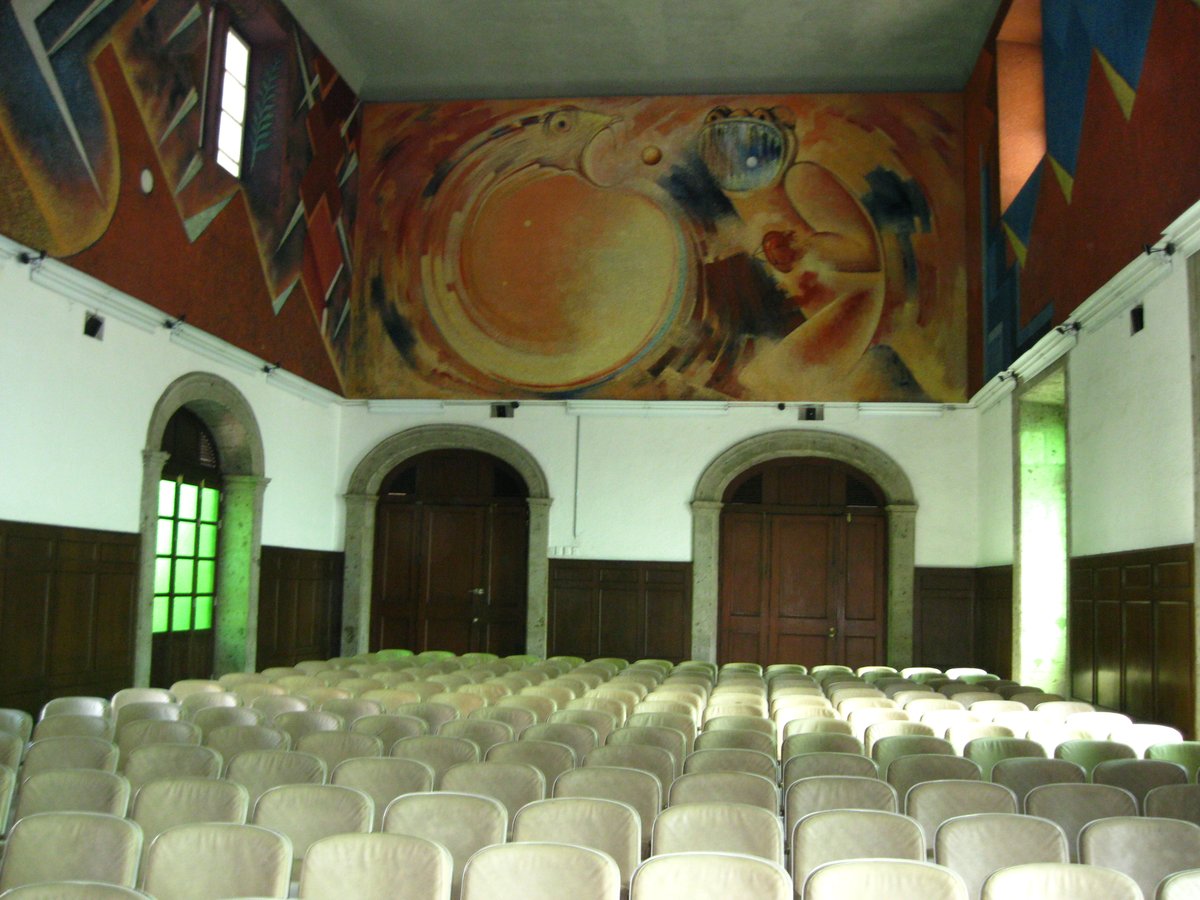
- Museo de las Artes (MUSA) Home to José Clemente Orozco murals and Mexican art collections, as well as contemporary exhibitions (MUSA).
- Gardens and plazas Green spaces for relaxation.
Orozco’s murals at the Hospicio Cabañas and MUSA add to the area’s artistic significance.
Events and festivals
- Guadalajara International Book Fair (FIL) Held in late November to early December, it is described as the world’s largest Spanish-language book fair (One Day Itinerary).
- Guadalajara International Film Festival (FICG) A major film event held each March.
- Other events Spring jazz and cultural festivals, student art exhibitions, and Día de Muertos celebrations (EDUopinions).
Practical visiting information
Hours and entry
- Most main campus buildings and museums, including MUSA, are open Tuesday to Sunday, 10:00 AM to 6:00 PM.
- Administrative offices and some academic buildings typically operate Monday to Friday, 9:00 AM to 6:00 PM.
- Museums and cultural centers are also listed as open Tuesday through Sunday, 10:00 AM to 6:00 PM.
- Hours may change for holidays or special events. Check the official UDG website for updates.
- Entry to public spaces and museums is generally free or low-cost. Most spaces are free; special events, including FIL or temporary exhibitions, may require tickets, available onsite or online.
Tours and visitor services
Cultural centers such as MUSA offer guided tours and educational workshops. Prospective students and academic visitors can request campus tours through university visitor services. Audio guides and brochures are available for self-guided visits.
Accessibility
Most main buildings and museums provide wheelchair access, and most modern buildings are accessible. Some historic sites may have limited accessibility. Visitors with special needs should contact the university in advance about accommodations.
Getting there
The university is accessible by metro, buses, Uber, and taxis. Parking is limited, and public transportation is recommended for convenience (Voyage Mexique).
Emergency contacts
- University main line: +52 (33) 3134 2222 (UDG official site)
- City emergency services: 911
Tips for visitors
- Best time to visit October–December, for major festivals and pleasant weather (One Day Itinerary).
- Safety The city center and university areas are generally safe; standard precautions apply (Ways of the World Blog).
- Language Spanish is predominant; English is used at large events.
- Food Campus cafeterias and nearby street vendors offer local cuisine (Dream Big Travel Far Blog).
- Wi-Fi Available in most university buildings.
- Inclusivity The university fosters an inclusive environment for LGBTQ+ and neurodivergent visitors and has student-led support networks (EDUopinions).
- Bookstores and souvenirs University bookstores sell books, academic materials, and souvenirs. During FIL, visitors can browse international literature and attend workshops.
- Photography and conduct Photography is generally permitted in public spaces, though restrictions may apply in galleries or during performances. Ask permission for personal photography. Dress appropriately in administrative and historic buildings, respect academic activities and events, and keep the campus clean.
Nearby places
- Teatro Degollado A Neoclassical theater with regular performances.
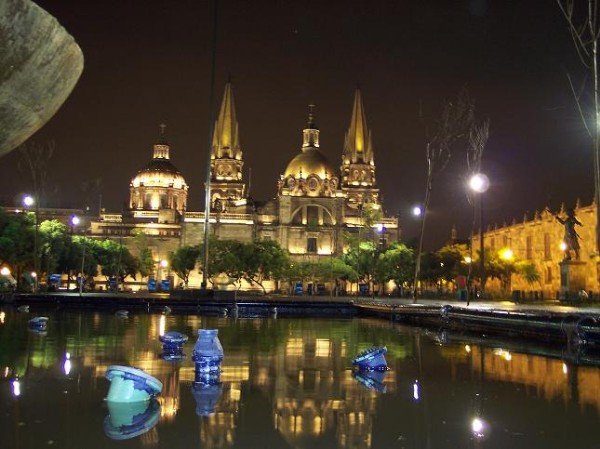
- Guadalajara Cathedral An iconic basilica in the heart of the city.
- Plaza de Armas A central square with colonial architecture.
These attractions are within walking distance or a short ride from the main campus.
FAQ
What are the University of Guadalajara’s visiting hours?
Most buildings and museums are open Tuesday–Sunday, 10:00 AM–6:00 PM. Administrative offices and some academic buildings typically operate Monday–Friday, 9:00 AM–6:00 PM. Check the official website for updates.
Are there guided tours?
Guided tours are offered at cultural centers such as MUSA. Academic tours for prospective students can be arranged.
Is there an entry fee?
Most spaces are free or low-cost; special events may require tickets.
When is the best time to visit?
October–December, for major events and comfortable weather.