1. Historical Background of Ávila Camacho in Guadalajara
Origins and Development
The Ávila Camacho district is named after President Manuel Ávila Camacho, whose tenure (1940–1946) marked a pivotal era of modernization and social reform in Mexico (mexicohistorico.com). Avenida Manuel Ávila Camacho, the main artery, connects vital neighborhoods and underpins commerce and transport.
Indigenous and Colonial Roots
Guadalajara was established in 1542 and shaped by indigenous communities such as Mezquitán, Tetlán, and Mexicaltzingo (indigenousmexico.org). Its multicultural foundation, forged by Spanish settlers, indigenous peoples, and Afro-descendants, still influences Guadalajara’s vibrant culture.
The Legacy of Manuel Ávila Camacho
President Ávila Camacho’s leadership during World War II brought about significant industrial and educational advances. His legacy is honored through public landmarks such as the Ávila Camacho metro station, a crucial node in the city’s light rail system (Wikipedia: Ávila Camacho metro station).
2. Cultural Significance and Urban Life
Connectivity and Urban Vitality
Ávila Camacho serves as a vital transportation corridor linking San Miguel de Mezquitán, La Normal, and Observatorio, with the metro station connecting Lines 1 and 3 and integrating multiple bus routes (Wikipedia: Ávila Camacho metro station). This connectivity fuels commerce and daily life for residents and visitors alike.
Public Spaces and Events
Parque Ávila Camacho, located in Lomas del Country, is a beloved urban park hosting cultural festivities such as Navidalia and Calaverandia (Tomaticket.es). The park’s inclusive design ensures accessibility for all, reinforcing its role as a community hub.
Identity and Community
The district’s infrastructure and public art symbolize unity and progress, reflecting Guadalajara’s evolving cultural identity. Its markets, cafes, and green spaces foster everyday connection and provide a venue for preserving local traditions.
Integration with the City’s Cultural Landscape
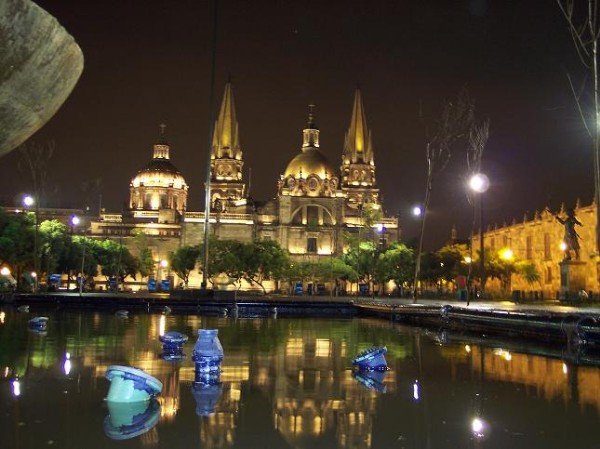
Ávila Camacho’s strategic location offers quick access to top attractions, including Guadalajara Cathedral, Mercado San Juan de Dios, Bosque Los Colomos, and shopping at Plaza Patria (TouristPlaces.Guide; Wikipedia: Plaza Patria metro station).
3. Visitor Information: Hours, Tickets, Accessibility, and Events
Visiting Hours
- Parque Ávila Camacho Open daily, typically from 7:00 AM to 6:30 PM, with extended hours for special events (trip.com).
- Ávila Camacho Metro Station Operational during standard city transit hours.
Tickets and Entry
- Park Entry Free for everyday visits.
- Event Tickets Required for festivals (e.g., Beer Festival, Fevino Wine Festival); prices vary (guadalajarasecreta.com).
Accessibility
- Wheelchair-friendly pathways, ramps, and accessible restrooms in the park (zonaguadalajara.com).
- Metro stations equipped with elevators and tactile paving for the visually impaired.
Getting There
- Public Transport Ávila Camacho metro station (Lines 1 and 3); bus routes along Av. Ávila Camacho.
- Car On-site parking available, but limited during events.
- Ride-sharing and Taxis Widely available, especially useful during festivals (guadalajara.cc).
4. Key Attractions and Activities
Parque Ávila Camacho
The park is the centerpiece of the neighborhood, featuring wide walking and jogging paths, outdoor gym equipment, basketball courts, and modern playgrounds. On weekends, local vendors offer snacks and artisanal goods, while regular community events—like outdoor movie nights and seasonal celebrations—draw crowds from across the city.
Street Art and Sculptures
Murals and public sculptures throughout Ávila Camacho celebrate Jalisco’s history and social themes. These artistic highlights provide excellent photo opportunities and are often featured in local art tours.
Local Markets and Artisan Shopping
Near Ávila Camacho, the artisan markets of Tonalá and Tlaquepaque are easily accessible, showcasing ceramics, glasswork, textiles, and more—offering an authentic taste of Jalisco’s craft traditions.
Culinary Delights
Signature dishes such as tortas ahogadas, birria, and tejuino are widely available from local eateries and food stalls in and around the park.
Outdoor and Recreational Activities
Cycling paths, yoga classes, group fitness events, and children’s playgrounds make the area ideal for active visitors and families. Bike rentals may be offered on weekends.
Proximity to Major Landmarks
Ávila Camacho is within easy reach of:
- Guadalajara’s historic downtown (Centro Histórico)
- Colonia Americana’s trendy galleries and nightlife
- Zapopan’s religious and commercial sites
Community Events
Annual festivals, pop-up markets, and celebrations of holidays like Día de los Muertos and Independence Day are regularly hosted in the park and surrounding areas.
5. Parque Ávila Camacho: Facilities, Safety, and Practical Tips
Facilities and Amenities
- Restrooms Accessible stalls throughout the park
- Seating Benches and shaded areas
- Wi-Fi Free internet in main areas (zonaguadalajara.com)
- Food and Drink Cafeteria and food stands, with expanded offerings during festivals (guadalajarasecreta.com)
- Water Fountains Available; reusable bottles encouraged
Safety
The park and neighborhood are considered safe, especially during daylight hours and organized events. Security staff are present during major festivals. As in any city, remain aware of your surroundings and secure personal belongings (howsafeismexico.com).
Event Tips
- Arrive Early For parking and the best event access
- Buy Tickets in Advance Festivals may sell out (guadalajarasecreta.com)
- Cash & Cards Both accepted, but carry cash for smaller vendors
- Hydration Drink water, especially during alcohol-focused events
- Ride-sharing Recommended if consuming alcohol
Practical Considerations
- Weather Warm and dry in spring/summer; sun protection and hydration are essential (zonaguadalajara.com)
- Footwear Wear comfortable shoes for extensive walking
- Dress Code Casual attire; modest dress for family or religious events
- Pets Dogs allowed on leashes; waste bags provided
Family and Group Access
Playgrounds, splash pads, and a pedal-boat lake make the park family-friendly. Group activities, like skating and fitness classes, are common.
Emergency and Health Services
First aid stations are available during large events. For emergencies, dial 911.
6. Hospicio Cabañas: A UNESCO World Heritage Site
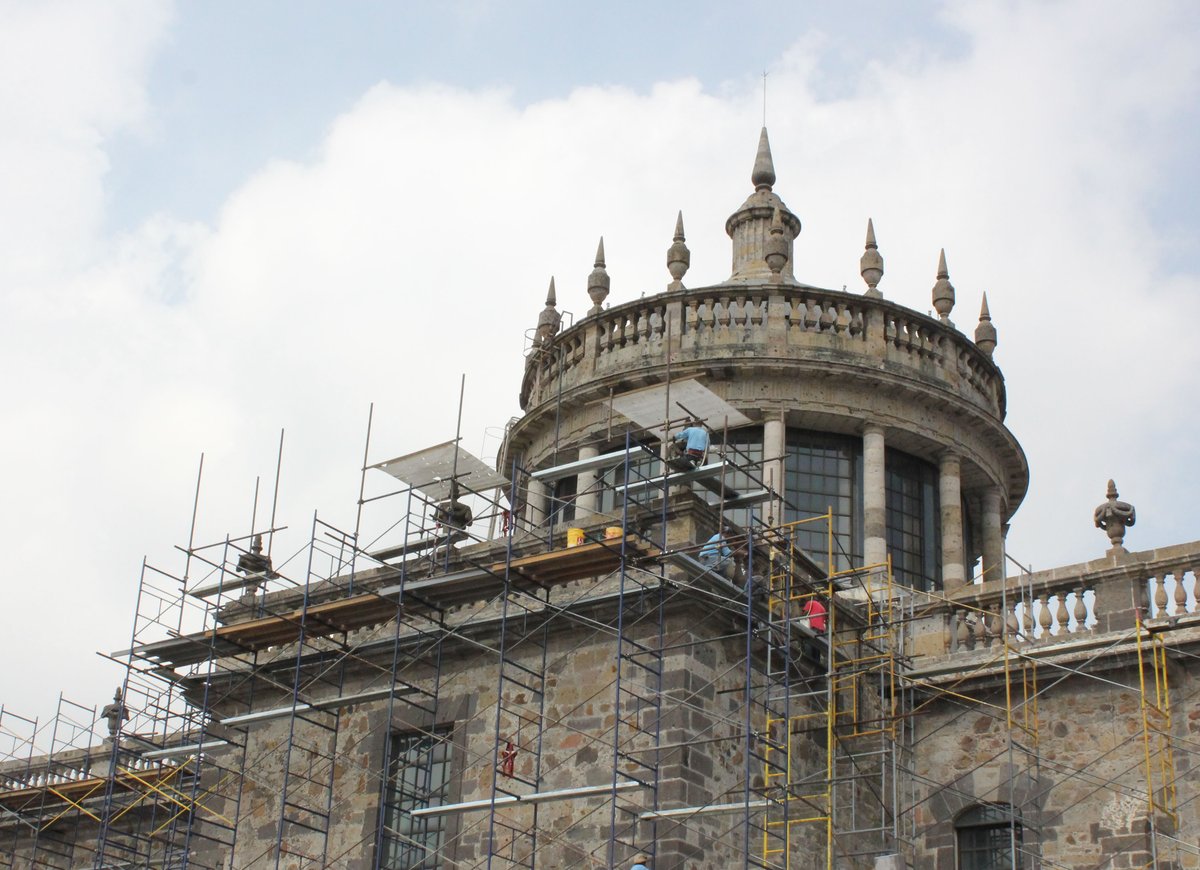
Located in the Ávila Camacho district, Hospicio Cabañas is a neoclassical masterpiece and UNESCO World Heritage Site (Hospicio Cabañas official). Designed by Manuel Tolsá, this 19th-century complex was originally a hospital and orphanage. It is now famed for José Clemente Orozco’s murals, including the iconic “Man of Fire.”
Visitor Information
- Hours Tuesday–Sunday, 10:00 AM–6:00 PM
- Tickets ~70 MXN for adults; discounts for students, seniors, and children; free on Sundays
- Accessibility Wheelchair accessible; guided tours and audio guides available
Nearby Cuisine and Experiences
Sample Jalisco specialties like tortas ahogadas and birria at nearby eateries. Explore artisan fairs, mariachi performances, and guided walking tours that start at Hospicio Cabañas and traverse the local area.
Responsible Tourism
Support local artisans and family-run restaurants to contribute positively to the community. Practice respectful and sustainable tourism habits.
7. Frequently Asked Questions (FAQ)
Q: What are the visiting hours for Parque Ávila Camacho?
A: Daily from 7:00 AM to 6:30 PM, longer during events.
Q: Is there an entry fee for the park or Ávila Camacho?
A: No; everyday park access is free. Event tickets are required for certain festivals.
Q: How do I get to Ávila Camacho by public transport?
A: Use the Ávila Camacho metro station (Lines 1 and 3) or nearby bus routes.
Q: Is the area accessible for disabled visitors?
A: Yes, both the metro station and park feature accessible infrastructure.
Q: Are pets allowed?
A: Dogs are welcome on leashes.
Q: Where can I buy festival tickets?
A: Online in advance or at the entrance, depending on the event.
Q: Are guided tours available?
A: Many city tours include stops in Ávila Camacho and at Hospicio Cabañas.
8. Summary and Final Tips for Visiting Ávila Camacho
Ávila Camacho is a living canvas of Guadalajara’s past and present—a district where history, culture, and community converge. From the leafy expanses and lively events of Parque Ávila Camacho to the monumental Hospicio Cabañas and the district’s vibrant food and art scenes, visitors can enjoy a rich, accessible, and unforgettable experience. With efficient public transport, free public spaces, and family-friendly amenities, Ávila Camacho stands out as a welcoming gateway to Guadalajara’s heritage and modern spirit (Tomaticket.es; zonaguadalajara.com; Hospicio Cabañas UNESCO).
Plan your visit using the Audiala app for real-time updates, event schedules, and travel insights.