Place
Mexico Updated Apr 2026
The first time you turn a corner in Guadalajara and hear a lone trumpet cutting through the late-afternoon light, you realize this city doesn’t just play mariachi — it breathes it. In Mexico’s second-largest metropolis, the smell of birria bubbling in century-old pots collides with the sharp scent of wet stone after rain on the cathedral steps, while somewhere nearby a vendor calls out tejuino like a secret password. Guadalajara surprises because it is both the polished guardian of Jalisco identity and a restless creative engine that refuses to be frozen in folkloric amber.
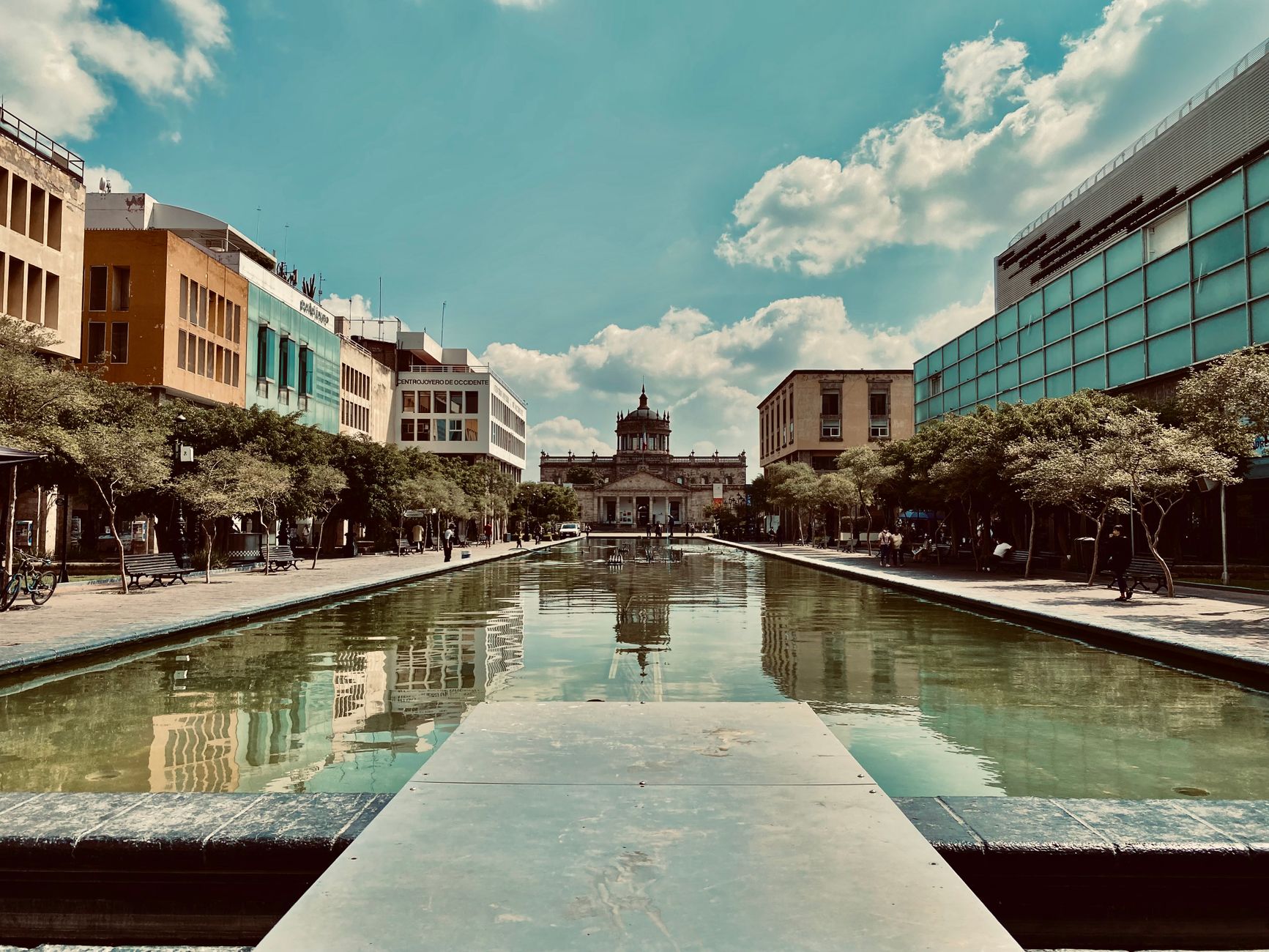 Photo: Luis Zotea / Pexels
Built from cited sources · see the method · How we make our guides →
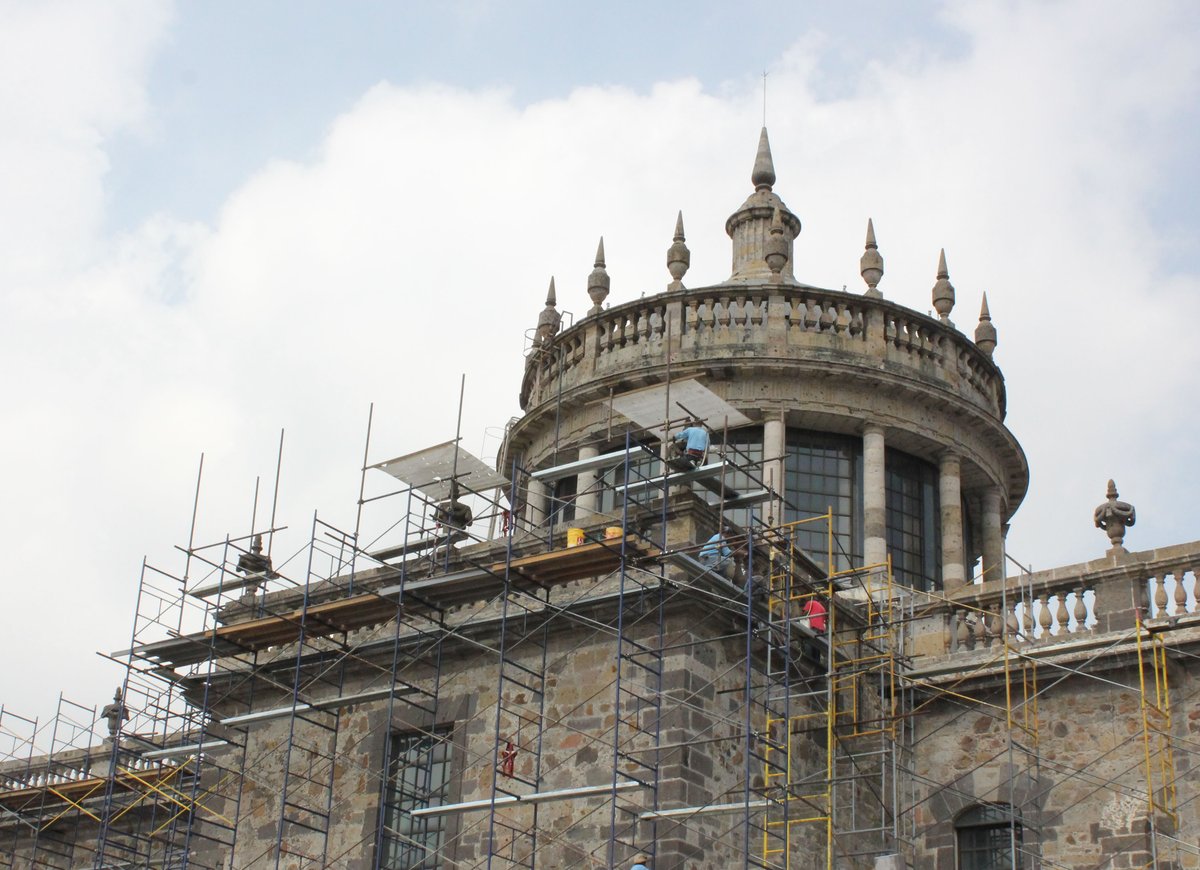
This is the place that gave Mexico its most enduring cultural exports — mariachi, tequila, the charro suit, tortas ahogadas — yet it treats them as living material rather than museum pieces. Walk through the Mercado San Juan de Dios and you’ll see three generations of the same family still arguing over the correct amount of sauce on a torta while Orozco’s furious murals burn on the walls of the nearby Instituto Cultural Cabañas, a UNESCO site that somehow still feels dangerous.
The city’s real character reveals itself in the traditional barrios that most visitors never reach: the tiled courtyards of Analco, the perpetual lunchtime buzz of Plaza de las 9 Esquinas, the unpretentious market life of Santa Tere where locals still go for the definitive carne en su jugo. These districts carry the tapatío soul more convincingly than any postcard plaza.
What ultimately changes how you see Guadalajara is understanding that it has always been both capital and rebel. The same streets that host the solemn Romería de Zapopan also contain one of Latin America’s most interesting contemporary art and design scenes, with new galleries, design shops, and experimental restaurants opening faster than guidebooks can track.
Not every monument, just the ones we'd walk you past ourselves.

Where to wander, by quarter — each with its own rhythm.
Before you go
Curated from places in this city. Same price as official sites.


Prices shown are indicative — final pricing and availability are confirmed at checkout. Audiala may receive a commission from bookings made via these links.
From indigenous valley to Mexico's defiant western heart
Long before Spanish banners appeared, the Atemajac Valley echoed with the lives of Coca and Tecuexe peoples. At Ixtépete and El Grillo, they raised temples, farmed maize, and left behind pottery and stone platforms that still whisper under modern neighborhoods. Their presence turned the valley into a living cultural crossroads centuries before the name Guadalajara existed.
Nuño de Guzmán planted the first fragile settlement of Guadalajara on 5 January at Nochistlán. It was less a city than a military camp carved out of conquered territory. Within a year it moved again, the first of four desperate relocations driven by indigenous resistance and unforgiving terrain.
Indigenous leaders including Tenamaxtli rose against Spanish enslavement and brutality. The barely-established settlement of Guadalajara came within a hair's breadth of annihilation. The war's violence seared itself into the city's origin story and forced the final, permanent move to the Atemajac Valley.
On 14 February the city took root for the fourth and final time in the Atemajac Valley. Local tradition remembers Beatriz Hernández refusing to flee, declaring the settlers would make their stand here. The name Guadalajara, borrowed from Nuño de Guzmán's Spanish hometown, was now permanently fixed to Mexican soil.
The Royal Audiencia and bishopric transferred from Compostela to Guadalajara, making it the undisputed political and religious heart of western New Spain. Suddenly a frontier outpost became an administrative powerhouse. Its authority stretched across vast territories that would later become Jalisco, Zacatecas, and beyond.
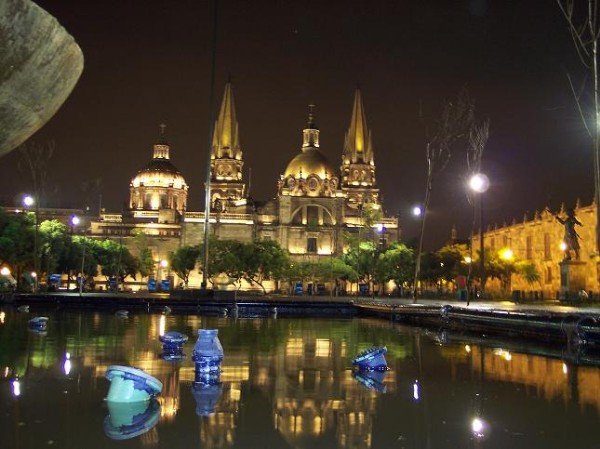
On 31 July, work started on the Catedral Metropolitana. Built on the site of an earlier parish church, its construction would stretch across generations, surviving fires and earthquakes. The cathedral became the city's most enduring visual signature and the physical expression of its new status.
A devastating fire tore through the unfinished cathedral just thirteen years after construction began. The damage was so severe that rebuilding efforts dragged on for decades. The disaster taught the young city that even its most sacred symbols were vulnerable.
The Royal University of Guadalajara welcomed its first students on 3 November. Established by royal decree the previous year, it quickly became the intellectual center of western Mexico. Its founding marked the city's transition from mere administrative capital to a place that shaped minds.
Miguel Hidalgo entered Guadalajara in late November and on 6 December issued his famous decree abolishing slavery and ending indigenous tributes. The city became a temporary insurgent capital and the printing press of El Despertador Americano spread revolutionary ideas across the region.
On 31 May a catastrophic earthquake collapsed the cathedral's towers and dome. The destruction was so complete that the iconic neoclassical towers we see today are entirely 19th-century replacements. The city spent decades healing its most visible wound.
Guadalajara became the official capital of the new sovereign state of Jalisco. After centuries as the seat of Nueva Galicia, it now governed itself within the Mexican federation. The transition was turbulent, marked by local rebellions and political uncertainty.
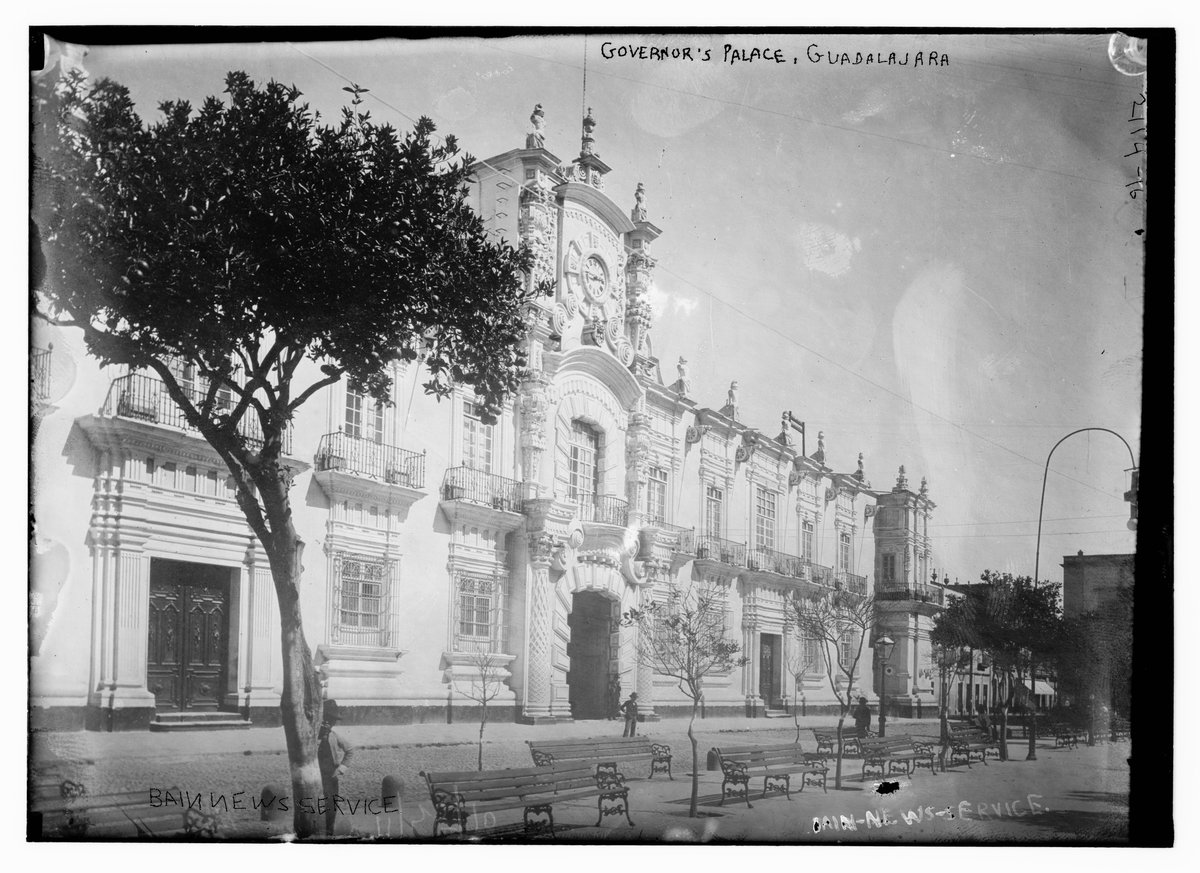
During the War of the Reform, Benito Juárez narrowly escaped assassination in the Palacio de Gobierno when Guillermo Prieto famously declared 'los valientes no asesinan.' The dramatic episode became one of the city's most cherished liberal legends.
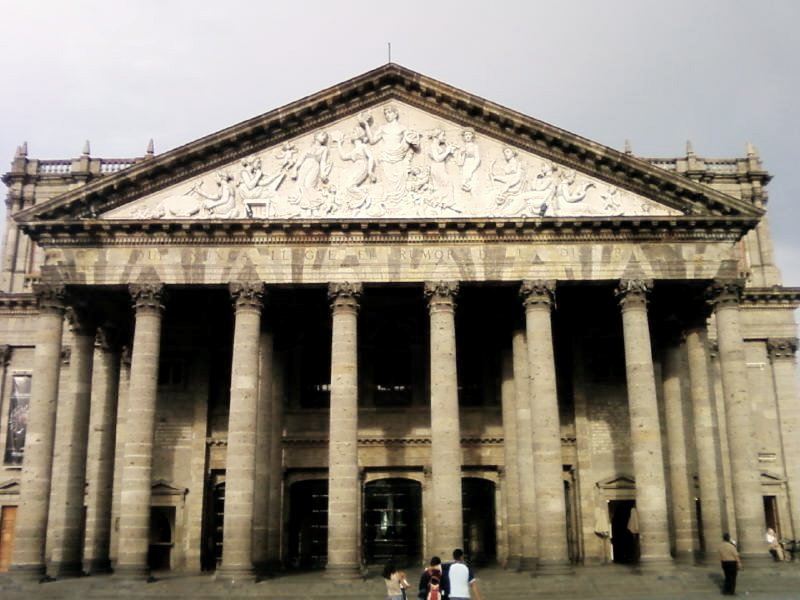
The grand Teatro Degollado was finally inaugurated after years of political interruption. Its neoclassical facade and lavish interior became the cultural heart of the city, hosting operas, plays, and revolutionary speeches for generations to come.
The future muralist was born in Zapotlán, but Guadalajara would become the canvas for his greatest works. His monumental frescoes in the Hospicio Cabañas and Government Palace would later define the city's 20th-century artistic identity.
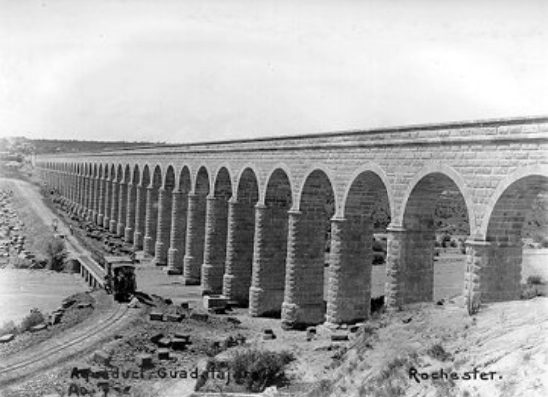
Engineers covered over the San Juan de Dios River in a massive urban modernization project. What had been an open, sometimes foul waterway became subterranean infrastructure. The project symbolized Porfirian ambition but erased a key piece of the city's sensory history.
On 3 August armed Catholics barricaded themselves inside the Santuario de Guadalupe and exchanged fire with federal troops. Jalisco became one of the bloodiest theaters of the Cristero War. The conflict left deep scars on both the city and the national psyche.
José Clemente Orozco began his masterpiece cycle of 57 murals inside the Hospicio Cabañas. The centerpiece, 'El Hombre de Fuego,' still burns on the dome with almost terrifying intensity. These works transformed the former orphanage into a UNESCO-listed shrine of Mexican muralism.
Guadalajara officially passed the one million inhabitant mark. What had been a regional capital was now Mexico's second-largest metropolis. The rapid postwar growth brought both industrial energy and the familiar growing pains of a city bursting at its colonial seams.
The University of Guadalajara launched the Guadalajara International Book Fair. What began as a modest event grew into the largest Spanish-language book fair in the world. It cemented the city's reputation as a major cultural capital of the Americas.
On 22 April a series of underground gasoline explosions ripped through eight kilometers of city streets. Over 200 people died, thousands were injured, and entire neighborhoods were obliterated. The disaster remains the darkest moment in modern Guadalajara's history.
The Instituto Cultural Cabañas, home to Orozco's greatest murals, was inscribed on the UNESCO World Heritage List. The recognition finally gave international stature to a building and an artist that had defined the city for decades.
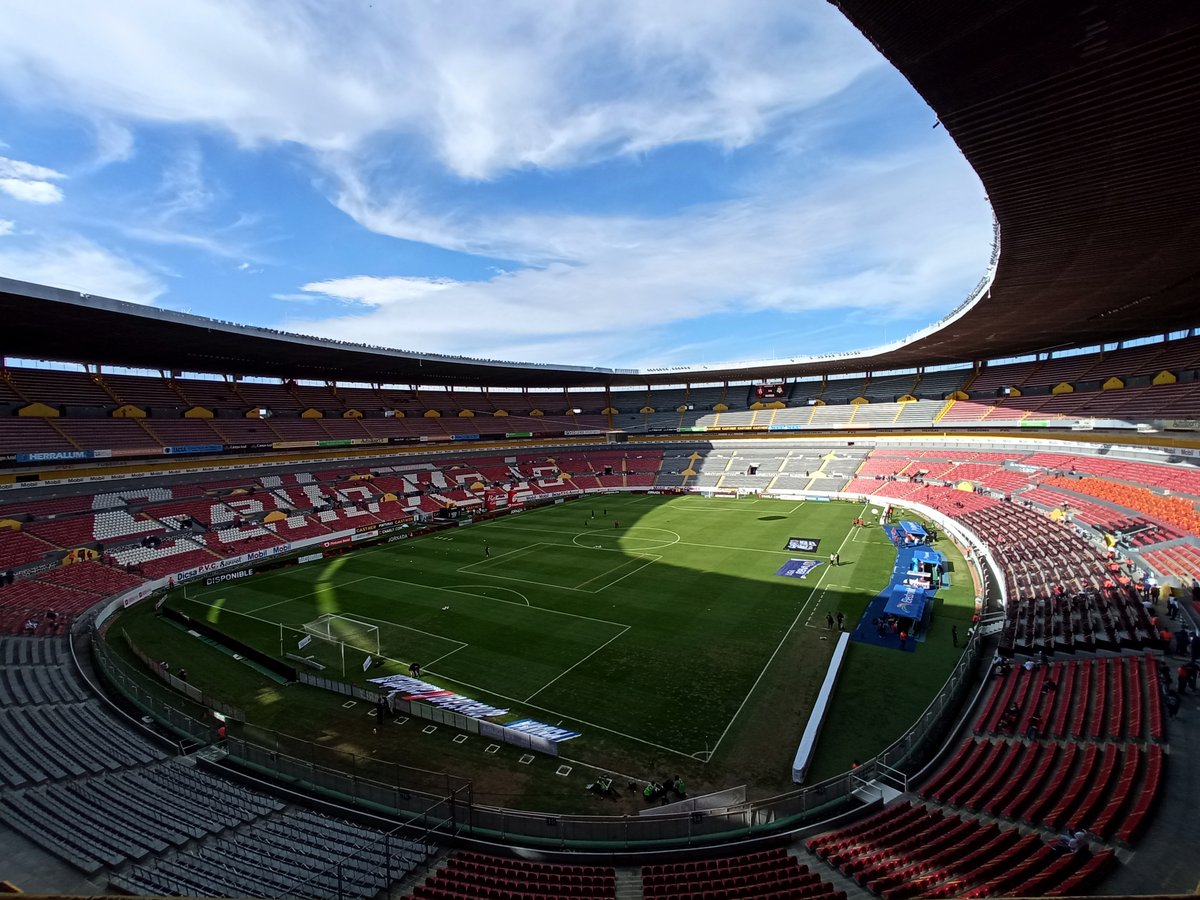
From 14 to 30 October, Guadalajara welcomed nearly 6,000 athletes from 42 nations. The city staged 361 events across 36 sports and showed the world a modern, efficient, and culturally confident face. New infrastructure from the games still serves the metropolis today.
UNESCO named Guadalajara World Book Capital for 2022. The city that had endured conquest, revolution, and catastrophic explosions now celebrated literature on the global stage, closing the circle from Hidalgo's insurgent printing press to a major literary metropolis.
On 15 December the new Line 4 of the light rail system began operations, connecting Tlajomulco, Tlaquepaque, and central Guadalajara. Over 800,000 passengers used it in its first month alone. The expansion marked another step in the city's long struggle with urban mobility.
Guadalajara prepares to host four matches during the 2026 FIFA World Cup, including Mexico's second group game on 18 June. The city that once barely survived indigenous rebellion and colonial wars now stands ready to welcome the world to its transformed metropolitan stage.
Muralist · 1883–1949
Created major works here 1930s
Orozco painted his most ambitious murals inside the Hospicio Cabañas, turning its chapel into a fiery indictment of colonialism and war. You can still stand beneath “The Man of Fire” and feel the weight of his rage and hope. Today the building is a UNESCO site, and locals quietly credit him with giving Guadalajara its artistic soul.
Architect · 1902–1988
Early work and studies in Guadalajara
Before becoming a Pritzker winner, Barragán designed the austere yet luminous Casa González Luna (now Casa ITESO Clavigero) in Guadalajara. The house’s hidden courtyard and precise light still feel radical. He would probably smile seeing how the city’s newer architects still quote his early experiments.
Where locals actually book dinner — not the tourist menus.
Small things that change how the city treats you.
The city, as it actually looks.


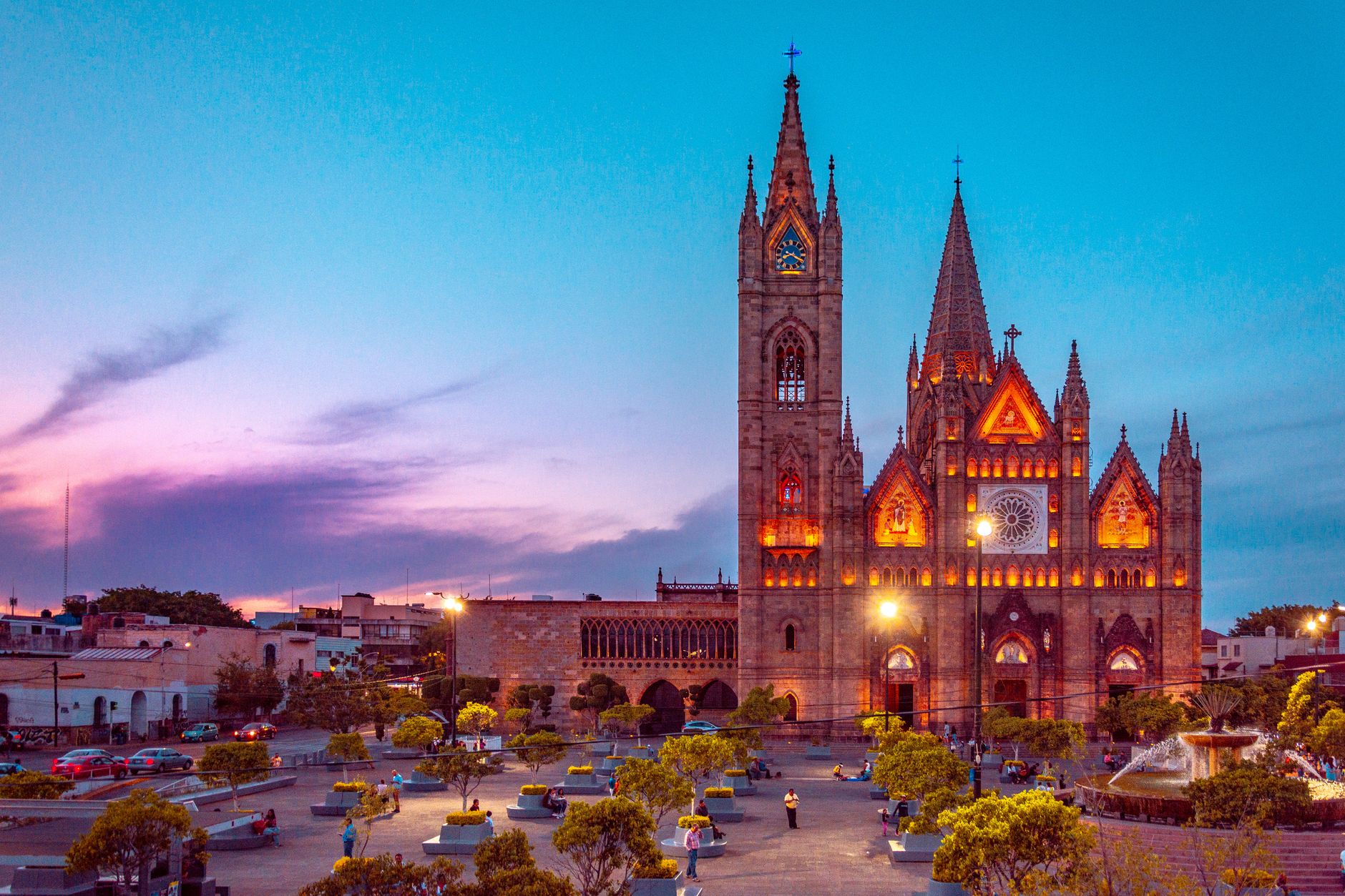
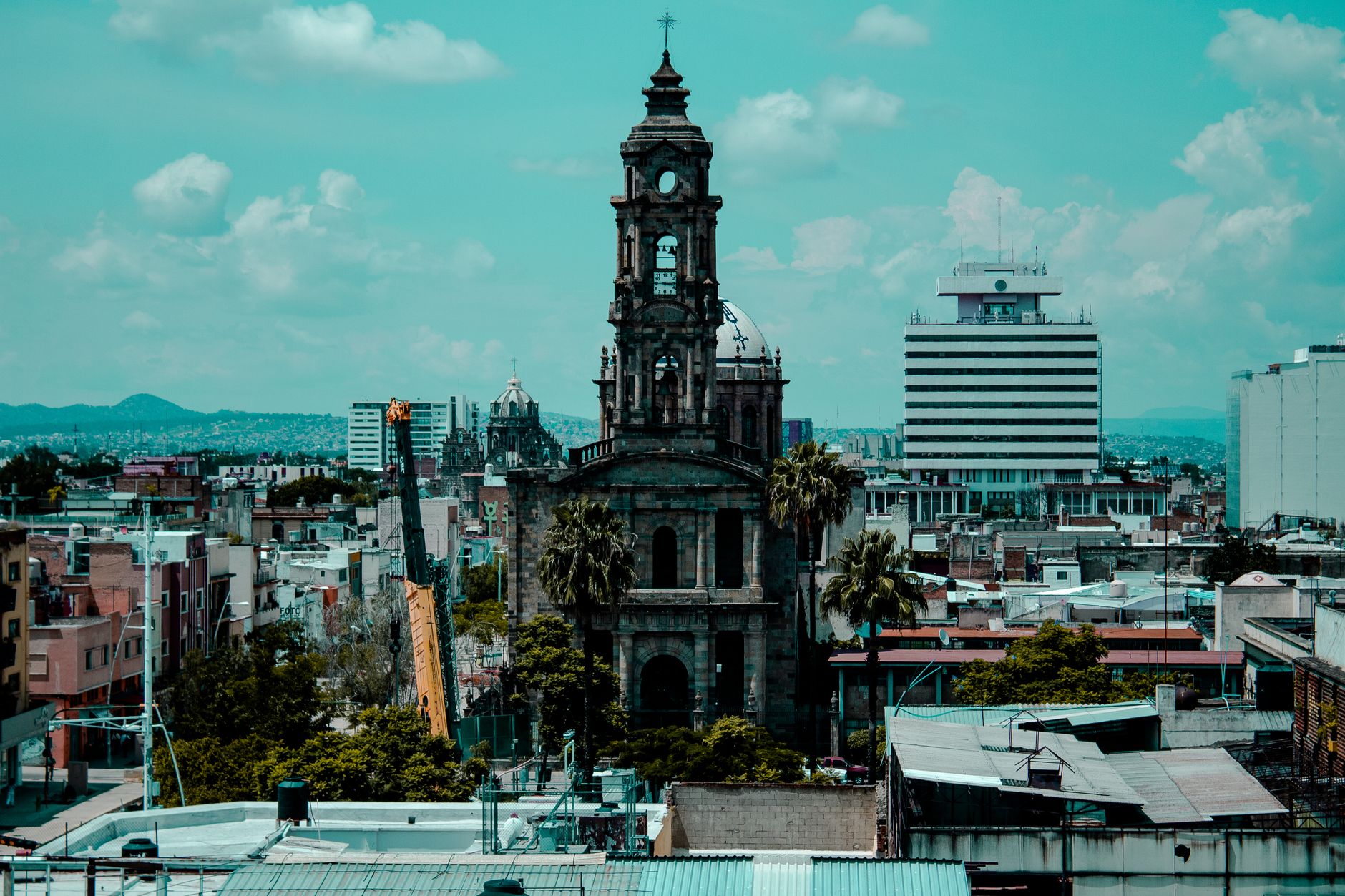
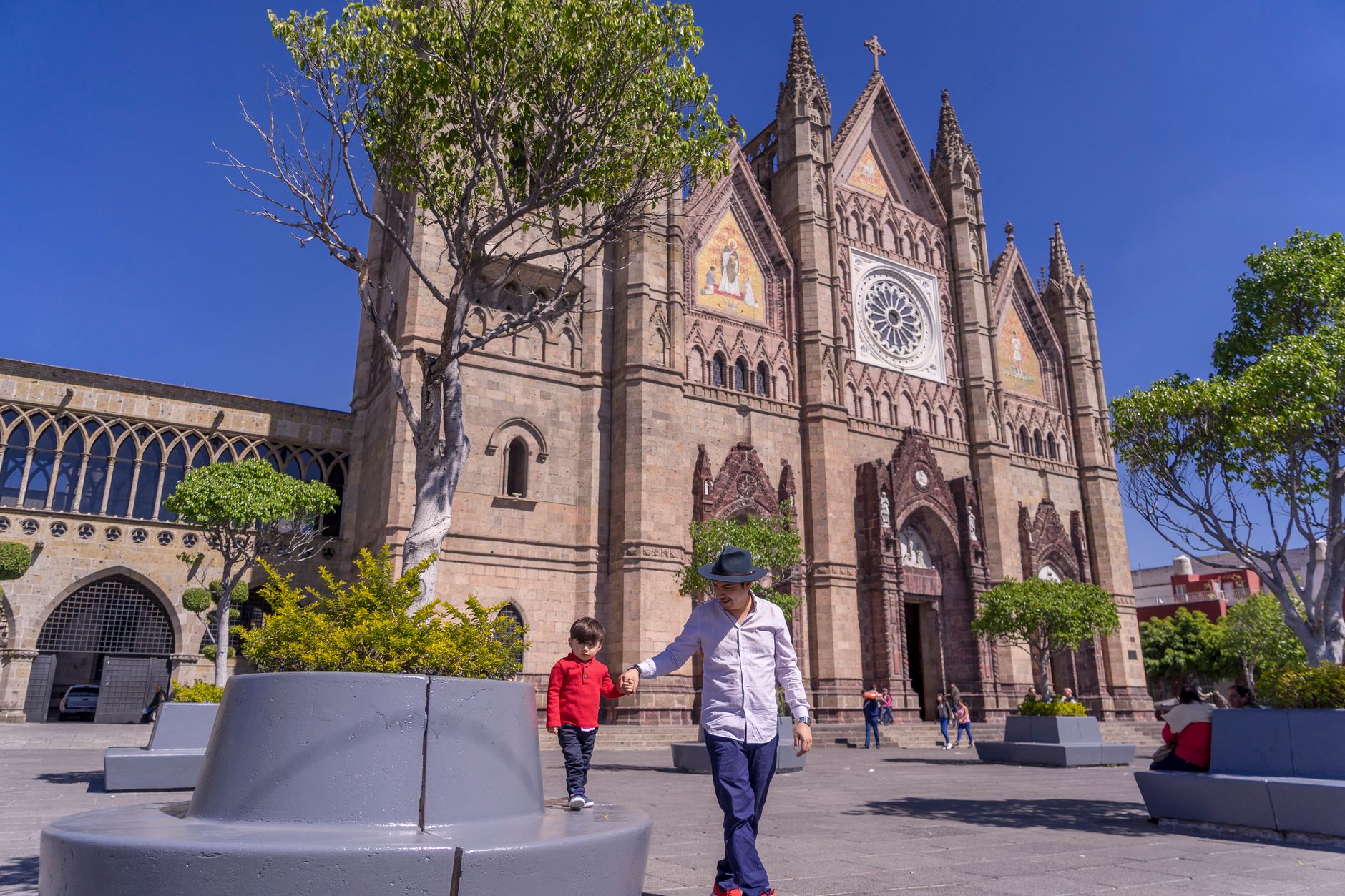

Yes, Guadalajara is worth visiting for its deep mariachi and craft culture, outstanding murals by Orozco, and genuine neighborhood life that feels different from Mexico City or Cancún. The historic center, Instituto Cultural Cabañas, traditional barrios like Analco and Santa Tere, and easy day trips to Tequila and Guachimontones give it real substance.
Plan 3–4 days minimum to cover the historic core, major museums, and one traditional barrio properly. Add a fifth day if you want a full day trip to Guachimontones or Tlaquepaque/Tonalá without rushing.
Take an official ATASA or ATA taxi from the ground-floor counters for MXN 450 to Centro (about 35 minutes). Public bus routes C98 and T13 also exist but require transfers; ride-hailing apps cannot pick up at the terminal.
Guadalajara is generally safe in tourist areas when using common sense. Use authorized taxis or apps at night, keep valuables secure in markets and transit, and avoid isolated streets after dark. The U.S. State Department notes no specific restrictions for the metropolitan area but reports occasional criminal clashes.
Buy a Mi Movilidad card and use the Mi Tren light rail (especially new Line 4) and Mi Macro BRT. MiBici bike-share works well for short central trips. Walking is best inside the cathedral-to-Cabañas pedestrian corridor.
The best time is November to February for dry weather and comfortable walking temperatures. April and May are hotter but still dry; avoid July if you dislike daily afternoon rains.
38 places to discover







Saved and recently read places — kept on this device only.
Photos may have been resized or cropped.