

Complete Guide to Visiting Kuantan, Malaysia
Publication Date: 16/08/2024
Introduction
Kuantan, the capital city of Pahang, Malaysia, is a captivating destination offering a rich blend of historical significance, cultural diversity, and natural beauty. This comprehensive guide aims to provide visitors with all the essential information needed to explore this fascinating city. Kuantan is known for its stunning beaches, vibrant local cuisine, and distinctive cultural landmarks, making it a must-visit for travelers seeking a unique experience. Whether you’re interested in historical sites, natural attractions, or culinary delights, Kuantan has something to offer for everyone. This guide will cover everything from the best visiting hours and ticket information to the top attractions and events you shouldn’t miss during your visit (Wikipedia, Incredible Asia, KL Foodie).



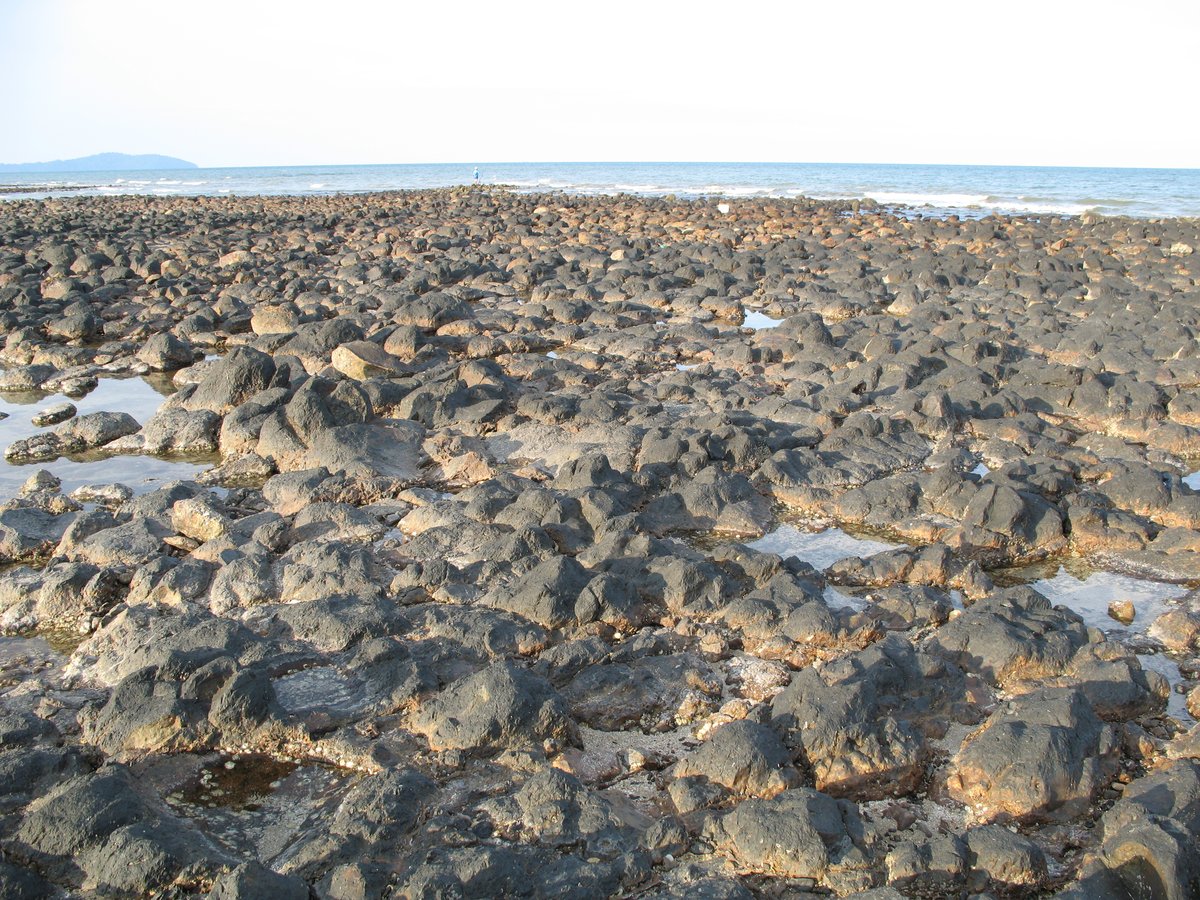





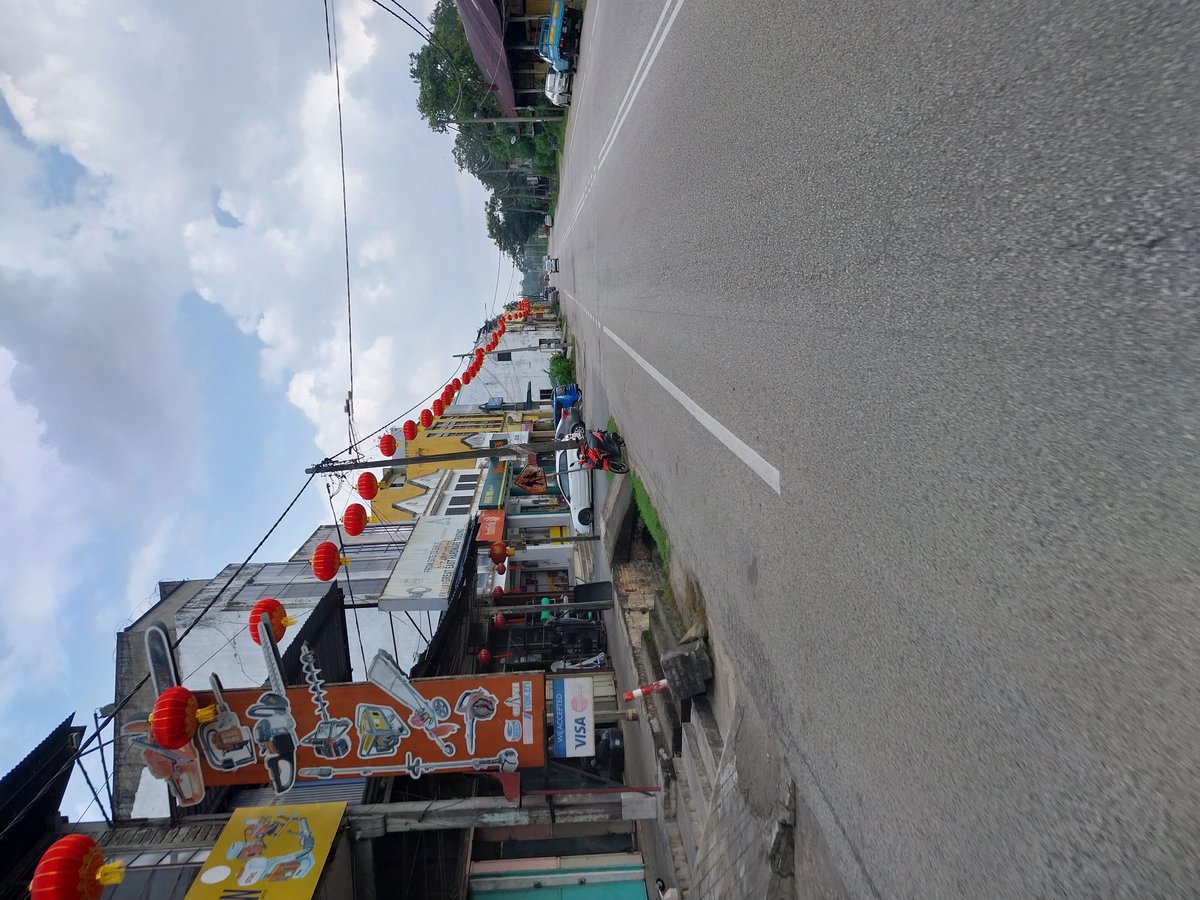

Table of Contents
- [History and Significance of Kuantan](#history-and-significance-of-kuantanhistory-and-significance-of-kuantan)
- [Early History](#early-historyearly-history)
- [Colonial Era and Economic Development](#colonial-era-and-economic-developmentcolonial-era-and-economic-development)
- [World War II](#world-war-iiworld-war-ii)
- [Post-Independence Development](#post-independence-developmentpost-independence-development)
- [Modern Era and City Status](#modern-era-and-city-statusmodern-era-and-city-status)
- [Visiting Hours and Tickets](#visiting-hours-and-ticketsvisiting-hours-and-tickets)
- [Sultan Ahmad Shah Mosque](#sultan-ahmad-shah-mosquesultan-ahmad-shah-mosque)
- [Teluk Chempedak Beach](#teluk-chempedak-beachteluk-chempedak-beach)
- [Sungai Pandan Waterfall](#sungai-pandan-waterfallsungai-pandan-waterfall)
- [Taman Negara National Park](#taman-negara-national-parktaman-negara-national-park)
- [Cultural and Culinary Significance](#cultural-and-culinary-significancecultural-and-culinary-significance)
- [Festivals and Celebrations](#festivals-and-celebrationsfestivals-and-celebrations)
- [Architectural Landmarks](#architectural-landmarksarchitectural-landmarks)
- [Natural Attractions](#natural-attractionsnatural-attractions)
- [Accessibility](#accessibilityaccessibility)
- [FAQ](#faqfaq)
- [Conclusion](#conclusionconclusion)
History and Significance of Kuantan
Early History
Kuantan has a rich historical tapestry that dates back to the first century when it was part of the Chih-Tu empire. By the 11th century, the region was conquered by the Pheng-Kheng empire before falling under Siamese control in the 12th century. The 15th century saw Kuantan becoming part of the Malaccan Empire, a significant period that influenced its cultural and economic development (Wikipedia).
Colonial Era and Economic Development
Towards the late 19th century, Kuantan experienced significant changes with the arrival of Chinese miners and traders. This influx led to the establishment of a township in Kuantan and nearby tin mining areas such as Gambang and Sungai Lembing. The tin mining industry played a crucial role in the economic development of the region. Additionally, rubber plantations attracted Indian settlers, further diversifying the population and contributing to the local economy (Wikipedia).
World War II
Kuantan holds a notable place in World War II history. On December 10, 1941, the sinking of HMS Prince of Wales and HMS Repulse occurred off the coast of Kuantan. This event marked a significant moment in the war, highlighting the strategic importance of the region (Wikipedia).
Post-Independence Development
The administrative center of Pahang was officially relocated to Kuantan from Kuala Lipis on August 27, 1955. This move marked a new era of development and modernization for Kuantan (Wikipedia).
Modern Era and City Status
Kuantan was declared a full-fledged city by Sultan Abdullah of Pahang on February 21, 2021. This declaration was a significant milestone, reflecting the city’s growth and development over the years. The town council was officially renamed the Kuantan City Council (MBK), marking a new chapter in its administrative history (Wikipedia).
Visiting Hours and Tickets
Sultan Ahmad Shah Mosque
- Visiting Hours: Daily from 9:00 AM to 5:00 PM
- Tickets: Free entry
Teluk Chempedak Beach
- Visiting Hours: Open 24 hours
- Tickets: Free entry
Sungai Pandan Waterfall
- Visiting Hours: Daily from 8:00 AM to 6:00 PM
- Tickets: MYR 2 per adult, MYR 1 per child
Taman Negara National Park
- Visiting Hours: Daily from 7:00 AM to 7:00 PM
- Tickets: MYR 1 per adult, MYR 0.50 per child
Cultural and Culinary Significance
Kuantan is widely famous for its exquisite beaches, delicious local cuisine, and distinctive cultural landmarks. The city offers a vibrant and clean environment with patches of beautiful greenery, giving it a revitalizing country vibe. The local cuisine is a blend of Malay, Chinese, and Indian influences, reflecting the diverse population that has settled in the region over the centuries (Incredible Asia).
Festivals and Celebrations
Kuantan hosts several festivals that reflect its rich cultural heritage. One of the notable events is the Pesta Kuantan 188, which features a lineup of international and local artists. This festival celebrates the birthdays of The Sultan of Pahang, Al-Sultan Abdullah Ri’ayatuddin Al-Mustafa Billah Shah, and his wife, Tengku Ampuan Pahang, Tunku Azizah Aminah Maimunah Iskandariah. The event includes food, family fun, music, sportsmanship, and craftsmanship, attracting thousands of festgoers (KL Foodie).
Architectural Landmarks
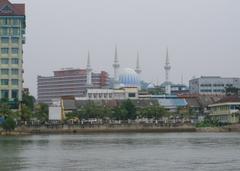
One of the architectural marvels in Kuantan is the Sultan Ahmad Shah Mosque. Named after Sultan Ahmad Shah, this mosque stands as a symbol of Islamic heritage in the city. It features intricate designs, stunning domes, and a serene atmosphere perfect for reflection (Agoda).
Natural Attractions
Kuantan is home to several natural attractions that draw tourists from around the world. Teluk Chempedak is a stunning beach known for its white sand, clear waters, and scenic rock formations. Sungai Pandan Waterfall, also known as Panching Waterfall, is another breathtaking natural attraction. Taman Negara National Park, one of the oldest tropical rainforests in the world, offers activities like jungle trekking, canopy walks, and river cruises (Agoda).
Accessibility
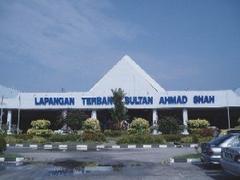
Kuantan is accessible from various parts of the world. There are daily flights from Singapore and Thailand to Kuantan’s Sultan Ahmad Shah Airport. For travelers from the USA or UK, a flight to Kuala Lumpur is required first. From Kuala Lumpur, domestic flights to Kuantan take approximately 45 minutes. Alternatively, a car journey from Kuala Lumpur to Kuantan takes about 4-5 hours, depending on traffic (Incredible Asia).
FAQ
What is the best time to visit Kuantan?
The best time to visit Kuantan is between February and September, as this period experiences the least amount of rain. The hottest month is May, with temperatures ranging from 25°C to 32°C (77°F to 90°F), while the coldest month is January, with temperatures between 23°C-29°C (74°F to 84°F) (JJ Bucket List Travellers).
Are there any special events in Kuantan?
Yes, one of the notable events is the Pesta Kuantan 188, which features international and local artists, food, family fun, music, sportsmanship, and craftsmanship.
How do I get to Kuantan?
Kuantan is accessible by daily flights from Singapore and Thailand to Sultan Ahmad Shah Airport. From Kuala Lumpur, you can take a domestic flight (approx. 45 minutes) or a car journey (approx. 4-5 hours).
Conclusion
Kuantan, with its rich historical tapestry, vibrant cultural scene, and breathtaking natural attractions, stands as a testament to Malaysia’s diverse and dynamic heritage. From the early days as part of various empires to its current status as a modern city, Kuantan offers a plethora of experiences for every type of traveler. Whether you’re keen on exploring historical sites like the Sultan Ahmad Shah Mosque, relaxing on the pristine beaches of Teluk Chempedak, or immersing yourself in the local festivals and culinary delights, Kuantan promises an unforgettable journey. The city’s accessibility and well-organized visitor amenities further enhance its appeal, making it a convenient and enjoyable destination for both domestic and international tourists. As you plan your visit, remember to consider the best times to travel, stay informed about local events, and make the most of the diverse attractions Kuantan has to offer. For more detailed information and updates, be sure to check out our related posts and follow us on social media (Wikipedia, Incredible Asia, Agoda).
References and Further Reading
- Wikipedia. (2024). Kuantan. Retrieved from Wikipedia
- Incredible Asia. (2024). Kuantan, Malaysia. Retrieved from Incredible Asia
- KL Foodie. (2024). Pesta Kuantan 188. Retrieved from KL Foodie
- Agoda. (2024). Discover Kuantan: Top 15 Must-Visit Tourist Spots for an Unforgettable Malaysian Getaway. Retrieved from Agoda