
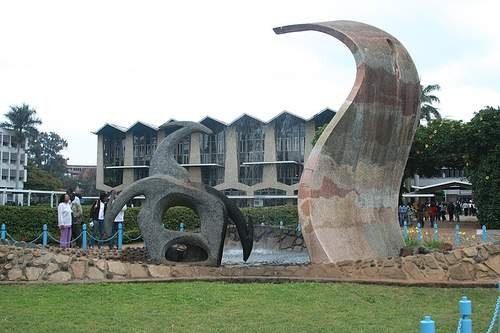
Welcome: University of Nairobi at a Glance
The University of Nairobi is not just an educational institution—it’s a historical and cultural landmark in Kenya’s capital. Whether you’re a tourist, a prospective student, or an academic, UoN offers a memorable visitor experience, blending academic excellence with a vibrant campus community and rich architectural heritage.
Brief History and Academic Heritage
Founded in 1956, UoN evolved from the Royal Technical College of East Africa, transitioning through various phases to become Kenya’s first national university. Its development is closely tied to the nation’s post-independence growth, and its campuses are home to landmark buildings, such as the Engineering and Science Complex, and memorials to Kenya’s academic and political leaders.
Campus Layout and Key Attractions
Main Campus
Situated along University Way in Nairobi’s Central Business District, the Main Campus is the university’s administrative and academic core, hosting the Colleges of Humanities, Social Sciences, Architecture, and Engineering.
Highlights:
- Jomo Kenyatta Memorial Library Kenya’s largest academic library, offering extensive print and digital resources.
- The Great Court A central gathering spot for student events and university functions.
- University of Nairobi Towers A modern architectural landmark offering panoramic city views.
Other Nairobi Campuses
- Chiromo Campus Lush, green setting; home to the College of Biological and Physical Sciences.
- Parklands Campus Near Nairobi’s diplomatic district; houses the School of Law.
- Kenyatta National Hospital Campus Adjacent to Kenya’s largest referral hospital; focuses on health sciences.
- Kenya Science Campus Specializes in teacher education and science.
- Lower Kabete & Kikuyu Campuses Offer programs in business, education, and research.
Regional Campuses
UoN also maintains campuses in Mombasa, Kisumu, Eldoret, Bungoma, and Embu, broadening its academic reach across Kenya.
Campus locations and maps are available here.
Visiting Hours & Admission Guidelines
- General Visiting Hours Monday–Friday, 8:00 AM to 5:00 PM.
- Weekends/Public Holidays Limited access; confirm availability before visiting.
- Admission Entrance to public campus areas is free. Some research centers or events may require advance permission or tickets.
- Visitor Check-In Bring identification and sign in at campus gates. For official visits, arrange appointments with the relevant university office.
Check for real-time updates on visitor information.
Guided Tours and Visitor Experiences
Guided tours can be arranged through the Public Relations or International Office. Tours typically feature:
- The historical Main Campus, including the Jomo Kenyatta Memorial Library and University Towers.
- Themed visits to faculties or research centers.
- Insights into the university’s pivotal role in Kenya’s independence and educational progress.
Advance booking is recommended, especially for group or academic tours.
Events and Educational Programs
- Cultural Festivals Celebrate Kenya’s diversity with music, dance, and cuisine.
- Public Lectures/Symposiums Hosted by leading institutes like the Institute of Diplomacy and International Studies (IDIS) and the Confucius Institute.
- Sustainability Initiatives Participate in university tree-planting days or community outreach events.
Check the university’s events calendar for the latest details.
Accessibility and Travel Tips
- Physical Accessibility Most new buildings are wheelchair accessible; older structures may have limited features. Contact the Dean of Students for support.
- Transport Easily reachable via matatus (minibuses), city buses, taxis, and ride-hailing services. Parking is limited; public transport is recommended.
- Health/Safety Campus security is robust, with dedicated personnel and clear safety protocols. Carry photo ID, remain aware of your belongings, and avoid restricted areas.
Photogenic Spots and Visual Highlights
- Jomo Kenyatta Memorial Library Impressive architecture and academic ambiance.
- The Great Court Lively scenes of student life, framed by historic buildings.
- University Towers Panoramic photography of Nairobi’s skyline.
- Campus Art and Murals Reflect Kenyan culture and student creativity.
- Upper Kabete Campus Known for its tranquil, green environment.
Nearby Attractions and Amenities
- Nairobi National Museum Kenyan history, art, and cultural exhibits.
- Kenyatta International Conference Centre (KICC) Iconic city views and events.
- Uhuru Park Popular urban park for relaxation and local activities.
- Local Cafes and Restaurants Wide range of affordable dining options near campus.
Practical Visitor Tips
- Best Visiting Time June, with mild weather (14°C–23°C) and lush landscapes.
- Dress Code Modest and respectful, especially in administrative areas.
- Connectivity Free Wi-Fi in most public areas; mobile data is widely available.
- Money Use ATMs in banks or malls; carry some cash for small purchases.
- Emergency Contacts Campus security department; in city emergencies, dial 999 or 112.
Frequently Asked Questions (FAQ)
Q: Is there an entrance fee to visit the University of Nairobi?
A: No, general campus access is free. Some events or special facilities may require tickets or permission.
Q: Can I join a guided tour?
A: Yes, guided tours are available by prior arrangement with the university’s Public Relations or International Office.
Q: Are visitors allowed to take photos?
A: Photography is permitted in outdoor and public areas. Always seek consent for photos of individuals or sensitive sites.
Q: Is the campus accessible for people with disabilities?
A: Most new buildings are accessible; some older buildings may be limited. Contact the Dean of Students for assistance.
Q: What transport options are available?
A: Matatus, city buses, taxis, ride-hailing apps, and some on-campus parking (mainly for staff).
Q: Are there food and drink options on campus?
A: Yes, several cafeterias serve affordable Kenyan and international cuisine.
Plan Your Visit Today!
Experience the intersection of history, education, and culture at the University of Nairobi. Whether you’re attending a public event, taking a guided tour, or exploring the campus’s lush gardens and striking architecture, you’ll gain unique insights into Kenya’s academic and national heritage.
Before you go:
- Visit the University of Nairobi Official Website for up-to-date visitor information.
- Download the Audiala app for maps, audio tours, and event notifications.
- Follow UoN’s social media channels for news and insider tips.
Visual and Media Suggestions
- Jomo Kenyatta Memorial Library (alt="Jomo Kenyatta Memorial Library, University of Nairobi")
- The Great Court (alt="The Great Court at University of Nairobi")
- University of Nairobi Towers (alt="University of Nairobi Towers skyline view")
- Campus art installations (alt="Art installations at University of Nairobi campus")
- Include a campus map and virtual tour links if available.