What the places are
Jomo Kenyatta University of Agriculture and Technology (JKUAT) is a university in Kenya focused on academic excellence, technological innovation, and agriculture. Its main campus and monument are in Juja, while its other campuses include locations in Nairobi CBD and Karen.
In Nairobi, the Jomo Kenyatta Monument and Statue honor Kenya’s first president. The sites offer visitors opportunities to learn about Kenya’s educational development and historical and cultural heritage.
History
JKUAT and the JKUAT Monument
Established in 1981, JKUAT grew from a small institution with 180 students to a university with over 35,000 learners by 2025. The JKUAT Monument in Juja commemorates this growth and the institution’s continuing work in research, technology, and the development of skilled professionals. It also represents Kenya’s commitment to education and socio-economic progress, and celebrates achievements in agriculture, engineering, and applied sciences.
Jomo Kenyatta Monument and Statue in Nairobi
The Nairobi monument honors Kenya’s first president and his role in the country’s independence and unity. It is a central site for tourists and local visitors, and is used for national celebrations and educational activities.
The statue was erected in 1971 near the Parliament Buildings in Nairobi’s CBD. It depicts Kenyatta with a traditional walking stick and stands as a symbol of unity and progress.
What to see
JKUAT Monument and campuses
At the JKUAT Monument, visitors can see:
- The main statue and surrounding symbolic sculptures
- Landscaped gardens featuring native Kenyan flora
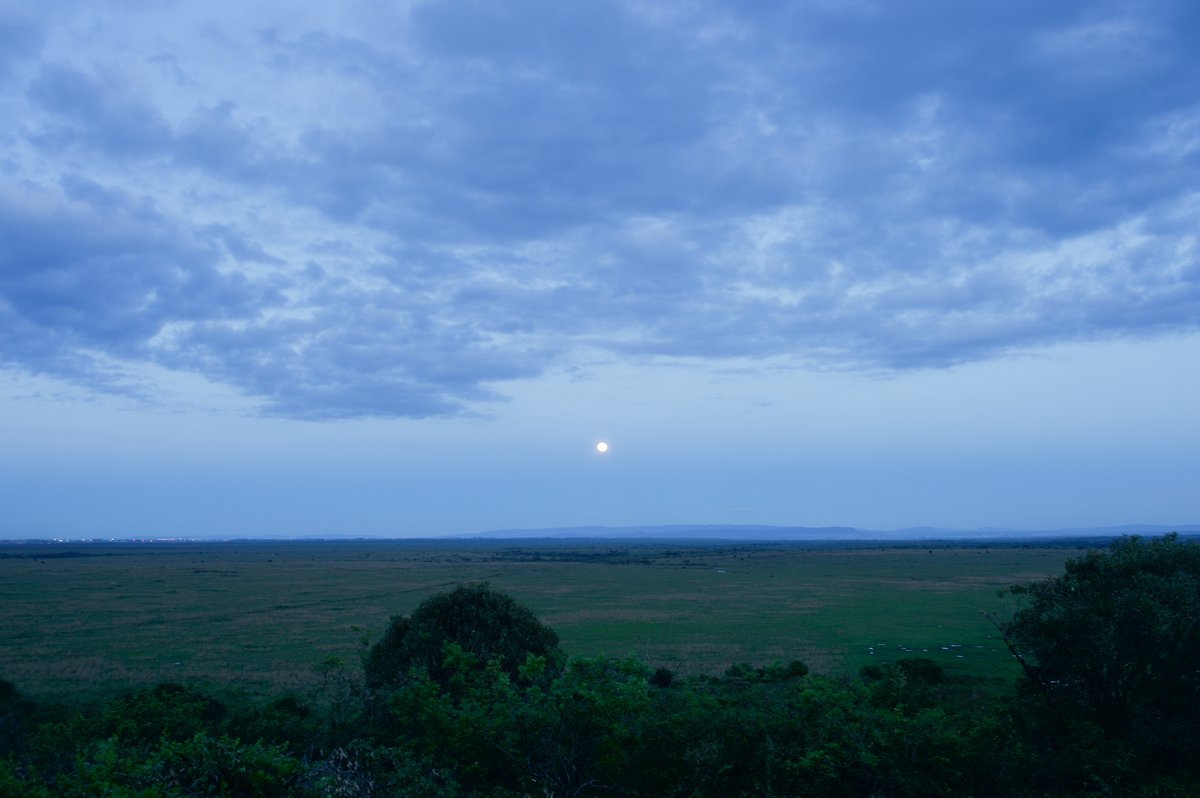
- Panoramic views of the Juja campus and nearby hills
The university’s campuses include libraries with digital and print resources, innovation hubs showcasing student startups and research, sports complexes with facilities for football, basketball, and other sports, and cafeterias offering diverse cuisine.
JKUAT cultural events include talent shows, Mr. and Miss JKUAT pageants, and sports festivals.
Nairobi monument and statue
Informational plaques at the statue provide information for self-guided visitors. Many Nairobi city tours include the statue and nearby landmarks, including the Nairobi Railway Museum and KICC.
Practical visiting information
JKUAT Monument
Opening hours
- Monday to Friday: 8:00 AM–6:00 PM
- Saturday: 9:00 AM–4:00 PM
- Sunday and public holidays: Closed
Tickets
- Adults: KES 200
- Students with ID: KES 100
- Children under 12: Free
- Group rates: Available on request
Tickets may be purchased at the entrance or reserved through the JKUAT Official Website.
The monument is in Juja, 36 kilometers northeast of Nairobi, and is accessible via the Thika-Nairobi Superhighway. Visitors can travel by private car, taxi, or local matatu services to Juja. Ample on-site parking is available.
The site is wheelchair accessible, with ramps, smooth pathways, accessible restrooms, and shaded resting areas for visitors with mobility needs.
Guided tours led by staff cover the university’s history and the monument’s significance. University anniversaries, educational workshops, and cultural festivals are scheduled periodically. Check the JKUAT events page or JKUAT social media for updates.
JKUAT campuses
JKUAT operates several campuses:
- Main Campus (Juja) 36 km northeast of Nairobi and the central hub of university life (The Kenya Times).
- Nairobi CBD Campus JKUAT Towers, 14th Floor, in the city center (JKUAT Nairobi CBD Facebook).
- Karen Campus On Bogani Road in the Karen suburb (Business Radar).
The campuses are accessible by public transport, ride-hailing services, or private vehicle, and secure parking is available.
Visiting hours and entry
- Weekdays: 8:00 AM–5:00 PM
- Weekends: Access limited to special events
Visitors should register for a visitor pass at the main entrance. General visits are free, although events may require tickets. Photography is permitted in most public spaces; restricted areas require specific permission.
Guided campus tours are available for prospective students, collaborators, and cultural groups. Contact the university in advance about group tours, workshops, or event attendance.
Nairobi monument and statue
Opening hours: Daily, 8:00 AM–6:00 PM.
The Nairobi monument’s listed ticket prices are free for Kenyan citizens and KES 200 for international visitors. The statue is also described as a free public space; guided tours may have fees.
Guided tours are available daily at 10:00 AM and 3:00 PM. Advance booking is recommended during busy seasons. Check for special ceremonies that might restrict access.
The site is in central Nairobi and is approximately 10 kilometers from the city center. It can be reached by public transit, taxi, or ride-hailing services. The Nairobi CBD is well served by public transport.
The site has ramps and accessible parking, and assistance is available for visitors with disabilities on request. The statue has paved walkways, with public restrooms nearby. Secure parking is provided.
For current information, visit the Kenya Tourism Board or contact the monument’s visitor center. Event hosting requires permission from Nairobi city council; contact the monument’s office for details.
Tips
- JKUAT Monument weekdays are less crowded than weekends.
- Bring sun protection, as some areas are exposed; wear comfortable shoes and carry water. Check the weather forecast before visiting.
- At JKUAT campuses, dress modestly in smart-casual clothing, use ride-hailing apps for convenience, and request Wi-Fi access at reception.
- At the Nairobi monument and statue, wear comfortable walking shoes, be respectful during ceremonies, visit on weekdays for fewer crowds, and check official channels for event updates.
- For the Nairobi statue, visit during daylight, keep valuables secure, and use reputable transport options. Early mornings or late afternoons are suggested for photography and fewer crowds.
Nearby places
Near JKUAT
- JKUAT Main Campus Explore the academic environment and facilities.
- Juja Town Market Experience local culture and cuisine.
- Thika Falls A scenic natural site approximately 20 kilometers from Juja.
- Near Karen Campus, visitors can also visit the Karen Blixen Museum and Giraffe Centre.
Near the Nairobi monument and statue
- Parliament Buildings
- Nairobi Railway Museum
- Kenyatta International Conference Centre (KICC)
- Nairobi National Museum
- Uhuru Park
Numerous cafés and restaurants are within walking distance of the statue. Kiosks at the monument entrance sell souvenirs and refreshments.
FAQ
JKUAT Monument
Is photography allowed?
Yes, but drone use requires prior permission.
Are refreshments available?
Yes. A café on site provides snacks and drinks.
Can private events be organized at the monument?
Yes, with prior arrangement through the university’s events office.
Is the monument suitable for children?
Yes. It has educational displays and open spaces.
JKUAT campuses
Can I take photographs on campus?
Yes, in public areas. Restricted zones require permission.
Are visitor accommodations available?
On-campus hostels are for students, but nearby hostels such as Mirvins accommodate visitors.
How do I book a guided campus tour?
Contact the university’s administrative office in advance.
Nairobi monument and statue
Is there an entry fee?
The monument lists free entry for Kenyan citizens and KES 200 for international visitors. The statue is described as a free public space; guided tours may have fees.
When is the best time to visit the statue?
The listed visiting hours are 8:00 AM–6:00 PM. Mornings or late afternoons are suggested for photography and fewer crowds.
Is the site accessible for wheelchairs?
Yes. It has ramps and paved paths.
Can I take photographs?
Yes, in all public spaces.
Are guided tours available?
Yes, through several city tour operators.
Is parking available?
Yes. Secure parking is provided.
Are there shops or cafés nearby?
Yes. Kiosks at the entrance sell souvenirs and refreshments.
Can I host an event at the monument?
Permission from Nairobi city council is required. Contact the monument’s office for details.
JKUAT contact information
- Main Campus P.O. Box 62000 – 00200, Nairobi, Kenya; Tel: 067-5870001-5, 0709715815; JKUAT Official Website
- Karen Campus Email: [email protected]; Phone: +254 790 939 404 (Business Radar)
- Nairobi CBD Campus 14th Floor, JKUAT Towers (JKUAT Nairobi CBD Facebook)