What Multimedia University of Kenya is
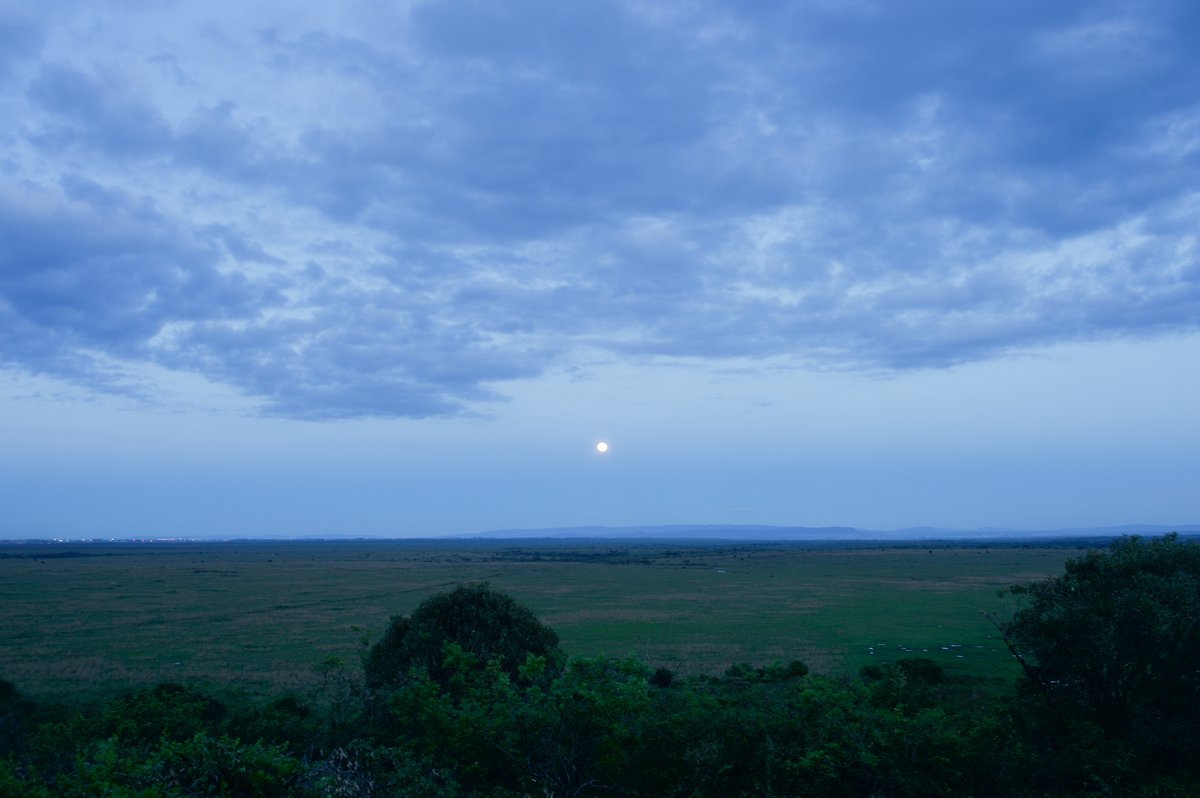
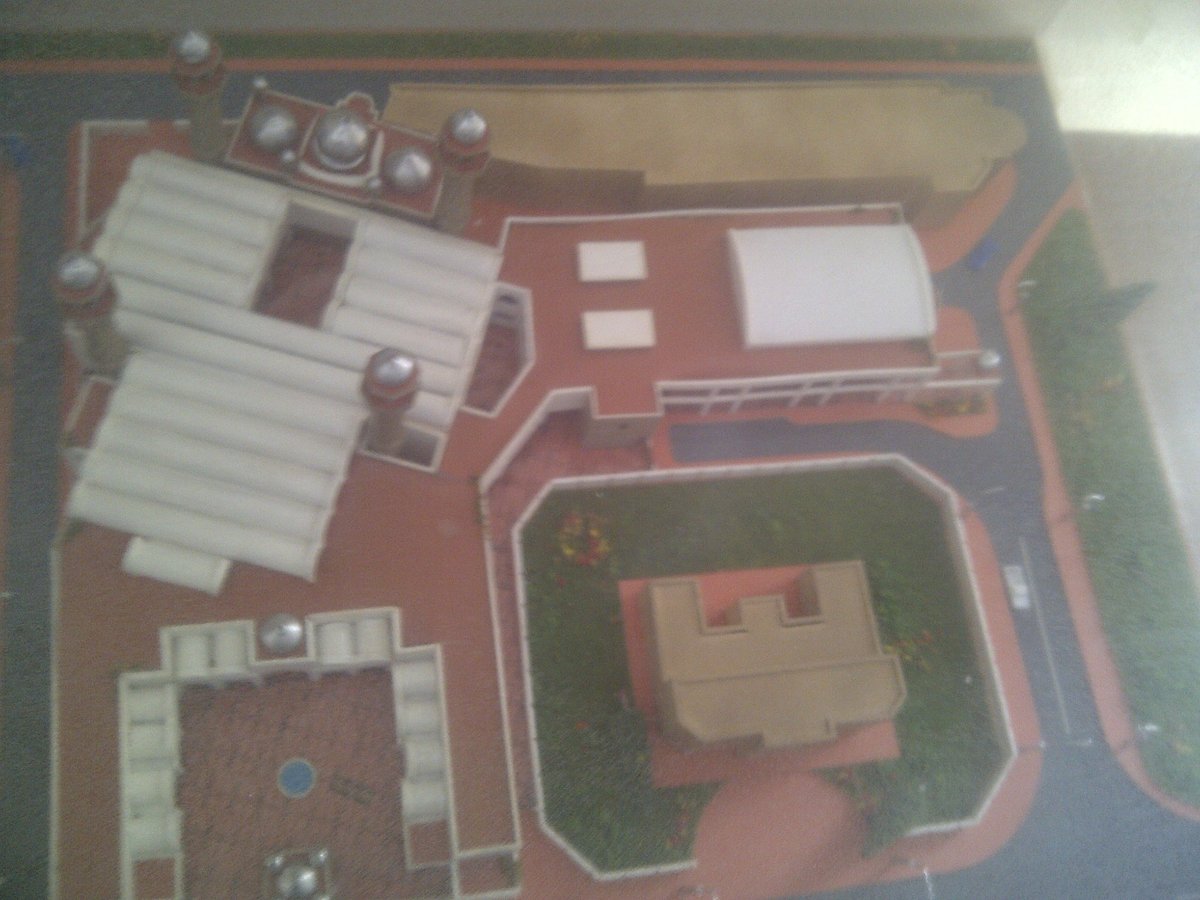
Multimedia University of Kenya (MMU) is in the Karen area of Nairobi, alongside Nairobi National Park. Its main campus covers approximately 76 hectares and is about 20–25 km southwest of Nairobi’s city centre, close to Ongata Rongai. The Nairobi CBD Campus is at Uniafric House (MMU Campus; Student Portal News; MySkuulKenya).
MMU is a university focused on ICT, media, engineering, and business. Its campus includes modern lecture halls, laboratories, multimedia production studios, student amenities, and event spaces. A major visitor attraction is the MMU ICT Museum, which presents the history of telecommunications and information technology in East Africa.
For general information, consult the MMU Official Site, the MMU ICT Museum profile, the Nairobi National Museum Visitor Guide, and Lonely Planet Kenya Tips.
History
Established in 2009, the MMU ICT Museum is described as East and Central Africa’s premier institution dedicated to the history of information and communications technology. Its mission is to “discover, interpret, and disseminate knowledge about seismic shifts in the information age through immersive experiences.” The museum serves students, researchers, tourists, and school groups (Museu.ms ICT Museum).
MMU also has a historical connection to Kenya’s postal and telecommunications sector, reflected in the presence of Mbagathi Post Office on campus. The university’s heritage in communications technology is also represented in its media facilities and museum collections (Paukwa History).
What to see
Campus facilities
MMU’s academic facilities support teaching, research, and practical skills development (MMU Facilities). The campus is adjacent to Nairobi National Park and offers a setting for study and leisure (MMU About Us).
- ICT and engineering laboratories Hardware and software for hands-on learning in telecommunications, computer science, and engineering.
- Multimedia studios Radio, television, and film production spaces.
- Science laboratories Facilities for practical physics and chemistry sessions.
- Library Print and digital collections, including e-books and academic journals, as well as quiet and group study areas. E-learning platforms and online databases are available to on-campus and remote learners.
- Student amenities Secure student hostels, an on-site medical health centre, fitness club and gym, laundry services, printing press, and Mbagathi Post Office (MMU Facilities).
- Conference and event spaces Conference halls and clubhouses used for academic, corporate, and social events.
- Outdoor spaces Lawns, tree-lined walkways, and green open areas. The proximity to Nairobi National Park allows for occasional wildlife sightings (Paukwa History).
MMU ICT Museum
The museum’s collections cover several areas of communications and technology:
- Postal and philatelic history Rare stamps, historic postal equipment, and stories about mail as a primary mode of communication.
- Telephony Classic telephones and switchboards tracing the transition from analog to digital systems.
- Radio and broadcasting Historic transmitters, receivers, and memorabilia from Kenya’s broadcasting history.
- Computing Early computers, storage devices, and peripherals charting the digital revolution.
- Film and media Multimedia artifacts reflecting MMU’s role in media education.
- Mobile phones The development of mobile technology, from early models to modern smartphones.
Photography is encouraged in many areas. The museum and its surroundings offer subjects spanning technology and nature.
Practical visiting information
Hours and admission
The available information gives two different schedules for the ICT Museum:
- One listing gives Monday to Friday, 8:00 AM to 5:00 PM, and advises confirming hours for weekends and holidays.
- Another gives Tuesday to Saturday, 9:00 AM to 4:00 PM, with the museum closed on Sundays and public holidays.
The campus is listed as open Monday–Friday, 8:00 AM–5:00 PM, with weekend visits by arrangement.
Campus entry is free. The museum is described as having affordable rates, with discounts for students and groups; tickets may be purchased at the entrance or reserved in advance. Another listing gives admission as KES 200 for adults and KES 100 for students and school groups (MySkuulKenya). The museum accepts M-Pesa, bank transfer, and cash (Kenya Education Guide). Guided museum tours are available on request, and campus tours must be booked in advance through Corporate Affairs or Admissions (MMU Contacts).
Getting there and campus access
The main campus is on Magadi Road in Karen, accessible from Langata Road. Visitors can travel by car, taxi, ride-hailing service, or matatu. Parking is available on campus. The campus is served by matatus, taxis, and ride-hailing services.
Entry is controlled, and visitors must check in with valid ID. The campus is secure, though visitors are advised to take standard precautions with personal belongings and around wildlife (Pamoja Tours Safety Tips, Lonely Planet Kenya Tips).
Visitor facilities and arrangements
Restrooms, a cafeteria, and medical facilities are available to visitors. Campus cafeterias serve local and international dishes, and nearby restaurants are plentiful. Accommodation is primarily for students, though short-term guest stays may be arranged; nearby areas also have hotel options (IntraColleges).
The campus has modern conference halls for academic and corporate events. Visitors may be able to access the library for research by prior arrangement. Conferences, workshops, student activities, festivals, and sports provide opportunities for academic and cultural engagement, particularly during term time.
The museum is wheelchair accessible; contact the university in advance about special requirements. Most public campus spaces are accessible, although some older buildings may have limited access. Visitors can contact MMU at +254 20 7252000 or [email protected]. Admissions: [email protected]. Corporate Affairs: [email protected]. Website: www.mmu.ac.ke.
Tips
- The suggested best times to visit for full academic activity are during the trimesters in January, May, and September. January–March and July–October are described as ideal for weather.
- Guided campus tours should be booked in advance through Corporate Affairs or Admissions.
- Dress modestly, respect academic activities, and seek permission before taking indoor photographs.
- The campus has free Wi-Fi in public areas and strong mobile network coverage.
- An on-site health centre is available, and major hospitals are within 10–15 km. Check the MMU website for current health protocols.
- Explore MMU’s virtual tours and campus maps available online.
- For current COVID-19 guidance, check the MMU website.
Nearby places
The campus is convenient for visits to Nairobi National Park, the Giraffe Centre, and Karen Blixen Museum (Lake Nakuru Kenya). Other suggested stops include Bomas of Kenya. These can be combined with a campus visit for a mix of cultural and natural attractions (Lake Nakuru Kenya).
Nairobi National Museum
The Nairobi National Museum is a centrally located destination for exploring Kenya’s cultural, natural, and artistic heritage. It is approximately 3 km from Nairobi city centre and can be reached by taxi, ride-hailing service, or public transport.
- Hours Daily, 9:00 AM–6:00 PM.
- Closures Select public holidays, including Christmas and New Year’s Day.
- Tickets Adults KES 1200; children under 12 KES 600. Discounts are available for residents and students with valid ID. Guided tours may incur additional charges.
- Exhibits and attractions Prehistoric fossils relating to human evolution; ethnographic galleries on the lifestyles and traditions of Kenya’s 42 ethnic groups; rotating exhibitions featuring Kenyan artists; adjacent botanical gardens with indigenous flora; and a nearby Snake Park featuring local reptile species.
- Visitor services Guided tours and audio guides are available at the entrance. The museum is fully wheelchair accessible and has an on-site café and gift shop.
- Tips Secure your belongings. Photography is generally allowed, though flash and tripods may be restricted in some areas. Check the museum website for special exhibitions and events.
- Other nearby sites Nairobi National Park, Karen Blixen Museum, and David Sheldrick Wildlife Trust.
Frequently Asked Questions (FAQ)
Q: Are there entrance fees for the MMU campus?
A: No, campus entry is free. The ICT Museum charges a nominal fee.
Q: What are the visiting hours for MMU and the ICT Museum?
A: MMU: Monday–Friday, 8:00 AM–5:00 PM. The ICT Museum listings differ: one gives Monday to Friday, 8:00 AM to 5:00 PM, while another gives Tuesday–Saturday, 9:00 AM–4:00 PM.
Q: Can I join a guided tour without booking?
A: No, tours require advance booking.
Q: Is the campus wheelchair accessible?
A: Most public areas are accessible, though some older buildings may not be.
Q: Are there COVID-19 restrictions?
A: Check MMU website for current guidance.