
Historical and Cultural Context of Route 71
Early Origins and Road Networks
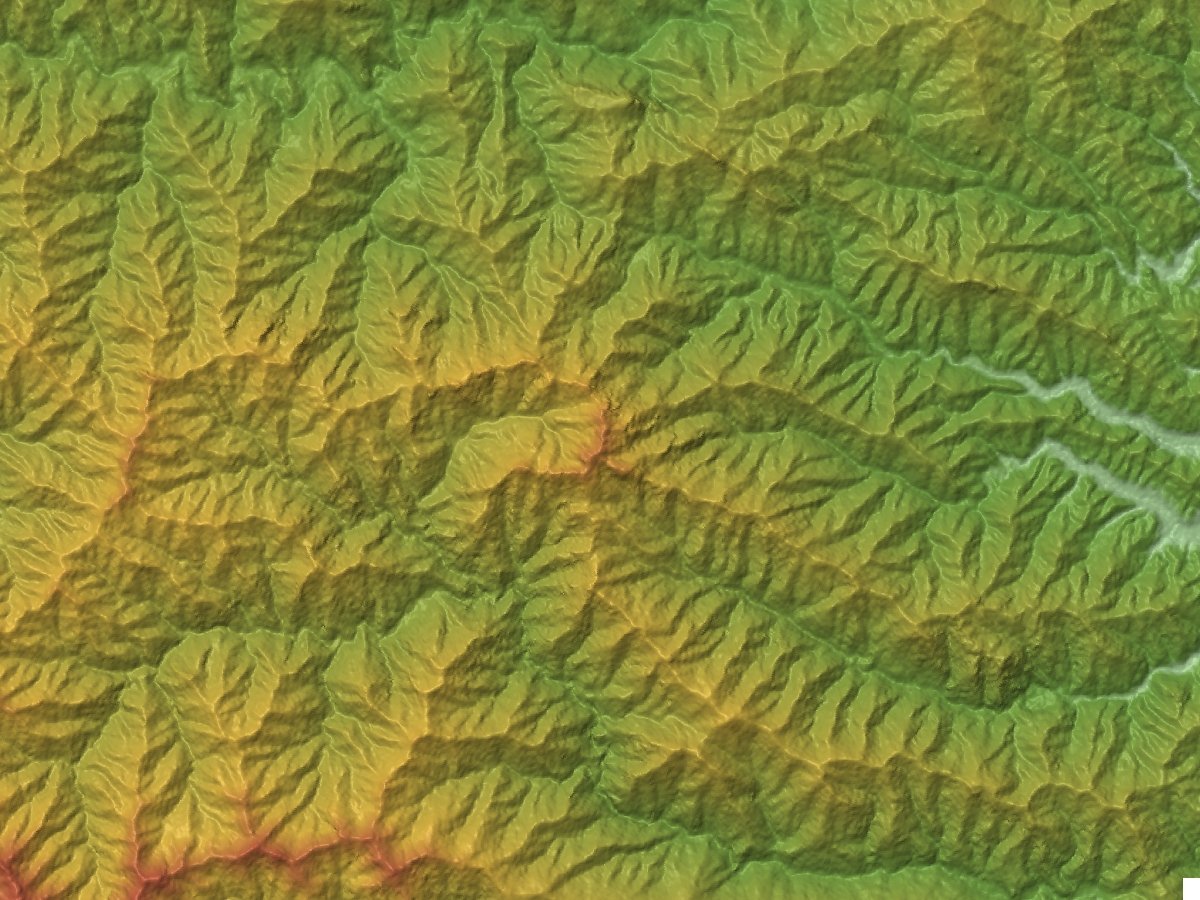
The Chichibu region, situated in northwestern Saitama Prefecture, has long been a crossroads of religion, commerce, and culture. During the Edo period, Chichibu became a center for mountain worship and silk production. Ancient roads like the Chichibu Okan connected the Kanto plain to the mountainous interior, facilitating trade and the spread of religious practices. The area’s rugged terrain necessitated reliable routes, a legacy embodied today by Route 71 (Japan Guide; Rekishinomichi Yamanashi).
The Emergence of Prefectural Roads
Modernization in the Meiji era led to the formal designation of prefectural roads (都道府県道, todōfukendō) to enhance interregional connectivity. Route 71, designated by both Gunma and Saitama Prefectures, exemplifies this cross-prefectural role, linking municipalities, pilgrimage sites, and natural wonders (Wikipedia: Prefectural road).
Route 71 and the Chichibu Pilgrimage
Route 71 closely follows the path of the Chichibu 34 Kannon Pilgrimage, a circuit of Buddhist temples integral to the area’s spiritual identity. Pilgrims and travelers alike use the road to access sites such as Chichibu Shrine and Mitsumine Shrine, connecting the spiritual and historical dots of the region (Chichibu Pilgrimage Association).
Notable Features and Attractions Along Route 71
Mitsumine Shrine
- Visiting Hours 6:00 AM – 5:00 PM (seasonal variations possible)
- Admission Free (some special events may require a fee)
- Highlights Intricate Edo-period carvings, panoramic mountain views, spiritual "power spot"
- Access Bus or car from Chichibu Station; final approach is a scenic walk through cedar-lined paths
- Best Seasons Autumn foliage and winter snows create stunning scenery
(Learn more about Mitsumine Shrine visiting hours)
Chichibu Shrine
- Visiting Hours 9:00 AM – 4:30 PM
- Admission Free
- Features Ornate carvings, vibrant festivals, and a tranquil city-center setting
Hitsujiyama Park
- Best Visiting Period Mid-April to early May (shibazakura season)
- Admission 300 yen during peak season
- Highlight Colorful moss phlox fields
Nagatoro Valley
- Visiting Hours 8:30 AM – 5:00 PM (Nagatoro Iwadatami area)
- Activities River boating, rafting, hiking, and exploring the unique Iwadatami rock formations
- Boat Ride Tickets Around 1,500 yen per 30-minute ride
Chichibu Muse Park
- Hours 9:00 AM – 5:00 PM (closed Tuesdays)
- Admission Free (museum fees may apply)
- Attractions Observation tower, museums, seasonal flower displays
Chichibu Night Festival
- Date December 2–3 annually
- Admission Free
- Highlights UNESCO Intangible Cultural Heritage status, ornate floats, fireworks, traditional music
(Bokksu)
SL Paleo Express
- Operating Days Weekends and holidays
- Tickets Advance reservation required
- Experience Ride a nostalgic steam locomotive through the picturesque Chichibu countryside
(Book SL Paleo Express tickets here)
Visitor Logistics and Practical Information
Access and Transportation
- By Car From Tokyo, use the Kan-etsu Expressway to Hanazono IC, then National Route 140 towards Chichibu. Drive time is 90 minutes–2 hours (Japan Car Lovers).
- By Train Seibu Ikebukuro Line connects Tokyo to Seibu-Chichibu Station (approx. 80 minutes), with local buses or taxis onward. Chichibu Railway and local buses provide access to many sites (Japan Travel).
- Car Rentals Available in Tokyo, Saitama, and Chichibu. International Driving Permit required for foreign visitors (Visit Gunma).
Road and Seasonal Conditions
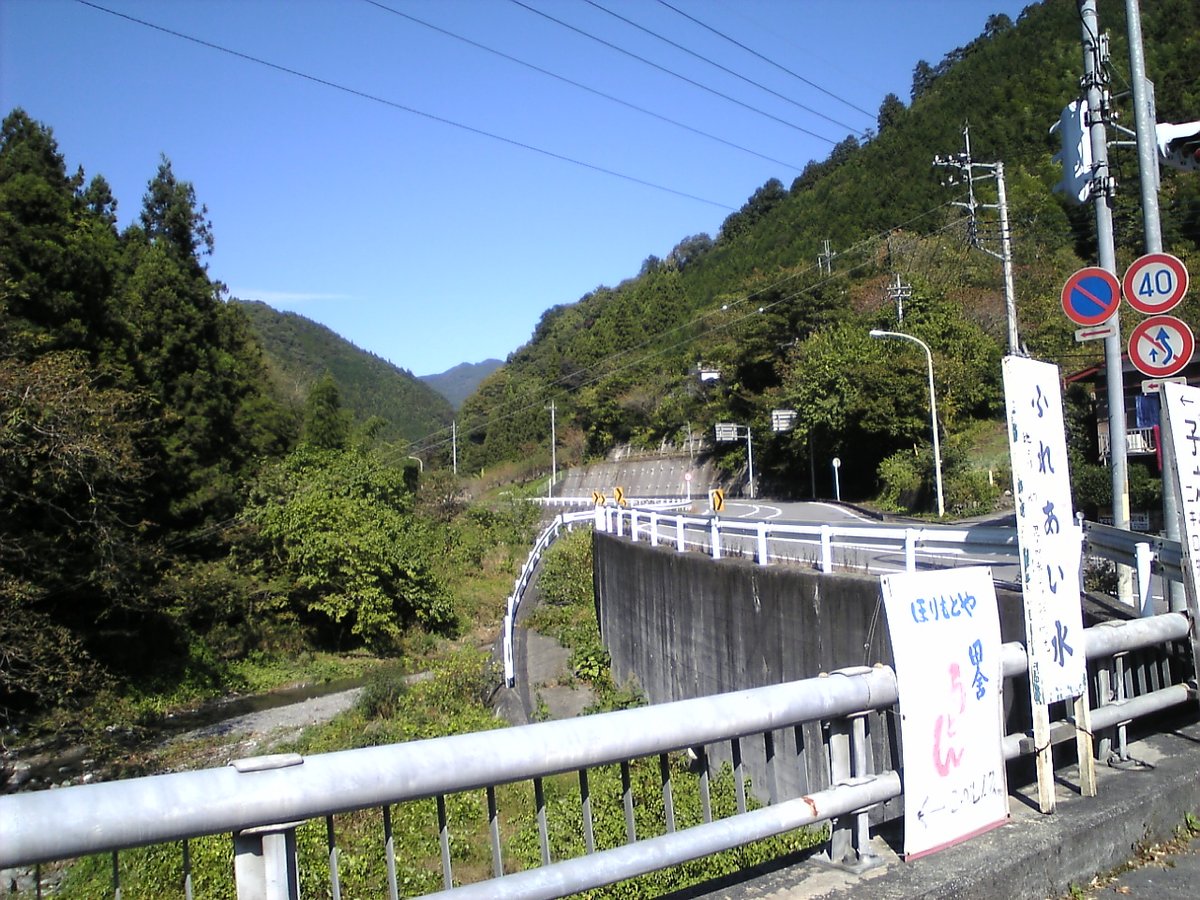
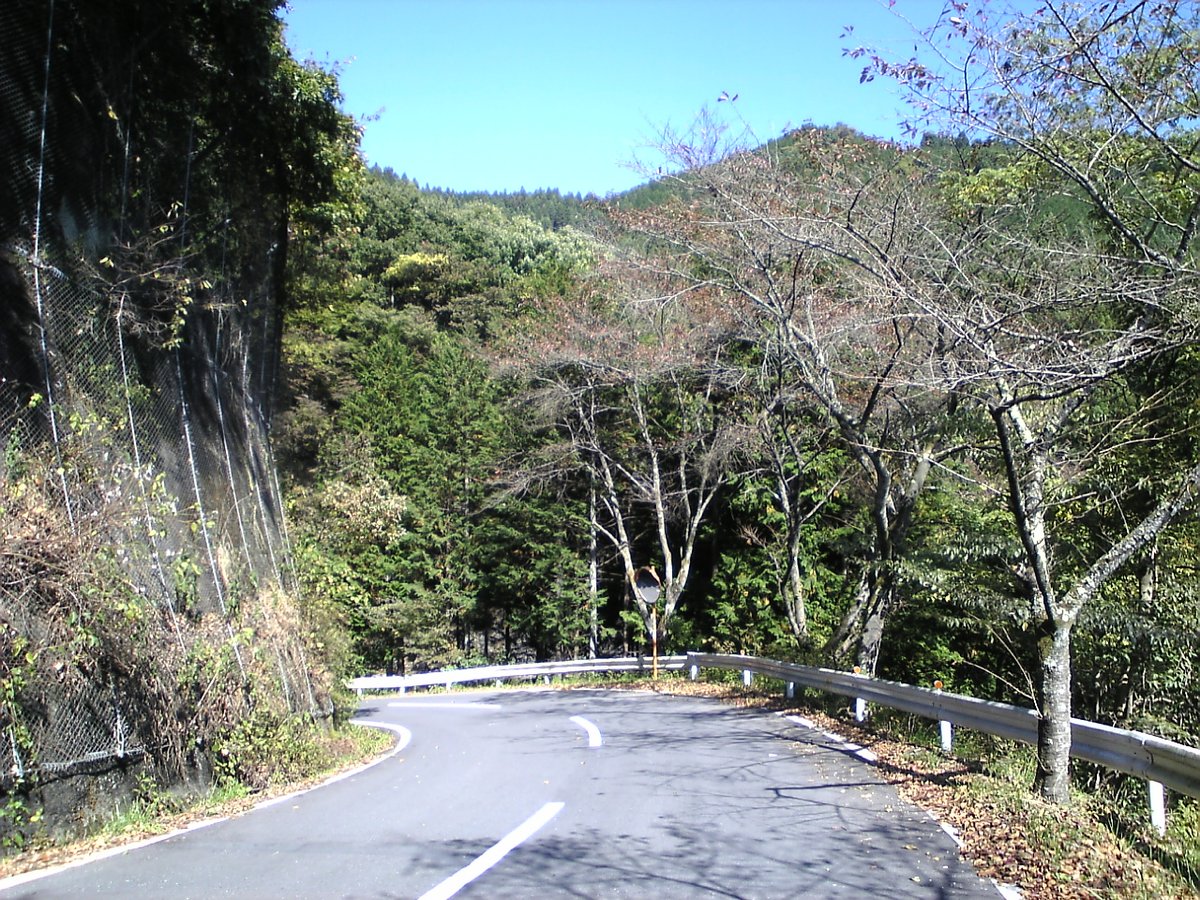
- Route 71 Well-maintained, but winding with steep gradients in some sections. Snow and ice are common in winter—use snow tires or chains as needed.
- Best Seasons Spring (cherry blossoms), autumn (foliage), and winter (snow scenes). Summer is lush but can bring heavy rain (Visit Gunma).
Parking and Facilities
- Parking Ample at major sites (Mitsumine Shrine, Chichibu Muse Park, Nagatoro Valley); fees may range from free to ¥1,000 per day.
- Rest Stops Roadside stations (michi-no-eki), convenience stores, and gas stations are found at intervals. Restrooms and local product shops are common at michi-no-eki (Japan Car Lovers).
Accommodation and Dining
- Lodging Ryokan, onsen resorts, business hotels, and guesthouses available in Chichibu, Gunma, and Nagatoro (Visit Gunma).
- Dining Savor regional specialties like soba noodles, waraji katsudon, and Chichibu Meisen-themed sweets. Local restaurants and cafes are found along the route and near major attractions (Activity Japan).
Cultural Etiquette and Responsible Tourism
- At Shrines and Temples Remove shoes where indicated, bow at entrances, participate respectfully in rituals, and refrain from photography in restricted areas.
- Environmental Stewardship Follow marked trails, dispose of waste properly, and support local businesses to help preserve the region’s heritage and environment.
Essential Visitor Tips
- Carry cash; many rural establishments don’t accept credit cards.
- Download offline maps or use GPS, as some rural signage may be in Japanese only.
- Bring layered clothing and rain gear, especially for mountain weather.
- Book accommodation and train tickets in advance during festival seasons.
- Check official resources for up-to-date visiting hours and event schedules.
Frequently Asked Questions (FAQ)
Q: What are the general visiting hours for major attractions along Route 71?
A: Most sites, including Mitsumine Shrine and Chichibu Shrine, are open daily from about 6:00 or 9:00 AM to 5:00 PM. Always check specific sites for seasonal variations.
Q: Do I need tickets for the Chichibu pilgrimage temples?
A: Admission is generally free, though donations are welcome. Special events and guided tours may require tickets.
Q: How can I reach Route 71 and key attractions from Tokyo?
A: By car via the Kan-etsu Expressway and National Route 140, or by train on the Seibu Ikebukuro Line to Seibu-Chichibu Station, with local buses or taxis onward.
Q: Are the sites along Route 71 accessible for travelers with limited mobility?
A: Some areas have stairs and uneven paths; major parks and michi-no-eki offer some accessible facilities. Advance inquiry is recommended.
Q: When is the best season to visit Route 71?
A: Spring (cherry blossoms), autumn (foliage), and winter (for snow and festivals) are particularly scenic and enjoyable.
Summary
Gunma and Saitama Prefectural Road Route 71 provides an immersive travel experience, blending deep-rooted spiritual traditions, historical heritage, and breathtaking natural landscapes. From Mitsumine Shrine’s mystical grounds to the vibrant Chichibu Night Festival, Route 71 is a gateway for both reflection and adventure. Modern infrastructure, reliable transportation, and a wealth of local accommodations ensure comfort and accessibility year-round. By respecting local customs and embracing sustainable tourism, travelers can deeply enrich their journey along this historic road (Japan Guide; Chichibu Pilgrimage Association; Japan Travel Navitime; Visit Gunma; Fun Chichibu).