What the University of Parma Is
In the heart of Parma, Italy, the University of Parma is a historic academic institution whose origins date to 962 AD. It has shaped the city’s intellectual, architectural, and social life, and is part of a city recognized as a UNESCO Creative City for Gastronomy. Its campuses, museums, libraries, and historic buildings offer visitors a view of European higher education and Parma’s cultural heritage (University of Parma History).
Today, the university is a research institution with nine departments, over 90 degree programs, and around 26,000 students (studyabroadaide.com). It is a cornerstone of Parma’s identity and Italian and European academia. Its alumni include scholars, scientists, and artists, and the university participates in Parma’s cultural life and culinary scene (standyou.com; wikipedia; unipr.it).
History
Early Origins and Medieval Foundations
Parma’s academic history is formally traced to March 13, 962 AD, when Emperor Otto I authorized Bishop Uberto of Parma to appoint legal leaders across the Holy Roman Empire (standyou.com). The university is also described as having been founded by imperial decree in 962 AD. Parma had a reputation as a center of learning since Roman times, and the city’s “studium” gained renown for legal and liberal arts education during the 11th and 12th centuries, attracting students and scholars from across Europe (corsi.unipr.it).
A meeting in Parma in 781 AD between Charlemagne and Alcuin of York is often cited as a precursor to the Palatine Schools, which influenced the Carolingian Renaissance (unipr.it).
Renaissance, Suppressions, and Revivals
The university flourished during the 13th and 14th centuries, particularly in legal and philosophical studies. Political instability led to repeated closures: Gian Galeazzo Visconti closed it in 1387, and Filippo Maria Visconti did so again in 1420 (wikipedia). Despite these interruptions, Parma’s intellectual life continued, nurturing scholars such as Beroaldo and artists such as Correggio and Parmigianino (unipr.it).
The Farnese, Bourbon, and Enlightenment Eras
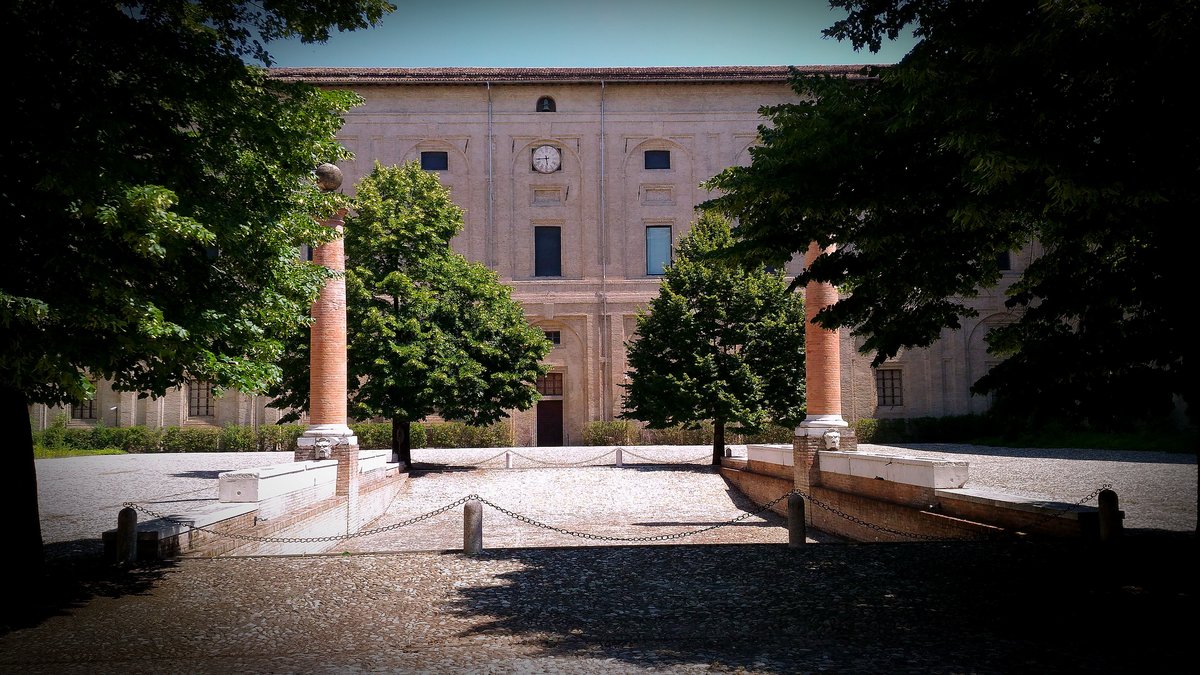
Under the Farnese and Bourbon dynasties, from the 16th to the 18th centuries, the university and city experienced a cultural renaissance. Farnese investments led to buildings including Palazzo della Pilotta and Teatro Farnese (nomads-travel-guide.com). In 1768, Ferdinand I’s reforms modernized the curriculum, aligning it with Enlightenment values and expanding the university’s faculties (wikipedia).
19th Century: Political Upheaval and National Integration
Student protests in 1831 led to the university’s temporary closure. It reopened in 1854 and resumed its standing as a leading academic institution. After Italian unification, it regained “grade A” university status in 1887 (wikipedia).
Modern Era: Expansion and Internationalization
The university’s campuses are distributed across the city center and the South and Health Campuses. Its main campus covers 77 hectares in the north of the city, with additional hubs for Medicine, Economics, Arts, and Veterinary Medicine (Times Higher Education; University of Parma Hubs).
Facilities include libraries, IT labs, lecture halls, research centers, and extensive sports amenities. The university supports internationalization, scientific dissemination, and community engagement, participates in major European projects, and offers programs in English, including a Medicine & Surgery course in Piacenza (corsi.unipr.it). Student services include advising, language courses, and career resources (studyabroadaide.com).
What to See
- Palazzo Centrale A 17th-century building with arcades and a grand staircase.
- Palatine Library Holds over 700,000 volumes, including rare manuscripts (PlanetWare).
- National Gallery Displays works by Correggio, Parmigianino, and others (The Crazy Tourist).
- Teatro Farnese A Baroque wooden theater open to visitors (Our Italian Journey).
Visitors can also join guided tours of university and museum highlights, take art and architecture walks along Via Università and Piazza della Pace, and spend time in nearby cafés and bookshops.
Practical Visiting Information
Visiting Hours and Access
Opening hours vary by building and facility:
- University buildings Generally Monday to Friday, 8:00 AM–6:00 PM. Another listing gives Monday to Friday, 9:00 AM–6:00 PM.
- Public areas One listing gives Monday to Friday, 9:00 AM–6:00 PM.
- Libraries and museums Most public areas are accessible from 9:00 AM–6:00 PM, though hours may vary by facility and season. Museums may have extended or different hours.
- Pilotta Complex Tuesday to Sunday, 9:30 AM–7:00 PM; closed Mondays.
Check the official website for updates before visiting.
Tickets and Guided Tours
University public spaces are usually free to enter. Museums and special exhibitions may require tickets. University tours are often free or low-cost, while special exhibitions and guided tours may require tickets. The Pilotta Complex is listed at €10–€15, with discounts for students and others.
Guided tours are available through the university and local tourism offices. Advance booking is advised, especially in peak season; register in advance for university or museum tours.
Accessibility and Facilities
Many university buildings have ramps, elevators, and accessible restrooms. Most sites are described as accessible, though some historic areas have steps or uneven floors. Contact the Welcome Office before your visit about specific needs or arrangements.
Free Wi-Fi is available across campus, and the university maintains digital platforms with event and visitor information (Foundation Year).
Tips
- Spring and early autumn offer pleasant weather and fewer crowds.
- Parma is well served by train and has efficient public transport. The campus is accessible by public transport, while the city center is walkable and bike-friendly (Parma Welcome).
- The university hosts cultural events, public lectures, concerts, and exhibitions throughout the year, often open to visitors. The annual Verdi Festival includes performances at university venues (PlanetWare). Check the university events calendar before your trip.
- The university also offers public lectures, concerts, and exhibitions (University of Parma).
- The university’s official site is unipr.it. The original guide also recommends downloading the Audiala app for audio guides and travel tips and following the university’s social media for news.
Nearby Places
- Parma Cathedral and Baptistery Romanesque landmarks within walking distance.
- Parco Ducale A historic park.
- Teatro Regio and Piazzale della Pilotta
- Governor’s Palace (EDUCBA)
- Local markets and cafés Nearby cafés offer opportunities to sample Prosciutto di Parma and Parmigiano Reggiano.
Parma also has hotels and apartments near the university, including the Grand Hotel de la Ville and Starhotels Du Parc.
FAQ: Visiting the University of Parma
Q: What are the typical visiting hours?
A: University buildings are listed as open Monday to Friday, either 8:00 AM–6:00 PM or 9:00 AM–6:00 PM. Museum and library hours may differ or vary by season.
Q: Are tickets required?
A: Most university areas are free. Museums, special exhibitions, and some events may require tickets.
Q: Are guided tours available?
A: Yes. Book in advance through the university or a local tourism office.
Q: Is the university accessible to people with disabilities?
A: Many buildings have accessibility features, but some historic areas have steps or uneven floors. Contact the Welcome Office for assistance.
Q: What else can I see nearby?
A: Parma Cathedral, the Baptistery, the National Gallery, Parco Ducale, and local markets.