Place
Parma
Italy Updated Oct 2026
In Parma, Italy, the ceiling seems to open: Correggio’s 1526–1530 dome fresco sends painted figures wheeling upward above the cool hush of a Romanesque cathedral. Step outside and the city trades that vertigo for the pink marble of an octagonal baptistery and the savory pull of prosciutto and buttered pasta.
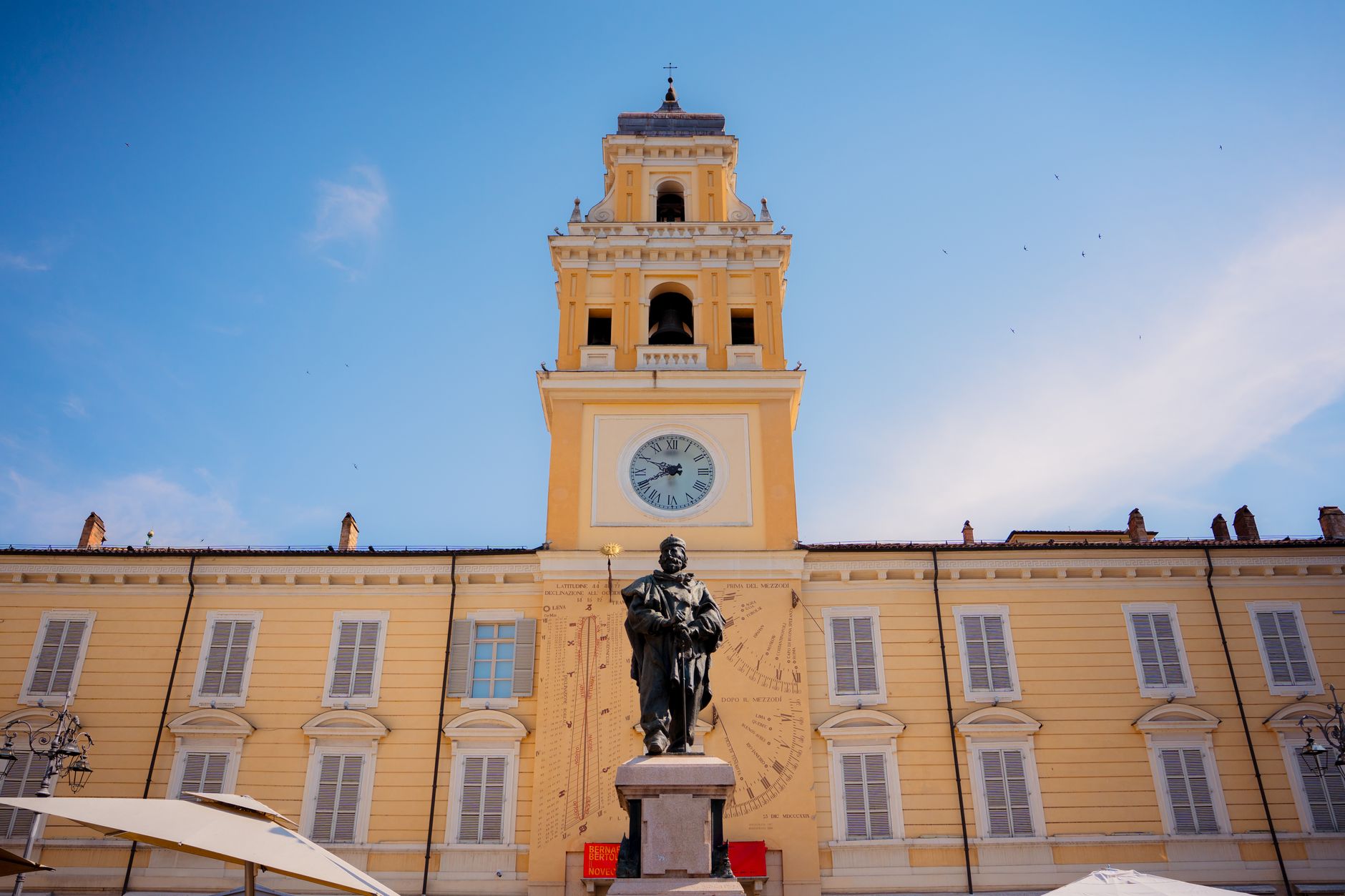 Photo: Hardial Aujla / Pexels
- Attractions
- 10
- Audio
- 7 h 24 min
- Trip length
- 2–3 days
- Best season
- May–June and September–October
Why Parma
Built from cited sources · see the method · How we make our guides →
Consecrated in 1106, the cathedral holds Benedetto Antelami’s 1178 marble Deposition, a scene carved with an intimacy that survives the centuries. Across the piazza, Antelami’s baptistery wears 75 relief panels of animals and mythical creatures around its pink-marble exterior.
Parma’s ducal past has a grand, slightly theatrical address in the Palazzo della Pilotta, home to the Galleria Nazionale and the Teatro Farnese, built in 1618 from spruce wood and plaster. At the Teatro Regio, opera has its own local pressure gauge: the upper-gallery loggionisti are famously ready to voice their opinions.
The city’s food traditions are as exacting as its art: tortelli d’erbetta arrive under melted butter and Parmigiano Reggiano, while fried dough here is called torta fritta, not gnocco fritto. Parma’s appetite and its artistic life belong to the same daily rhythm, best understood over a long lunch and a slow walk through the streets afterward.
Two monuments, one piazza
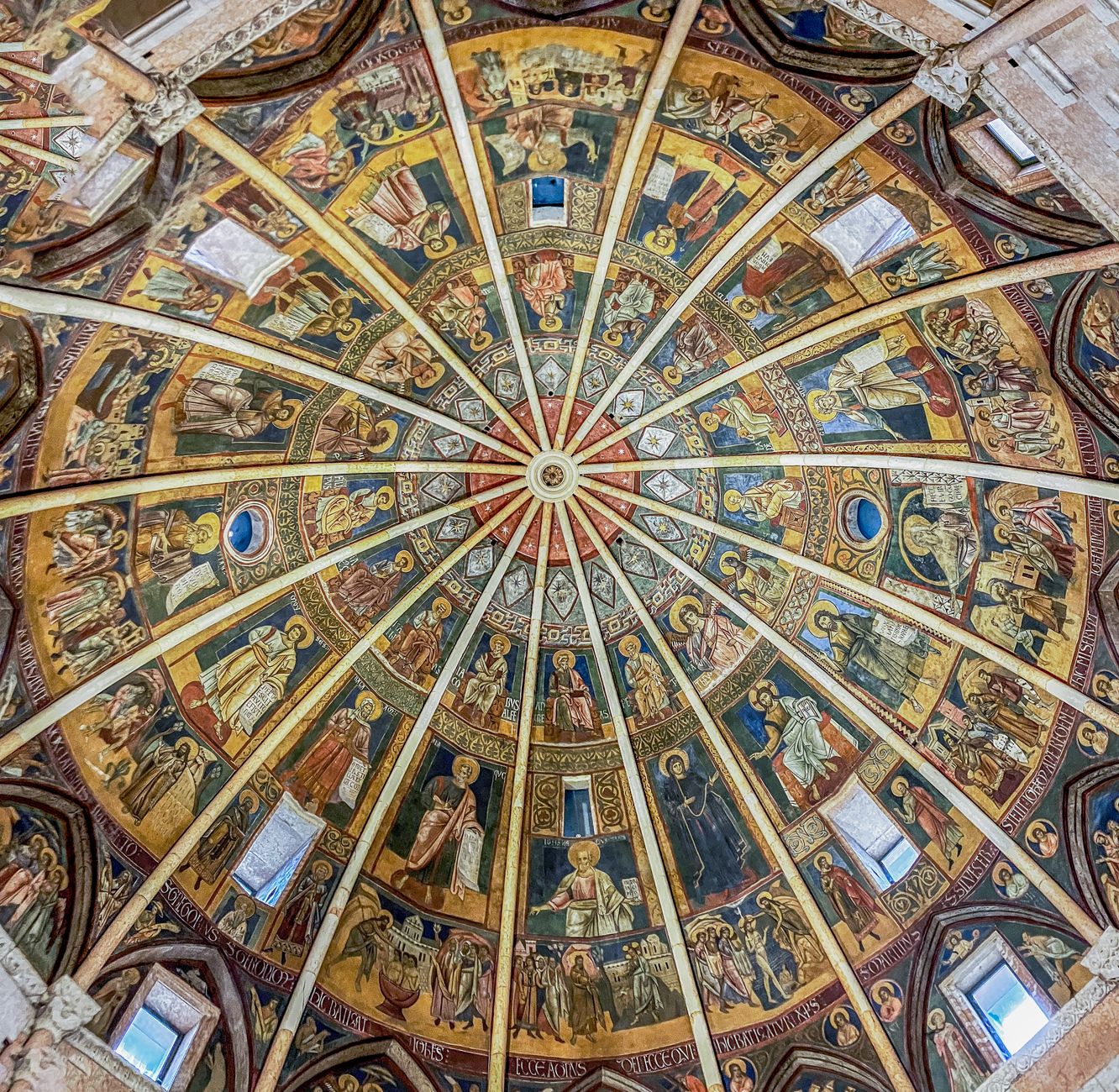
In Piazza Duomo, the Romanesque cathedral holds Correggio’s swirling 1526–1530 dome fresco and Benedetto Antelami’s 1178 marble Deposition. Outside, the pink-marble Baptistery wraps an octagonal form in 75 carved panels of animals and mythical creatures.Farnese art and opera
The Palazzo della Pilotta gathers the Galleria Nazionale and Teatro Farnese, a 1618 court theater built of spruce wood and painted stucco. Across the center, the Teatro Regio still gives Parma its opera pulse, sharpened each autumn by the Festival Verdi.A city that tastes of its province
Parma’s table is built around Prosciutto di Parma and Parmigiano Reggiano, with handmade pasta close behind. Order tortelli d’erbetta with butter and sage, then make room for torta fritta and a plate of local cured meats.Gardens and the Oltretorrente
Parco Ducale offers plane-tree shade and a long, quiet circuit beside the Parma River; cross Ponte di Mezzo to reach the Oltretorrente’s trattorias and independent shops. Its streets also carry the memory of the 1922 barricades, when residents resisted Fascist squadristi.
Places to Visit
Not every monument, just the ones we'd walk you past ourselves.
-
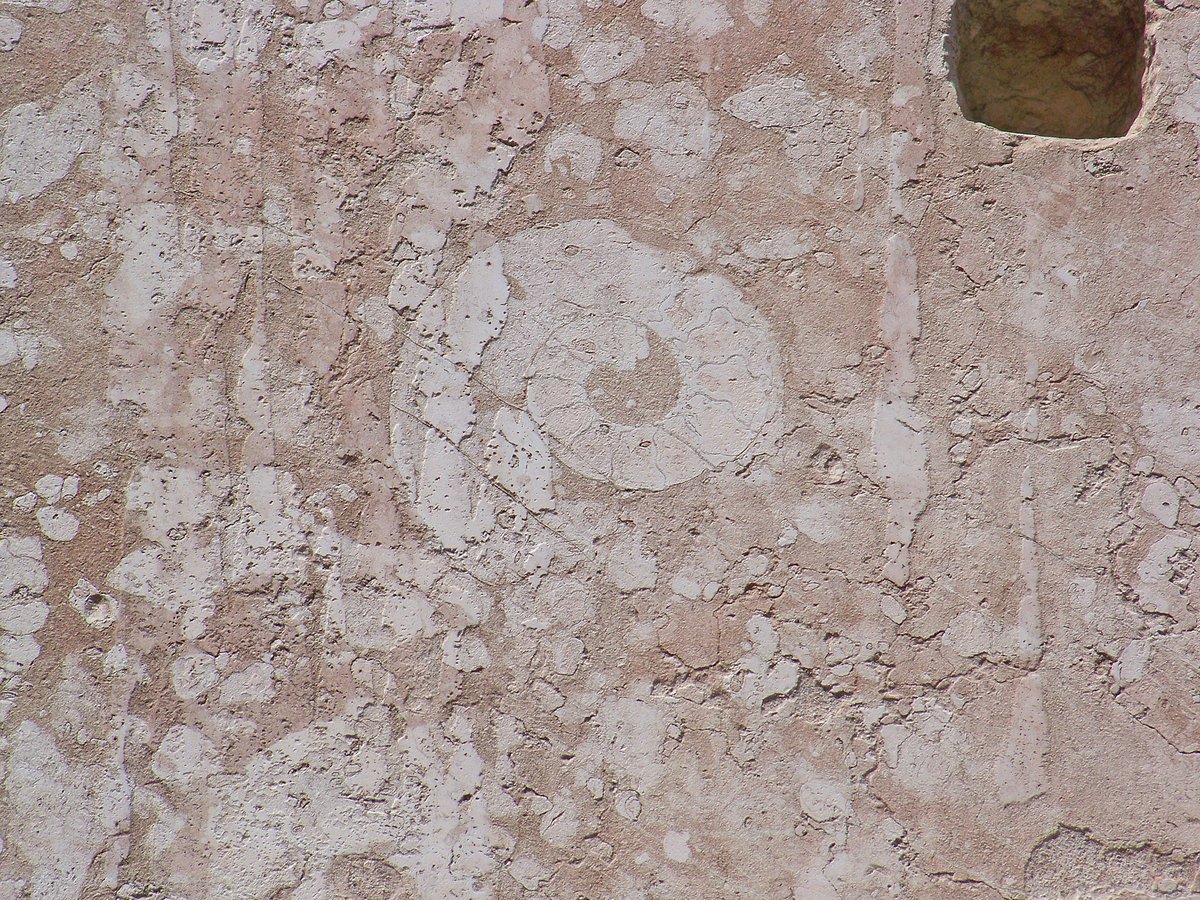
Baptistery of Parma Nestled in the heart of Parma's historic center, the Baptistery of Parma stands as a radiant jewel of medieval art and architecture, encapsulating the…
-
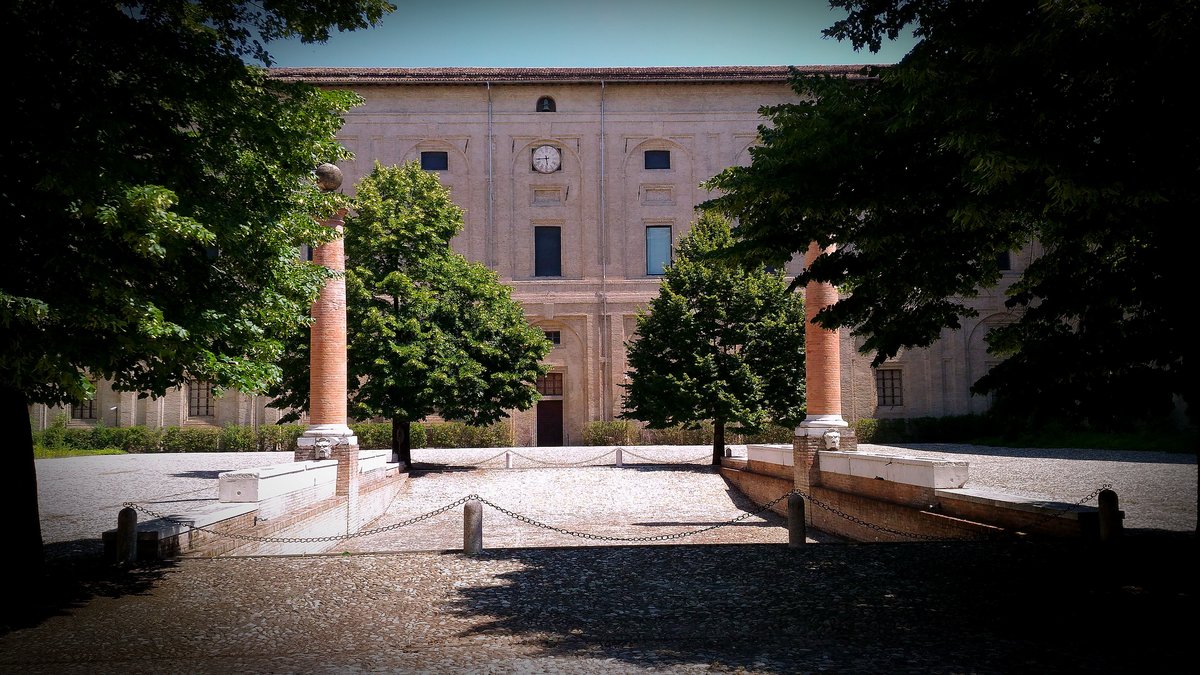
Palazzo Della Pilotta Nestled in the vibrant heart of Parma, Italy, the Palazzo della Pilotta stands as a monumental testament to centuries of art, history, and cultural evolution.
-
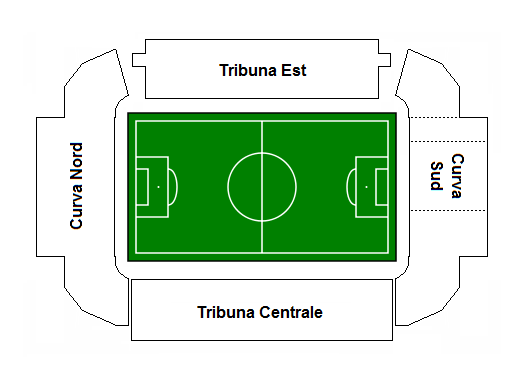
Stadio Ennio Tardini Stadio Ennio Tardini stands as a cornerstone of Parma’s sporting and cultural heritage, captivating football enthusiasts and travelers alike with its rich…
-
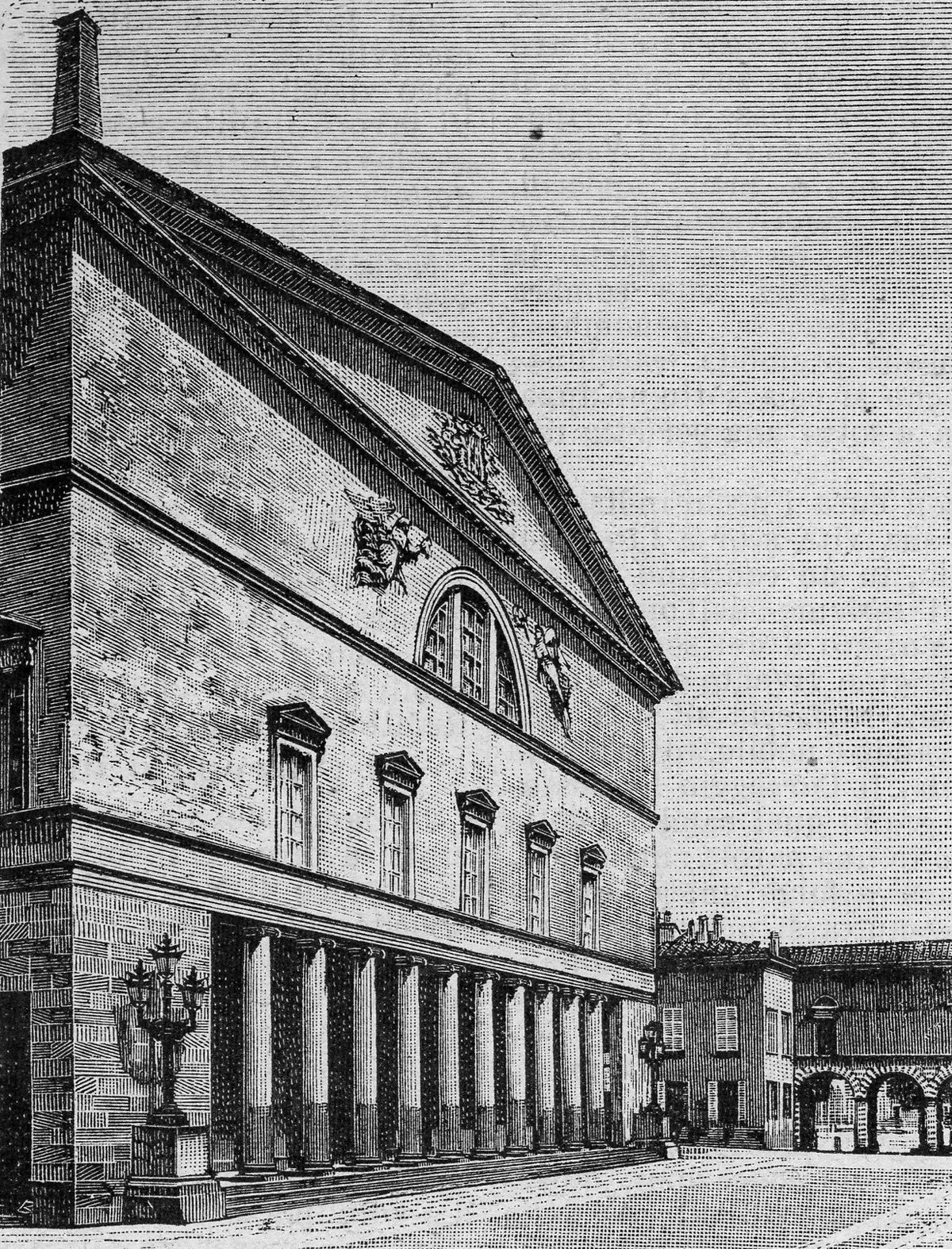
Teatro Regio Teatro Regio di Parma stands as a monumental emblem of Italy’s rich operatic heritage and neoclassical architectural splendor, deeply rooted in the cultural…
-
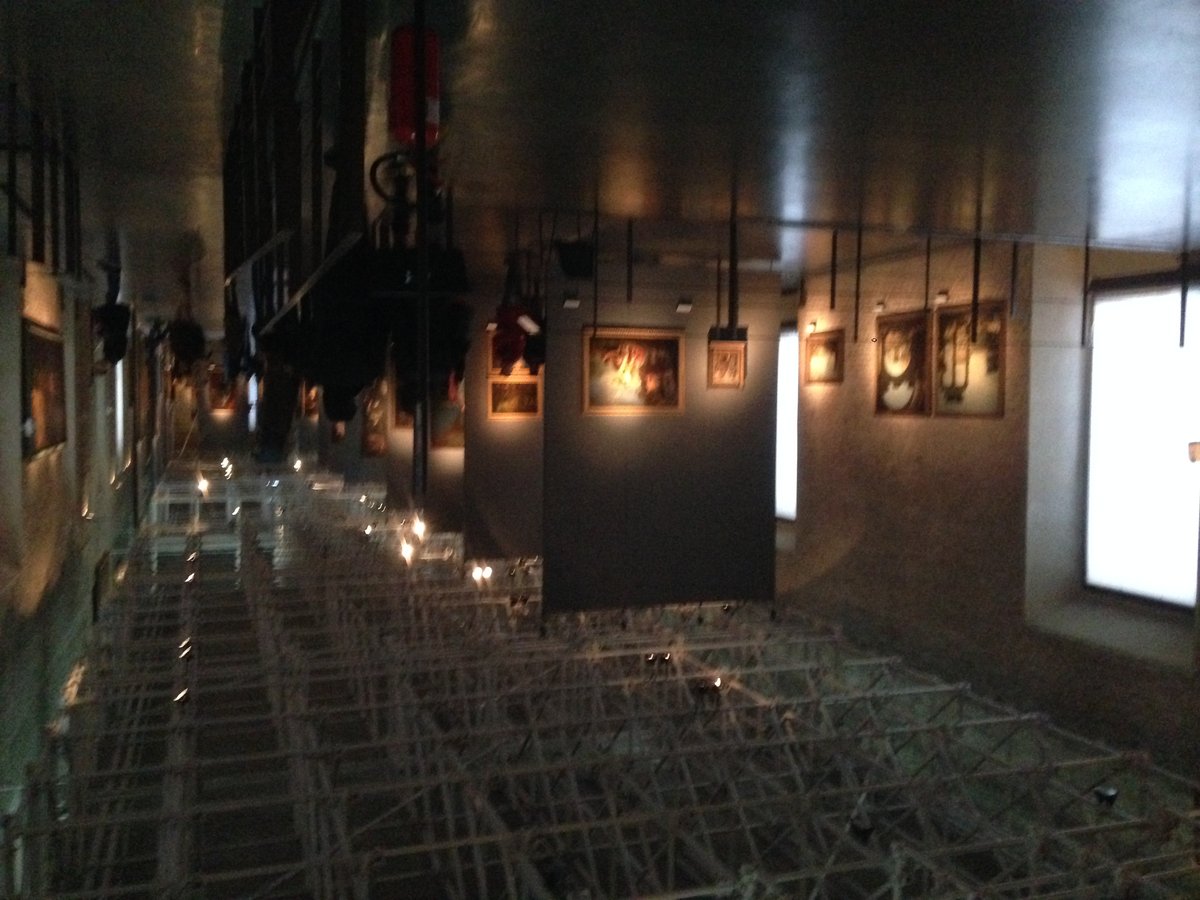
Galleria Nazionale Di Parma Nestled in the historic center of Parma, Italy, the Galleria Nazionale di Parma stands as a distinguished cultural landmark and premier art museum, renowned…
-
Biblioteca Palatina Di Parma Nestled in the historic heart of Parma, Italy, the Biblioteca Palatina di Parma stands not only as an architectural gem within the grand Palazzo della Pilotta…

- Parma Cathedral Nestled in the heart of Emilia-Romagna’s vibrant city of Parma, the Parma Cathedral (Cattedrale di Santa Maria Assunta) stands as an enduring symbol of…
- Academy of Fine Arts of Parma Nestled in the historic city of Parma, Italy, the Academy of Fine Arts of Parma (Accademia di Belle Arti di Parma) stands as a monumental institution that has…
- Conservatorio Arrigo Boito Nestled in the heart of Parma, Italy, the Conservatorio di Musica Arrigo Boito stands as a beacon of the city’s rich musical and cultural heritage.
Neighborhoods
Where to wander, by quarter — each with its own rhythm.
Centro Storico
The historic center gathers the Duomo and Baptistery, the Palazzo della Pilotta, and Teatro Regio within an easy walk. By early evening, Strada Farini and Piazza Garibaldi fill with locals out for the passeggiata, stopping for a glass of Lambrusco or an aperitivo.Oltretorrente
Across the Parma stream, reached by bridges such as Ponte di Mezzo, Oltretorrente retains its working-class roots and independent streak. Via d’Azeglio and Strada Inzani lead past traditional osterie, bookshops, and the neighborhood’s memory of the 1922 barricades against the Blackshirts.Piazza Ghiaia
This riverside market quarter is a good place to see Parma’s everyday appetite at work. Campagna Amica farmers’ market sets up on Wednesday and Saturday mornings, while seasonal food stalls and festivals bring the square to life at other times.
Plan your trip
Before you go
- Getting There
- Parma Giuseppe Verdi Airport (PMF) has limited scheduled service; common alternatives are Bologna Guglielmo Marconi Airport (BLQ), about 90 km away, and Milan Linate (LIN), Milan Malpensa (MXP), or Bergamo Orio al Serio (BGY). The main city station is Parma railway station (Stazione di Parma), with connections from Bologna Centrale and Milano Centrale. By road, the A1 links Milan and Bologna, while the A15 runs from Parma toward La Spezia; use the Parma or Parma Ovest exits.
- Getting Around
- Parma has no metro: TEP operates city buses and trolleybuses, and the compact historic center is easy to cover on foot. In 2026, an urban ticket costs €2 for 80 minutes and a day ticket €6.30; buy through the TESEO app, ticket machines, or contactless payment on board. Ridemovi bike-share and La Cicletteria beside the station offer bike rentals, with rental rates at La Cicletteria starting around €5 for two hours.
- Climate & Best Time
- Daytime highs are about 14–23°C in spring, 28–32°C or higher in summer, 25°C falling to 11°C in autumn, and 5–9°C in winter, when nights can dip below freezing. Spring brings moderate rain, summer can bring afternoon storms, and autumn is wetter and often foggy; late spring and early autumn are the busiest periods, especially October during Festival Verdi. Aim for May, June, September, or October for comfortable walking, with November to March generally quieter.
- Language & Currency
- Italian is the everyday language, and English is more common in hotels, museums, and larger restaurants than in family-run osterie. Parma uses the euro; cards and mobile payments are widely accepted, but a little cash helps at small bars and markets.
Parma, Between Empire and the Everyday
From Bronze Age settlements to a city shaped by art, resistance, and food
- c. 1500 BCE
Terramare Farmers Settle the Plain
By the Bronze Age, farming communities of the Terramare culture lived on the fertile plain around the Parma stream. Their settlements belong to the region’s deep history, long before Parma became a Roman name.
- c. 550–400 BCE
From Etruscan Town to Boii
An Etruscan urban center took shape here by the 6th or 5th century BCE; the name Parma may derive from the Etruscan word for a round shield. Around the 4th century BCE, the Celtic Boii took control of the surrounding territory.
- 187–183 BCE
Rome Lays Road and Colony
The Via Aemilia, laid out in 187 BCE, connected Parma’s site to the Roman road network and the Adriatic coast. In 183 BCE, Rome established a colony here, giving the settlement a new grid and a place in the Republic’s expanding northern territories.
- 43 BCE
Antony's Forces Sack Parma
During the Roman civil wars, troops loyal to Mark Antony sacked Parma. Augustus later rebuilt the colony, restoring its standing and its role in the rich agricultural country around the Via Aemilia.
- c. 366
A Bishop's City Takes Shape
A Christian diocese had formed in Parma by late antiquity; later records name Urban among its early bishops. The new church hierarchy gave the city an institution that would endure as imperial authority weakened.
- 569
Lombards Take Parma
The Lombards captured Parma during their advance through northern Italy and made it the seat of a duchy. Its position near routes over the Apennines gave the city a military role as well as a local one.
Show the full timeline (30 moments)
- 774
Charlemagne Reorders the City
After defeating the Lombards, Charlemagne brought Parma into the Carolingian realm. The change placed the city under Frankish rule and tied its fortunes to the shifting politics of the medieval empire.
- 1106
Cathedral Consecrated in 1106
Pope Paschal II consecrated Parma’s cathedral, dedicated to Santa Maria Assunta. Its Romanesque stonework still anchors Piazza Duomo, where the close-set buildings make the square feel almost like an open-air nave.
- 1178
Antelami's Marble Deposition
Sculptor and architect Benedetto Antelami made the cathedral’s marble Deposition, a scene of grief held in finely controlled lines. His work gave Parma one of the clearest records of the city’s shift from Romanesque forms toward Gothic expression.
- 1196
An Octagonal Baptistery Rises
Construction began on Antelami’s octagonal Baptistery of San Giovanni Battista, clad in pink Verona marble. Its exterior frieze of carved creatures and its sculpted calendar of months and seasons turn a working religious building into a stone record of the medieval imagination.
- 1247–1248
Parma Breaks the Imperial Siege
Emperor Frederick II besieged the Guelph city and built a fortified camp called Victoria outside its walls. On February 18, 1248, Parmigiani launched a surprise sortie, burned the camp, and captured the imperial treasury; the victory turned a local defense into a defining civic memory.
- 1512
The Papacy Takes Parma
Pope Julius II brought Parma and Piacenza under the Papal States, ending the city’s period of Milanese rule. The new authority would not last: within a generation, Parma became the capital of a hereditary duchy.
- 1526–1530
Correggio Opens the Heavens
Antonio da Correggio painted the cathedral dome’s Assumption of the Virgin, making the painted figures seem to spiral upward through the architecture. Look up and the boundary between stone and sky begins to disappear.
- 1545
A Duchy for the Farnese
Pope Paul III created the Duchy of Parma and Piacenza for his son, Pier Luigi Farnese. After Pier Luigi’s assassination in 1547, the dynasty survived, and Parma became the duchy’s permanent capital under Duke Ottavio.
- c. 1583
The Farnese Build the Pilotta
The Farnese court began the vast Palazzo della Pilotta as a service complex beside the Parma stream, expanding it under later dukes. The unfinished scale is part of its character: a palace that grew to house a court’s workshops, collections, and ambitions.
- 1618
An All-Wood Court Theatre
Duke Ranuccio I commissioned Giovan Battista Aleotti to build the Teatro Farnese inside the Pilotta. Made largely of spruce wood and stucco, it could hold thousands; after wartime destruction, its reconstructed tiers still carry the hush of a theatre waiting for the curtain.
- 1630
Plague Enters Parma
The plague that swept northern Italy struck Parma and devastated the duchy’s population. The loss came amid costly wars and strained finances, leaving the Farnese court with fewer people and less room for grand designs.
- 1748
Bourbon Rule Returns
The Treaty of Aix-la-Chapelle restored Parma as a duchy under Philip of Bourbon. Reformers built institutions for the arts and sciences, including an Academy of Fine Arts, while court patronage gave the city a fresh Enlightenment identity.
- 1768
Bodoni Recasts the Printed Page
The typographer Giambattista Bodoni became director of Parma’s Royal Printing House. In its presses he refined the crisp, high-contrast letterforms that bear his name, turning the printed page into one of the city’s most lasting exports.
- 1808
Napoleon Annexes Parma
After French occupation began in 1796, Parma was absorbed into the French Empire and organized as the Département du Taro in 1808. Ducal rule gave way to Napoleonic administration, with its laws and the secularization of church property.
- 1816
Marie Louise Arrives
Marie Louise of Austria arrived in Parma in April 1816 to rule as duchess, beginning a reign remembered for civic works and cultural patronage. She established the Villetta cemetery and reshaped the Ducal Park; Parma’s quieter public institutions bear her mark as clearly as its grand rooms.
- 1829
The Regio Opens to Opera
Marie Louise’s Teatro Regio opened in May with Vincenzo Bellini’s opera Zaira. Its neoclassical auditorium gave Parma a dedicated stage for opera, a form of public life that would become inseparable from the city’s name.
- 1831
Revolt Shakes Ducal Rule
Carbonari-inspired uprisings forced Marie Louise to flee briefly to Piacenza. Austrian troops restored her authority, but the revolt showed how brittle restored dynastic rule could be in a city increasingly drawn into Italian political change.
- 1860
Parma Votes for Italy
A plebiscite formally incorporated Parma into the Kingdom of Sardinia, soon to become the Kingdom of Italy. The end of ducal rule redirected the city toward a national state whose capital and institutions lay far beyond the old court.
- 1867
Toscanini Is Born in Oltretorrente
Arturo Toscanini was born in Parma’s working-class Oltretorrente district, where narrow streets and close neighbors formed the backdrop to his early life. He became one of the era’s commanding conductors, and his birthplace is now a museum in the city that shaped him.
- 1889
Picelli Organizes Resistance
Guido Picelli was born in Parma and later became a socialist deputy and a leader of the Arditi del Popolo. In 1922, he helped organize the defense of the city’s working-class districts against fascist squads.
- August 1–6, 1922
Barricades Stop the Fascists
Residents of Oltretorrente and Naviglio-Saffi raised barricades as roughly 10,000 Fascist squadristi converged on Parma. Defenders led by Picelli and anarchist Antonio Cieri held their ground, and on August 6 Italo Balbo withdrew his forces.
- 1944–1945
Bombs, Partisans, and Liberation
Allied bombing on May 13, 1944, devastated parts of central Parma, including the Palazzo Ducale and the Pilotta; the wooden Teatro Farnese was badly damaged. Partisans and Allied troops liberated the city on April 25–26, 1945, after German occupation and years of resistance.
- 1950s onward
Reconstruction Builds the Food Valley
Postwar Parma rebuilt damaged landmarks and expanded its food industries, joining local producers to companies such as Barilla and Parmalat. The city’s identity came to rest as much on curing rooms and cheese dairies beyond its center as on the courtly buildings within it.
- 2003–2021
Parma's Food Work Goes European
Parma became the headquarters of the European Food Safety Authority in 2003 and a UNESCO Creative City of Gastronomy in 2015. Named Italian Capital of Culture for 2020 and 2021, the city brought its food traditions and cultural institutions into the same public story.
Who lived here
-
Painter · c. 1489–1534
Antonio Allegri da Correggio
Worked in Parma
In Parma, Correggio painted a sky that seems to break open above the cathedral’s nave, with figures rising through painted clouds. His work still asks visitors to look up; he might recognize that pause of surprise, centuries later.
-
Sculptor and architect · c. 1150–1230
Benedetto Antelami
Worked on the Baptistery and Cathedral
Antelami’s marble Deposition in the cathedral bears the date 1178, while construction of his Baptistery began in 1196. His carved figures give stone a human weight; today, visitors can still trace that drama from the church interior to the building’s ring of animal reliefs.
-
Painter · 1503–1540
Francesco Mazzola, called Parmigianino
Born in Parma
Born in Parma, Parmigianino returned to its walls in paint, including the frescoes at Santa Maria della Steccata. His elegant, elongated figures feel at home in a city where art often rewards a slower look.
-
Conductor · 1867–1957
Arturo Toscanini
Born in Parma
Toscanini was born in Parma’s Oltretorrente district, far from the grand image of the opera house that later shaped his career. A walk through his old neighborhood ends at the Casa Natale Arturo Toscanini; he might find the city’s musical life both more public and more informal than the one he left.
-
Duchess · 1791–1847
Marie Louise, Duchess of Parma
Ruled Parma from 1814 to 1847
Marie Louise left a lasting mark on Parma’s ducal story, and local tradition links her to the cultivation of the Parma violet. The Museo Glauco Lombardi preserves objects from her life; she might be amused that a flower remains one of the city’s more personal ways of remembering her.
Where to Eat
Where locals actually book dinner — not the tourist menus.
Insider tips
Small things that change how the city treats you.
Time the Duomo
Entry to Parma Cathedral is free, but tourist visits pause during services. Check the posted schedule before you go, especially if you have a tight day.Tap Onboard
TEP buses accept contactless cards and phone payments at the green validator; use one card per passenger. The published urban fare is €2 for 80 minutes, with a €6.30 daily cap—check TEP for current fares.Avoid the ZTL
Cameras enforce Parma’s limited-traffic zone in the historic center, and unauthorized entry can bring a fine. If you arrive by car, use a perimeter car park or garages such as Toschi or Goito.Choose Mild Months
May, June, September, and October are good months for walking and outdoor meals. July and August can be hot and humid, while November often brings rain and fog.Check the Coperto
Sit-down restaurants often add a coperto of about €1.50–€3.50 per person for the table setting and bread. Tipping isn’t obligatory; rounding up or leaving a few euros for attentive service is a polite gesture.Mind Your Belongings
Violent crime is rare, but keep valuables close in crowded markets and festivals. The area around the train station can feel less comfortable late at night, so stay alert if you arrive after midnight.
Gallery
The city, as it actually looks.
Frequently asked
Is Parma worth visiting?
Yes, especially if you like Renaissance art, opera, and regional food more than a packed sightseeing checklist. Correggio’s cathedral dome, the wooden Teatro Farnese, and the pink-marble Baptistery are all close enough to explore on foot.
How many days in Parma is enough?
Two days give you time for the historic center, the Pilotta complex, and a relaxed meal or two. Stay three days if you want to add more museums or take a countryside day trip.
How do you get from Bologna Airport to Parma?
Take the Marconi Express from Bologna Airport to Bologna Centrale, then catch a train to Parma. The monorail takes about 7 minutes; the train leg is roughly 45–65 minutes, depending on the service.
Is Parma safe for tourists?
Parma is generally considered a safe city, and violent crime is rare. Use ordinary care with valuables in crowds, and stay alert around the train station late at night.
How much does public transport cost in Parma?
TEP’s published urban fares list a €2 single ticket valid for 80 minutes and a €6.30 day ticket. Contactless payment is available onboard; check TEP’s fare page before travelling in case prices have changed.
Can you walk around Parma’s historic center?
Yes. The center is compact and mostly flat, with the Duomo, Palazzo della Pilotta, Teatro Regio, and Parco Ducale generally within a 5–15-minute walk of one another.
All Places to Visit.
22 places to discover
Place
Baptistery of Parma
Place
Palazzo Della Pilotta
Place
Stadio Ennio Tardini
Place
Academy of Fine Arts of Parma
Place
Teatro Regio
Place
Galleria Nazionale Di Parma
Place
Biblioteca Palatina Di Parma
Place
Conservatorio Arrigo Boito
Place
Stadio Sergio Lanfranchi
Place
Sanctuary of Santa Maria Della Steccata
Place
Teatro Farnese
Place
San Giovanni Evangelista

Place
Monumento a Filippo Corridoni

Place
Camera Di San Paolo
Place
Certosa Di Parma

Place
Palazzo Del Giardino

Place
Monument to Parmigianino
Place
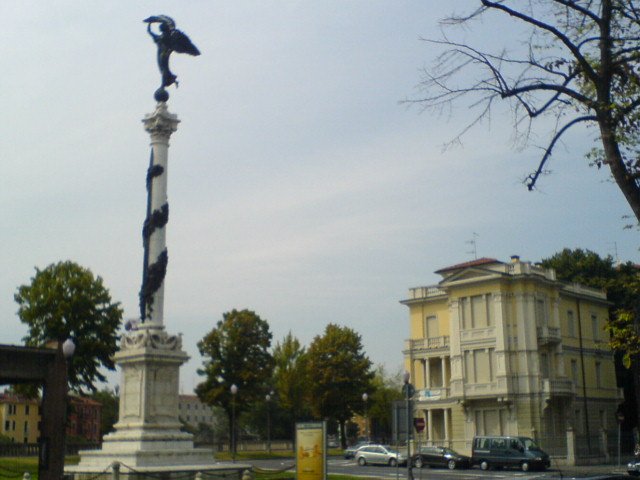
Monument to Victory
Place
Parma Airport

Place
Parma Railway Station

Place
University of Parma
Pick up where you left off
Saved and recently read places — kept on this device only.
Photo credits (2)
- Hardial Aujla — Pexels License (https://www.pexels.com/license/) — Source: https://www.pexels.com/photo/38311958/
- Edoardo Colombo — Pexels License (https://www.pexels.com/license/) — Source: https://www.pexels.com/photo/19669888/
Photos may have been resized or cropped.