Foundation and Purpose
San Giovanni dei Lebbrosi was established around 1071 by Norman rulers Robert Guiscard and Roger I, on the site of a former Arab structure, possibly a mosque or castle (Wikipedia). Its foundation marked both the Norman consolidation of power in Sicily and the blending of Latin Christian, Islamic, and Byzantine influences. The church’s name, “dei Lebbrosi” (“of the Lepers”), points to its historic role as part of a leprosarium—a medieval hospital serving society’s most marginalized (Sicile-Sicilia).
The Leprosarium and Social Role
The adjacent hospital, founded in the 12th century, cared for leprosy patients at a time when such institutions were rare in Western Europe. The hospital’s establishment is sometimes linked to the death from leprosy of a Norman noble, believed to be Roger II’s brother, prompting royal endowment and reinforcing the site’s status as a center for Christian charity (Wikipedia). Later, the hospital was incorporated into larger public health institutions and even served as a quarantine hospital during plague outbreaks in the 16th century.
Historical Transformations and Preservation
After centuries of religious and medical use, the church passed to the Teutonic Knights and later fell into periods of neglect, during which Baroque and other non-original elements were added (Arts & Culture Google). A major restoration in the early 20th century removed these additions, revealing the Norman and Arab features beneath and returning the church to its original austere form (Comune Palermo; Renato Prosciutto).
Architectural Significance
Exterior Features
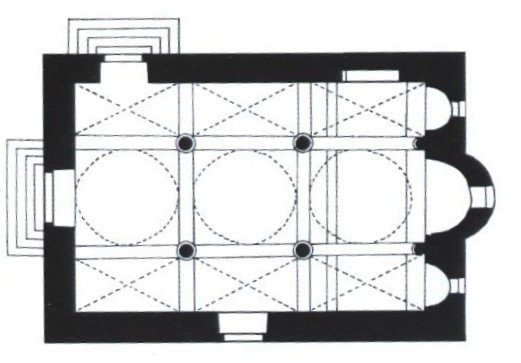
San Giovanni dei Lebbrosi’s architecture is an outstanding example of Arab-Norman synthesis. The rectangular basilica plan, thick stone walls, and minimal decoration evoke both fortress and sanctuary. The three semicircular eastern apses are each capped with small domes, a feature inspired by Islamic religious buildings and echoed in other Norman churches like San Cataldo and San Giovanni degli Eremiti (SpottingHistory; Wanderboat).
The church is surrounded by a simple, well-kept garden, and remnants of the ancient castle’s walls can still be seen, providing a direct link to its pre-Norman past.
Interior Structure
Inside, the church is notable for its restraint and contemplation. The basilican plan features a single nave, flanked by robust pillars topped with capitals displaying Kufic (Arabic) script—a rare example of Islamic calligraphy in a Christian church (Sicile-Sicilia). The pointed arches and high ceilings reflect both Norman innovation and Islamic influence, while the natural light from small, high-set windows accentuates the stone textures.
Arab-Norman Synthesis
San Giovanni dei Lebbrosi is a prime example of the Arab-Norman style that flourished in 11th and 12th century Sicily. The use of domes, Kufic inscriptions, and other Islamic motifs alongside Norman structural techniques demonstrates the pragmatic inclusivity of the Norman rulers, who employed Muslim artisans and administrators (Arts & Culture Google; UNESCO).
Cultural and Religious Importance
Dedicated to Saint John the Baptist, the church has long been a site of religious devotion, especially during the annual Feast of St. John the Baptist in June. Its history as a leprosarium amplifies its symbolic connection to the Christian ideals of healing, compassion, and care for the marginalized. As part of the UNESCO World Heritage “Arab-Norman Palermo and the Cathedral Churches of Cefalù and Monreale,” the church is recognized internationally for its role in Palermo’s multicultural identity (UNESCO).
Visitor Information
Location and Access
San Giovanni dei Lebbrosi is located at Via Cappello 38, on the southern edge of Palermo’s historic center. It is easily reachable by public buses, and there is limited parking nearby (Comune Palermo; Wanderboat).
Visiting Hours
- Standard Hours Tuesday to Sunday, 9:00 AM to 1:00 PM (and in some sources, also 3:00 PM to 6:00 PM)
- Closed Mondays and public holidays
- Note Hours may vary during religious services or special events. Always check official sources before your visit.
Admission and Guided Tours
- Admission Free of charge; donations are encouraged to support maintenance and restoration.
- Guided Tours Available by appointment or during cultural festivals, offering in-depth insights into the church’s history and architecture.
Accessibility
Due to its medieval structure, accessibility is limited. Some steps and uneven surfaces may pose challenges for those with reduced mobility. Contact the church or local tourism offices in advance if you require assistance.
Tips for Visitors
- Dress Code Modest attire is advised (shoulders and knees covered).
- Photography Allowed without flash—please respect the sacred atmosphere.
- Best Time to Visit Early mornings or late afternoons for a quieter experience.
- Combine Visits Pair your visit with other nearby Norman sites, such as San Giovanni degli Eremiti and the Palatine Chapel.
Nearby Attractions
While visiting San Giovanni dei Lebbrosi, you can also explore:
- San Giovanni degli Eremiti Known for its striking red domes.
- The Palatine Chapel Celebrated for its golden mosaics and multicultural artistry.
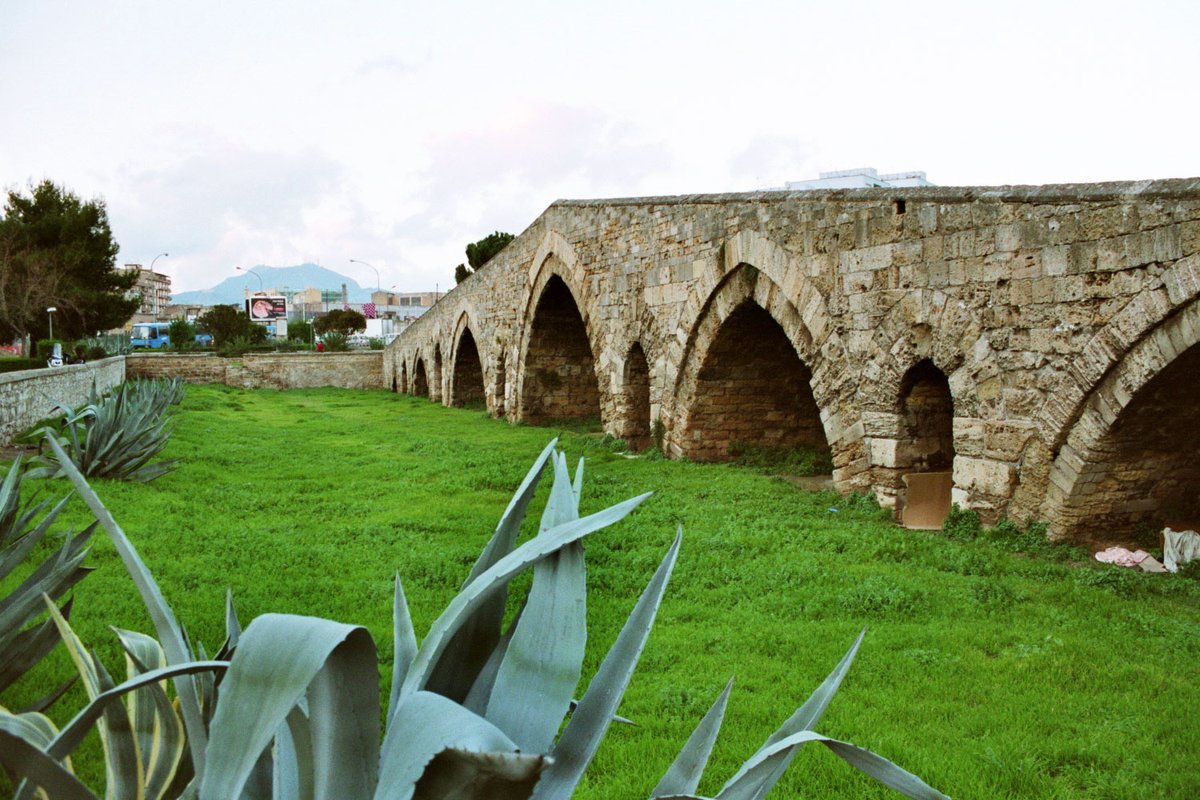
- Ponte dell’Ammiraglio A Norman bridge of historical significance.
- La Vucciria Market A bustling historic marketplace.
- Palermo Cathedral An architectural landmark blending Norman, Gothic, and Baroque elements.
All are within a short distance and together offer a comprehensive view of Palermo’s historical and cultural richness.
Frequently Asked Questions (FAQ)
Q: What are the visiting hours?
A: Tuesday to Sunday, typically 9:00 AM to 1:00 PM (sometimes also 3:00 PM to 6:00 PM). Closed on Mondays and public holidays.
Q: Is there an admission fee?
A: No, entry is free; donations are appreciated.
Q: Are guided tours available?
A: Yes, by appointment or during special events.
Q: Is the church accessible for people with disabilities?
A: Accessibility is limited due to historic architecture. Contact ahead for details.
Q: Can I take photos inside?
A: Yes, non-flash photography is permitted.
Visuals and Virtual Tour
For virtual tours and further images, visit the Official Palermo Tourism Website.