About Hafen von Palermo
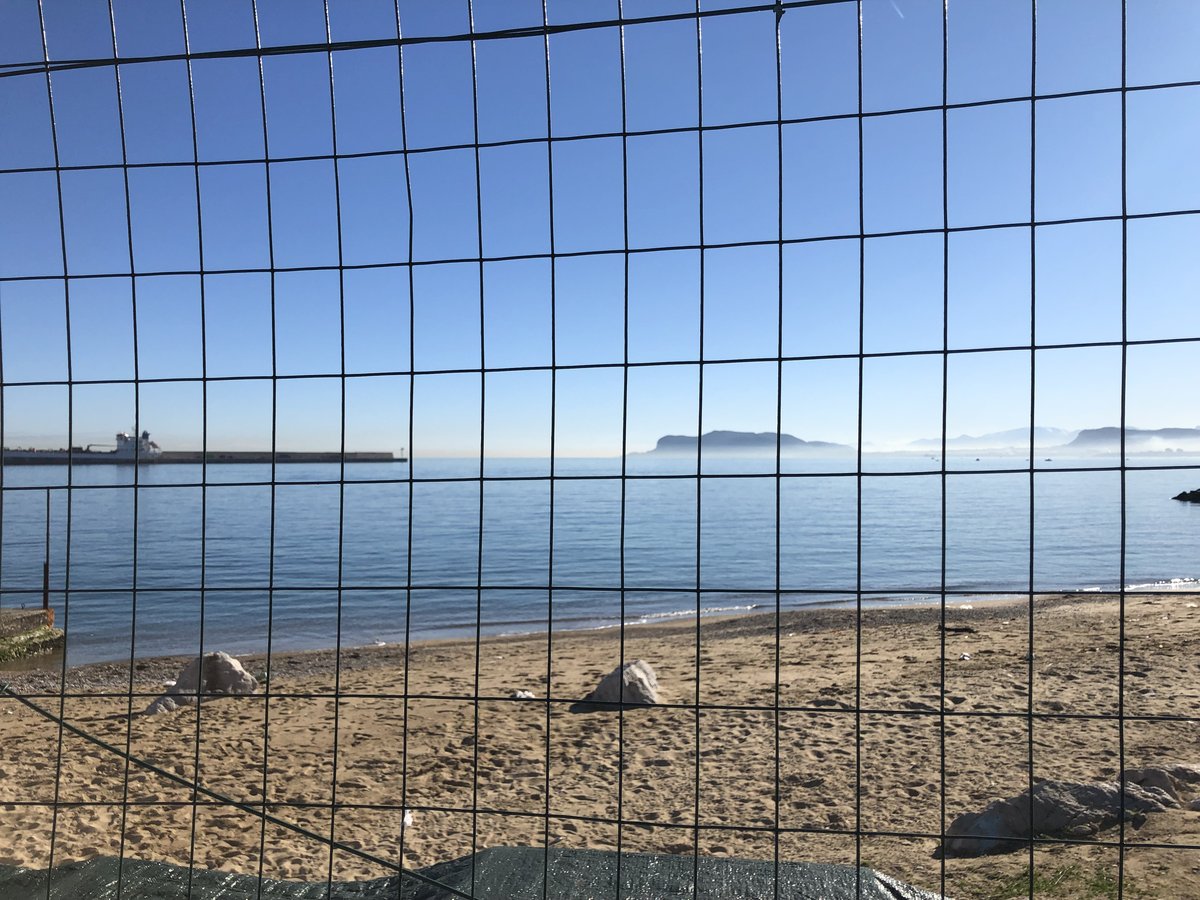
Palermo Harbor, or Hafen von Palermo, is officially known as Porto di Palermo. It is both a gateway to the city and a working port with a long maritime history and a continuing role in Palermo’s economy and culture. Today, it handles containers, vehicles and passenger ferries.
The waterfront has historic buildings, markets, fishing boats and yachts. A walk along the harbor offers views of the water and access to sights in the city and beyond, including the Aeolian Islands. The harbor’s history and cultural significance are described in Discover Palermo Harbor.
History
Ancient Beginnings and Punic Power
The natural harbor was recognized for its trading potential by the Phoenicians, who established a presence here as early as the 8th century BC. The harbor connected them to important Mediterranean trading routes.
Under Carthaginian rule, Palermo’s harbor became a key naval base and part of a wider trading network. Remains of Punic shipyards and harbor infrastructure attest to this period of maritime activity.
Roman Rule and Beyond
After Rome’s victory in the Punic Wars, Palermo and its harbor came under Roman control in 254 BC. The Romans expanded the harbor’s infrastructure and capacity, establishing it as a major port in the Roman Empire.
After the fall of Rome, the harbor remained a coveted strategic asset. The Byzantines, Arabs and Normans each influenced the city and its harbor.
Arab Influence
The Arab conquest of Sicily in the 9th century AD ushered in a period of growth and prosperity. Palermo became a center of trade, with routes connecting Sicily to North Africa, the Middle East, India and China. Ships brought spices, fabrics and other goods, while new agricultural products and techniques helped increase the harbor’s importance as an export center. More on the port’s history is available at Palermo Harbor History.
Norman Conquest and Medieval Prosperity
The Norman conquest of Sicily in the 11th century marked another turning point. The Normans maintained Palermo’s role as a trading hub and invested in its defenses, including the construction of Castello a Mare to guard the harbor entrance. Palermo’s shipyards produced warships and merchant ships, and the harbor attracted merchants, sailors and travelers from across the Mediterranean.
From Spanish Rule to Modern Times
In later centuries, the harbor remained significant under Spanish and Bourbon rule and, eventually, the unified Kingdom of Italy. It supported Sicily’s economy by facilitating exports such as citrus fruits and wine. In the 20th century, modernization projects adapted it to larger vessels and increased traffic.
What to See
Around the Harbor
The harbor area offers waterfront views, historic buildings and markets. The Church of San Giovanni dei Lebbrosi showcases Norman architecture with Arab influences. La Vucciria, one of Palermo’s oldest markets, is known for its fresh produce, seafood and local delicacies.
The harbor is also a gateway to the Aeolian Islands, known for their volcanic scenery and villages.
Historical Sites
Norman Palace (Palazzo dei Normanni)
Originally a Punic fortress, the palace later served as the seat of power for Arab emirs and Norman kings. It houses the Sicilian Regional Assembly and is a UNESCO World Heritage Site. Its highlight is the Cappella Palatina, with Arab-Norman architecture, intricate mosaics and a gilded ceiling.
- Visiting hours 8:15 AM–5:40 PM; closed on Sundays
- Tickets €12
- Website federicosecondo.org
Palermo Cathedral (Cattedrale di Palermo)
The cathedral combines Norman architecture with later Gothic, Baroque and Neoclassical additions. Its royal tombs, treasury and rooftop views are among its features.
- Visiting hours 7:00 AM–7:00 PM
- Tickets Free entry; rooftop access €5
- Website cattedrale.palermo.it
Capuchin Catacombs (Catacombe dei Cappuccini)
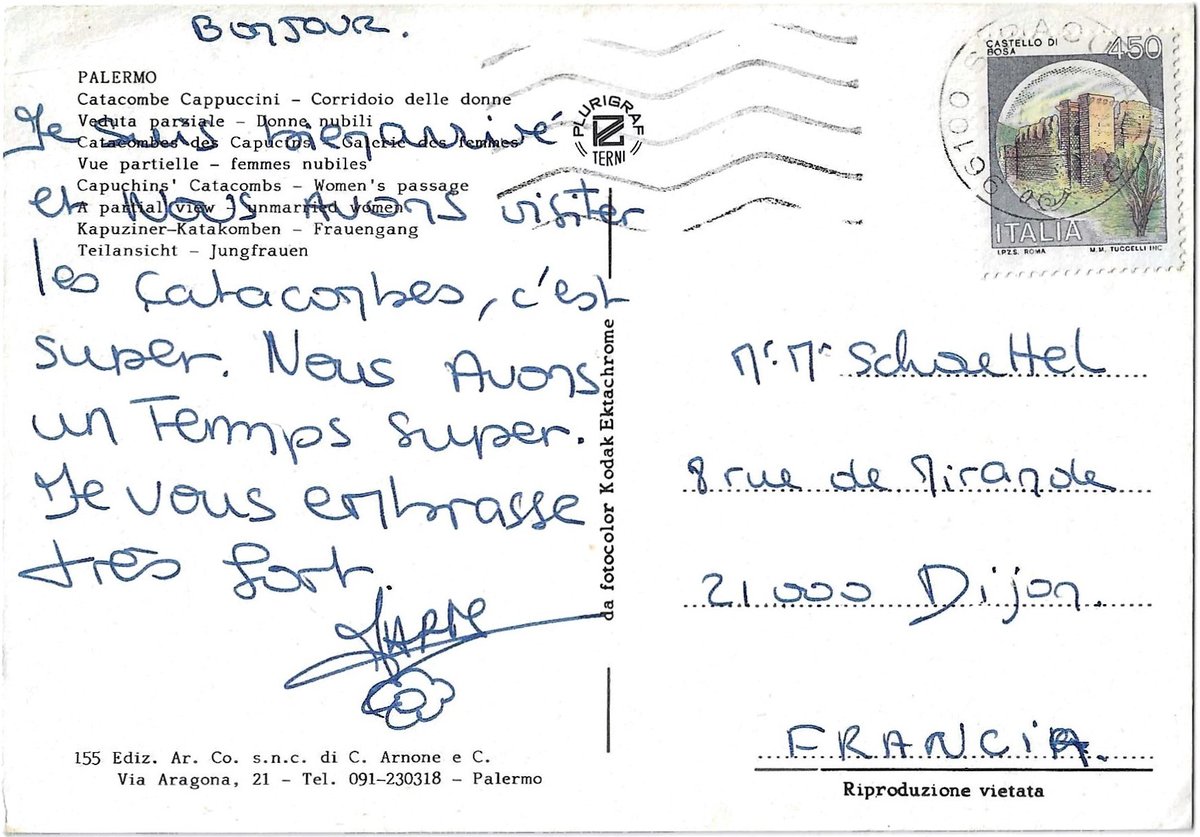
The catacombs hold thousands of mummified bodies, naturally preserved through an ancient dehydration process. They offer a glimpse into past burial practices and social strata.
- Visiting hours 9:00 AM–1:00 PM and 3:00 PM–6:00 PM
- Tickets €3
- Website catacombepalermo.it
Teatro Massimo
One of Europe’s largest opera houses, Teatro Massimo reflects Palermo’s cultural heritage. Visitors can attend a performance or take a guided tour.
- Visiting hours 9:30 AM–5:00 PM
- Tickets Tour costs €8
- Website teatromassimo.it
Markets and Squares
Ballarò Market
This busy open-air market sells fresh produce, seafood, street food, clothing and souvenirs. It is also a place to sample traditional Sicilian delicacies.
- Visiting hours Daily, 8:00 AM–8:00 PM
Vucciria Market
A historic market known for its lively atmosphere, especially in the evenings. It is smaller than Ballarò and has street-food vendors and fresh produce.
- Visiting hours Daily, 8:00 AM–8:00 PM
Piazza Pretoria
This elegant square is home to the 16th-century Fontana Pretoria, decorated with numerous sculptures. Notable buildings nearby include the Church of Santa Caterina and Palazzo Pretorio (City Hall).
Quattro Canti
Known as the “Theater of the Sun,” this octagonal square sits at the intersection of two main streets. Its Baroque façades include fountains and statues representing the four seasons, the four Spanish kings of Sicily and Palermo’s patron saints.
Museums and Galleries
Museo Archeologico Regionale Antonio Salinas
The museum’s collection covers prehistoric times through the Roman era and includes finds from Selinunte, Himera and other Sicilian archaeological sites. Highlights include the Palermo Stone, a predecessor to the Rosetta Stone, and metopes from the Temple of Selinus.
- Visiting hours 9:30 AM–6:30 PM; closed on Mondays
- Tickets €6
- Website regione.sicilia.it/beniculturali/museosalinas
Galleria Regionale della Sicilia (Palazzo Abatellis)
Housed in a 15th-century palace, the gallery displays Sicilian art from the Byzantine period to the 18th century. Its collection includes Antonello da Messina’s Annunciation.
- Visiting hours 9:00 AM–6:00 PM; closed on Mondays
- Tickets €8
- Website galleriadartemedievalemodernapalermo.it
Museo Internazionale delle Marionette Antonio Pasqualino
This museum celebrates Sicilian puppet theater and has puppets from around the world, showing the history and artistry of the tradition.
- Visiting hours 10:00 AM–6:00 PM; closed on Sundays
- Tickets €5
- Website museodellemarionette.it
Gardens and Outdoor Spaces
Palermo Botanical Garden (Orto Botanico di Palermo)
A city-center garden with plants from around the world, greenhouses, towering trees and a pond.
- Visiting hours 9:00 AM–5:00 PM
- Tickets €5
- Website ortobotanico.unipa.it
English Garden (Giardino Inglese)
This public park offers paths, sculptures and a green escape from the city, with views of the Tyrrhenian Sea.
Mondello Beach
A short drive from Palermo, Mondello is known for its fine sand and clear waters. Activities include swimming and watersports.
Practical Visiting Information
Opening Hours, Tickets and Tours
The harbor area is generally accessible to the public 24/7, and entry is free. Individual attractions have their own visiting hours and ticket prices; Castello a Mare and guided tours may require tickets. Various guided tours explore the harbor’s history and nearby historic sites. Check attraction websites or local information centers for current prices and availability.
Getting Around
The harbor and many attractions in Palermo’s historic center are walkable. Palermo has buses and a limited metro line; the AMAT website (amat.pa.it) provides route information and schedules.
Taxis are readily available but can be expensive. Use licensed taxis and agree on a fare beforehand. Palermo also has a bike-sharing program. Car rental can be useful for exploring further afield, though driving in Palermo can be chaotic and parking challenging and expensive.
Port Transportation
Most cruise ships dock at Stazione Marittima, a modern cruise terminal within walking distance of the city center. Ferry services operate from Molo Santa Lucia, connecting Palermo with other Italian islands and mainland destinations. Taxis and buses are available outside the cruise and ferry terminals, and Palermo Centrale train station is a short taxi ride away.
Accommodation
Palermo has accommodation ranging from budget-friendly hostels to luxury hotels. The historic center offers easy access to attractions, while accommodation near the beach offers a more relaxed setting. Booking in advance is recommended, especially during peak season.
Food and Drink
Palermo is known for street food and Sicilian cuisine. Local dishes and treats include:
- Arancini Deep-fried rice balls with various fillings.
- Sfincione Thick Sicilian pizza topped with breadcrumbs, onions and caciocavallo cheese.
- Pani ca Meusa Soft bread rolls filled with chopped spleen and lung.
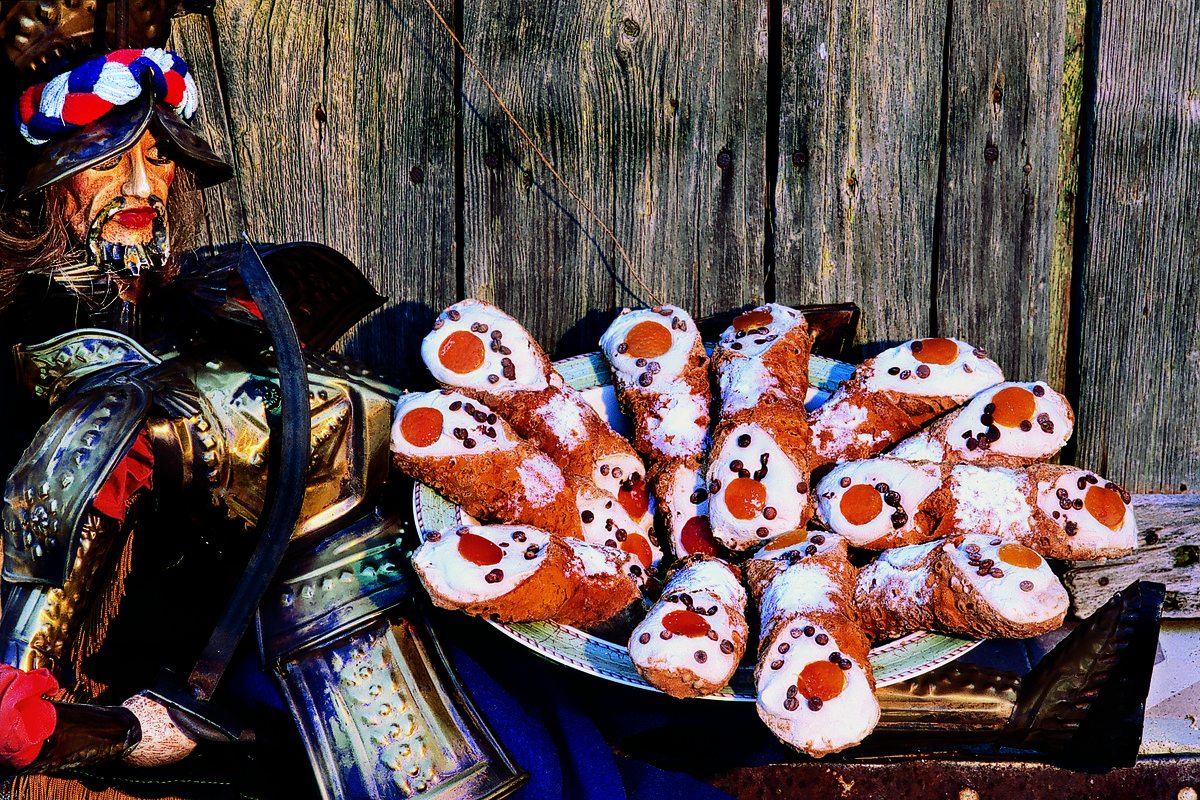
- Cannoli Crispy pastry shells filled with sweet ricotta cream.
- Granita A semi-frozen dessert made with fruit, sugar and water.
Markets such as Ballarò and Vucciria offer an authentic culinary experience. The harbor’s eateries also serve local seafood.
Language and Currency
Italian is the official and primary language. English is spoken in tourist areas, and many tour guides and service staff speak English. Learning a few basic Italian phrases can enhance an experience and is appreciated by locals.
The currency is the Euro (€). ATMs are widely available, and credit cards are accepted in most establishments.
Tips for Visiting
When to Go
Spring and autumn are ideal for pleasant weather and fewer crowds. Spring, especially April–May, brings pleasant weather, fewer crowds and blooming flora. Autumn, especially September–October, offers warm temperatures, manageable crowds and the grape harvest season. Late spring and early fall are also good times for comfortable weather and fewer crowds. Summers can be extremely hot; winters are milder but bring occasional rain.
Safety and Health
Palermo is generally safe for tourists. Be aware of your surroundings, especially at night and in crowded areas; keep valuables secure and avoid displaying large amounts of cash. Pickpockets may operate in crowded areas, markets and on public transportation.
No special vaccinations are required for visitors from most countries. Travel insurance that covers medical expenses is advisable. Tap water is generally safe to drink, and bottled water is readily available.
Local Customs
Dress modestly when visiting religious sites. It is considered polite to greet people with “Buongiorno” (good morning/day) or “Buonasera” (good evening). Tipping is not mandatory but is appreciated for good service.
Shopping
Palermo’s shopping includes high-end boutiques and traditional artisan workshops. Items to look for include hand-painted ceramics from Monreale and Caltagirone; leather bags, belts and jackets; hand-woven carpets, rugs and textiles with traditional designs; and local food products such as olive oil, wine, pesto and sweets.
Itinerary Ideas
One day:
- Explore the historic center, including Palermo Cathedral, Palazzo dei Normanni and Teatro Massimo.
- Wander through Ballarò market and sample street food.
- Relax on the waterfront promenade and enjoy the sunset.
Two days:
- Visit the Capuchin Catacombs, a monastery with mummified bodies.
- Take a day trip to Monreale to see the mosaics in the Duomo.
- Have a traditional Sicilian dinner in a local trattoria.
Three days:
- Explore Cefalù, known for its beach and Norman cathedral.
- Hike to the top of Monte Pellegrino for panoramic views of Palermo and the coastline.
- Take a cooking class and learn to prepare Sicilian dishes.
Nearby Places
Day Trips from Palermo
- Monreale Just outside Palermo, it is home to the Duomo di Monreale, known for its Byzantine mosaics, and the cloister of the Benedictine monastery.
- Cefalù A seaside town with a historic center, sandy beach and Norman cathedral.
- Segesta and Erice Visit the ancient Greek temple of Segesta and the medieval hilltop town of Erice, which offers views of the surrounding countryside.
- Aeolian Islands Accessible from the harbor, these islands are known for their volcanic scenery and villages.
Other destinations in Sicily include:
- Agrigento Home to the Valley of the Temples, a UNESCO World Heritage Site.
- Taormina A hilltop town with views of Mount Etna and the Ionian Sea.
- Syracuse An ancient Greek city with archaeological sites.
- Mount Etna Europe’s highest active volcano, with hiking trails and views.
FAQ
What are the visiting hours for Palermo harbor?
The harbor area is generally open to the public 24/7, but specific attractions may have their own hours.
Is there an admission fee for Palermo harbor?
Entry to the harbor is free. Some attractions, including Castello a Mare, and guided tours may require tickets.
How can I buy tickets for Hafen von Palermo?
Check the relevant attraction’s official website or a local information center for current prices and availability.
Can I take a guided tour of Palermo harbor?
Yes. Guided tours explore the harbor’s history and may include nearby historical sites.
What are some nearby attractions?
Nearby attractions include La Vucciria Market, the Church of San Giovanni dei Lebbrosi and the Aeolian Islands.
Is Palermo harbor accessible for visitors with disabilities?
The harbor is generally accessible, though some historic sites may have limited accessibility. Checking with specific attractions in advance is advisable.
What are Palermo Cathedral’s visiting hours?
The cathedral is open daily from 7:00 AM to 7:00 PM.
How much are tickets for the Norman Palace?
Tickets cost €12.