History and Development
Origins and Early Growth
The Museo di Mineralogia’s roots date to the 19th century when the University of Palermo began amassing mineralogical collections for academic purposes. Early contributions from researchers and collectors laid the foundation for a scientific resource reflecting the European tradition of natural history (ViaggiArt).
Institutional Evolution
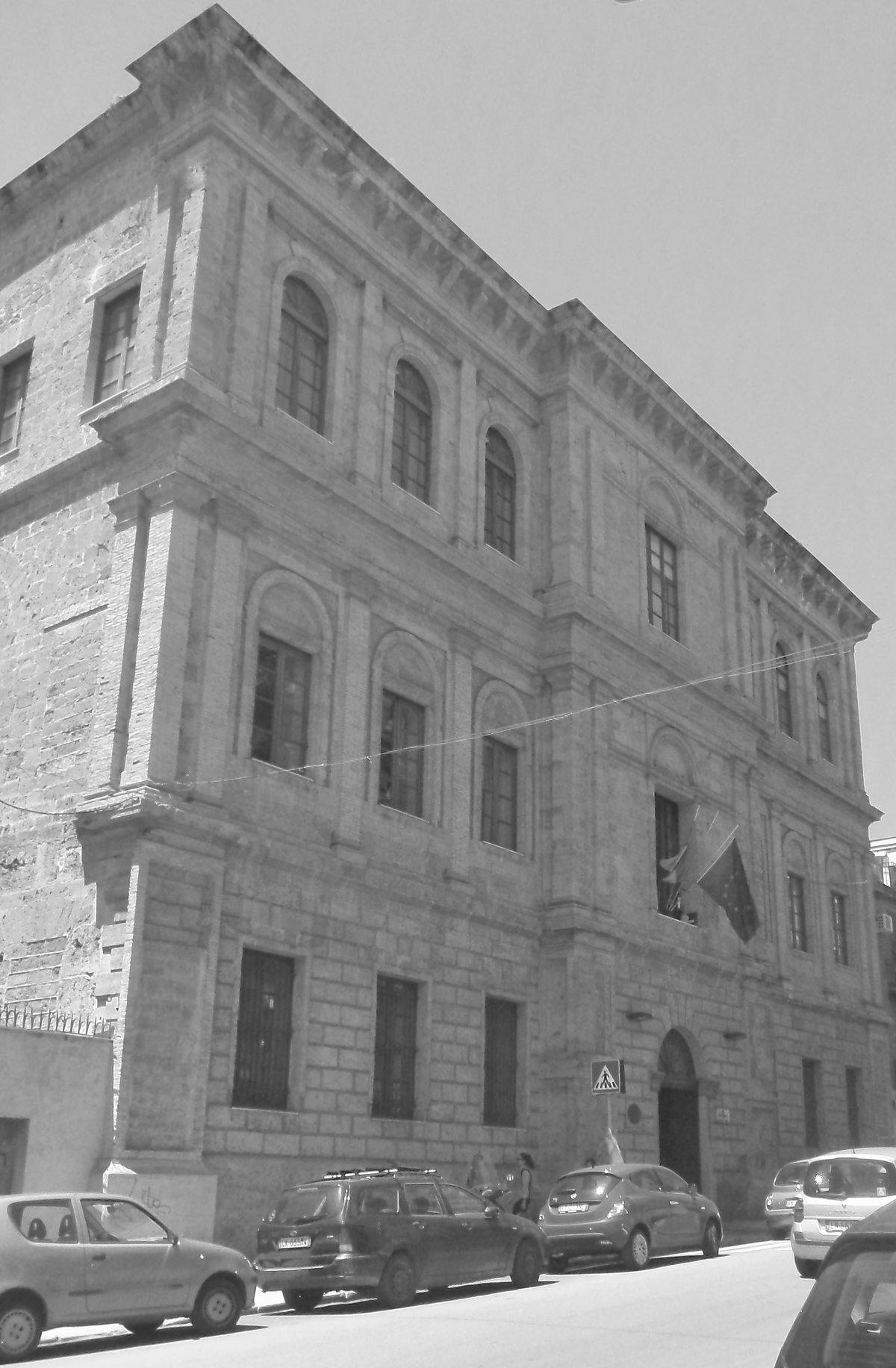
By the early 20th century, the museum found its home in the university’s Palazzo dell’Università on Via Maqueda. Under the leadership of prominent mineralogist Carlo Perrier in 1929, the collection expanded with a rigorous scientific approach (Gli Strumenti di Segre-Perrier, PDF). In 1932, the museum moved to Via Archirafi 36, aligning with the creation of the Istituto di Mineralogia—an important milestone that provided a larger, specialized space for research and exhibitions.
Challenges and Modern Integration
The museum has faced periods of disruption, with losses and dispersals during relocations and historical upheavals. Restoration and cataloguing efforts in recent years have ensured the preservation and accessibility of its invaluable collections (Gli Strumenti di Segre-Perrier, PDF). Today, it operates under the Department of Earth and Marine Sciences (DiSTeM), embracing an interdisciplinary approach to science, education, and public outreach.
Collection Highlights
Sicilian and Mediterranean Minerals
The museum’s core collection centers on minerals and rocks from Sicily and the broader Mediterranean, reflecting the island’s volcanic origins and tectonic history.
- Sulphur Crystals Iconic to Sicily’s mining history, these vibrant yellow specimens illustrate the region’s economic and geological significance.
- Gypsum and Salt Minerals Products of ancient evaporite basins, these minerals are vital to understanding the Messinian Salinity Crisis and Sicily’s mining past.
- Volcanic Rocks Basalt and pumice from Mount Etna and the Aeolian Islands showcase the island’s ongoing geological activity.
Meteorites and Cosmic Connections
A standout feature is the museum’s meteorite collection, offering a tangible link to the origins of the solar system. These specimens, some found locally, are both scientifically invaluable and visually striking (PMO Card).
Crystals, Gems, and Fossils
- Semi-precious Stones Agates, jaspers, and quartz highlight the region’s artisanal traditions.
- Amber and Coral Organic gems connected to Mediterranean trade routes.
- Fossils Fossil specimens embedded in sedimentary rocks illuminate the island’s ancient environments.
Historical Scientific Instruments
The museum houses a collection of historic tools and apparatus, tracing the evolution of mineralogical research from the classical period through the modern era (Gli Strumenti di Segre-Perrier, PDF).
Visitor Information
Location and Access
- Address Via Archirafi, 36, 90123 Palermo, Italy
- Access Easily reachable by public transport (bus 221) or a 20-minute walk from Palermo Centrale railway station (Musei Unipa).
- Parking Limited street parking; public transit recommended.
Opening Hours and Booking
- Hours Monday to Friday, 9:00 AM – 2:00 PM
- Entry By advance appointment only
- Booking Email [email protected] or call +39 091 23861648
Tickets
- Standard Ticket €3.00
- Reduced (Groups/School) €2.00
- PMO Card Holders €1.00 (PMO Card)
- University Students/Staff Free
- Payment On-site, cash preferred
Accessibility
- Wheelchair accessible with elevators and ramps
- Main exhibits on the ground floor
- English-speaking guides available upon request
Facilities
- Restrooms available
- No cloakroom or café; light travel recommended
- Educational materials and mineral samples may be available during special events
Unique Features and Educational Value
Guided and Self-Guided Tours
- Guided tours led by university staff or researchers provide an in-depth, interactive experience tailored to all ages.
- Self-guided visits are possible by request, with some exhibition materials available in English (Musei Unipa).
Interactive and Educational Exhibits
- Hands-on mineral identification stations
- Geological maps and models of Sicily’s tectonic history
- Multimedia presentations explaining mineral origins and uses
Visual and Photographic Highlights
- Striking displays of sulfur crystals, meteorites, and unique fossils
- Non-flash photography allowed; confirm policy on arrival
Nearby Attractions and Travel Tips
- Orto Botanico di Palermo The Botanical Gardens are within walking distance, ideal for a combined science and nature excursion (PalermoViva).
- Museo Geologico “G. G. Gemmellaro” A recommended nearby stop for those interested in paleontology and regional geology.
- Cafés and Eateries Available on Via Lincoln and Via Archirafi.
- Travel Tip Book at least a week in advance due to the museum’s popularity and appointment-only policy.
Frequently Asked Questions
Q: How do I book a visit?
A: Contact the museum by email ([email protected]) or phone (+39 091 23861648) to reserve your spot.
Q: Are guided tours available in English?
A: Yes, request an English-speaking guide when booking.
Q: Is the museum suitable for children?
A: Absolutely! Interactive and educational displays cater to visitors of all ages.
Q: Can I take photographs?
A: Non-flash photography is generally permitted; check with staff upon arrival.
Q: Is the museum wheelchair accessible?
A: Yes, with accessible entrances and facilities.
Q: Is there an admission fee?
A: Standard tickets are €3.00, with discounts for groups, school visits, and PMO Card holders.