History and Origins
The Museo di Macchine “Enrico Bernardi” was established in 1941, marking the centenary of Bernardi’s birth. Originally based on a donation of personal archives and mechanical artifacts by Bernardi’s heirs, the museum’s collection has expanded over the decades and found its permanent home in the Department of Industrial Engineering since 2014. The museum serves not only as a repository of historic machines but also as a center for research and public education on the development of the internal combustion engine (macchine.musei.unipd.it).
Enrico Bernardi: The Inventor Behind the Machines
Enrico Bernardi (1841–1919), born in Verona, was an engineer and professor whose inventions shaped the future of automotive engineering. In 1884, he built what many consider to be the world’s first gasoline-powered three-wheeled vehicle. His research encompassed engine mechanics, fuel systems, and manufacturing methods, securing his legacy as a true innovator. The museum’s preserved notebooks and technical drawings offer a window into the ingenuity and challenges of late 19th-century engineering (midaticket.it).
Museum Highlights and Exhibits
The museum’s collection allows visitors to trace the evolution of engine technology and early automobiles through:
- Atmospheric Engines Early prototypes highlighting the transition from steam to internal combustion.
- Motrice Pia (1882) One of the earliest gasoline engines, originally built to power a sewing machine and later adapted for a tricycle.
- Lauro Tricycle (1884) Europe’s first gasoline-powered vehicle, designed for Bernardi’s son.
- Three-Wheeled Automobile (1894) A significant step in automotive history, with original registration records.
- Single-Wheel Trolley An innovative bicycle engine attachment.
- Original Documents and Technical Drawings Detailed plans, patents, correspondence, and photographs contextualizing Bernardi’s work.
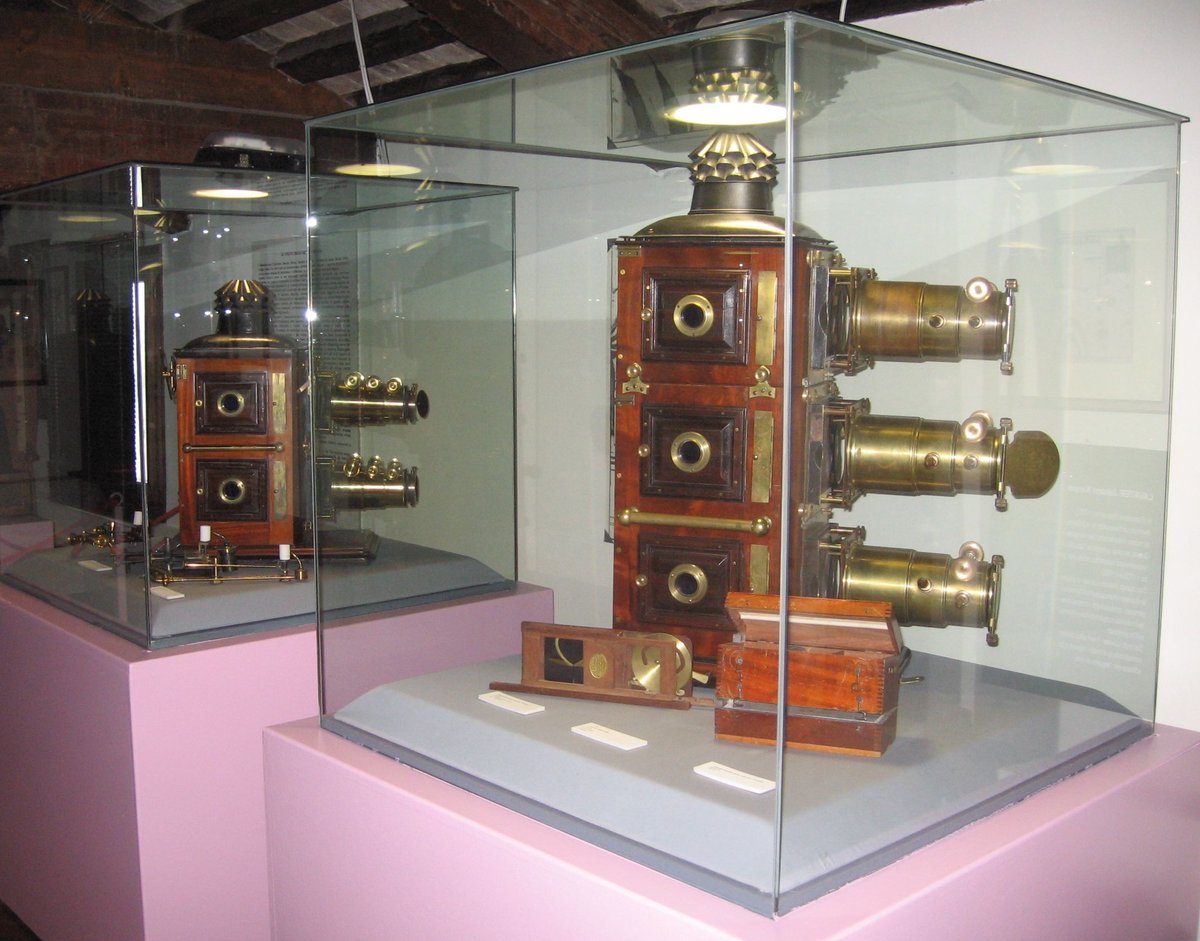
Many engines have been carefully restored and are featured in multimedia presentations and interactive displays, offering hands-on insight into mechanical principles (macchine.musei.unipd.it).
Visiting Hours, Tickets, and Location
Opening Hours
- Standard Visits Primarily by appointment; standard open hours are typically weekdays 9:00 AM–1:00 PM, but may vary due to academic schedules.
- Public Open Days Occasionally, the museum opens one Sunday per month or for special events. Always confirm current hours before your visit.
Ticket Information
- Admission Free for individual visitors; nominal fee may apply for group tours, educational workshops, or special events.
- Booking Advance booking is essential. Contact the museum via email ([email protected]) or phone (+39 049 827 6781), or check the museum’s official site.
- Guided Tours Available in Italian and English upon request; recommended for a deeper understanding of the exhibits.
- Online Tickets Special events and group visits can be reserved online (midaticket.it).
Location and Transport
- Address Via Venezia 1, 35131 Padova, Italy (University of Padua, Department of Industrial Engineering)
- Public Transport Easily reachable via tram (Università stop) and local buses. The museum is a short walk from central Padua attractions.
- By Car Limited parking nearby; public transport is recommended due to restricted vehicle access in the university district (Padova Tram Map).
Accessibility and Visitor Facilities
- Physical Access Ground-floor access via ramps; some spaces may require advance notice for mobility accommodations.
- Facilities Cloakroom and restrooms available; no in-house café, but several dining options are nearby.
- Exhibit Labels Primarily in Italian; English materials and guided tours are available upon request.
- Photography Non-flash photography is permitted for personal use; check for restrictions on specific artifacts.
Educational Activities and Research Role
The Museo di Macchine “Enrico Bernardi” functions as a living laboratory, supporting formal research, university teaching, and public outreach. The museum offers:
- Guided Tours and Workshops Hands-on activities for school groups, families, and adult learners, with workshops aligned to STEM curricula (Musei Unipd).
- Digital Resources Extensive digital archives with technical drawings, patents, and photographs; interactive monitors in the exhibition space (Macchine Musei Unipd).
- Academic Collaboration Strong ties to the University of Padua’s Department of Industrial Engineering for research and scientific heritage preservation.
Travel Tips and Nearby Attractions
- Combine Visits The museum is close to other notable sites—Prato della Valle, Basilica of Saint Anthony, Orto Botanico di Padova, and additional university museums (Padua University Museums).
- Dining and Amenities Numerous cafés and restaurants in the university district; student-friendly options abound.
- Best Time to Visit Weekday mornings are quieter; Sundays may feature special programs but can be busier.
- Duration Allow 1–1.5 hours for a comprehensive visit.
Frequently Asked Questions (FAQ)
Q: What are the Museo di Macchine Enrico Bernardi visiting hours?
A: Visits are typically by appointment, weekdays 9:00 AM–1:00 PM; check the official website or contact the museum for current hours and public open days.
Q: How much are tickets?
A: Admission is generally free; group tours and special events may carry a nominal fee.
Q: Are guided tours available?
A: Yes, in Italian and English. Advance booking is recommended.
Q: Is the museum accessible for visitors with disabilities?
A: Yes, the main exhibition area is accessible; contact the museum for specific accommodations.
Q: Can I take photographs?
A: Non-flash photography is usually allowed; always confirm with staff.
Q: What is the best way to get there?
A: Use public transport (tram or bus) due to limited parking and restricted access in the university area.
Plan Your Visit
To ensure a smooth experience, book your visit in advance via the official museum website or by contacting the museum directly. Enhance your visit by downloading the Audiala app for audio guides and interactive content. For further exploration, consider combining your visit with other Padua historical sites and museums.