History of Piazza Napoleone
Origins and Early Development
Piazza Napoleone was commissioned by Elisa Bonaparte Baciocchi, Napoleon's sister, in 1805. As the Princess of Lucca, Elisa sought to modernize the city and create a grand public space reflecting Napoleonic grandeur. The square was named in honor of her brother, Napoleon Bonaparte.
Architectural Features
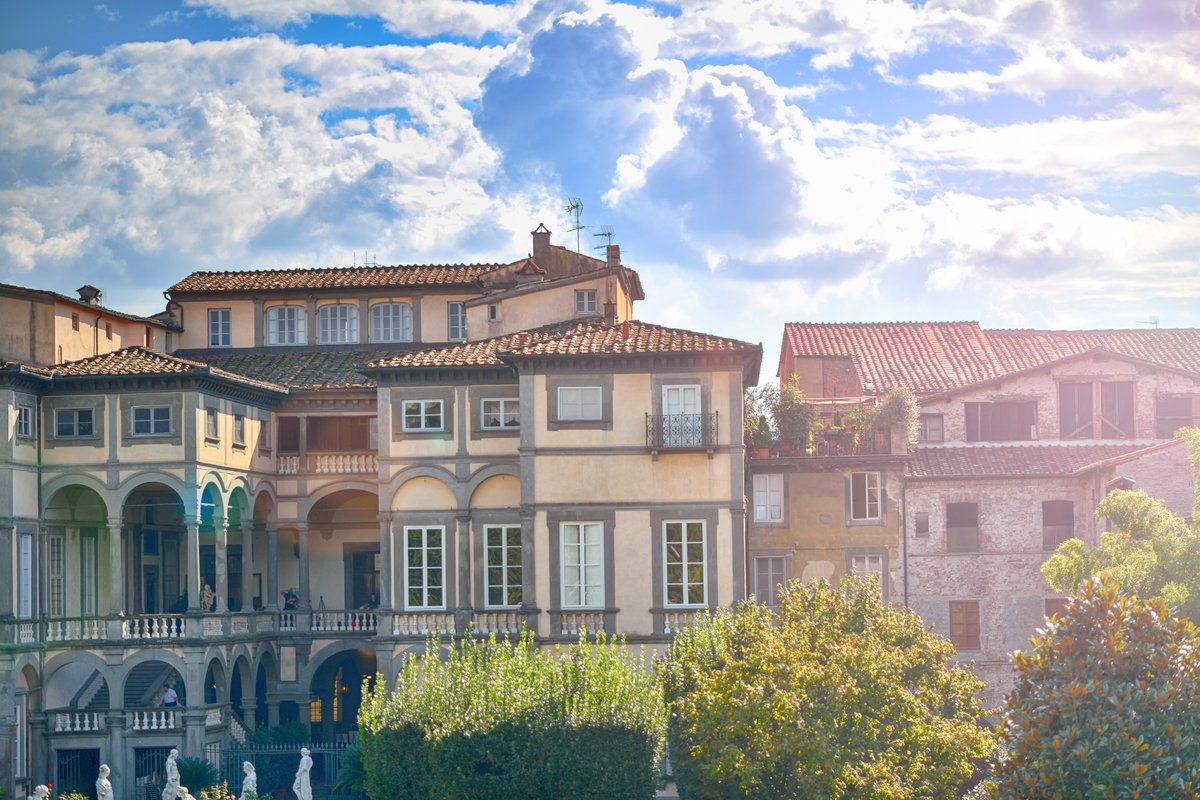
The neoclassical design of Piazza Napoleone was shaped by the prevailing architectural style of the Napoleonic era. Key landmarks include the Ducale Palace (Palazzo Ducale), which was extensively renovated under Elisa's direction, featuring an impressive façade and a serene courtyard.
Historical Significance
During the Napoleonic era, Piazza Napoleone symbolized the new political order and modernization. It served as a venue for public gatherings and official ceremonies. Even after Napoleon's fall, the square remained central to Lucca's civic activities, witnessing significant historical events like Lucca's transition to the Grand Duchy of Tuscany in 1847.
Cultural and Social Hub
Ducale Palace
The Ducale Palace is one of the most prominent landmarks facing Piazza Napoleone. Initially built in the 14th century, it was renovated during the Napoleonic era. The palace houses administrative offices and cultural institutions.
Giglio Theatre
Facing Piazza Napoleone, the Giglio Theatre is a cultural landmark hosting operas, concerts, and theatrical productions.
Visitor Tips
Best Time to Visit
The best time to visit Piazza Napoleone is during the summer months when the Lucca Summer Festival takes place. The pleasant weather also makes it ideal for exploring the square and its surroundings.
Visiting Hours and Tickets
Piazza Napoleone is accessible to the public at all times. Entry to the square is free, but specific events like the Lucca Summer Festival or performances at the Giglio Theatre may require tickets. Check the official event websites for ticket prices and availability.
Exploring the Square
Start your exploration by admiring the Ducale Palace and its courtyard. Then, visit the Giglio Theatre to experience Lucca's cultural scene.
Dining and Relaxation
Several cafes and restaurants line Piazza Napoleone, offering local Tuscan cuisine and a chance to relax amidst the lively atmosphere.
Nearby Attractions
Nearby attractions include the Piazza dell'Anfiteatro and the Guinigi Tower, both offering unique historical insights and panoramic views of Lucca.
FAQ
Q: What are the visiting hours for Piazza Napoleone? A: Piazza Napoleone is accessible 24/7. However, specific events may have designated times.
Q: Are there any ticketed events at Piazza Napoleone? A: Entry to the square is free, but events like the Lucca Summer Festival may require tickets.
Q: What are some nearby attractions? A: Piazza dell'Anfiteatro and the Guinigi Tower are close by and worth visiting.