
Ancient and Medieval Origins
Lucca’s defensive walls trace their roots to the Roman era, when initial fortifications protected the emerging settlement. Remnants of these ancient walls are still visible, attesting to Lucca’s strategic significance as a Roman colony. In the 13th century, as Lucca’s influence grew, the city expanded its fortifications to accommodate a larger population and assert regional power (Lucca News; Brunelleschi IMSS).
Renaissance Fortification
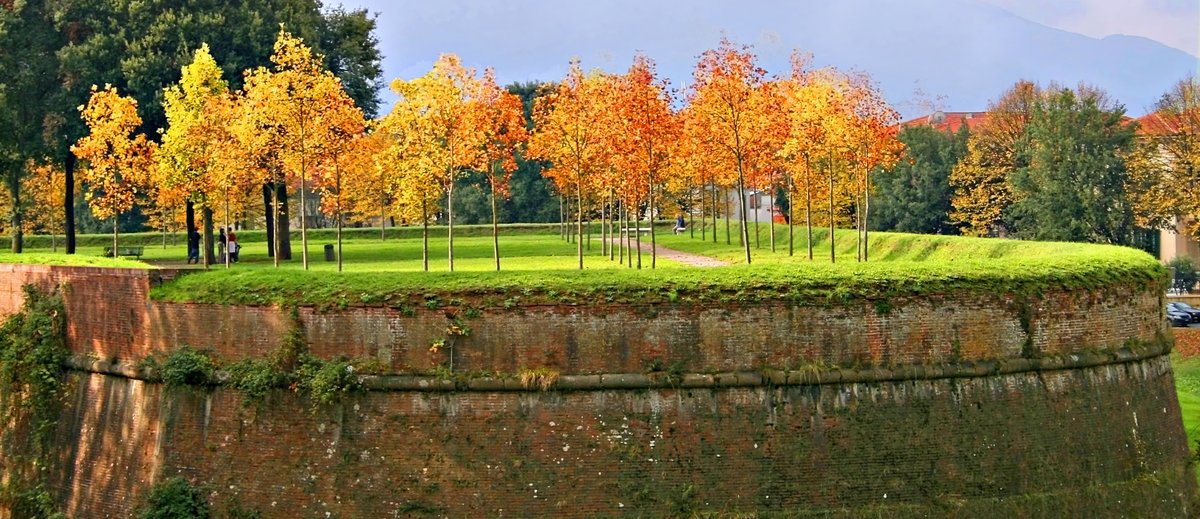
The most substantial transformation occurred between 1504 and 1650, when Lucca commissioned a new set of walls to counter the expansionist ambitions of neighboring city-states. The Renaissance walls—stretching over 4 kilometers and incorporating eleven bastions—were a feat of military engineering. Casermetta San Salvatore, perched atop the Baluardo San Salvatore, was a key guardhouse and munitions store, strategically positioned for coordinated defense (Wikipedia; Brunelleschi IMSS).
Architectural Features
The casermetta is characterized by sturdy brickwork, vaulted interiors, and direct access to the parapets. These elements provided both resilience against attack and practical functionality for soldiers stationed there.
Civic Transformation
Although the walls were never breached in battle, they played essential roles during emergencies, such as the flood of 1812. By the 19th century, their military purpose declined. Under Maria Luisa de Borbón, the walls were converted into a public promenade, and the casermette became integrated into the city’s social and cultural life (Lucca News).
Casermetta San Salvatore Today
Cultural Role and Events
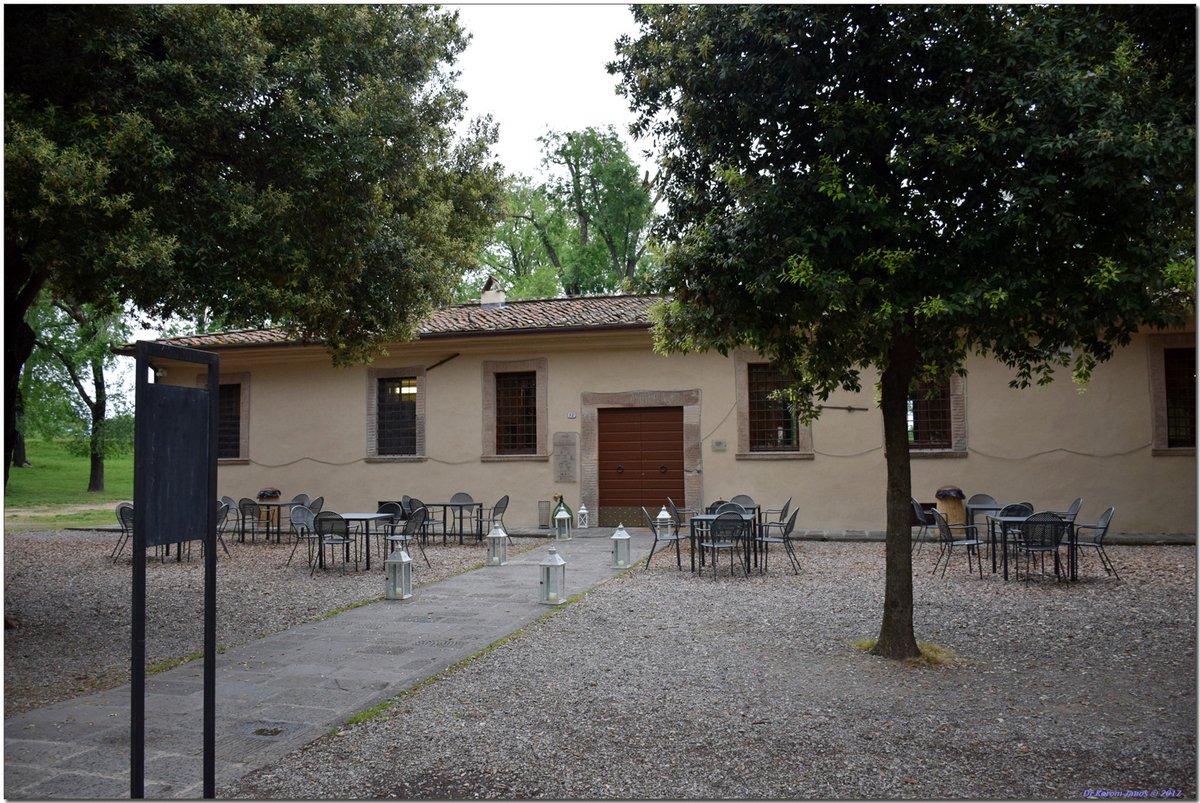
The casermetta has been thoughtfully restored and now serves as a visitor center, restaurant, and cultural venue. It hosts a variety of events, including world music concerts, language exchanges, and festivals such as Lucca Historiae Fest (Lucca Musica; Lucca Whats On). These gatherings foster intercultural dialogue and celebrate Lucca’s cosmopolitan spirit.
Gastronomy and Hospitality
The on-site restaurant and bar offer authentic Tuscan cuisine, local wines, and Italian coffee, with both indoor and outdoor seating overlooking the city’s walls and green spaces. Specialties include ragù, porchetta, and pasta, and the venue is known for its relaxing atmosphere and attentive service (Restaurant Guru). Community events such as “English Mondays” encourage socializing between locals and visitors.
Visitor Information
Visiting Hours
- Standard hours 10:00 AM to 6:00 PM daily (may vary by season and event).
- During festivals and special events Extended or altered hours—check the Via Francigena Entry Point website or call +39 334 1046719 for current information.
Tickets and Admission
- General access Free for the casermetta's restaurant and hospitality areas.
- Museum Casa del Boia (adjacent) Requires ticket—€5.00 full price, €4.00 reduced, free for children under 6, disabled visitors with companions, and certain other groups (Comune di Lucca). Tickets available online at Italy to Live or on-site.
- Guided tours Included in the ticket price for the Casa del Boia; generally run at 11:00, 12:00, 15:30, and 17:00.
Accessibility
- Physical access Level entry suitable for wheelchairs and strollers. Some areas may retain historic surfaces; staff can assist with specific needs.
- Disabled visitors Free admission for visitors with disabilities and their companions.
Facilities and Services
- Restrooms On-site.
- Seating Indoor and outdoor, with panoramic views.
- Wi-Fi and pets Not guaranteed; check with staff.
- Payment Major credit cards accepted; small cash recommended for incidentals.
Guided Tours and Events
- Tours Available by arrangement, especially during festivals.
- Events Cultural gatherings, concerts, language exchanges, and private functions are held regularly (Lucca Musica).
Directions and Parking
- Address Via dei Bacchettoni 8, 55100 Lucca, Italy.
- Access Easily reachable on foot from the city center or by bicycle along the walls.
- Parking Available near Porta San Pietro and Porta Elisa.
Enhancing Your Visit
Best Times and Practical Tips
- Morning or late afternoon Quieter and cooler, with beautiful light for photography.
- During festivals Experience special events and extended hours.
- Reservations Recommended for dining during peak times; call +39 389 76697 or email [email protected].
- Dress code Comfortable, casual attire and sturdy shoes for cobblestones.
Nearby Attractions
- Guinigi Tower, Piazza dell’Anfiteatro, Porta San Pietro, and other Lucca historical sites are within easy walking or cycling distance (The Crazy Tourist).
Economic and Community Impact
The adaptive reuse of Casermetta San Salvatore and Casa del Boia has generated new economic opportunities in Lucca. The hospitality and event venues support local employment, supply chains, and gastronomy, while event-driven revenue and collaborations with local organizations sustain year-round activity (Lucca in Diretta). Tourism spillover encourages longer visitor stays, with each additional night generating further local economic benefit (Alone Readers).
Frequently Asked Questions (FAQ)
Q: What are the Casermetta San Salvatore visiting hours?
A: Generally, 10:00 AM to 6:00 PM daily, with variations for special events. For the most up-to-date schedule, check the official site.
Q: Are tickets required?
A: Entry to the casermetta’s restaurant and hospitality area is free. Museum and guided tour access may require a ticket.
Q: Is Casermetta San Salvatore accessible to wheelchairs?
A: Yes, with level access and facilities for visitors with mobility needs.
Q: Can I attend events at Casermetta San Salvatore?
A: Yes, the venue regularly hosts concerts, language exchanges, and cultural events (Lucca Musica; Lucca Whats On).
Q: How can I get there?
A: Located on the northern section of Lucca’s walls, it is easily accessible by foot, bicycle, or public transport.