Origins and Development of the Stolpersteine Project
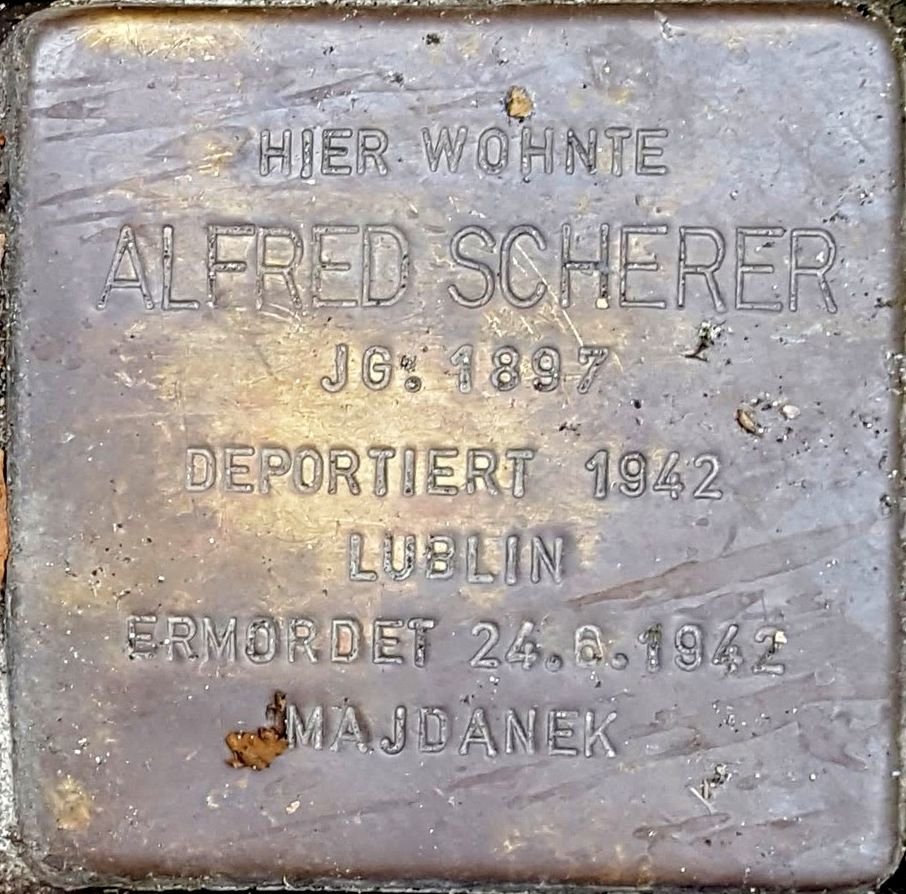
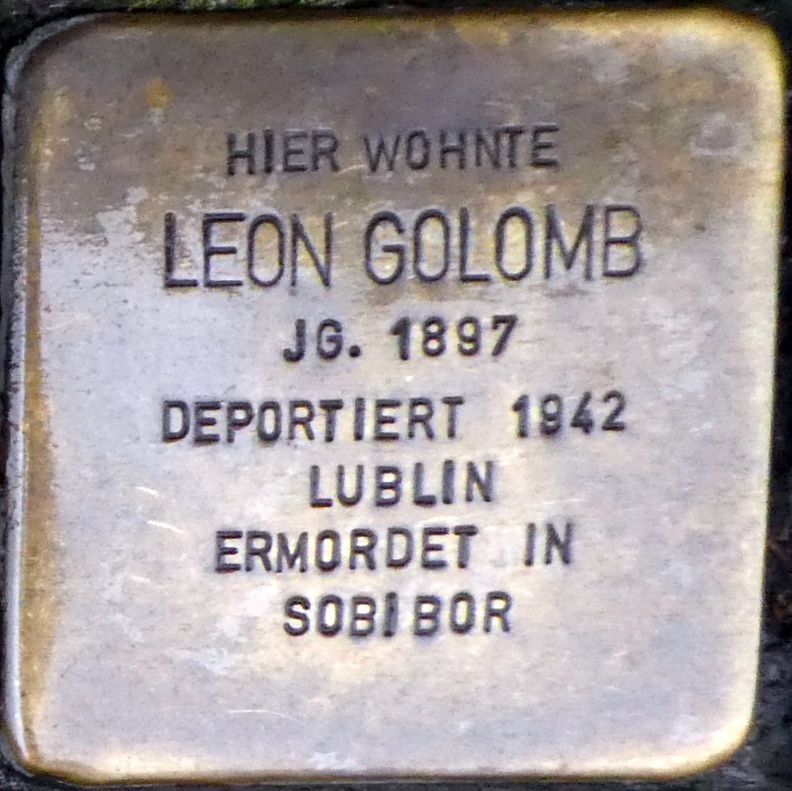
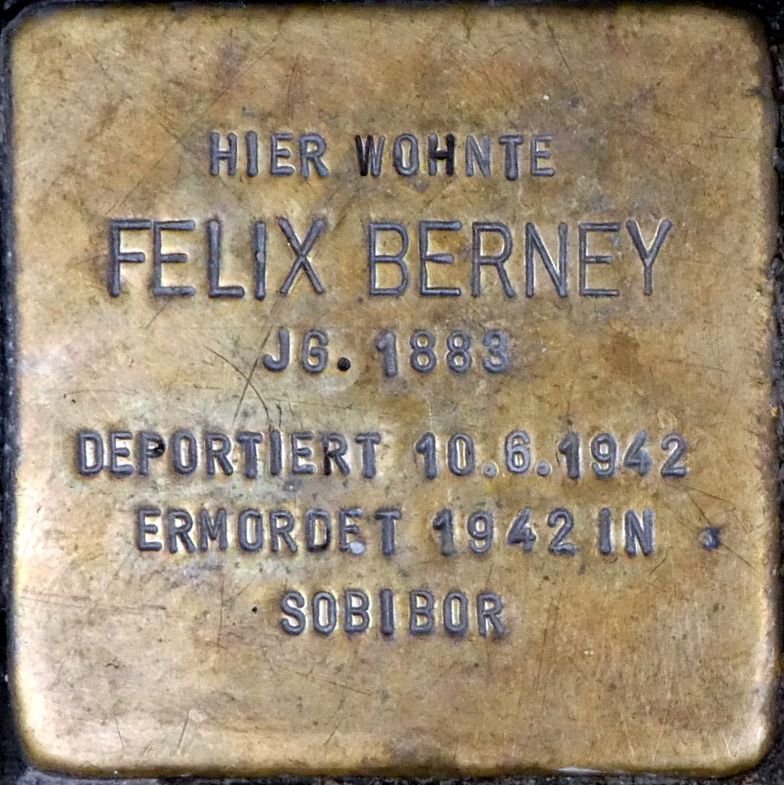
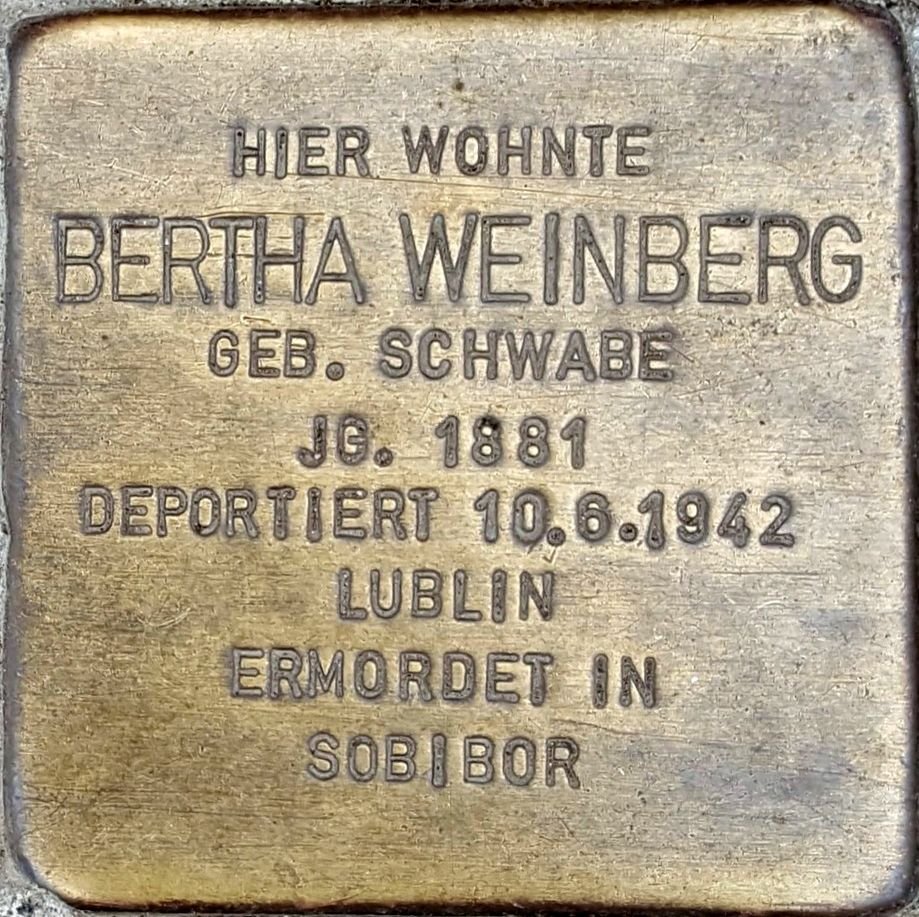
The Stolpersteine project is the world’s largest decentralized Holocaust memorial. Gunter Demnig began this initiative in the 1990s, embedding hand-engraved brass plaques in pavements at the last freely chosen residences of victims of Nazi persecution (fabriziomusacchio.com). Each Stolperstein measures 10 x 10 cm and is inscribed with the victim’s name, date of birth, fate, and, if known, the date and place of death (dif-ingelheim.de). This initiative personalizes remembrance, encouraging passersby to pause and reflect on individual stories.
As of 2025, over 100,000 Stolpersteine have been installed in 27 European countries, with Wiesbaden among the cities embracing this form of commemoration (de.wikipedia.org).
Emilie Kahn: Life, Family, and Cultural Contributions
Emilie Kahn (née Baer) was born in 1876 into a prominent Jewish family in Wiesbaden. Her father, Louis Baer, and mother, Jeanette Flörsheim, were integral to Wiesbaden’s economy and culture (jinh.lima-city.de). Emilie married Benjamin Kahn, a wine merchant, and they had two sons—one of whom died in childhood, and the other lost his life in World War I. The family lived at Kloppstockstraße 21, the location of Emilie’s Stolperstein (am-spiegelgasse.de).
A student of Clara Schumann, Emilie contributed to Wiesbaden’s musical heritage as a piano teacher, nurturing the city’s cultural life (am-spiegelgasse.de). Her story reflects both the vibrancy of pre-war Jewish life and the devastating impact of the Holocaust.
The Stolperstein Memorial to Emilie Kahn in Wiesbaden
Location and Description
- Address Kloppstockstraße 21, Wiesbaden, Germany
- Description The Stolperstein is a small brass plaque embedded in the sidewalk, inscribed with Emilie Kahn’s name and details of her fate.
- Significance It offers a tangible, personal connection to the history of Wiesbaden’s Jewish community.
Visiting Hours and Accessibility
- Hours Publicly accessible 24/7.
- Admission Free of charge.
- Accessibility The site is on a public sidewalk and is wheelchair accessible.
Guided Tours and Educational Programs
- Wiesbaden’s tourism office and local museums offer guided walking tours that include the Stolperstein for Emilie Kahn and other memorials. These tours provide deeper historical context and personal stories. Check with Wiesbaden Tourist Information for schedules.
Visiting Information and Travel Tips
- Getting There Wiesbaden is easily reached by train and local buses. The city center and historic neighborhoods are walkable.
- When to Visit The memorial can be visited year-round. Daylight hours are recommended for better visibility.
- Footwear Comfortable walking shoes are advised.
- Photography Discreet photography is allowed; consider taking respectful, reflective images.
- Apps and Digital Resources The "Stolpersteine in Wiesbaden" app provides maps and biographical information (jewiki.net).
Nearby Historical and Cultural Attractions
- Jewish Museum Wiesbaden Offers exhibitions on Jewish life and history.
- Synagogue Wiesbaden Historic synagogue with guided tours.
- Holocaust Memorials Several are located across the city.
- Aktive Museum Spiegelgasse Focuses on German-Jewish history in Wiesbaden.
Etiquette and Ethical Guidelines for Visitors
- Respectful Conduct Approach the Stolperstein quietly; avoid stepping directly on the plaque.
- Jewish Tradition Placing a small stone on the plaque is a traditional sign of remembrance.
- Photography Avoid selfies or disruptive behavior; share images with educational intent.
- Community Sensitivity The Stolperstein is in a residential area—avoid blocking entrances or disturbing residents.
- Maintenance Local groups often organize cleaning events; visitors are welcome to participate or donate to support upkeep (jewiki.net).
Community Engagement and Educational Impact
Wiesbaden’s Stolpersteine foster community involvement and education. Local schools, organizations, and volunteers research biographies, sponsor stones, and host ceremonies, especially on Holocaust Remembrance Day (27 January) and Kristallnacht (9 November). These activities transform public spaces into sites of learning and remembrance (dif-ingelheim.de).
Frequently Asked Questions (FAQ)
Q: Are Stolpersteine accessible year-round?
A: Yes, they are embedded in public sidewalks and can be visited anytime.
Q: Is there an admission fee?
A: No, visiting is free.
Q: Can I take photos?
A: Yes, but please do so respectfully.
Q: Where can I find guided tours?
A: Through the Wiesbaden Tourist Information.
Q: How can I support the Stolpersteine project?
A: Donate, sponsor a stone, or volunteer for cleaning and educational events.
Discover More
Visiting the Stolperstein for Emilie Kahn in Wiesbaden is a powerful act of remembrance. This small but significant memorial encapsulates the human dimension of the Holocaust, restoring individuality to its victims. The Stolperstein is accessible year-round, free of charge, and is best experienced as part of a guided tour or self-guided walk using digital resources like the Stolpersteine app (de.wikipedia.org; jewiki.net).
Wiesbaden’s broader network of historical and cultural sites—including the Jewish Museum and historic synagogues—provides a comprehensive understanding of its Jewish heritage. Engaging with these memorials contributes to the preservation of memory and counters forgetting and denial (tracesofwar.com; worldheritageusa.org).
Plan your visit to honor Emilie Kahn’s legacy and explore Wiesbaden’s rich cultural heritage. Download the Audiala app for interactive guides and follow local tourism channels for updates on events.