
Origins and Significance of the Stolpersteine Project
The Stolpersteine project was initiated by German artist Gunter Demnig in 1992 to memorialize individuals persecuted by the Nazi regime. The first plaques were installed in Cologne, with the project quickly expanding to other groups targeted by the Nazis, including Jews, Sinti and Roma, LGBTQ+ individuals, people with disabilities, political dissidents, and others (LBI News; Folklife Magazine).
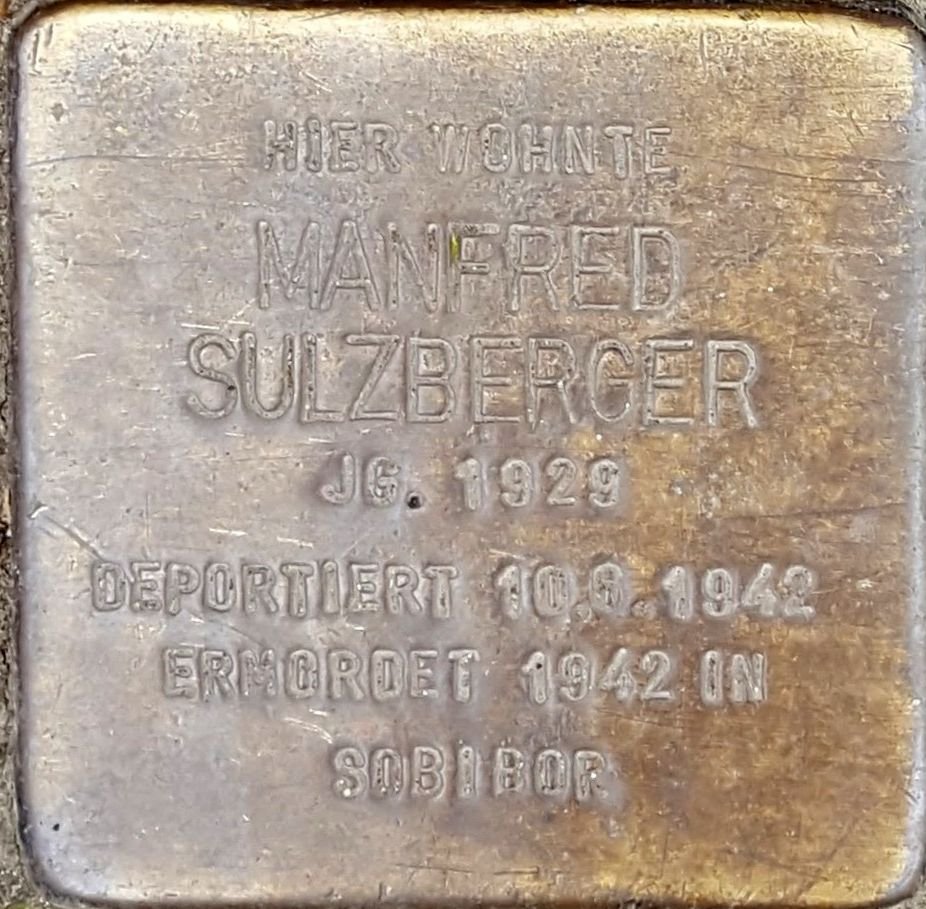
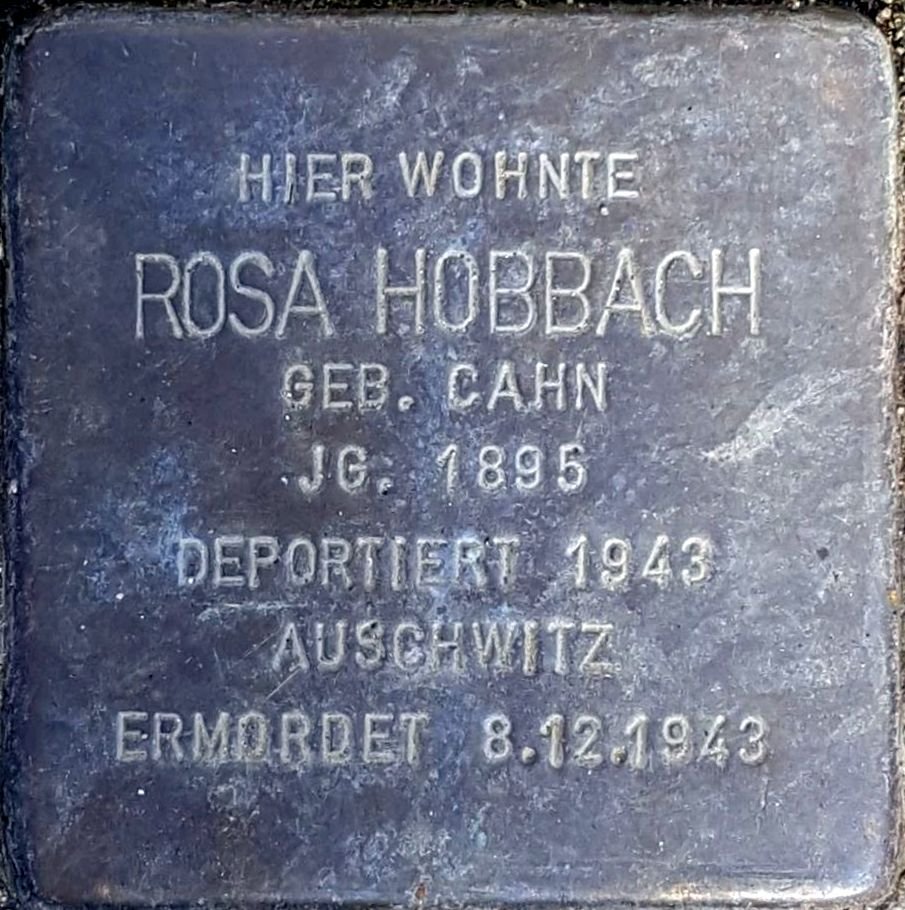
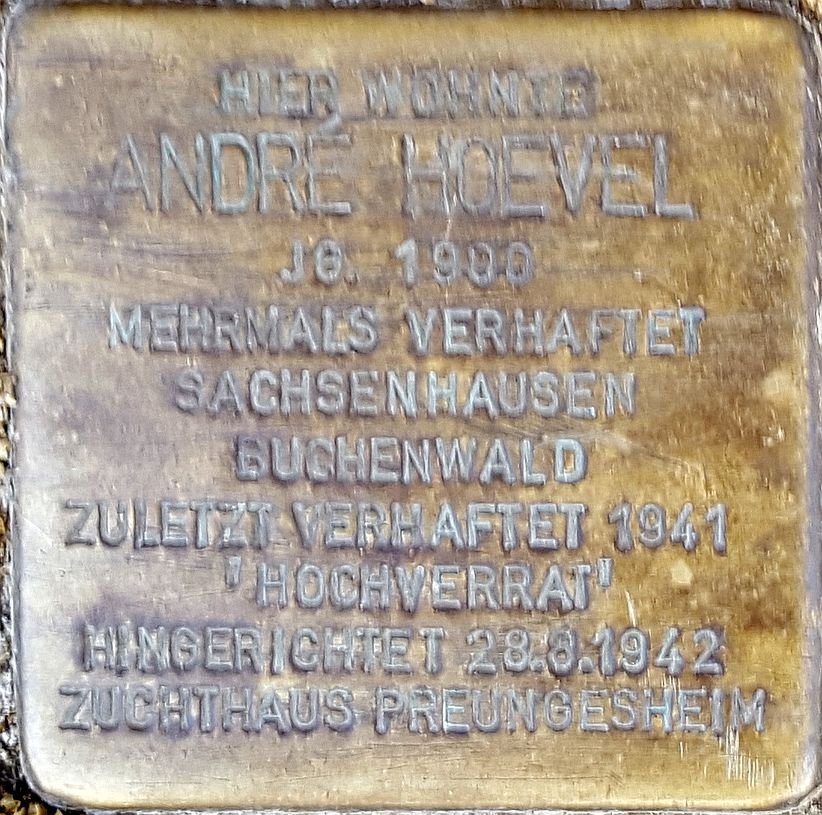
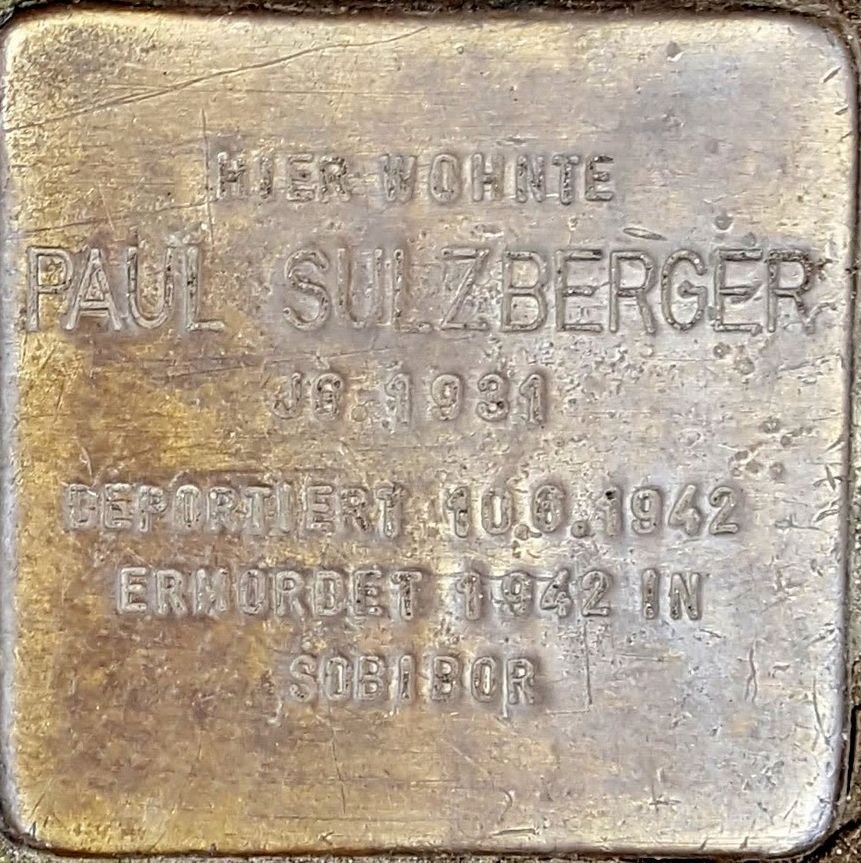
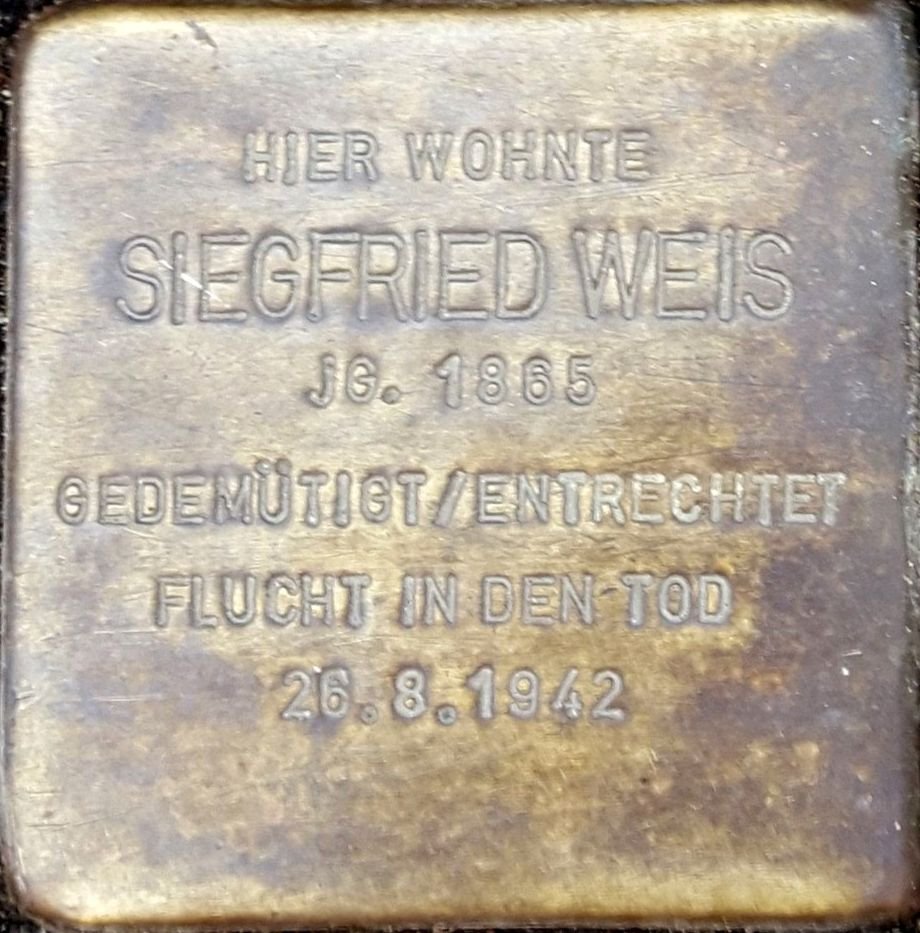
Each Stolperstein is a 10 x 10 cm brass plate set into a concrete block, inscribed with the words "Here lived..." followed by the individual’s name, birth year, fate, and (if known) date and place of death. The decentralized nature allows for local involvement and ensures remembrance is woven into daily life (Stolpersteine.eu).
As of August 2024, more than 107,000 Stolpersteine have been installed in nearly 1,900 municipalities across 30 European countries, making it the largest decentralized Holocaust memorial in the world.
Siegfried Weis: The Individual Behind the Stone
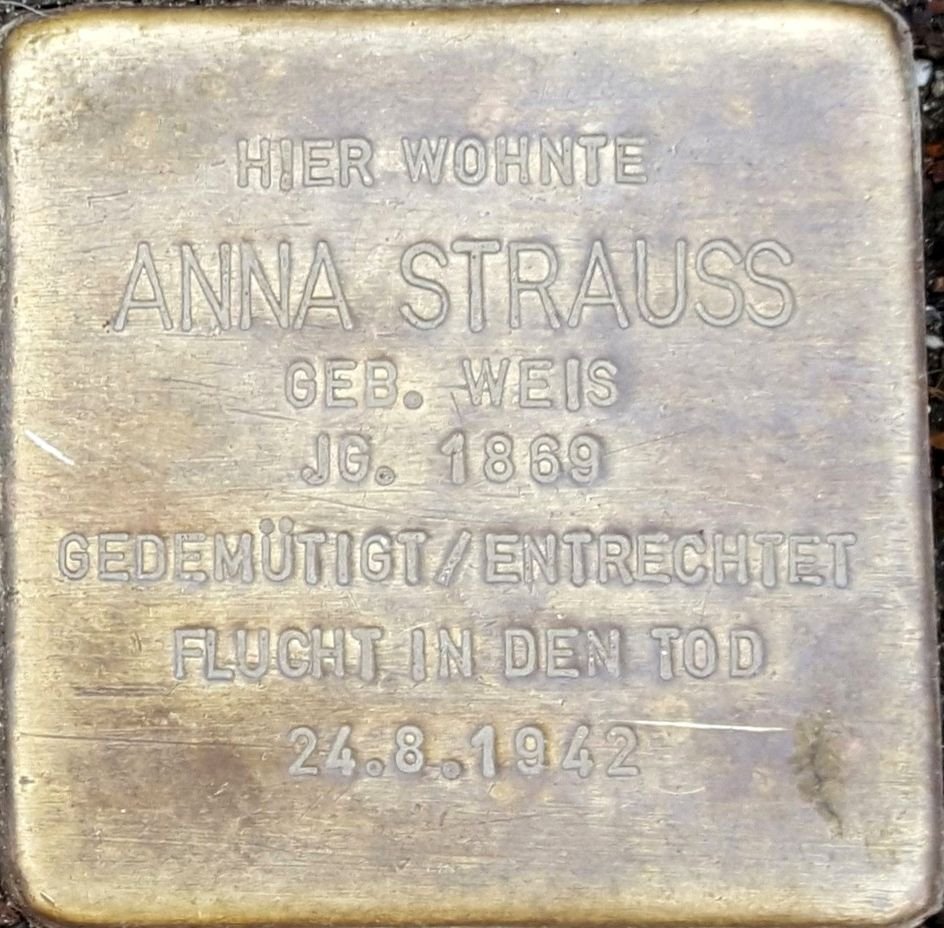
Siegfried Weis was born in 1865 and lived at Adelheidstraße 90 in Wiesbaden. Amid escalating persecution, he died by suicide on August 28, 1942 (Traces of War). His Stolperstein marks his last freely chosen residence, serving as a solemn and lasting reminder of his fate. Nearby Stolpersteine for Anna Strauß (née Weis) and Sophie Morgenthau (née Bender) further highlight the impact of Nazi persecution on local families.
The Stolpersteine Project in Wiesbaden
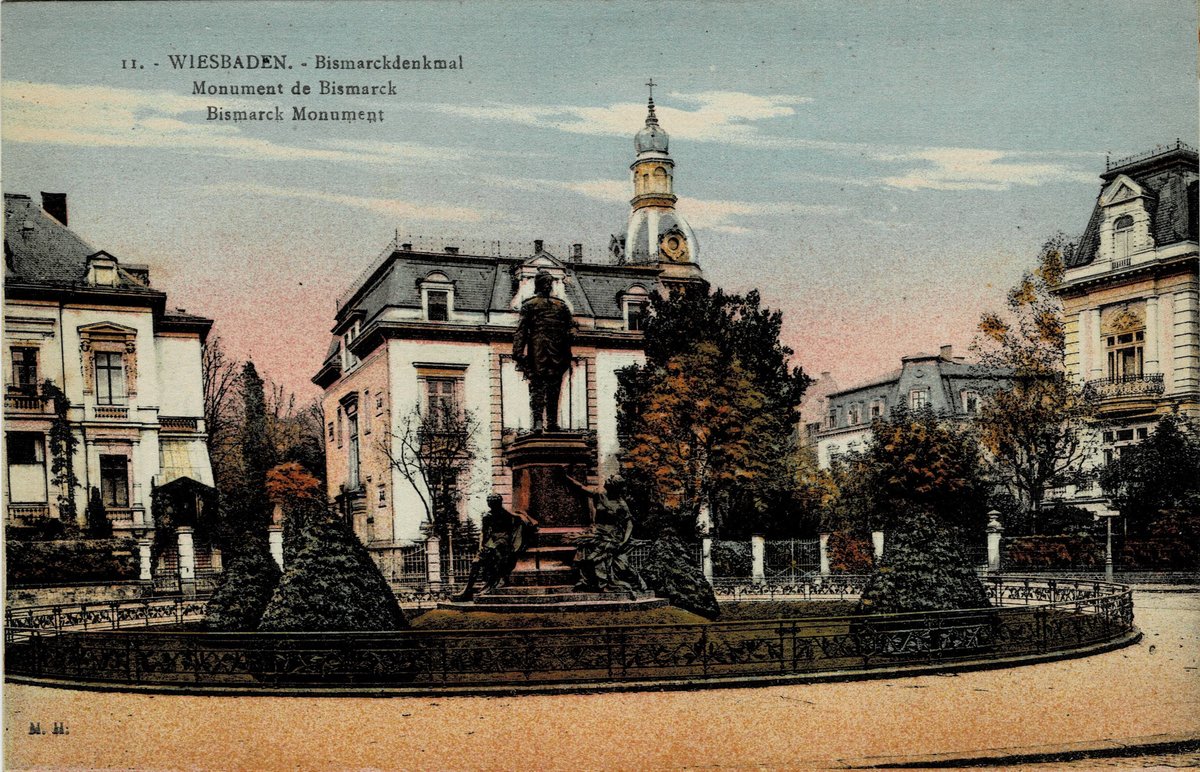
Since 2006, Wiesbaden has actively participated in the Stolpersteine project, coordinated by the Aktives Museum Spiegelgasse für Deutsch-Jüdische Geschichte (AMS Spiegelgasse). As of December 2024, Wiesbaden features 784 Stolpersteine in front of 427 houses, commemorating victims from a variety of persecuted groups (Wikipedia: Liste der Stolpersteine in Wiesbaden). The city supports the project through official resolutions, and local organizations and schools contribute to research, sponsorship, and maintenance (Wiesbaden Lebt).
Location and Accessibility
Address: Adelheidstraße 90, 65185 Wiesbaden, Germany
Coordinates: 50.075547, 8.231893 (Traces of War)
The Stolperstein is set flush with the sidewalk, making it accessible to all visitors, including those using mobility aids. Wiesbaden’s compact city center and reliable public transportation make it easy to include the memorial as part of a walking tour of historical sites. Printed maps are available at the Wiesbaden Tourist Information Center.
Visiting Information: Hours, Tickets, and Tips
- Visiting Hours The Stolperstein is accessible 24/7; there are no ticket requirements or entry fees.
- Best Times Early mornings or late afternoons offer quiet reflection. Key remembrance days, such as January 27 (International Holocaust Remembrance Day) and November 9 (Kristallnacht anniversary), may feature special events or ceremonies (Prague Views).
- Weather The site is outdoors; check the local weather forecast for the best experience.
How to Locate the Stolperstein
- Digital Maps Use the Stolpersteine App or the AMS Spiegelgasse website for interactive maps and biographies.
- Printed Maps Available from the Wiesbaden Tourist Information Center.
- Guided Tours Book a walking tour through the city's tourism portal or arrange a private guide for a deeper experience.
Cultural and Memorial Significance
Stolpersteine transform ordinary streets into places of reflection, ensuring the victims’ names and stories remain visible (Germany.info). Rooted in the Jewish principle that "a person is only forgotten when his name is forgotten," these memorials foster dialogue about tolerance, history, and the ongoing importance of remembrance (Prague Views).
Nearby Attractions
Combine your visit with other Wiesbaden historical sites:
- Museum Wiesbaden: Art and natural history collections
- Kurhaus Wiesbaden: Spa and event venue
- Holocaust Memorial Wiesbaden: Major memorial offering additional context
- Culture Route 65: Discover more of Wiesbaden’s history
Community Involvement and Remembrance
The Stolpersteine project depends on community engagement. Residents, schools, and organizations sponsor stones, conduct research, and help maintain the memorials (AMS Spiegelgasse). Special cleaning days and remembrance ceremonies reinforce the project’s ongoing relevance.
Events and Remembrance Days
Key events include International Holocaust Remembrance Day (January 27) and Kristallnacht anniversary (November 9), with local ceremonies and guided walks. Check the Wiesbaden events calendar for details; advance registration may be required.
Responsible Tourism and Etiquette
- Respect Pause, read the inscription, and reflect on the individual’s life.
- Tradition Polishing the brass is a symbolic act of remembrance.
- Photography Permitted if discreet and not disruptive.
- Donations & Volunteering Support the project via the official Stolpersteine website.
Frequently Asked Questions (FAQ)
Q: Are tickets required to visit the Stolperstein?
A: No. Stolpersteine are public memorials, open at all times.
Q: Is the Stolperstein accessible for people with disabilities?
A: Generally yes, though some pavements may be uneven.
Q: Can I take photographs?
A: Yes, but please be discreet and respectful.
Q: Are guided tours available?
A: Yes, bookable via the city tourism portal or local organizations.
Q: Are there virtual tours?
A: Yes, see Stolpersteine official website and local tourism pages.