


Historical Background and Significance
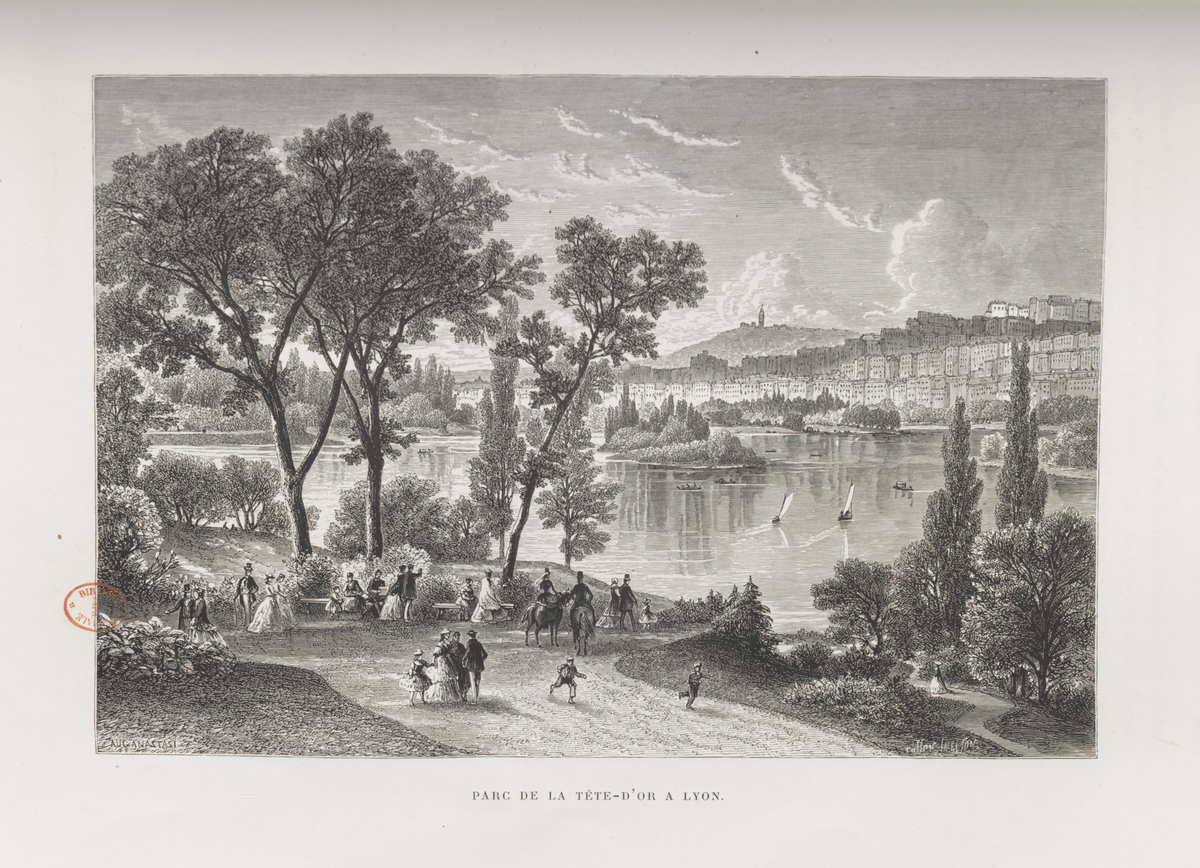
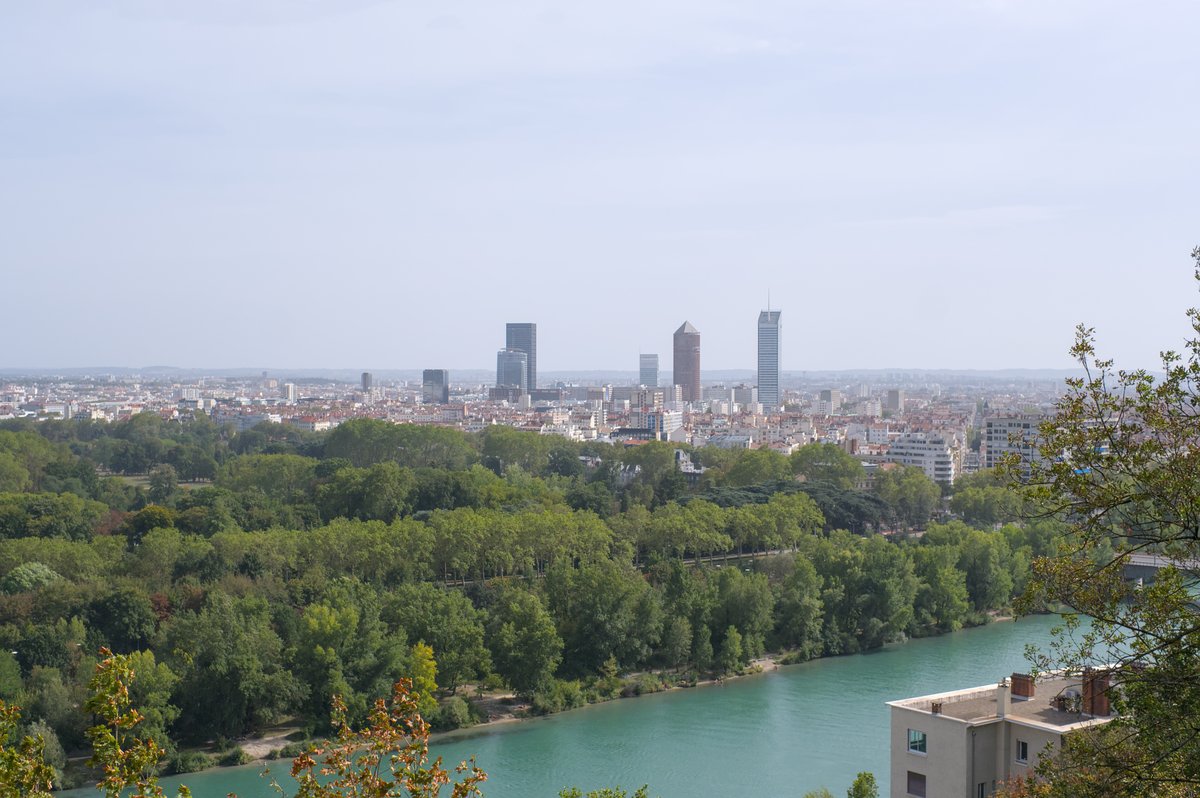
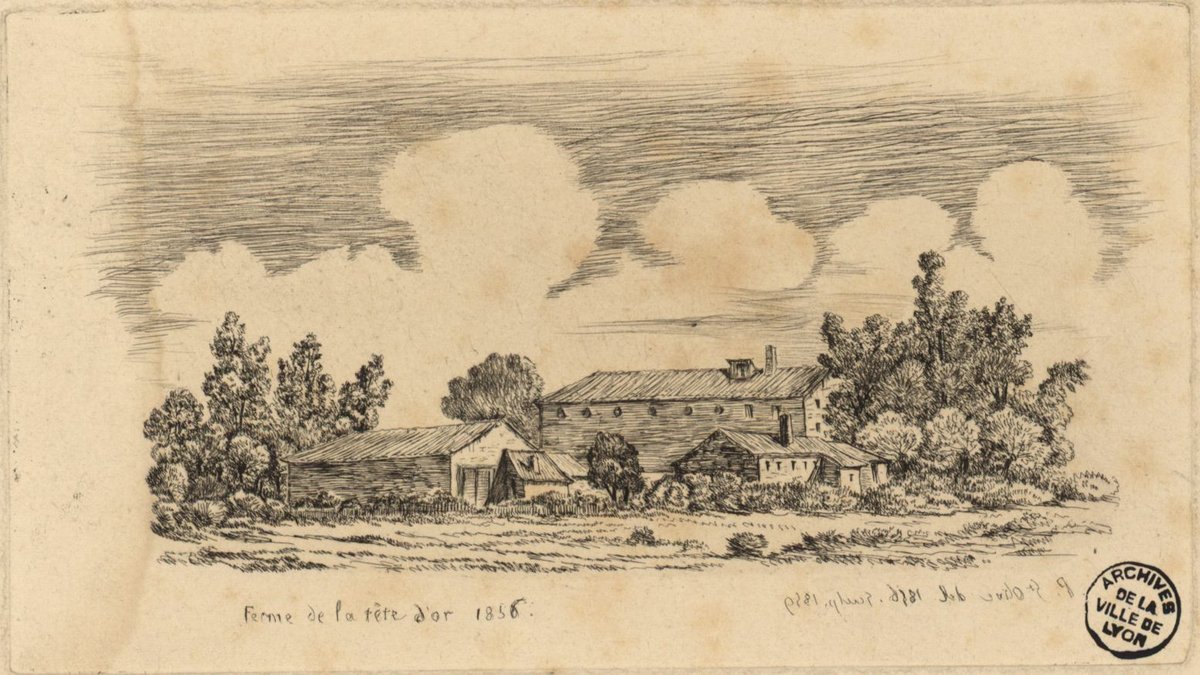
Established in 1857, Parc de la Tête d'Or stands as a testament to visionary urban planning during the Second Empire. Its transformation from flood-prone swamplands into a lush public park was driven by a desire to offer green space to the city's growing population. The park’s name, “Park of the Golden Head,” is rooted in a local legend about a buried golden relic, adding a touch of mystery to its legacy (Wikipedia, Discover Walks).
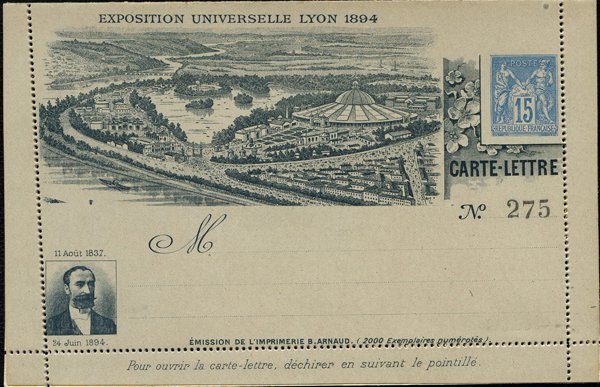
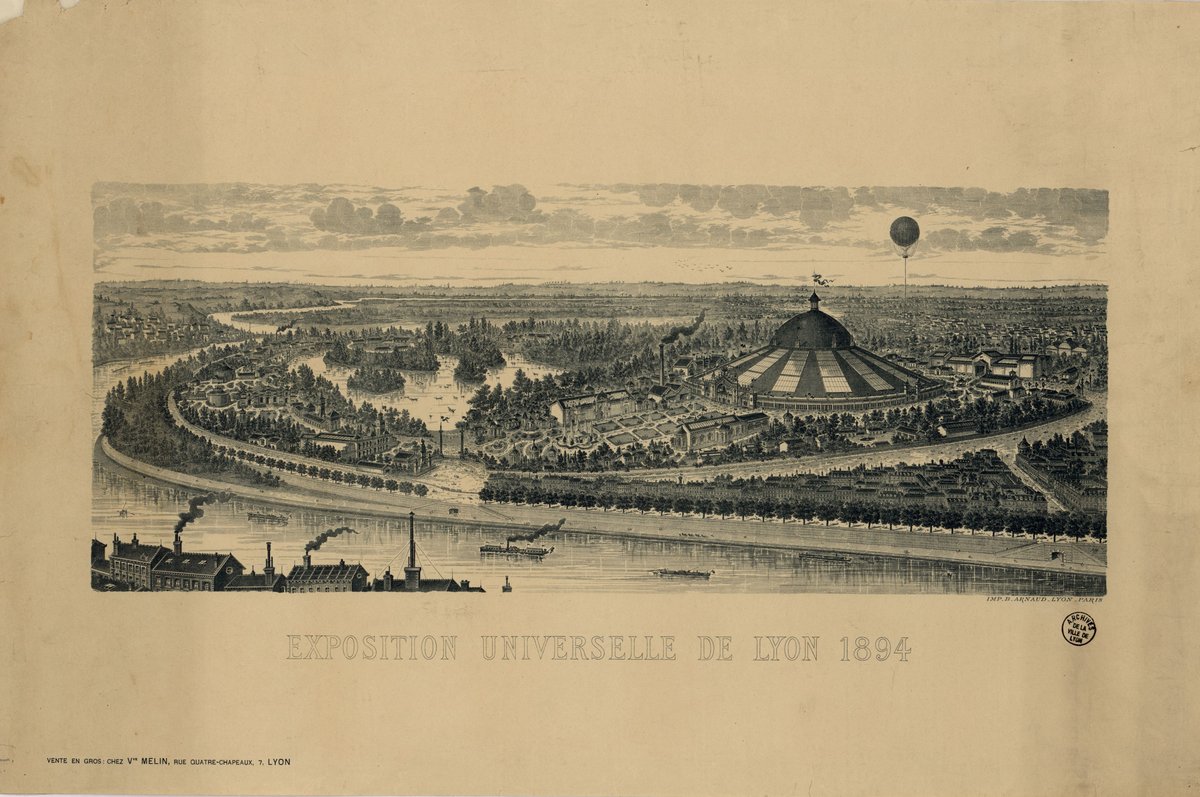
Designed by the Bühler brothers, Denis and Eugène, the park embodies the English landscape style with winding paths, sweeping lawns, a vast artificial lake, and a harmonious integration of botanical and zoological gardens. Over the decades, the park has been expanded and enhanced, hosting world exhibitions and becoming a symbol of Lyon’s dedication to environmental stewardship and public well-being (lyon.fr, Exposition Lyon).
Main Attractions
The Grand Lake
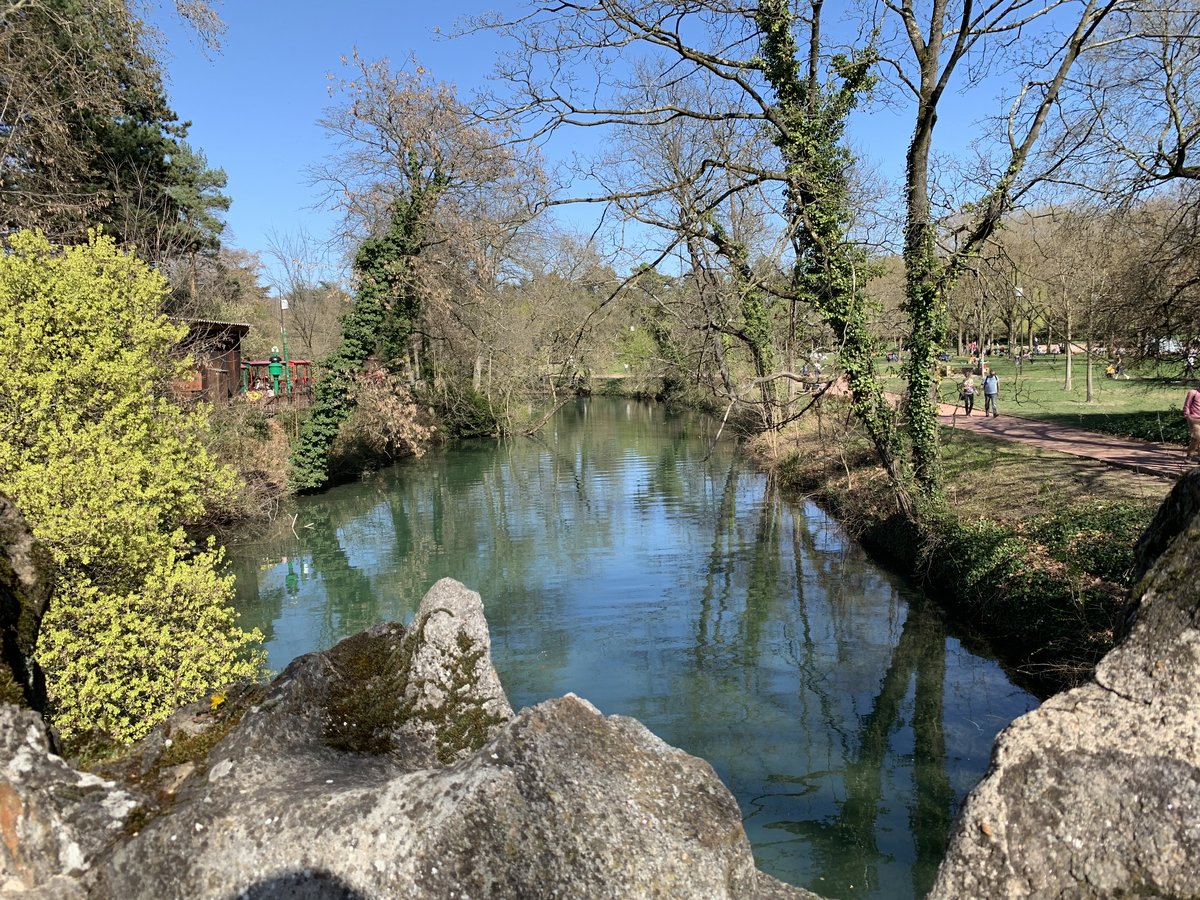
At the heart of the park lies a spectacular 17-hectare artificial lake, a centerpiece for boating and relaxation. Created from an old branch of the Rhône, the lake features two islands, including Remembrance Island, a poignant memorial to fallen soldiers (Visiter Lyon). Rowboats and pedal boats are available for hire, especially popular in spring and summer (This is Lyon).
Botanical Gardens and Historic Greenhouses
The park’s botanical garden spans 8 hectares and boasts over 16,000 plant species, making it the largest in France. The historic greenhouses, dating back to 1865, are architectural marvels housing tropical, Mediterranean, and arid plants. The Alpine Garden, open March to October, presents rare mountain flora in a unique setting (en.visiterlyon.com, epilyon.com).
The Rose Gardens
With more than 30,000 rose bushes and over 350 varieties, the rose gardens are a highlight, especially from late spring through early autumn. The International Rose Garden is renowned for its beauty and horticultural significance (This is Lyon, Travel to Lyon).
The Zoo
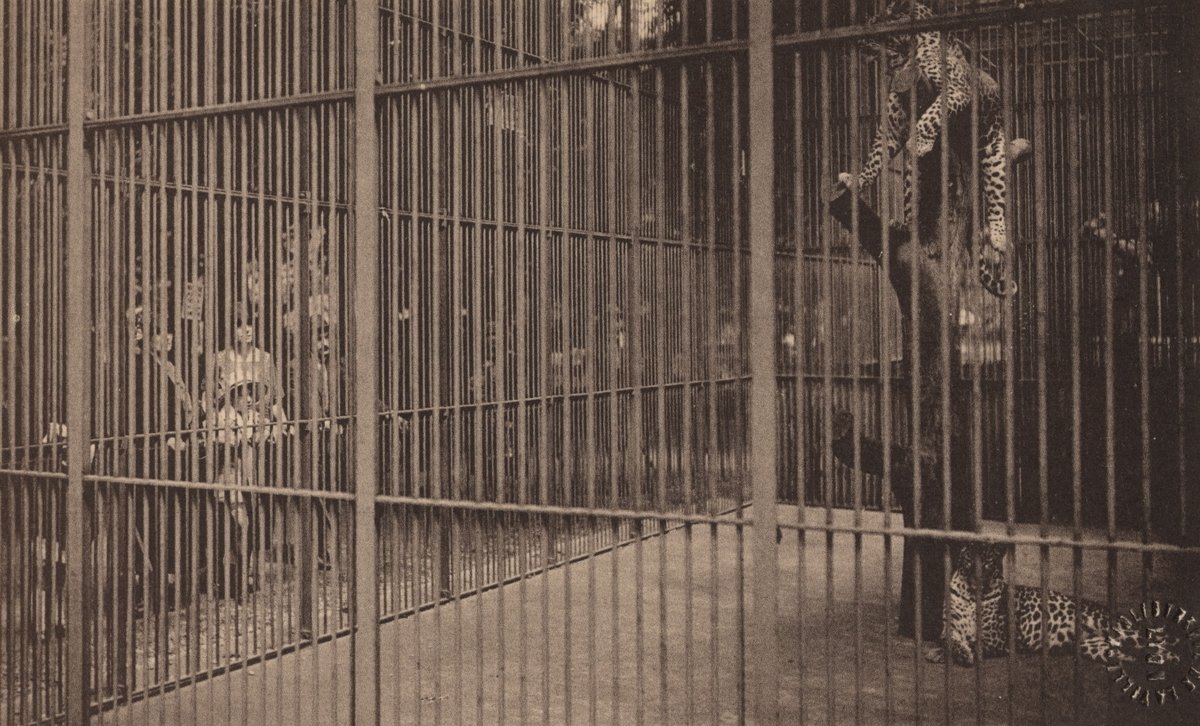
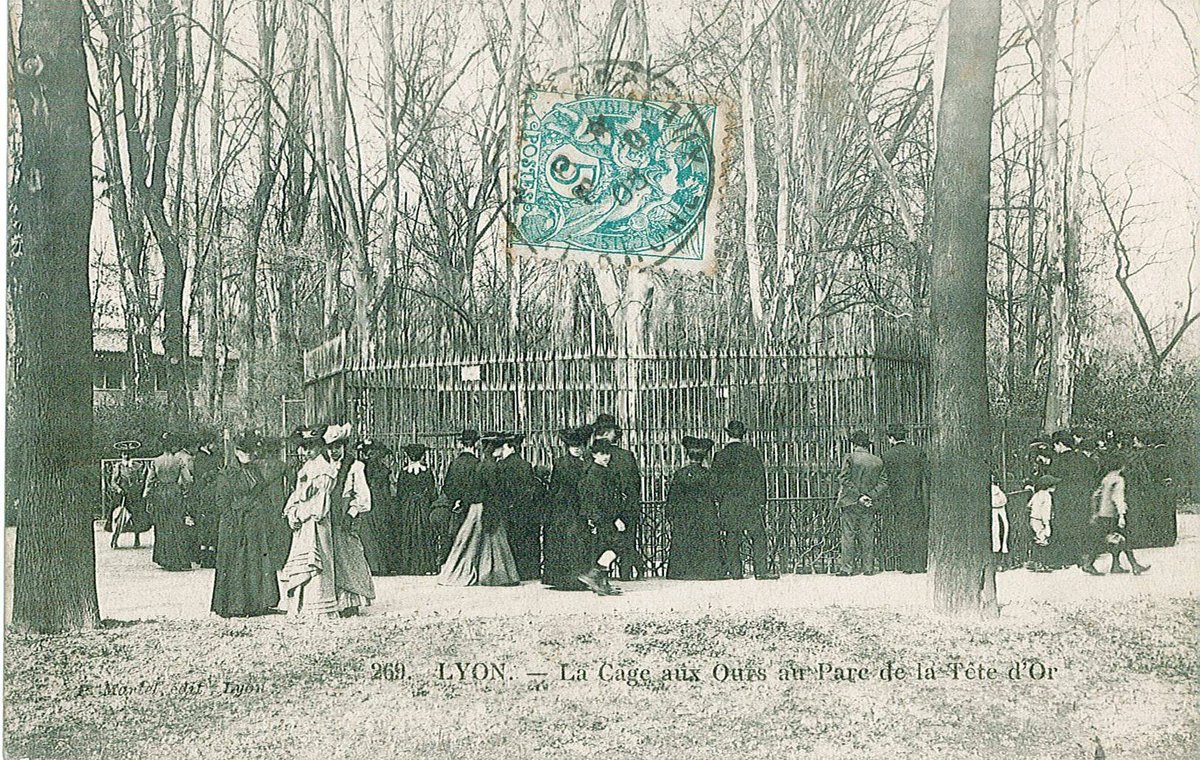
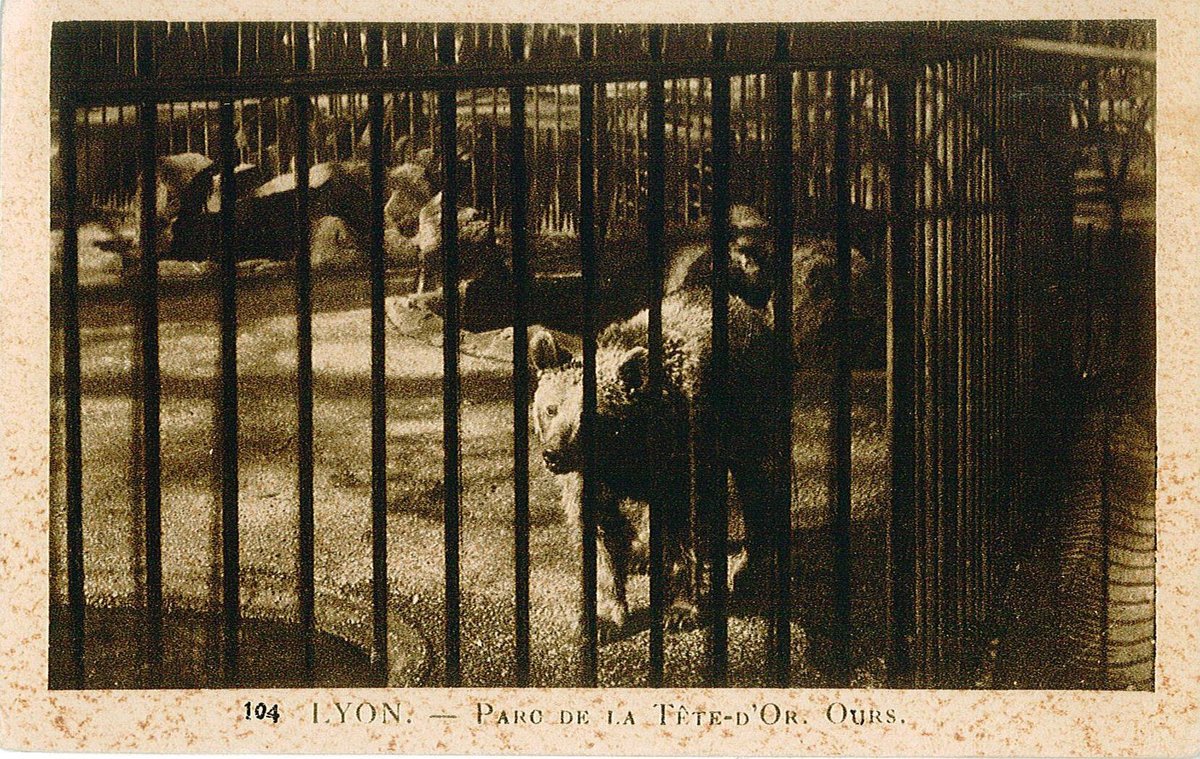
Founded in 1865, Parc de la Tête d'Or’s zoo is one of France’s oldest and remains free to the public. It houses around 400 animals representing 64 species, with modern enclosures like the Asian Forest and African Savannah focused on conservation and education (en.visiterlyon.com, LyonMag).
Family-Friendly Activities
Families can enjoy several playgrounds, a miniature train, pony rides, and a carousel. Open lawns and woodlands offer ample space for picnics, sports, and relaxation (epilyon.com).
Seasonal Events and Festivals
The park hosts a range of cultural events throughout the year, from flower shows and open-air concerts to the famed Festival of Lights and sporting events (Travel to Lyon).
Historic Gates and Monuments
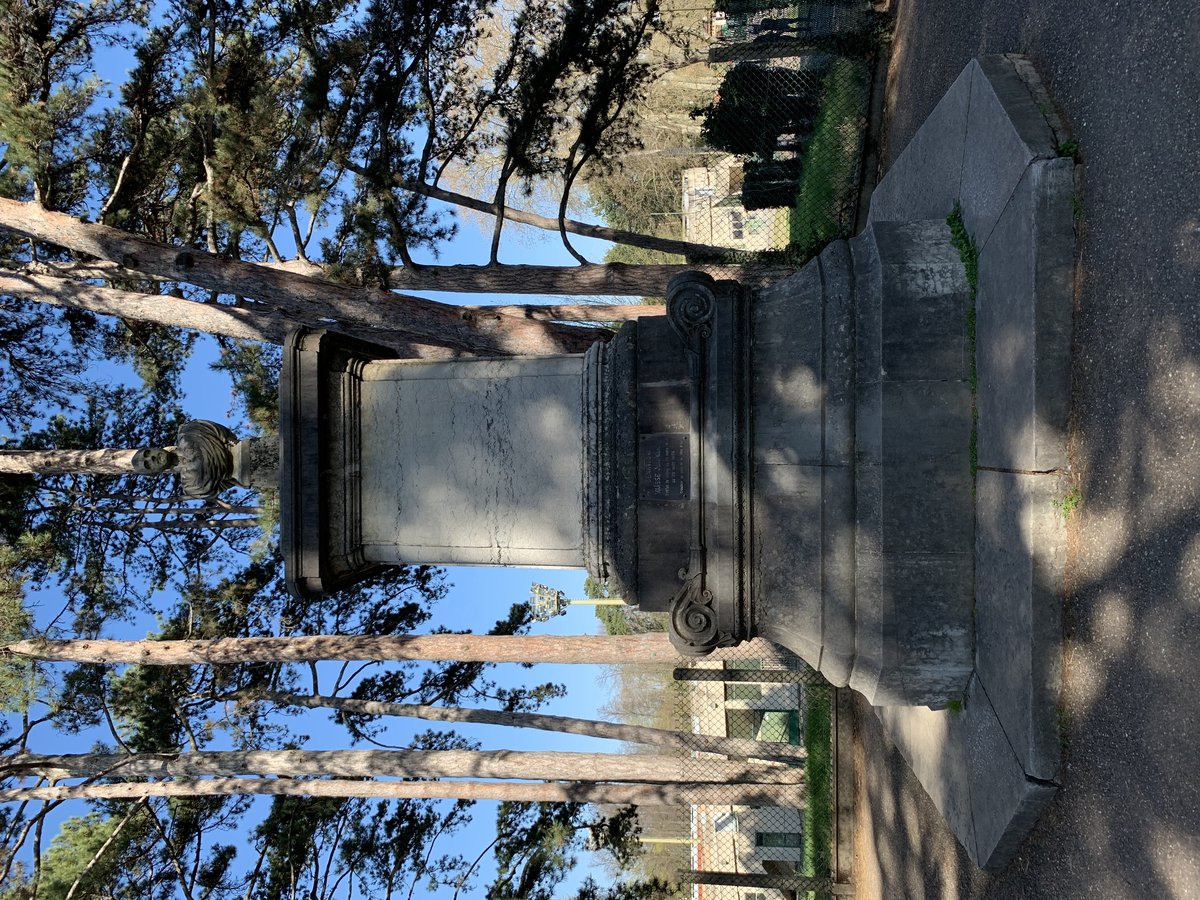
Notable entrances like the ornate Porte des Enfants du Rhône, as well as statues and fountains, underscore the park’s historical and civic importance (monumentsdefrance.com).
Visitor Information
Opening Hours
-
Park
- Summer (April 15 – October 14): 6:30 AM – 10:30 PM
- Winter (October 15 – April 14): 6:30 AM – 8:30 PM (epilyon.com)
-
Zoo
- January to mid-April: 9:30 AM – 5:00 PM
- Mid-April to mid-September: 9:30 AM – 6:30 PM
- Mid-October to December: 9:30 AM – 5:00 PM
- Closed Tuesdays
-
Botanical Garden and Greenhouses
- October to March: 9:00 AM – 5:00 PM (greenhouses close at 4:30 PM)
- April to September: 9:00 AM – 6:00 PM (greenhouses close at 5:30 PM; Sundays at 5:00 PM)
Tickets and Entry
Entry to the park, zoo, and botanical gardens is free. Some activities, like boat rentals or seasonal events, may require a small fee.
Accessibility
- Most main paths are wheelchair accessible.
- Accessible restrooms are available throughout.
- Assistance dogs are permitted.
- Multiple public transport options connect the park to the city center (travelsetu.com).
Getting There
- Metro Line A to Foch or Masséna stations.
- Bus Lines C1, C4, C5, C6, C38, 27, 38, 70, and C2.
- Tram T1 line stops at Charpennes.
- Car Limited parking on nearby boulevards; paid options at Cité Internationale.
- Cycling Vélo’v bike stations at main entrances.
Travel Tips
- Best Times Early mornings and weekdays are quieter. Weekends and holidays can be busy.
- What to Bring Comfortable shoes, picnic supplies, sunscreen, and a camera.
- Pets Dogs on leash are welcome in most areas.
- Food Kiosks and cafés serve snacks and drinks; many visitors bring picnics.
- Safety The park is safe, with regular patrols; maintain usual vigilance regarding personal belongings.
Notable Nearby Attractions
- Musée d’Art Contemporain
- Maison des Canuts
- Jardin Rosa Mir
- Opéra de Lyon
- Place des Terreaux
- Musée des Beaux-Arts
- Musée des Confluences (Lonely Planet)
Frequently Asked Questions (FAQ)
Q: Is there an entrance fee?
A: No, entry to the park, zoo, and botanical gardens is free.
Q: What are the opening hours?
A: 6:30 AM – 10:30 PM in summer; 6:30 AM – 8:30 PM in winter.
Q: Are guided tours available?
A: Yes, for the botanical and zoological gardens; check the official site for schedules.
Q: Can I cycle or jog in the park?
A: Yes, the park has extensive paths for jogging, cycling, and rollerblading.
Q: Is the park accessible for those with disabilities?
A: Most paths and facilities are accessible; some uneven surfaces exist.