1. History of Croix-Rousse and Hénon
Medieval Origins and Urban Development
Originally a vineyard-clad suburb, the hill was fortified by King Louis XII in 1512. The name “Croix-Rousse” (Russet Cross) comes from a Couzon stone cross erected in the early 16th century (This is Lyon). Its strategic location made it a hub for travelers, traders, and artisans, and by the 18th century, it was bustling with inns and markets along the Grande Rue de la Croix-Rousse (Google Arts & Culture).
The Silk Industry and Canut Heritage
The arrival of the canuts—expert silk weavers—in the late 18th century transformed Croix-Rousse into the epicenter of Lyon’s silk industry. The invention of the Jacquard loom in the early 1800s required taller buildings with expansive windows, which now define the district’s architectural profile (Offbeat France). The “hill that works” became synonymous with the resilience and creativity of its working-class residents (Visiter Lyon).
Social Movements and Urban Integration
Economic hardship and labor exploitation led to the Canut revolts of 1831 and 1834, early milestones in Europe’s labor history. The canuts’ motto, “Vivre en travaillant ou mourir en combattant” (“Live working or die fighting”), is commemorated throughout the district (Google Arts & Culture). By 1852, Croix-Rousse was annexed into Lyon, with the creation of the Boulevard de la Croix-Rousse and other urban transformations integrating it fully into the city (This is Lyon).
2. Hénon Metro Station: Access, Tickets, and Facilities
About Hénon Metro Station
Hénon station sits on Boulevard des Canuts and is served by Metro Line C—one of France’s oldest lines, initially built as a funicular in 1891 and later converted to a rack railway (Lyon Metro; Gimme Confetti). Its central location makes it the perfect starting point for exploring Croix-Rousse.
Operating Hours
- Hénon metro station Daily, 5:00 AM to 12:30 AM (check the TCL Network or official app for real-time updates).
Tickets and Passes
- Single ticket €2.10 (valid for 1 hour across metro, bus, and tram).
- Day pass €6.50 (unlimited TCL travel for 24 hours).
- Lyon City Card Includes unlimited public transport and free entry to museums, with prices from €29 for one day (Lyon Tourism).
- Tickets available at station machines, online, and via mobile app.
Accessibility
- Elevators and ramps available.
- Wheelchair spaces on trains.
- Stroller-friendly, though some exits have narrow gates.
Connections
- Buses C13, 33, and 45 serve the area.
- Bike-sharing Vélo’v stations nearby (Offbeat France).
3. Architectural and Cultural Landmarks
Mur des Canuts
Europe’s largest trompe-l’œil mural, the Mur des Canuts, vividly portrays the silk workers’ legacy. It is free, outdoors, and accessible year-round. Guided tours offer deeper insight into its evolving details (Visiter Lyon).
Maison des Canuts
A must-visit museum dedicated to silk weaving and the social history of the canuts. Open Tuesday–Sunday, 10:00 AM–6:00 PM. Adult tickets: ~€7. Guided tours and workshops available—advance booking recommended (Time to Momo).
Traboules and Cour des Voraces
The area’s famed traboules—hidden passageways—were vital for silk transport and resistance movements. The Cour des Voraces, with its striking six-story staircase, is open to the public but best explored with a guide for safety and context (Gimme Confetti).
Grande Rue de la Croix-Rousse
The district’s main artery, lined with historic buildings, hosts artisan shops, cafés, and an annual autumn festival (Google Arts & Culture).
Gros Caillou
This glacial boulder offers panoramic city views and is freely accessible year-round (Gimme Confetti).
Other Nearby Highlights
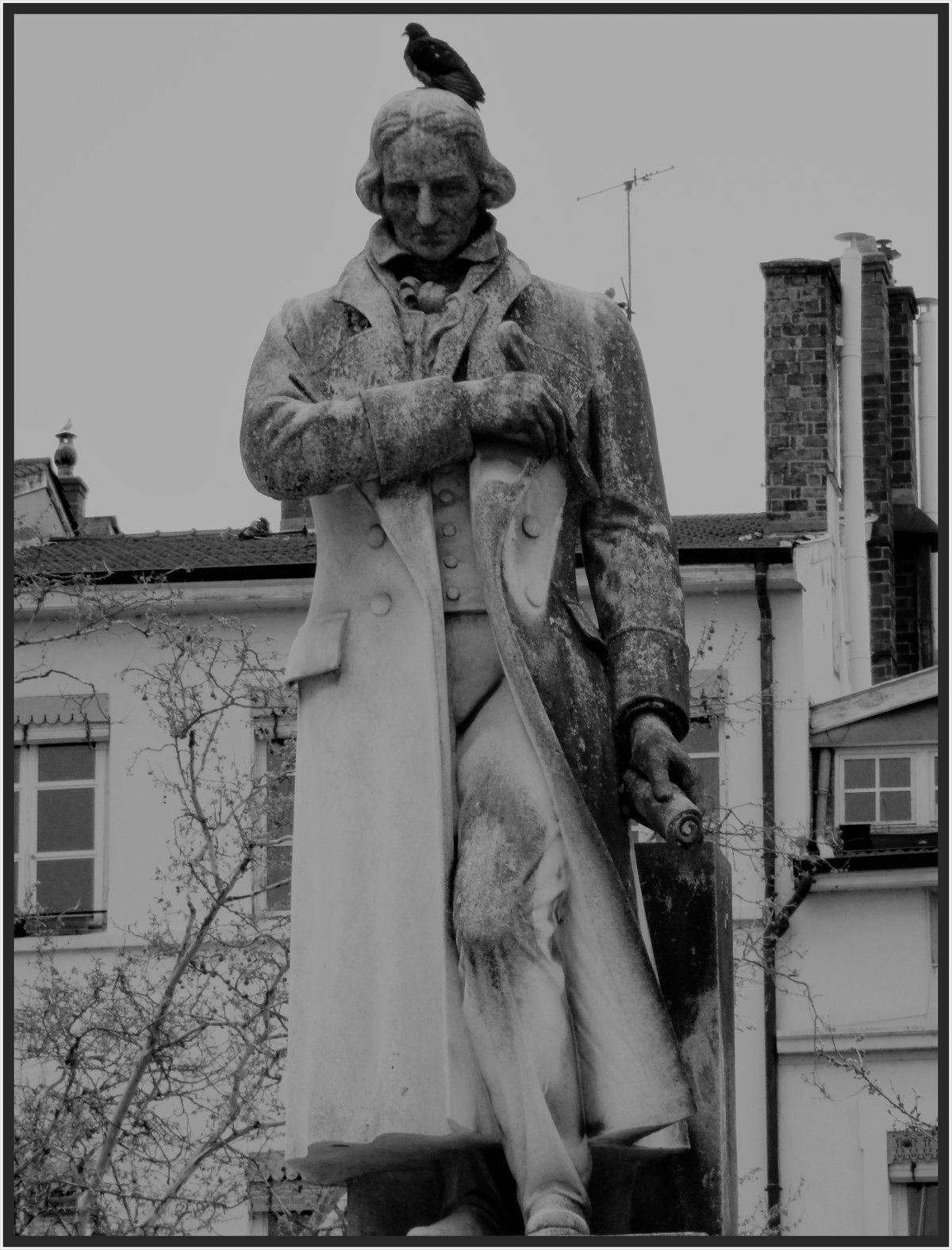
- Place de la Croix-Rousse Central square with a daily market and statue of Jacquard (Historical Cities).
- Jardin Rosa Mir Mosaic garden open select days (Visitons Lyon).
- Local bouchons Traditional Lyonnais cuisine nearby (Lyon Travel Guide 2025).
4. Practical Visitor Tips
- Best arrival Metro Line C to Hénon; buses and Vélo’v bikes also available.
- Accessibility Hénon station and Maison des Canuts are wheelchair-friendly; some traboules and streets may be challenging for those with mobility issues.
- Markets The Marché de la Croix-Rousse is open daily, especially lively on weekends (Time to Momo).
- Local events Don’t miss the autumn festival on Grande Rue or the annual “Fête des Canuts.”
- Safety The neighborhood is generally safe; remain alert in crowds.
- Language Basic French is helpful, but English is widely spoken in tourist spots.
- Ideal timing Spring and autumn for pleasant weather and festivals.
5. Frequently Asked Questions (FAQ)
Q: What are the Hénon metro station hours?
A: 5:00 AM to 12:30 AM daily. Check the TCL Network for updates.
Q: How do I buy tickets for Hénon metro?
A: At station vending machines, online, or via TCL app. Standard TCL tickets apply.
Q: Is Maison des Canuts accessible for wheelchairs?
A: Yes, fully accessible.
Q: Can I visit the Mur des Canuts at any time?
A: Yes, it’s an outdoor mural accessible year-round and free.
Q: Are guided tours available in Croix-Rousse?
A: Yes, through Maison des Canuts and local operators, covering silk history, traboules, and street art.
Q: Are there special events in Croix-Rousse?
A: Annual autumn festival, “Fête des Canuts,” and regular markets and cultural happenings.
6. Final Recommendations
Hénon and the Croix-Rousse district are essential for anyone seeking to experience Lyon’s industrious spirit, creative energy, and layered history. Highlights like the Mur des Canuts, Maison des Canuts, and the panoramic Gros Caillou are easily accessible via Hénon metro station (Lyon Metro; Visiter Lyon).
For an immersive visit, take advantage of local markets, artisan shops, and guided tours. Use the TCL transport network for seamless mobility, explore with the Audiala app for curated walking tours, and consult official tourism sites for the latest events and exhibitions. Whether you’re interested in Lyon’s labor history, architecture, or simply want to wander vibrant streets, Hénon and Croix-Rousse offer a rich and rewarding experience (Offbeat France; Historical Cities).