Historical Background
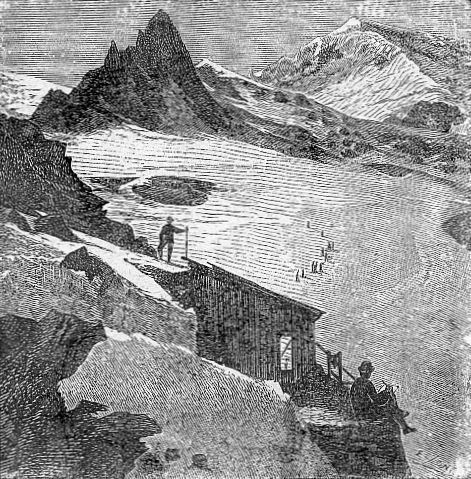
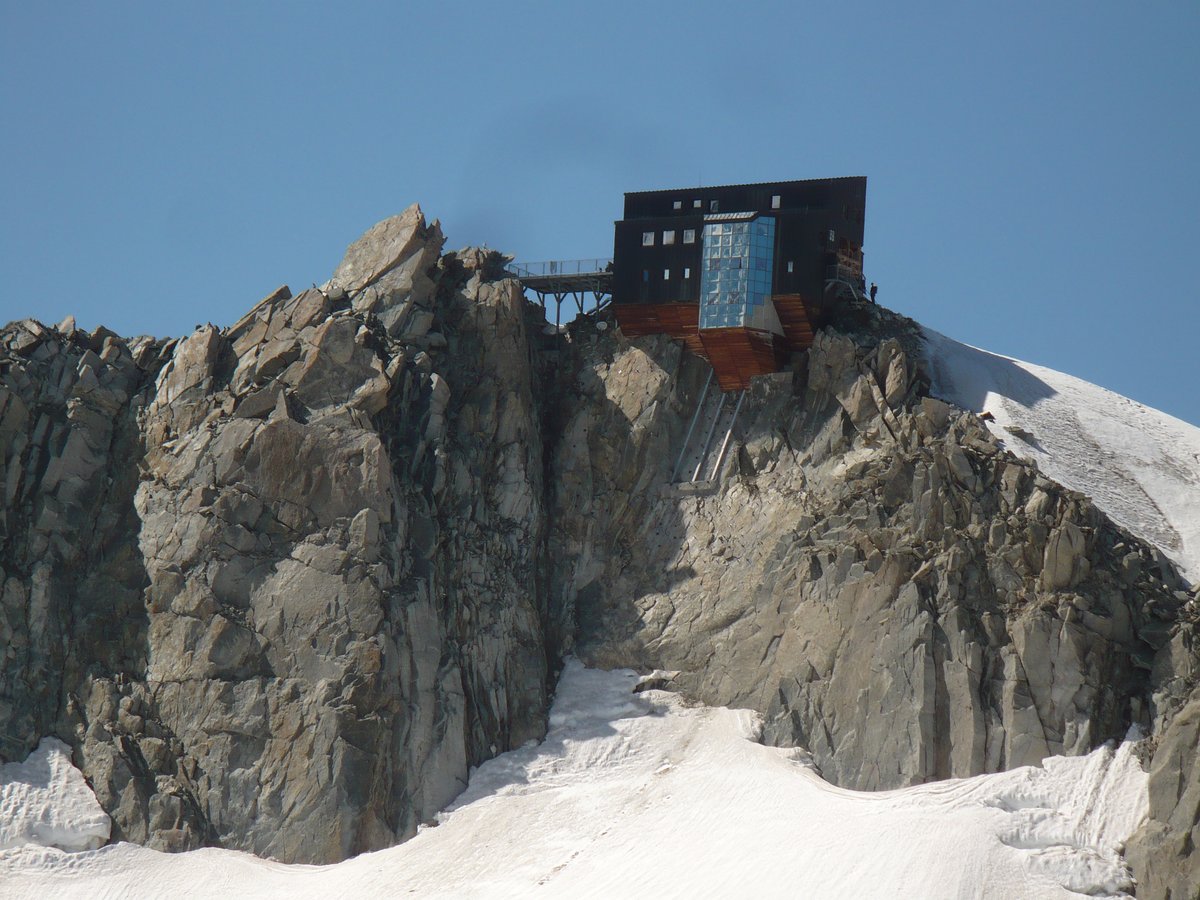
The Refuge du Plan de l’Aiguille’s origins are intertwined with the rise of alpinism in the Chamonix Valley. Since the first recorded tourist expeditions in 1741, the region has attracted adventurers eager to explore Mont Blanc’s dramatic peaks. Mountain refuges like Plan de l’Aiguille were built to offer climbers and explorers shelter from unpredictable alpine weather and to serve as strategic bases for challenging ascents, especially the Midi-Plan traverse beneath the Aiguille du Midi (Chamonix.com, Wikipedia).
The mid-20th-century construction of the Aiguille du Midi cable car further democratized access, transforming the refuge from an exclusive mountaineers’ haven to a focal point for hikers, families, scientists, and cultural enthusiasts (Chamonix.com).
Access and Transportation
By Cable Car
The most convenient way to reach the refuge is via the Aiguille du Midi cable car from Chamonix center. The route consists of two sections:
-
Chamonix (1,035 m) → Plan de l’Aiguille (2,317 m) Exit at the mid-station; from here, it’s a clearly marked 10–15 minute walk to the refuge (SeeChamonix.com).
-
Plan de l’Aiguille → Aiguille du Midi summit (3,842 m) The cable car continues to the summit, offering further exploration opportunities.
Cable car tickets must be purchased (either online or at the base station), with combination tickets available for the Montenvers railway. Prices vary seasonally.
By Hiking
- Direct Trail from Chamonix About 5.5 km with 1,100–1,200 meters elevation gain; duration is 2–3 hours, starting from near the cable car base (Komoot).
- Grand Balcon Nord Traverse Connects Plan de l’Aiguille to Montenvers-Mer de Glace; distance ~7 km, mostly horizontal, 2.5–3.5 hours (SeeChamonix.com).
Note: Trails are generally well-marked but can be steep and rocky; sturdy hiking shoes are recommended.
Visiting Hours, Tickets & Reservations
- Open Season Mid-June to mid-/late September (subject to weather and snow conditions).
- Daily Hours Typically 8:00 AM – 6:00 PM; check the official refuge website for updates.
- Refuge Access Free for day visitors; overnight stays require advance reservation, especially in July and August.
- Cable Car Tickets Required to reach Plan de l’Aiguille; purchase online or at Chamonix station (refuge-plan-aiguille.com).
- Accommodation Booking Strongly recommended via the official website or by phone; deposits are often required.
Accommodation, Dining, and Facilities
Accommodation
- Dormitory-Style Lodging Up to 48 beds; bunk beds with mattresses, blankets, and pillows. Bring a sleeping bag liner (“sac à viande”) for hygiene (Chamonix.com).
- Winter Room Basic shelter available during off-season (no catering).
Dining
- Meals Traditional Savoyard cuisine (tartiflette, raclette, soups, local cheeses), served at set times. Vegetarian options on request (Chamonix.net).
- Bar Hot and cold drinks including coffee, tea, wine, and beer (Refuge du Plan de l’Aiguille Official).
- Snacks and Lunches Available for day visitors.
Facilities
- Sanitary Shared toilets, washbasins with cold running water; no showers.
- Electricity Limited solar-powered lighting; few charging points (bring a power bank).
- Connectivity No Wi-Fi; mobile coverage is intermittent (Chamonix.com).
Activities and Hiking Routes
Hiking
- Chamonix-Plan de l’Aiguille Trail 2–2.5 hours, ~1,150 m ascent (en.chamonix.com).
- Grand Balcon Nord 7 km traverse to Montenvers, panoramic views (SeeChamonix.com).
- Lac Bleu 15-minute walk from the refuge to a scenic alpine lake (montagnes-magazine.com).
- Short Refuge Loop ~1.4 km, 70 m elevation, ~30–40 minutes (Komoot).
Mountaineering
- Midi-Plan Traverse Classic technical route for experienced alpinists (SummitPost).
- Charmoz-Grépon Traverse / Éperon Frendo Challenging climbs starting from the refuge (montagnes-magazine.com).
Nature Observation
- Spot alpine ibex, marmots, chamois, and alpine birds.
Photography
- Exceptional sunrise and sunset panoramas; ideal for landscape photography (fykmag.com).
Chamonix Historical Sites & Nearby Attractions
- Aiguille du Midi Summit Panoramic platform and “Step into the Void” skywalk (planetware.com).
- Montenvers – Mer de Glace Historic cog railway, ice grotto, and glacier museum (thingstodoeverywhere.com).
- Chamonix Alpine Museum Explores the region’s mountaineering history.
- Église Saint-Michel Romanesque church in Chamonix center.
- Old Town Savoyard architecture, local markets (chamonix.com).
Practical Visitor Tips
- Weather Dress in layers; weather changes quickly at altitude.
- Gear Bring hiking boots, waterproofs, sun protection, and a sleeping bag liner for overnight stays.
- Water Carry sufficient water; refilling options are limited.
- Reservations Book accommodation and cable car tickets well in advance, particularly in summer.
- Sustainability Take all waste back down; support local producers (combloux.com).
- No Pets Pets are not allowed inside, except service animals with prior notice.
Environmental Commitment
The refuge operates with a strong focus on sustainability: waste is helicoptered out, water conservation is enforced, and energy is solar-powered. Guests are asked to minimize their environmental impact and follow Leave No Trace principles (CAF).
Frequently Asked Questions (FAQ)
Q: What months is the refuge open?
A: Usually mid-June to mid-/late September; winter room may be open off-season.
Q: Is the refuge suitable for families?
A: Yes, especially via cable car. Trails vary in difficulty; supervise children.
Q: Do I need a ticket?
A: No entry ticket for the refuge; cable car tickets required. Accommodation must be booked in advance.
Q: Are meals available for non-residents?
A: Yes, snacks and lunches are available for day hikers.
Q: Is Wi-Fi available?
A: No; download maps and info before arrival.
Q: Are guided tours offered?
A: Yes, seasonal guided hikes and climbs are available—check with the Chamonix Tourist Office.