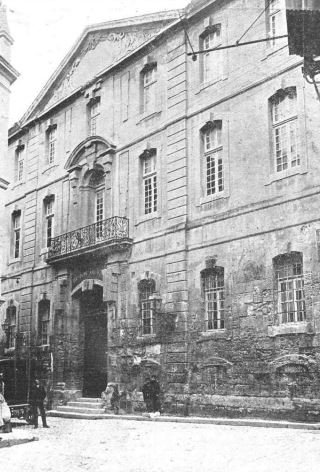

History and Architecture of the Laval-Castellane Mansion
Historical Context
Originally constructed in the 15th century for the influential Laval-Castellane family, the mansion stands as a testament to Arles’ medieval and Renaissance heritage. Its transformation into the Museon Arlaten was spearheaded by Frédéric Mistral, who sought to safeguard Provençal traditions at a time of rapid modernization. The mansion’s adaptation for museum use reflects a commitment to preserving both tangible and intangible local heritage (EuropeUpClose).
Architectural Features
- Exterior The mansion’s robust stone façade, mullioned windows, and ornate doorways are hallmarks of late medieval Provençal architecture, complemented by Renaissance and classical additions such as decorative cornices and wrought-iron balconies (SeeProvence).
- Interior Visitors will find vaulted ceilings, grand reception rooms, and a central staircase—recently reimagined by Michel Bertreux and Christian Lacroix. The courtyards and arcaded galleries provide evocative spaces for exhibitions and events (Arles Guide).
- Restoration The mansion underwent extensive restoration in the 21st century, ensuring structural stability, accessibility, and the integration of climate control to protect sensitive collections (Perfectly Provence).
Museon Arlaten: Collections and Exhibitions
Ethnographic Holdings
The museum’s impressive collection of over 30,000 objects brings Provençal life vividly to life:
- Costumes & Textiles Explore traditional Arlésienne dresses, lacework, and period accessories (arlestourisme.com).
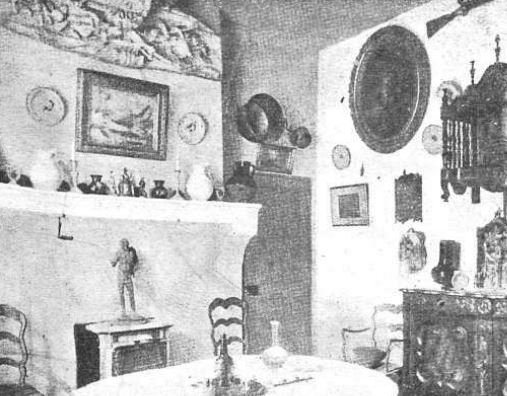
- Domestic Interiors Reconstructed kitchens and bedrooms evoke the daily life of 19th-century Provence (cityzeum.com).
- Agriculture & Crafts Displays feature tools and artifacts from regional farming, olive oil production, and traditional crafts (arlestourisme.com).
- Festivities & Rituals Exhibits on Provençal festivals, religious artifacts, and nativity scenes (santons) illustrate the region’s vibrant customs (arlestourisme.com).
- Fine Arts & Photography Paintings, sculpture, and historical photos document the evolving landscape and people of Arles (cityzeum.com).
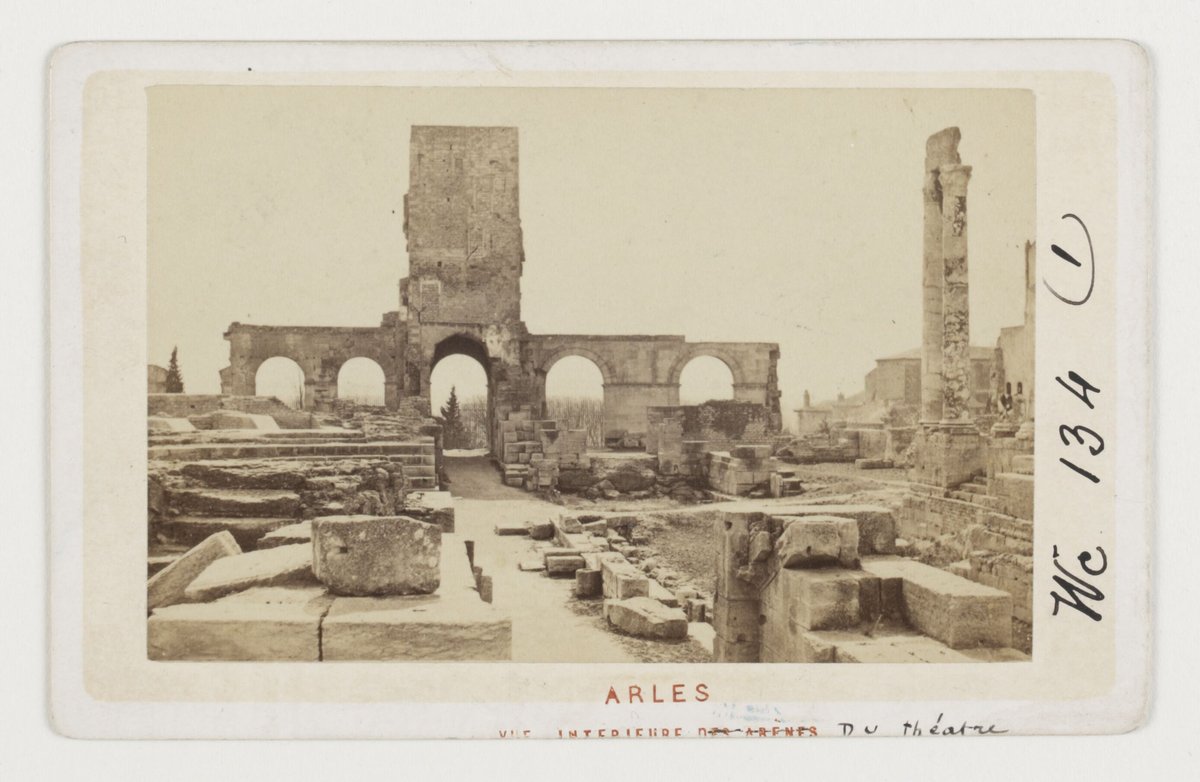
- Archaeology & Numismatics Roman and medieval artifacts, coins, and medals trace the city’s economic and cultural evolution (cityzeum.com).
Thematic Exhibitions and Multimedia
The museum’s rooms are organized thematically, using immersive displays, soundscapes, and interactive media to recreate the ambiance of historic Provence. Highlights include galleries dedicated to the iconic Arlésienne dress, local craftsmanship, and the role of festivals in community life (arlestourisme.com).
Visitor Information: Tickets, Hours & Accessibility
Location & Access
- Address 29 rue de la République, 13200 Arles, France (Monumentum)
- Getting There Centrally located, the museum is within a 10–15 minute walk from Arles’ main train station. Public buses and nearby parking (Parking République, Parking de la Roquette, Parking du Centre, Parking Lamartine) make access convenient.
Opening Hours
- Standard Hours Tuesday to Sunday, 10:00 AM – 6:00 PM (some seasonal variations; always check the official website for updates).
- Closed Mondays and select public holidays.
Tickets and Admission
- Adult Ticket €8 (subject to change)
- Discounts Available for students, seniors, and groups; children under 12 (or 18, depending on promotion) enter free.
- Pass Liberté For €15, this pass grants access to multiple Arles museums and monuments (Charcotrip).
- Booking Purchase tickets online via the official site or at the entrance; advance booking is recommended during peak periods (ostrichtrails.com).
Accessibility
The museum is fully accessible, with elevators, ramps, accessible restrooms, and tactile or audio aids for sensory needs. Service animals are welcome, and assistance is available upon request (Perfectly Provence).
Guided Tours and Programming
- Guided Tours Offered in French year-round; English-language tours are available Saturdays at 3 PM in summer. Group tours in other languages may be arranged by request (Perfectly Provence).
- Audioguides Available in French and English; check for availability in additional languages (WhichMuseum).
- Workshops & Events The museum hosts workshops, temporary exhibitions, and cultural events, often in partnership with local groups. Events like the annual Fèsto Vierginenco and European Heritage Days offer special programming (Monumentum).
Facilities and Visitor Services
- Reception & Ticketing Multilingual staff and accessible ticketing area.
- Restrooms Accessible facilities on all levels.
- Cloakroom/Lockers Secure storage for coats and bags.
- Gift Shop Books, crafts, and Provençal souvenirs.
- Seating Benches throughout for visitor comfort.
- Baby Changing Facilities available.
- Café No on-site café, but numerous dining options nearby.
How to Get There & Nearby Attractions
- By Foot Easily accessible from the city center and all major Arles landmarks.
- By Train/Bus 10–15 minute walk from the main train station; city buses stop nearby.
- Parking Paid public parking within a 5–10 minute walk.
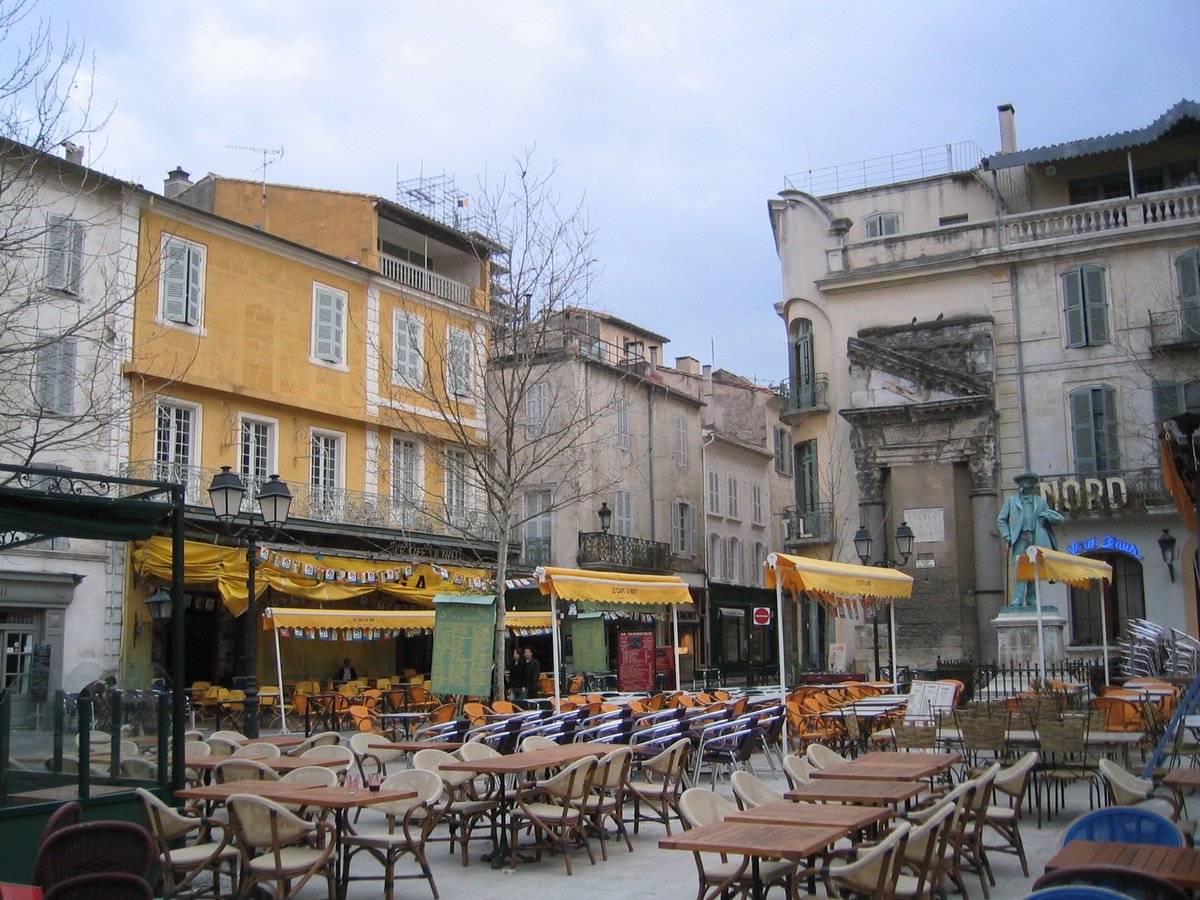
- Nearby Sights Roman Amphitheatre, Church of Saint-Trophime, Alyscamps necropolis, Cryptoportiques, Espace Van Gogh, Réattu Museum, and the vibrant Arles market (The Travel Folk).
Practical Tips for Visitors
- Plan Ahead Book tickets online during busy seasons or for special events.
- Photography Non-flash photography is permitted for personal use; professional equipment requires authorization.
- Baggage Large bags not allowed in exhibition areas; use cloakroom.
- Family-Friendly Interactive and educational displays suitable for all ages.
- COVID-19 Measures Check the museum’s website for current policies.
Frequently Asked Questions (FAQ)
Q: Is the museum wheelchair accessible?
A: Yes, with elevators, ramps, and accessible restrooms throughout.
Q: Are guided tours available in English?
A: Yes, Saturdays at 3 PM in summer; additional languages by request.
Q: Can I take photos inside?
A: Photography without flash is generally permitted; check for gallery-specific restrictions.
Q: Is there a café or restaurant?
A: No café onsite, but numerous options are nearby in central Arles.
Q: Are children welcome?
A: Absolutely—interactive exhibits and workshops are available for younger visitors.