
Origins and Early Development
The vision for a national theater in El Salvador dates to the early years of independence. The first theater, established in 1852 under President Francisco Dueñas, quickly became a hub for the city’s cultural life. This original structure was lost to fire in 1910, deepening the need for a new, more ambitious venue (El Salvador Mi País).
Construction and Architecture
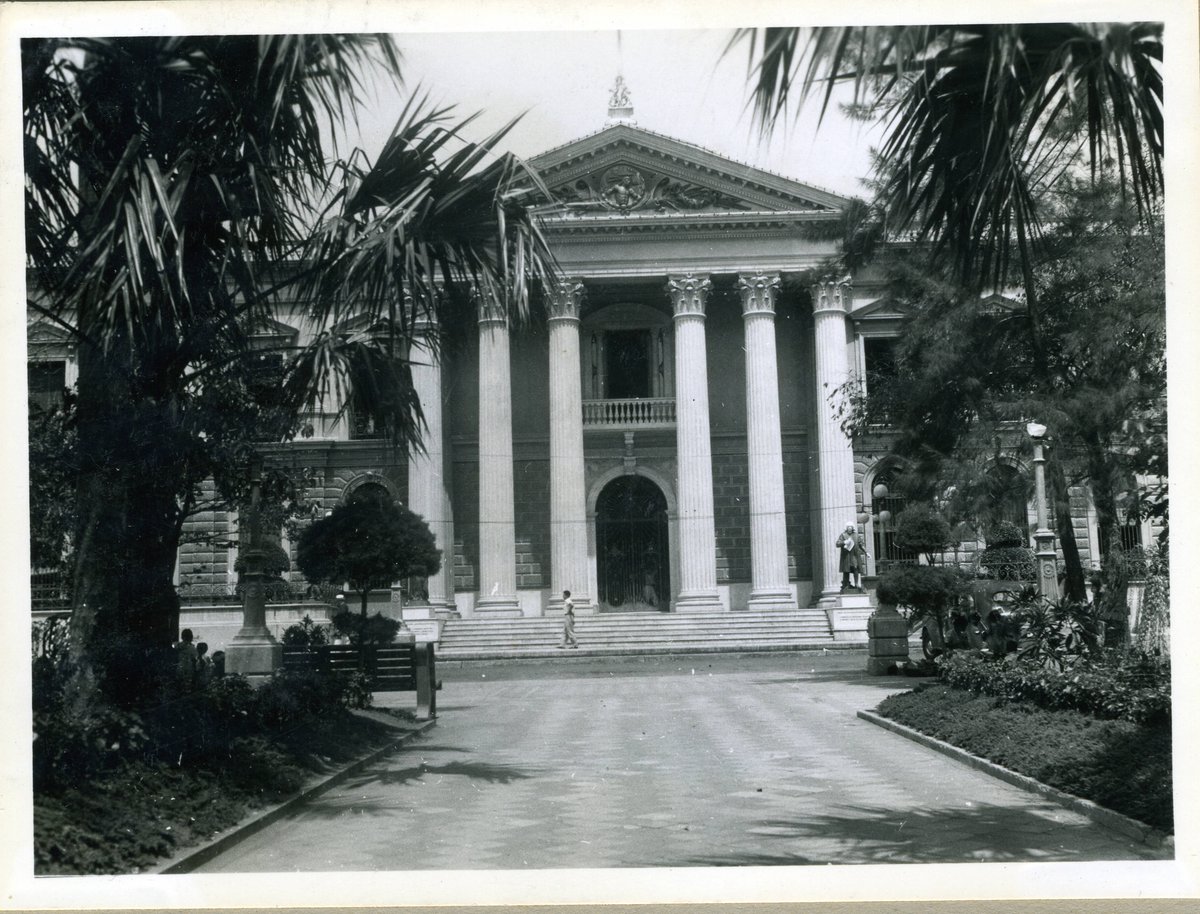
Construction of the current Teatro Nacional began in 1911 and culminated in its 1917 inauguration. French architect Daniel Beylard designed the building in the French Renaissance style, with Rococo, Romantic, and Art Nouveau influences evident throughout. Italian architect Lucio Cappellaro was responsible for the lavish interior, which includes three tiers of balconies and a Presidential Box, all seating up to 650 people (Trek Zone). The innovative use of the Hennebique reinforced concrete system enabled grand, open spaces with elegant decorative flourishes (Ministerio de Cultura).
Artistic Treasures
The theater is adorned with imported tapestries, velvet drapery, and a monumental crystal chandelier. A highlight is the dome mural “El mestizaje cultural” (“The Cultural Convergence”) by Carlos Cañas, celebrating El Salvador’s multicultural identity. This 230-square-meter fresco, painted in 1977, draws frequent comparison to the most renowned European opera houses (Wikipedia).
Restoration and Preservation
After serving as a cinema in the mid-20th century and weathering both neglect and earthquakes, the theater underwent major restoration, especially after the 2001 quakes. In 1979, it was declared a National Monument, ensuring ongoing preservation (El Salvador Mi País). The Japanese government’s 1992 donation of a state-of-the-art sound and lighting system further modernized the venue (Wikipedia).
Cultural Significance
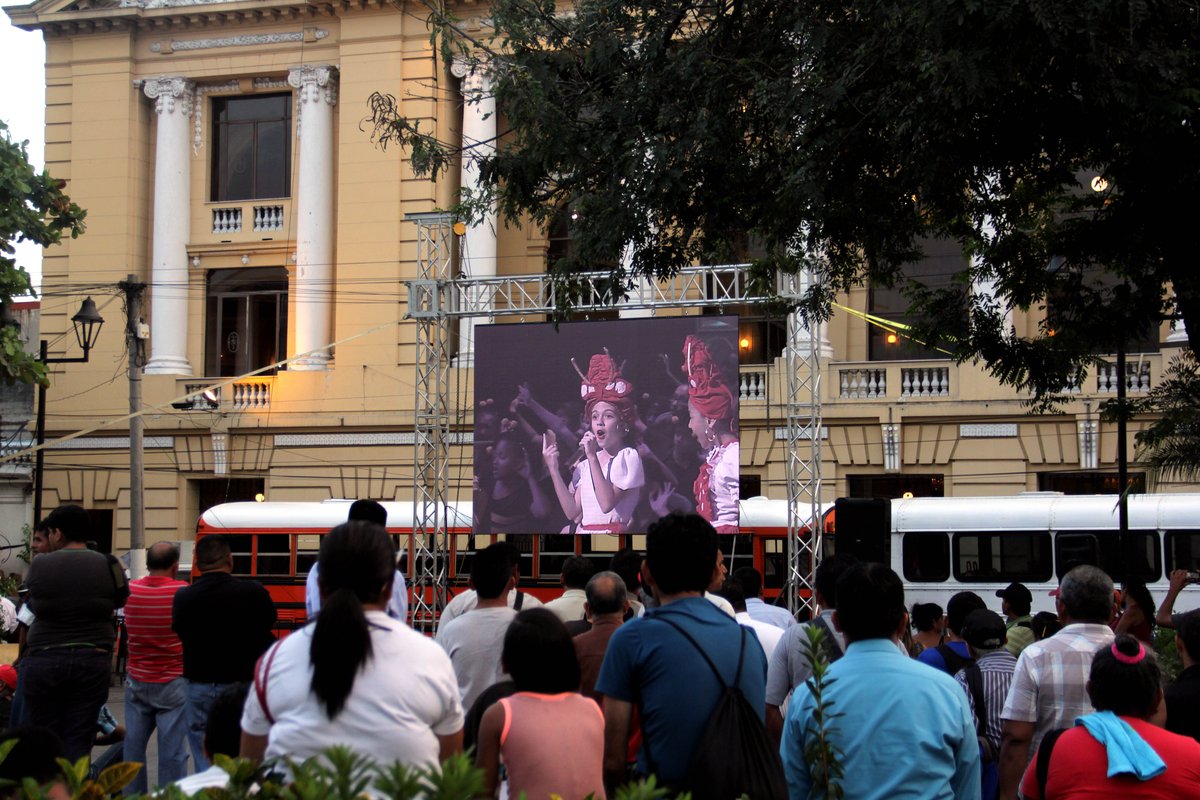
For Salvadorans, the Teatro Nacional is a symbol of national pride and a cornerstone for artistic development. It has hosted everything from Italian operas and Spanish zarzuelas to contemporary dance and local folklore, fostering national identity and cross-cultural exchange (theeventus.com). The theater’s educational outreach and community events contribute to Salvadoran cultural vibrancy.
Visitor Information
Location and Accessibility
- Address 2a. Avenida Norte y 2a. Calle Oriente, Centro Histórico, San Salvador, El Salvador
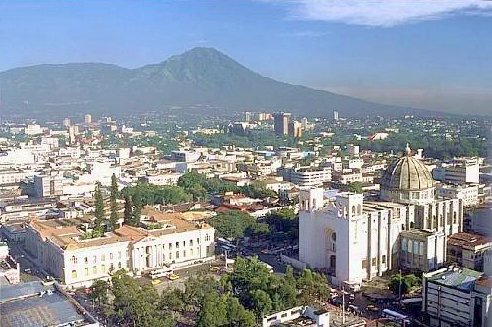
- Nearby Sites Metropolitan Cathedral, National Palace, Plaza Morazán (El Salvador in English)
- Transport Easily accessible via bus, taxi, rideshare, or on foot from downtown hotels (Latina Republic)
Visiting Hours
- General Visits and Tours Monday to Friday, 9:00 AM–5:00 PM
- Performance Evenings Entry times vary per event
- Closed Most public holidays; check the official website for updates
Tickets and Admission
- Box Office Main entrance, open during regular hours and before performances
- Online Booking Available for select events via the official website or authorized platforms
- Prices Guided tours from $3–$5 USD; performance tickets typically $5–$20 USD, with discounts for students and seniors
- Advance Purchase Recommended for popular events and tours
Tours and Experiences
- Guided Tours Offered in Spanish; English available by advance reservation. Tours provide deep dives into the building’s history, architecture, and cultural impact (El Salvador in English).
- Self-Guided Visits Explore the grand halls, balconies, and informative plaques at your own pace.
- Performances The theater’s calendar features classical and contemporary productions, ballet, opera, and national celebrations.
Facilities and Accessibility
- Wheelchair Access Ramps and designated seating
- Restrooms Clean and well-maintained
- Air Conditioning Throughout the venue
- Café Teatro Onsite café with Salvadoran coffee and light fare (Latina Republic)
- Photography Permitted in public areas (no flash during performances; always confirm with staff)
Travel Tips
- Arrive Early For tours and performances
- Parking Limited near Plaza Morazán; public transit or taxis recommended
- Best Time Weekdays and mornings are less crowded
Dress Code, Safety, and Language
- Dress Casual for tours; smart-casual for evening events or galas
- Safety The Historic Center is revitalized and safe during the day and events; standard urban precautions apply
- Language Spanish is primary; some staff speak basic English, and English tours can be arranged
Nearby Attractions
- Metropolitan Cathedral Home to Archbishop Oscar Romero’s crypt
- National Palace Iconic neoclassical site
- Plaza Libertad Historic square with vibrant local life
- Parque Libertad Surrounded by local shops and cafes
- Other Museums Explore additional San Salvador historical sites for a full cultural itinerary (El Salvador in English)
Frequently Asked Questions (FAQ)
Q: What are the Teatro Nacional de San Salvador visiting hours?
A: Monday to Friday, 9:00 AM–5:00 PM for tours; evening access depends on scheduled performances.
Q: How can I buy tickets?
A: At the box office or online via official platforms; advance booking is advised for major events.
Q: Is the theater wheelchair accessible?
A: Yes, ramps and accessible seating are available.
Q: Are guided tours offered in English?
A: Yes, but advance reservation is recommended.
Q: Can I take photographs inside?
A: In public areas, yes. Photography during performances is generally restricted; confirm with staff.
Q: What else can I visit nearby?
A: Metropolitan Cathedral, National Palace, Plaza Libertad, and Parque Libertad.