Historical Background
Colonial Foundations and Early Development
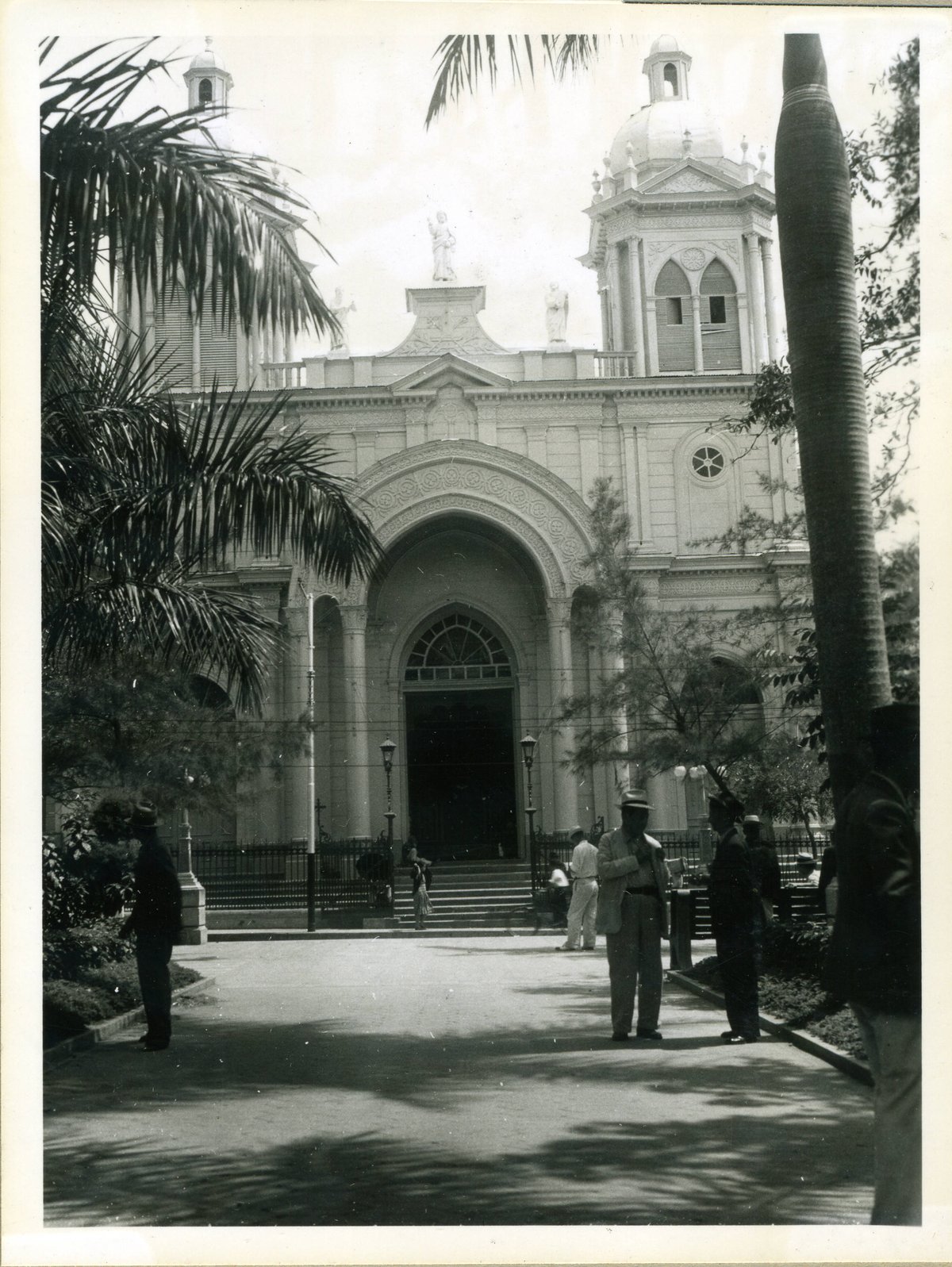
The cathedral’s site has been central to San Salvador’s religious life since colonial times. The original structure, the Temple of Santo Domingo, reflected early Spanish influence. The first formal cathedral was established in 1842, marking the beginning of its role as the spiritual and civic heart of the city. Over the years, the cathedral has suffered destruction from earthquakes and fire but has always been rebuilt, reflecting the tenacity of the Salvadoran people (Wikipedia, keyfacts.net).
Destruction and Reconstruction
- 1873 Earthquake destroyed the original cathedral.
- 1888 Wooden cathedral completed, later destroyed by a fire in 1951.
- 1986 Another earthquake devastated the then-standing cathedral.
- 1999 The current structure, designed to withstand seismic activity, was completed (bazartravels.com).
Each reconstruction phase integrated more resilient engineering and artistic contributions, notably the colorful mosaics by Fernando Llort, which now adorn the façade.
Architectural and Artistic Highlights
Exterior and Façade
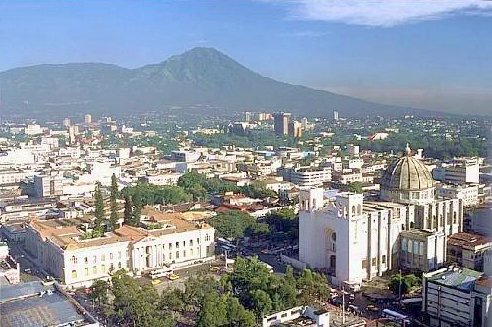
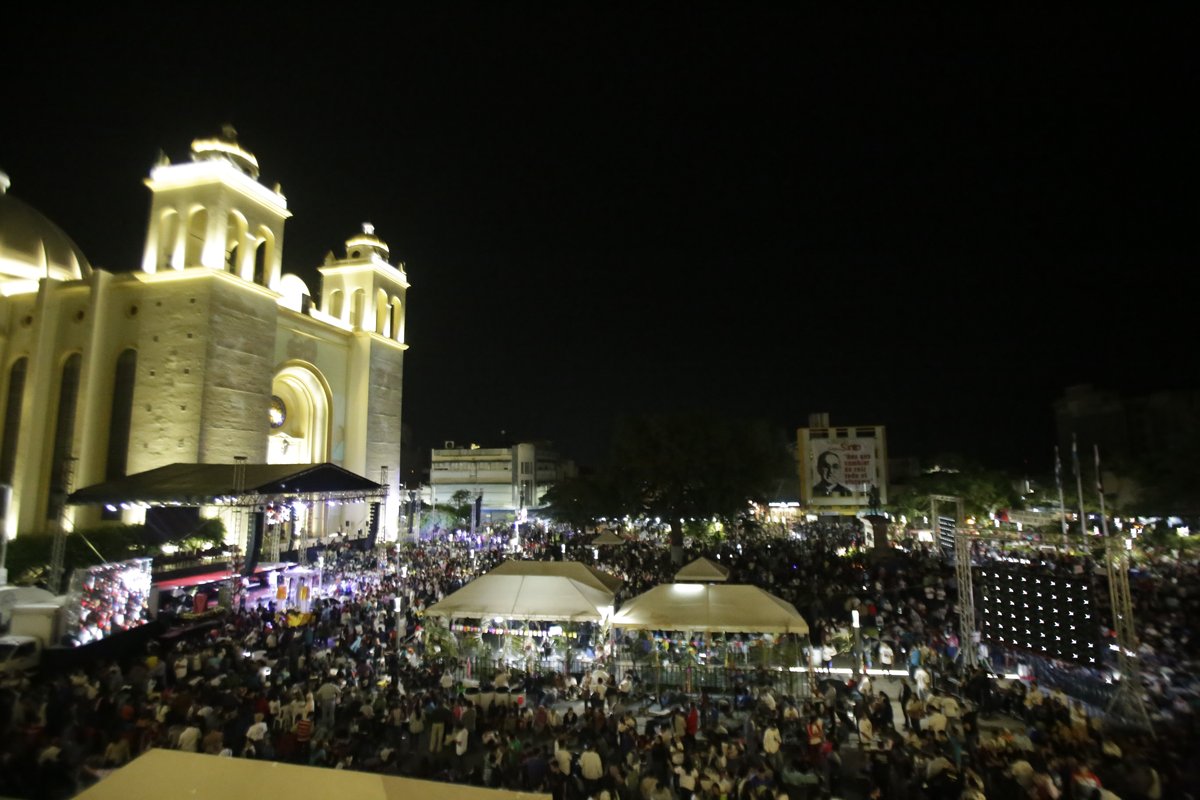
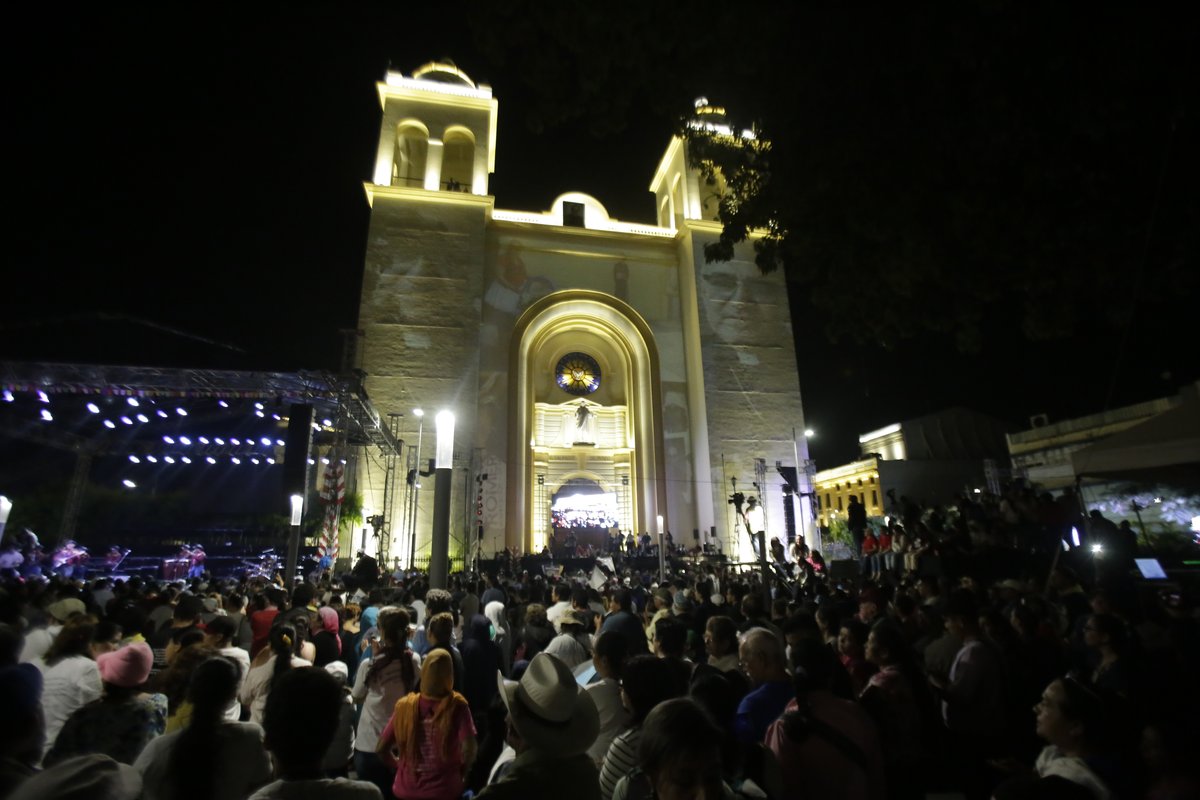
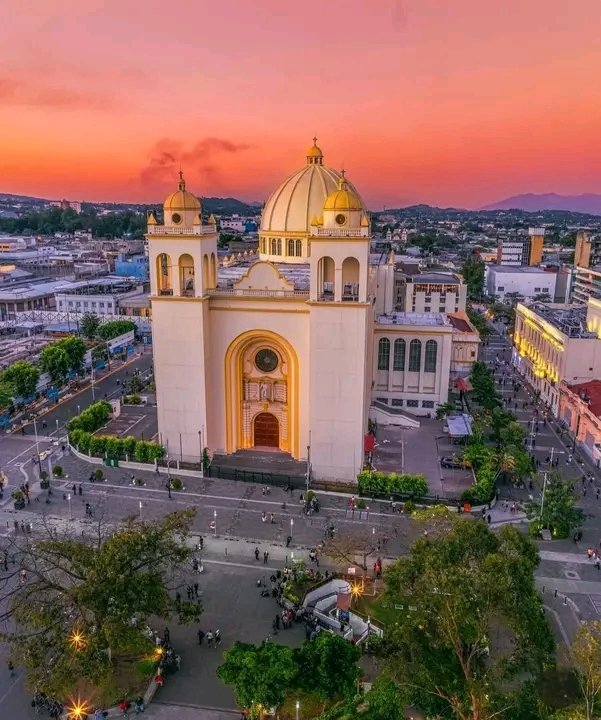
The cathedral’s façade blends neoclassical forms with vibrant Salvadoran mosaics. Twin bell towers and domes anchor the skyline, while the main entrance’s reliefs and pastel tones convey a sense of peace and majesty (Lonely Planet).
Dome and Mural
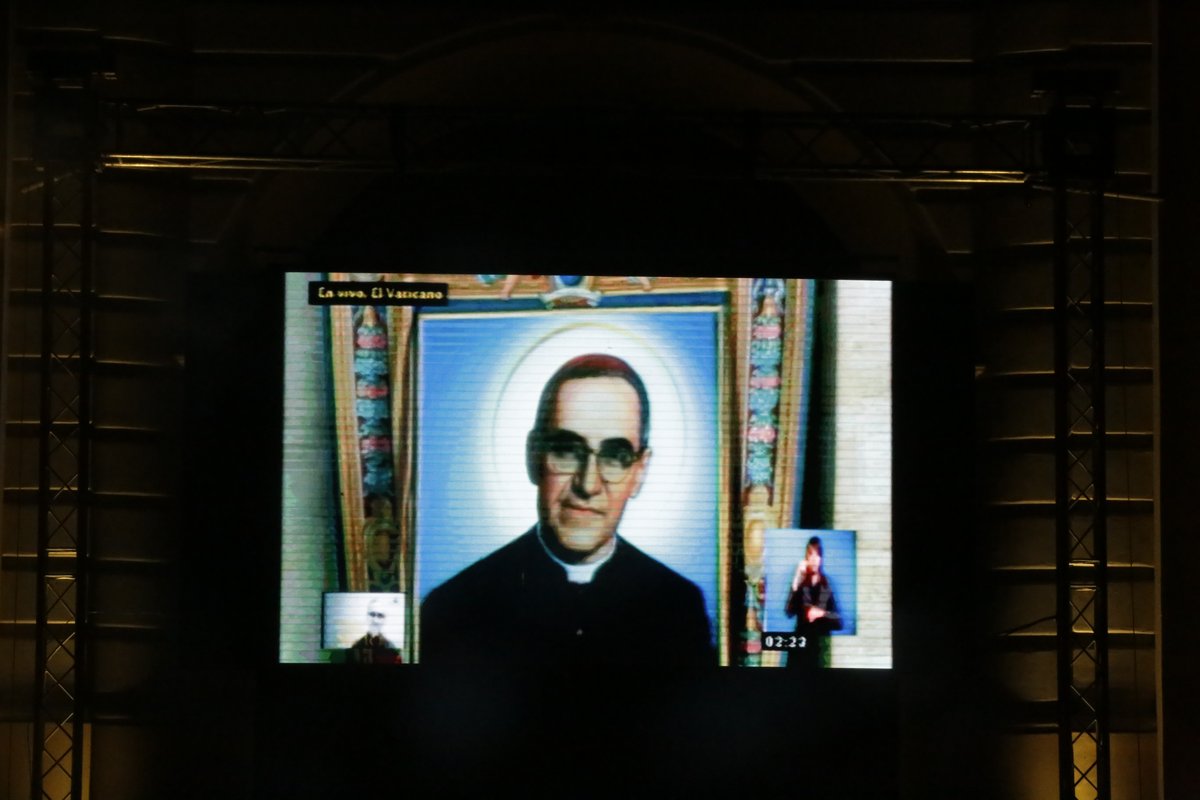
A striking central dome, visible across the city, is decorated inside with a mural honoring Archbishop Óscar Arnulfo Romero—canonized as a saint and a symbol of peace and justice. Natural light through the dome creates an uplifting, contemplative atmosphere.
Interior and Crypt
The cathedral’s layout follows a Latin cross, with a spacious nave and side aisles separated by sturdy columns. The crypt houses the tomb of Saint Óscar Arnulfo Romero, drawing pilgrims and visitors alike. The crypt’s subdued design and soft lighting foster an atmosphere of reverence (Lonely Planet).
Artistic Elements
Visitors will find stained glass windows depicting local saints and biblical scenes, a marble-and-gilded main altar, and side chapels displaying Salvadoran devotional art.
Construction Techniques
Constructed with reinforced concrete, marble, and local stone, the cathedral incorporates seismic reinforcements essential for the region (GPSmyCity).
Spiritual and Cultural Importance
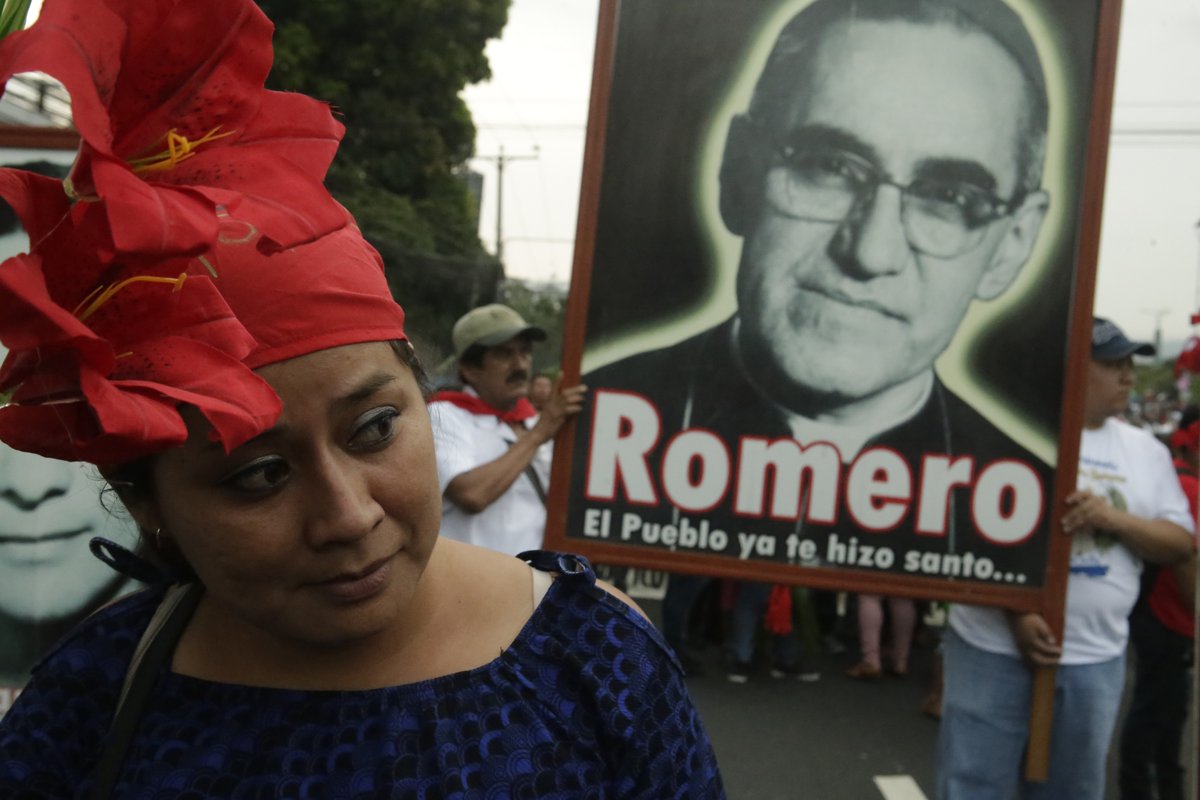
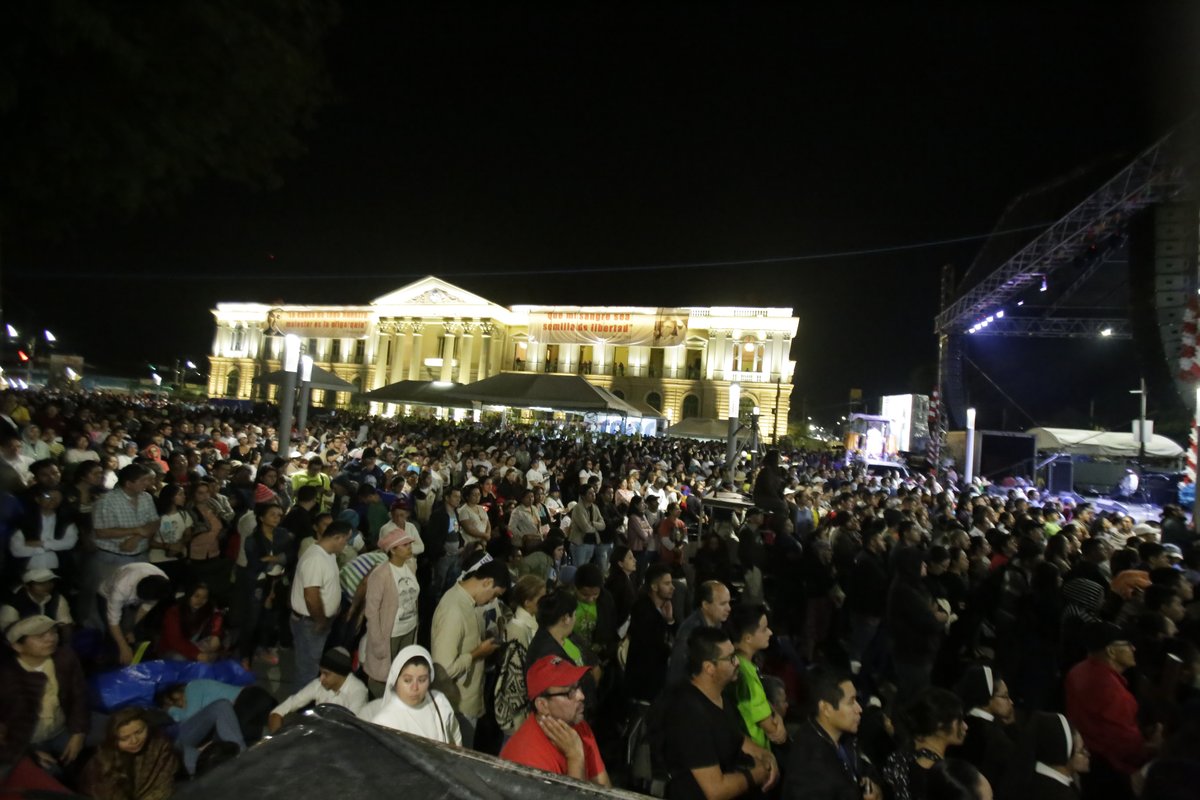
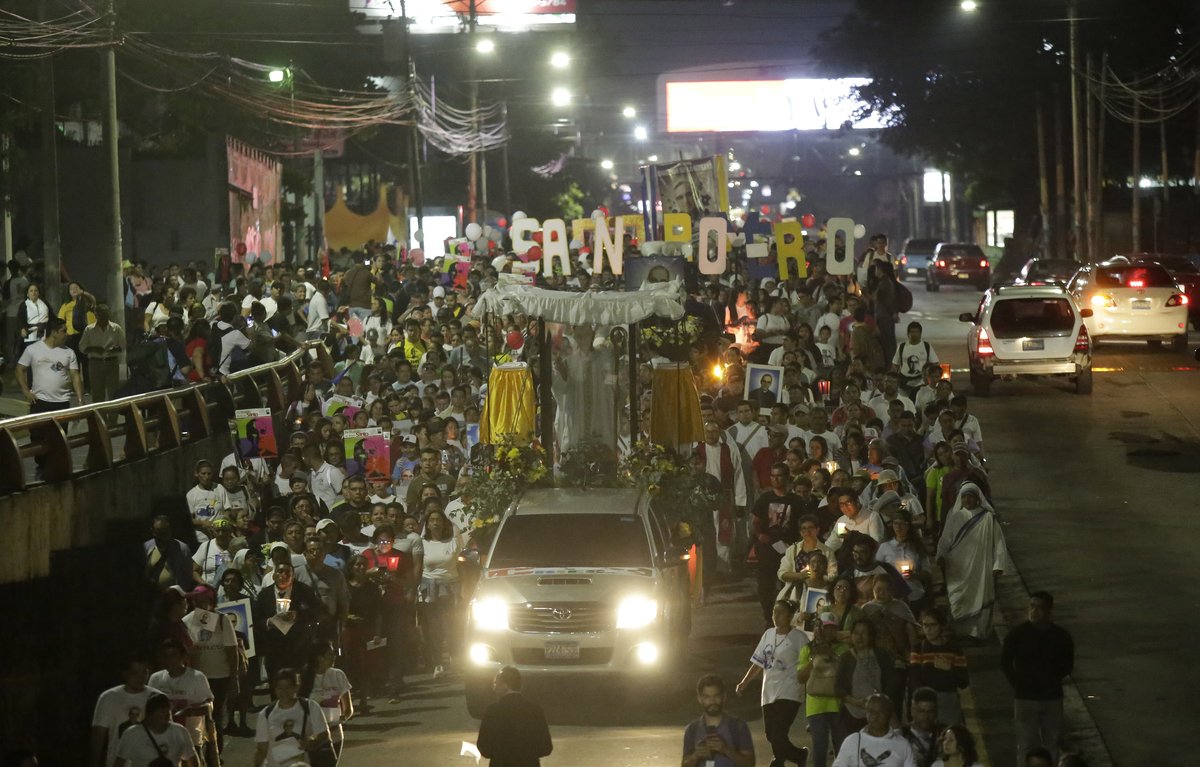
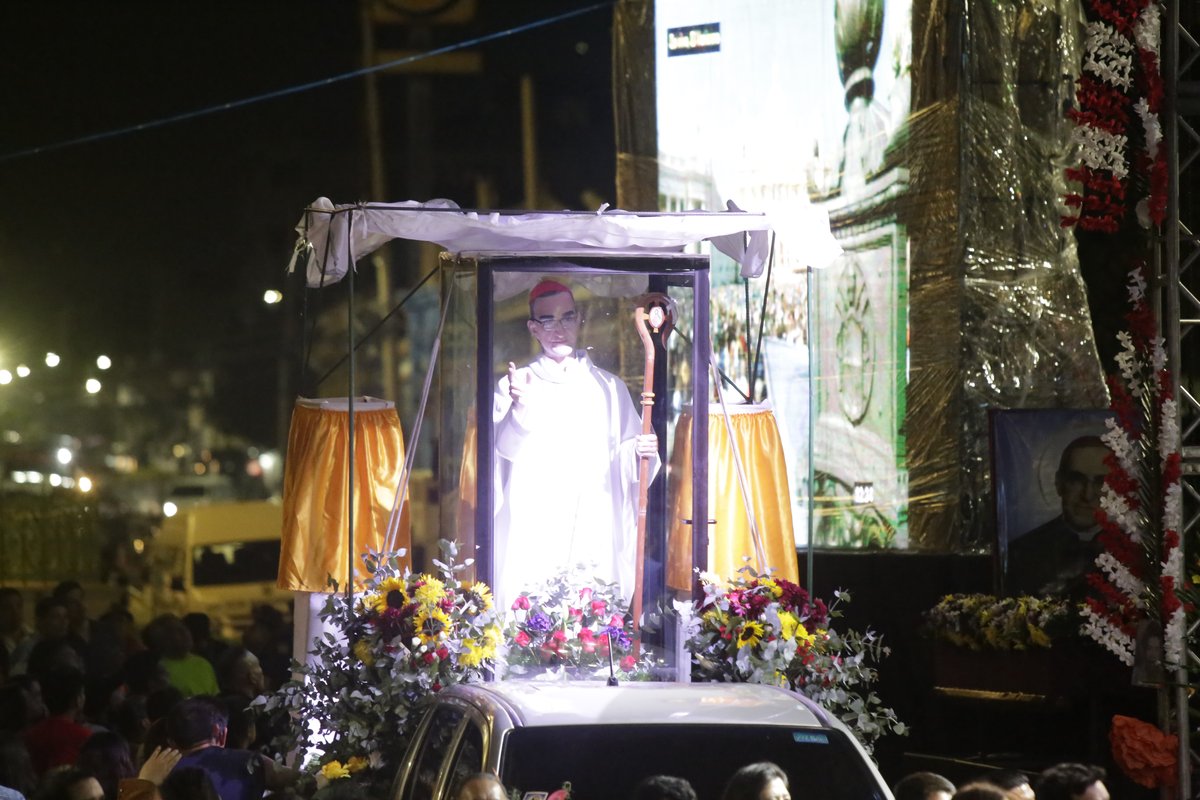
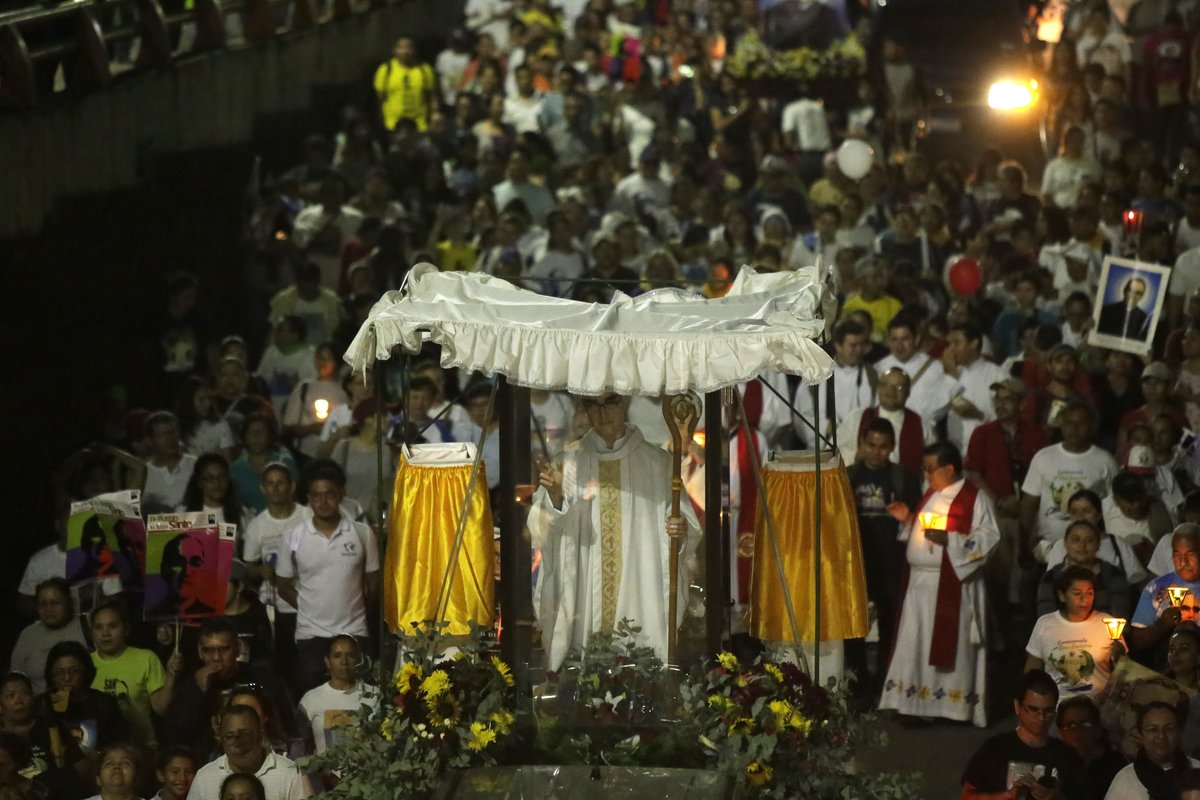
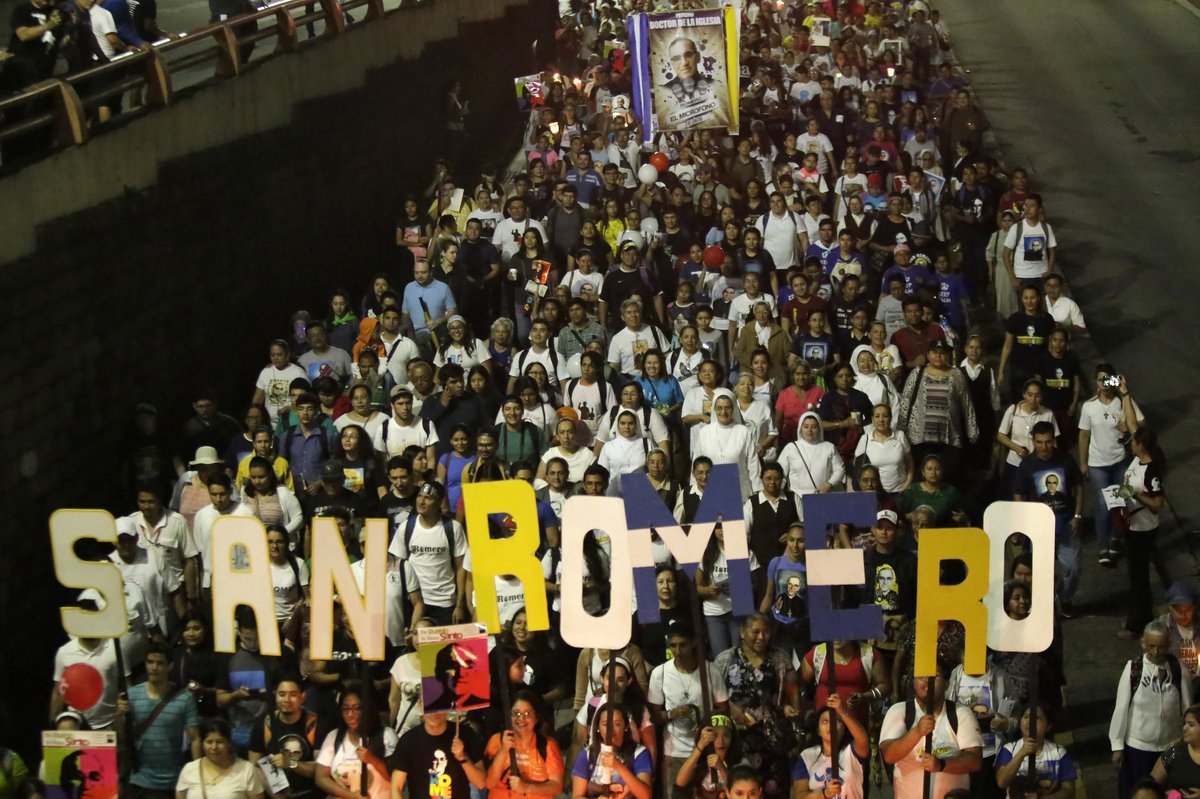
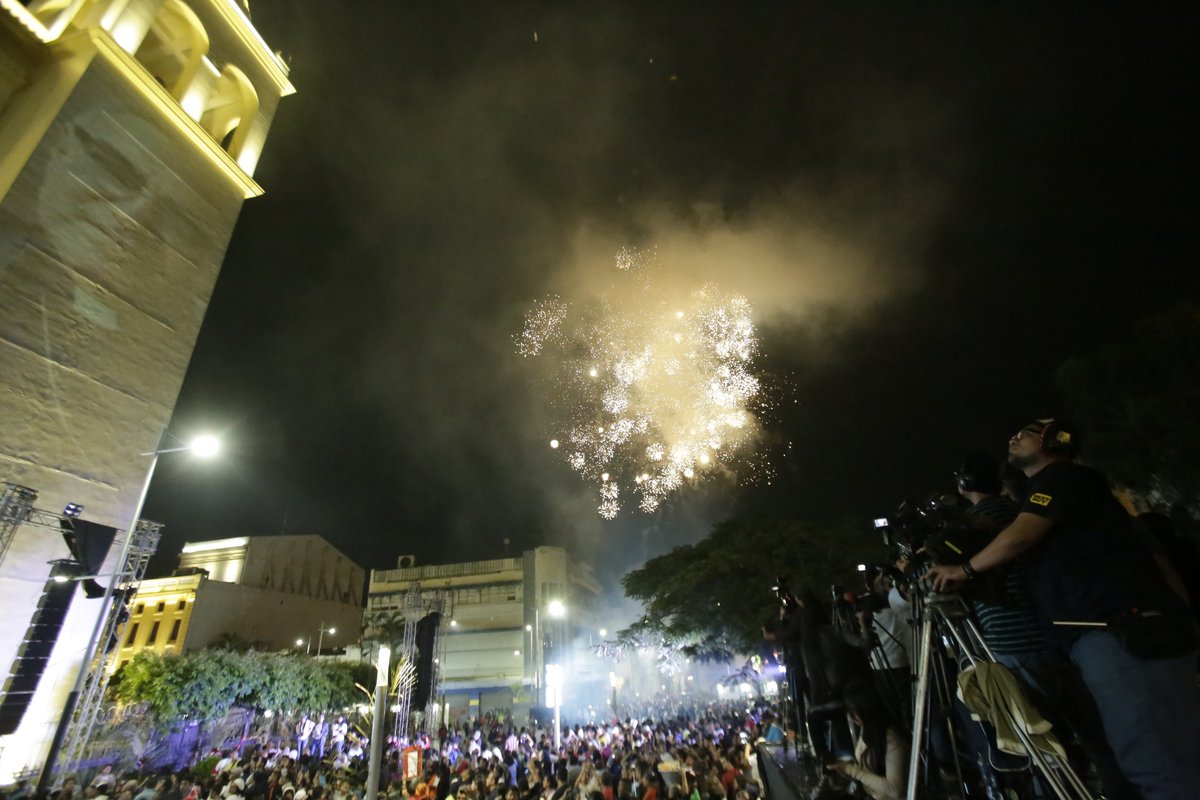
Beyond serving as the seat of the Archdiocese, the cathedral is a national symbol and a venue for major religious and civic events. It is closely associated with the legacy of Saint Óscar Romero, whose advocacy for social justice and human rights continues to inspire visitors from El Salvador and around the world. The cathedral is also a living monument, regularly hosting masses, processions, and community gatherings.
Visitor Information
Location
- Address Av. Monseñor Oscar Arnulfo Romero y 2 Av. Sur #213, San Salvador, El Salvador, postal code 1101 (Catedral Metropolitana de San Salvador)
- Centrally located at Plaza Barrios, within walking distance of the National Palace, National Theater, and other historic sites (Trip.com; Wanderboat)
Visiting Hours
- Monday to Saturday 8:00 AM – 5:00 PM
- Sunday 7:00 AM – 6:00 PM
- Masses typically at 6:30 AM, 12:00 PM, and 5:00 PM on weekdays; check the official website for updates.
Tickets and Admission
- Free admission; no ticket required.
- Donations are appreciated but not mandatory.
Accessibility
- Wheelchair accessible with ramps and wide entrances.
- Main sanctuary and crypt are reachable without stairs; some areas may have uneven flooring.
Guided Tours
- Available upon request through the Archdiocese or at the cathedral information desk.
- Usually last about 45 minutes and may be offered in Spanish and English (inquire for availability and possible nominal fee).
Photography
- Permitted in most areas; avoid flash and be respectful, especially during religious services and in the crypt.
Visitor Etiquette
- Modest attire is recommended; shoulders and knees should be covered.
- Maintain a quiet demeanor, particularly during Mass or while in the crypt.
Exploring the Cathedral and Nearby Attractions
Key Features
- Main Sanctuary Features stained glass, a grand altar, and religious artworks.
- Crypt Tomb of Saint Óscar Arnulfo Romero, a pilgrimage destination (ElSalvadorInfo.net).
- Façade and Bell Towers Notable for their mosaics and structural beauty.
Nearby Attractions
- National Palace
- National Theater
- Plaza Gerardo Barrios
- Mercado Central (local crafts and cuisine)
- Numerous cafés and restaurants, including Moris Rooftop, Fulanos Coffee, and Don Arce Restaurante (Wanderboat)
Practical Travel Tips
- Best Time to Visit Early mornings or late afternoons for a quieter experience; dry season (November–April) offers the best weather (OneTravel).
- Safety The cathedral is safe during daylight hours; exercise standard urban precautions.
- Language Spanish is predominant; basic Spanish or a translation app is helpful.
- Facilities Restrooms on-site; services for sacraments available (see official website).
Frequently Asked Questions (FAQ)
Q: What are the Metropolitan Cathedral of San Salvador visiting hours?
A: Monday–Saturday: 8:00 AM–5:00 PM; Sunday: 7:00 AM–6:00 PM. Hours may vary for special events.
Q: Is there an entry fee or are tickets required?
A: Entry is free; donations are welcome.
Q: Are guided tours available?
A: Yes, upon request; check with staff or the Archdiocese.
Q: Is the cathedral wheelchair accessible?
A: Yes; ramps and accessible seating provided.
Q: Can I take photos inside?
A: Yes, but avoid flash and be respectful during services or in the crypt.
Q: What should I wear when visiting?
A: Modest attire is recommended.
Cultural and Historical Insights
The cathedral is a testament to El Salvador’s resilience, having played a central role in both religious and national life—including hosting the peace accords that ended the country’s civil war (ElSalvadorTips). Visits by Pope John Paul II in 1983 and 1996 further cement its significance. Most notably, the crypt of Saint Óscar Romero remains a place of profound reverence, reflecting the cathedral’s role as a beacon of peace and justice (Wanderboat).
Contact and Official Information
- Address Av. Monseñor Oscar Arnulfo Romero y 2 Av. Sur #213, San Salvador, El Salvador, C.A. 1101
- Phone +503 2271 2573
- Email [email protected]
- Website catedralmetropolitanadess.com
For up-to-date information on Mass schedules, events, and visitor guidelines, consult the official website or contact the cathedral directly.