San Salvador

El Salvador

San Salvador

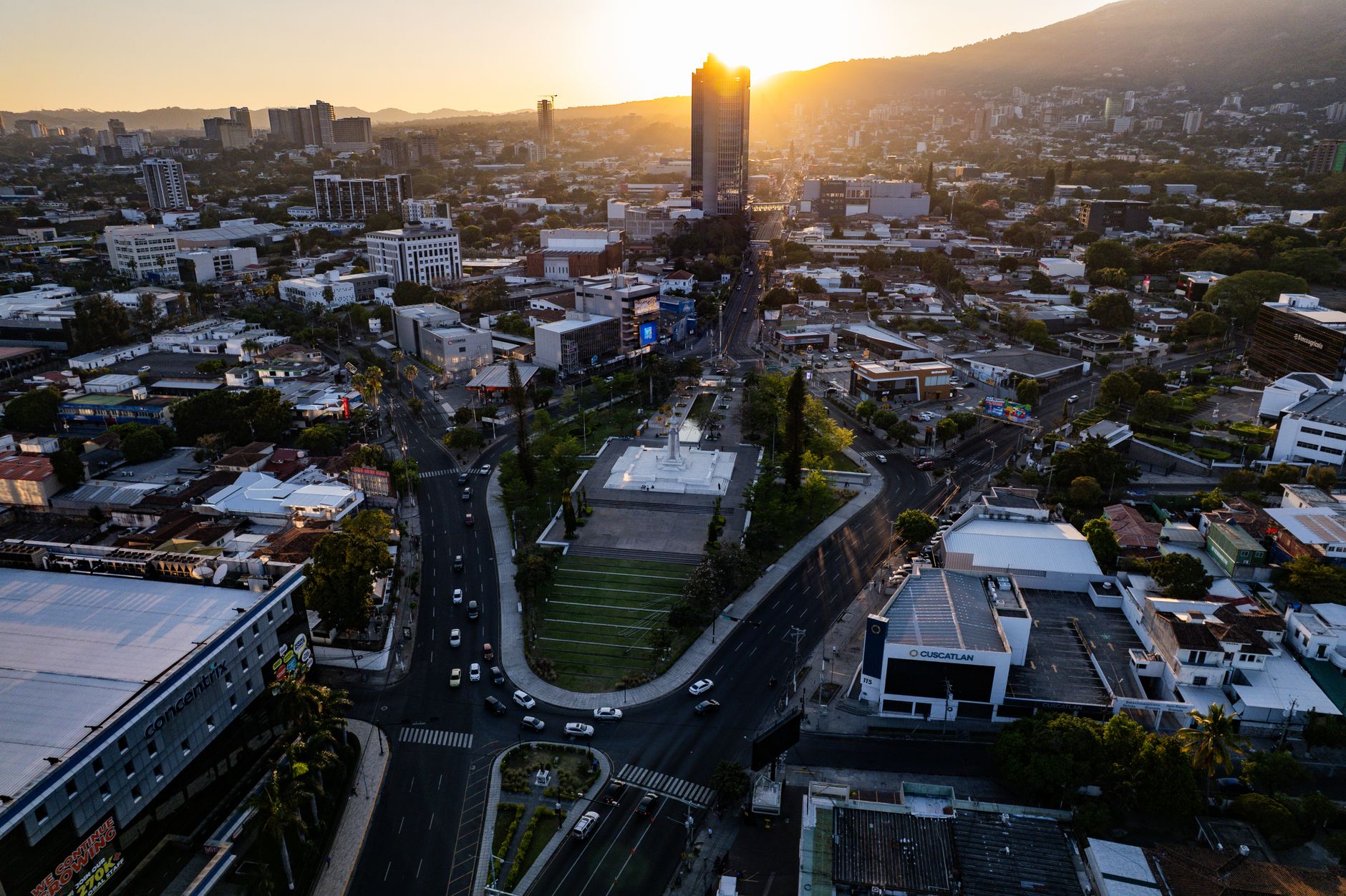
San Salvador hides rainbow-lit brutalist churches, dollar-priced volcano hikes, and loroco-flower pupusas you can’t taste anywhere else—plus day-trips to Maya Pompeii.

location_on 15 attractions
calendar_month November–April (dry season)
schedule 3-4 days

Introduction

The first thing you notice in San Salvador is the smell of volcanic earth cooling after rain—sharp, metallic, alive—rising between concrete towers painted with murals of Óscar Romero’s face. The capital of El Salvador keeps its heartbeat low, almost conspiratorial, as if the whole city agreed to whisper its stories only to those who walk its hills slowly.
Downtown, the 1971 Iglesia El Rosario looks like a half-finished bunker until you step inside and the roof fractures sunlight into violet, orange, green—stained-glass shards set directly into cast concrete. Two blocks away, vendors stack pupusas de loroco on comals hotter than the surrounding traffic, the corn masa blistering while traffic police blow whistles in three-second bursts that echo off the National Palace’s chipped marble.

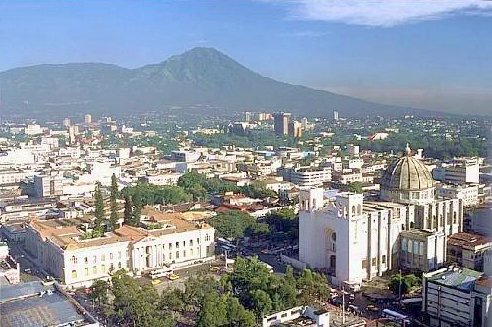
From the crater rim of El Boquerón—1,700 m above the avenues—you can fit the entire metropolitan grid inside the volcano’s 1.5-kilometre throat. The city keeps climbing: up to the Zona Rosa where new cafés serve Apaneca beans brewed at exactly 93 °C, down to Santa Tecla’s Paseo El Carmen where weekend crowds spill onto reclaimed railway sleepers turned into bar counters, reggaetón vibrating the tracks that once carried coffee to the port. San Salvador doesn’t beg for affection; it offers a deal—arrive curious, leave carrying the scent of wet pine and chicharrón in your jacket lining.

Places to Visit

The Most Interesting Places in San Salvador

Monumento Al Divino

Monumento Al Divino

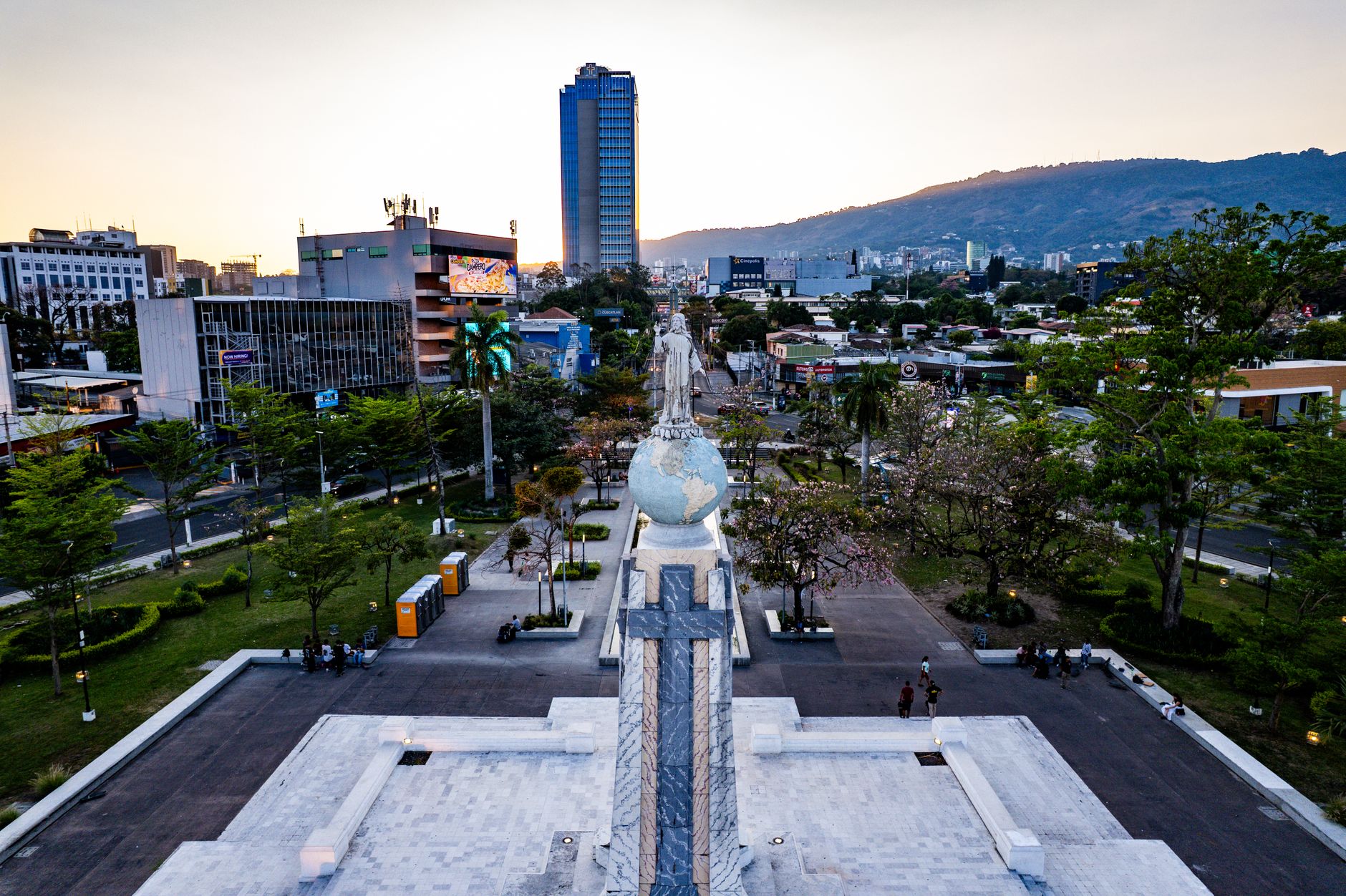
The Monumento al Divino Salvador del Mundo, or Monument to the Divine Savior of the World, stands as an iconic symbol deeply interwoven with the cultural,…

National Palace

National Palace

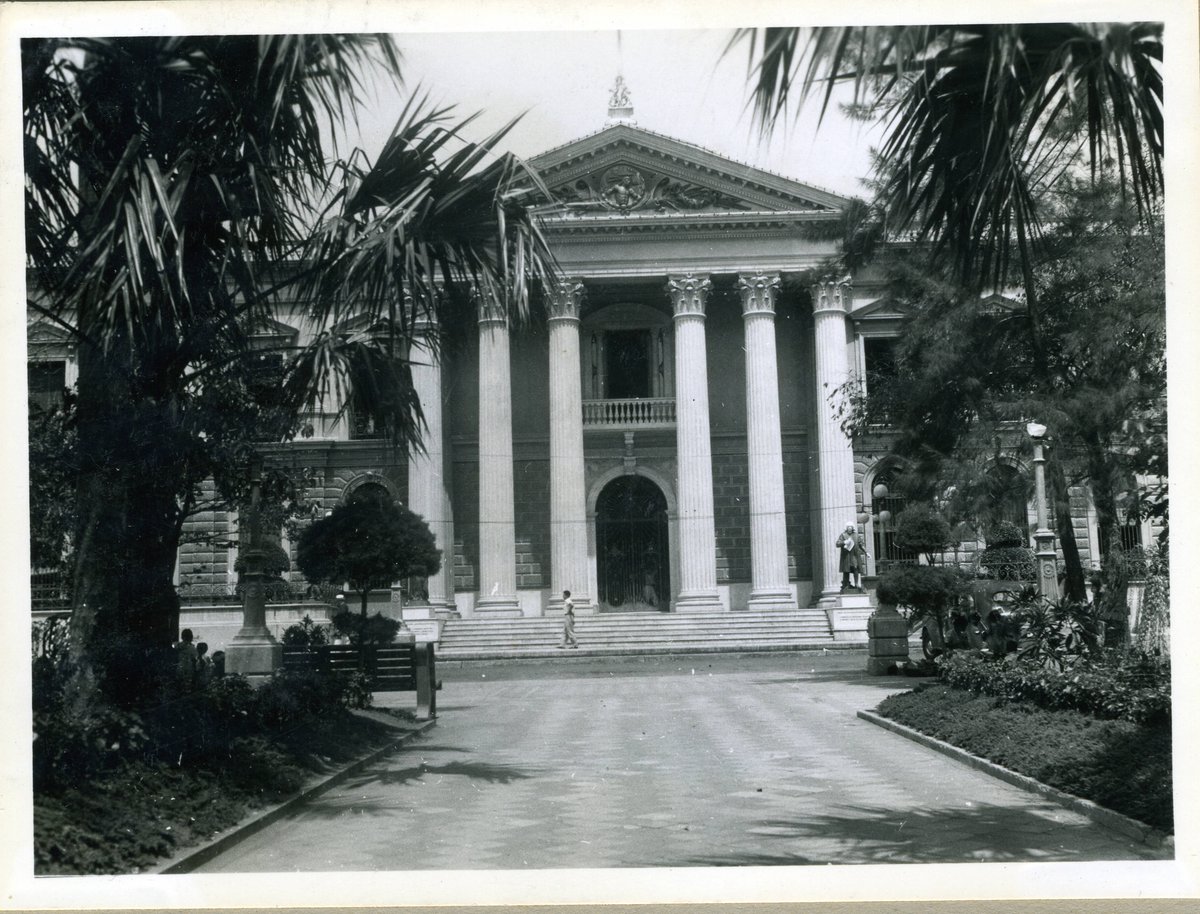
Nestled in the historic heart of San Salvador, the National Palace stands as a magnificent testament to El Salvador’s rich cultural heritage, political…

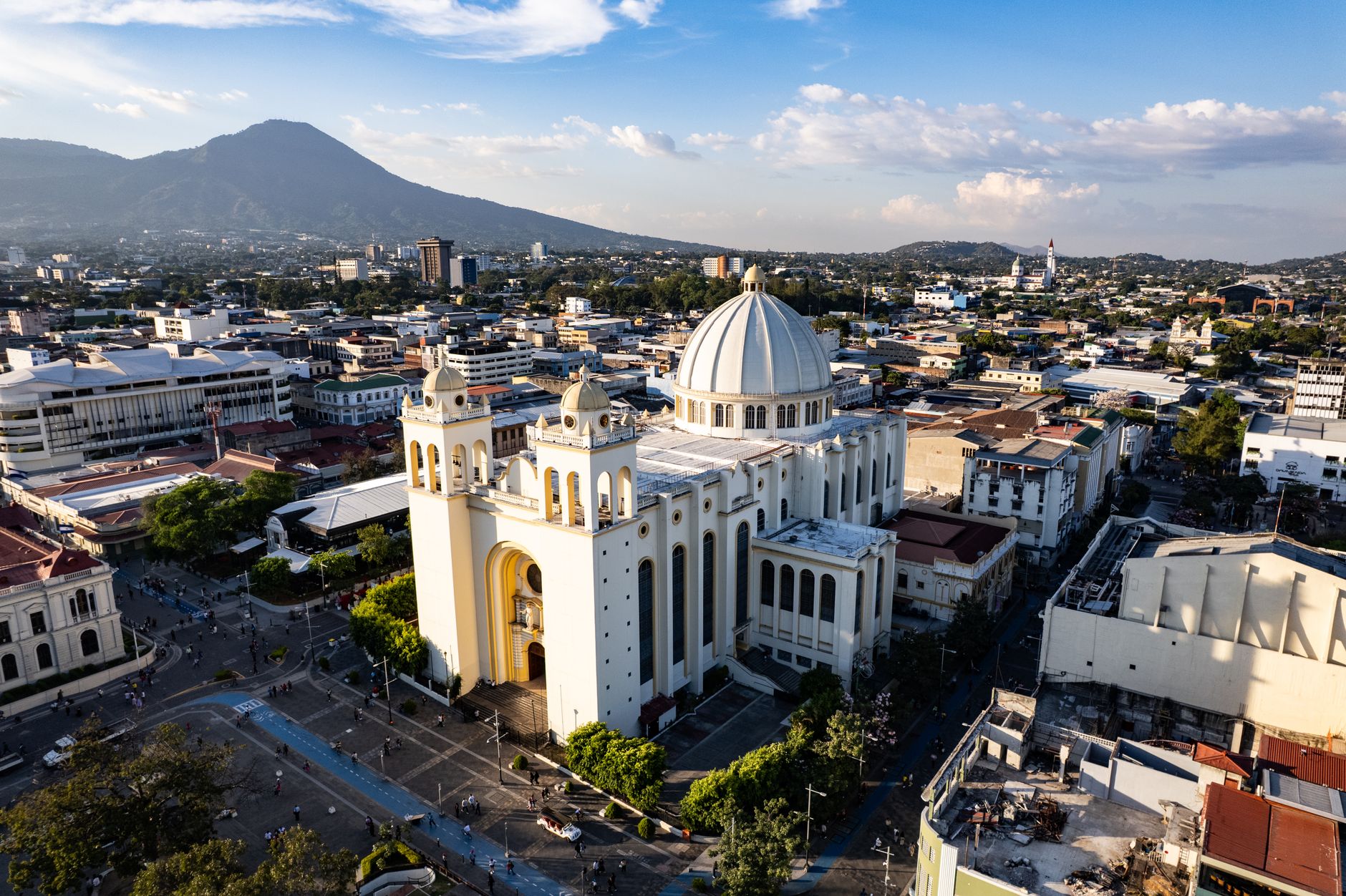
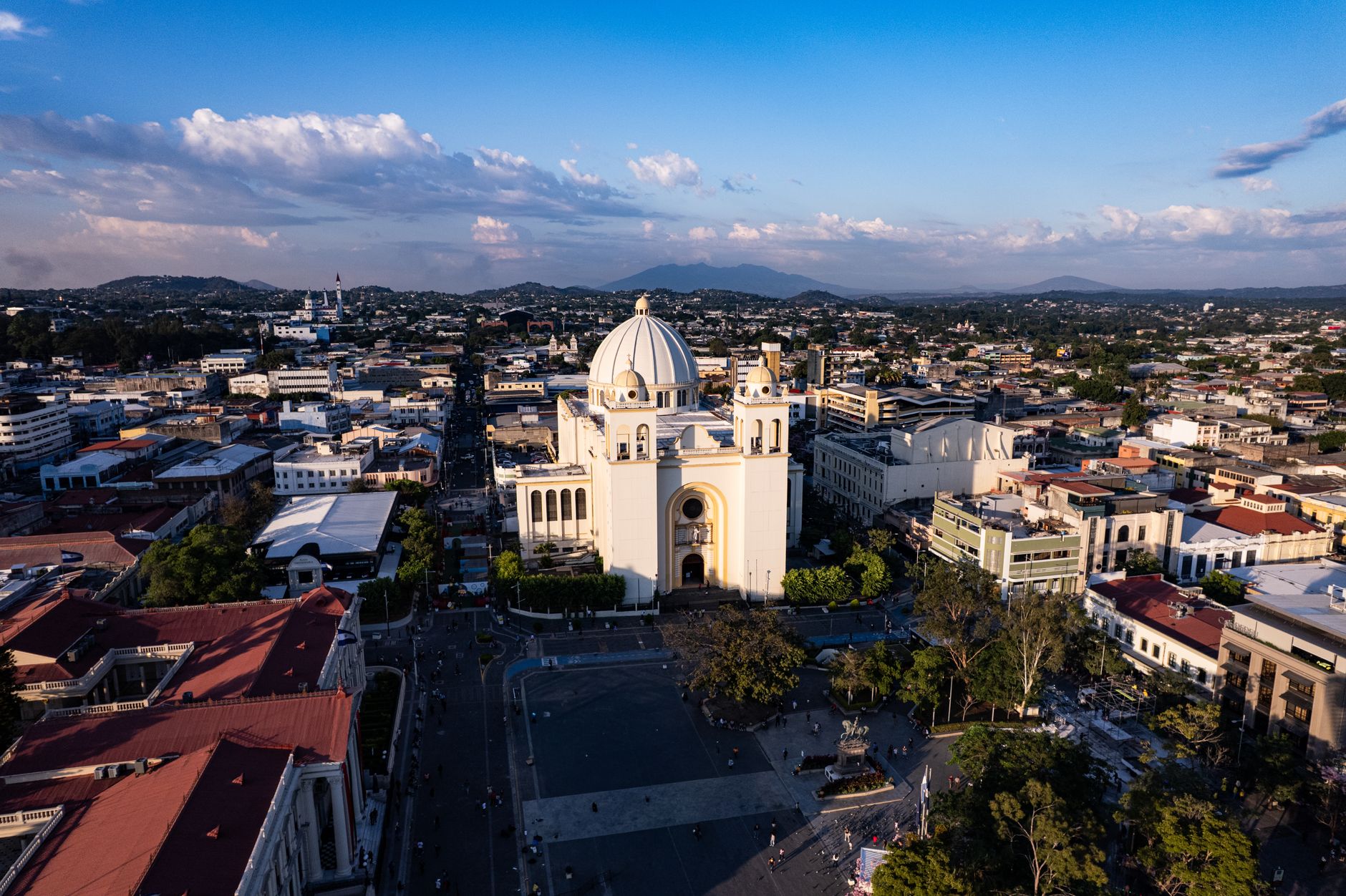
Metropolitan Cathedral of San Salvador

Metropolitan Cathedral of San Salvador

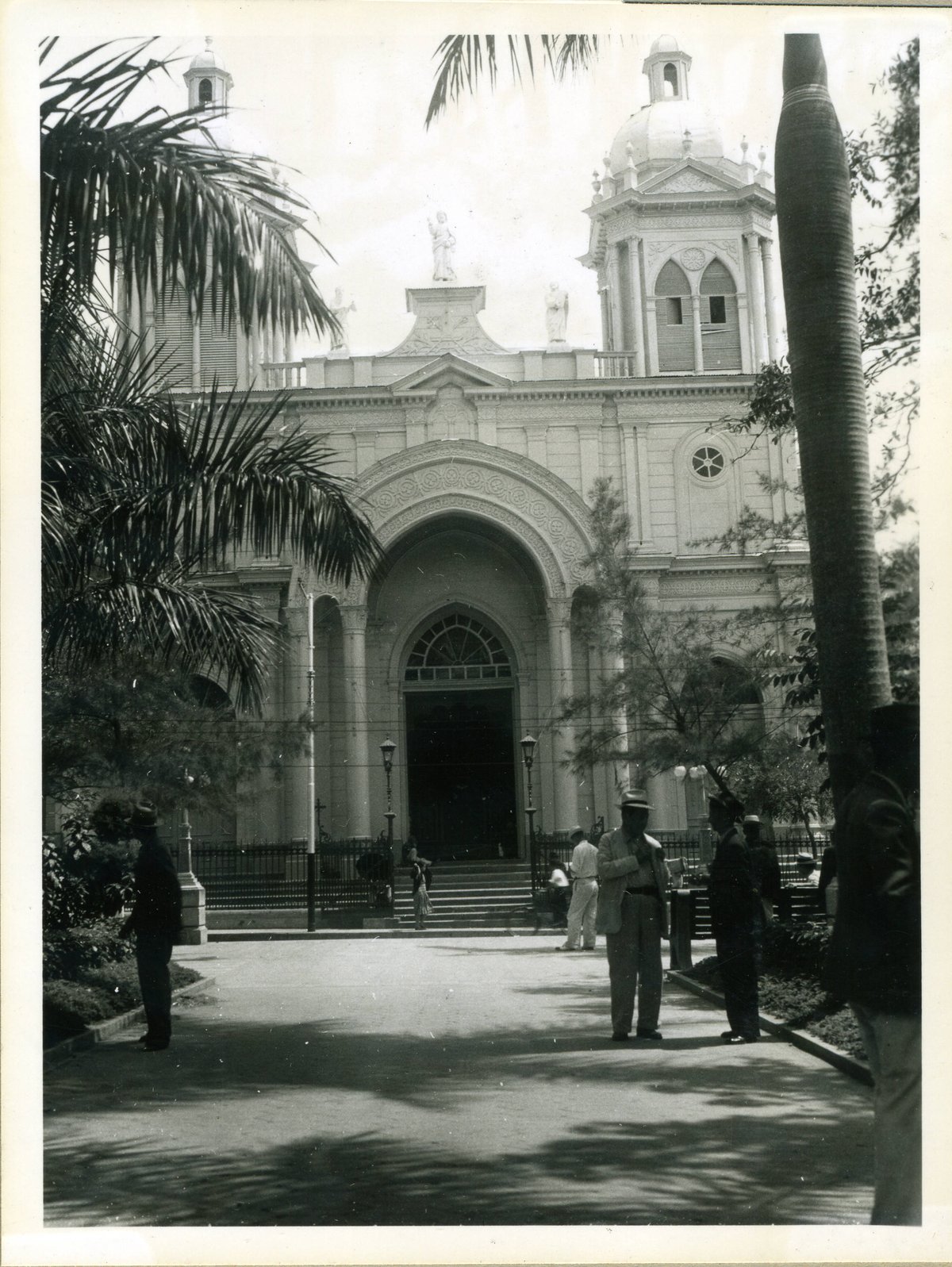
The Metropolitan Cathedral of San Salvador is an emblematic landmark located at the heart of El Salvador’s capital, embodying centuries of history,…

Plaza Gerardo Barrios

Plaza Gerardo Barrios

Plaza Gerardo Barrios, located at the heart of San Salvador’s historic district, stands as an essential landmark that encapsulates the rich history, culture,…

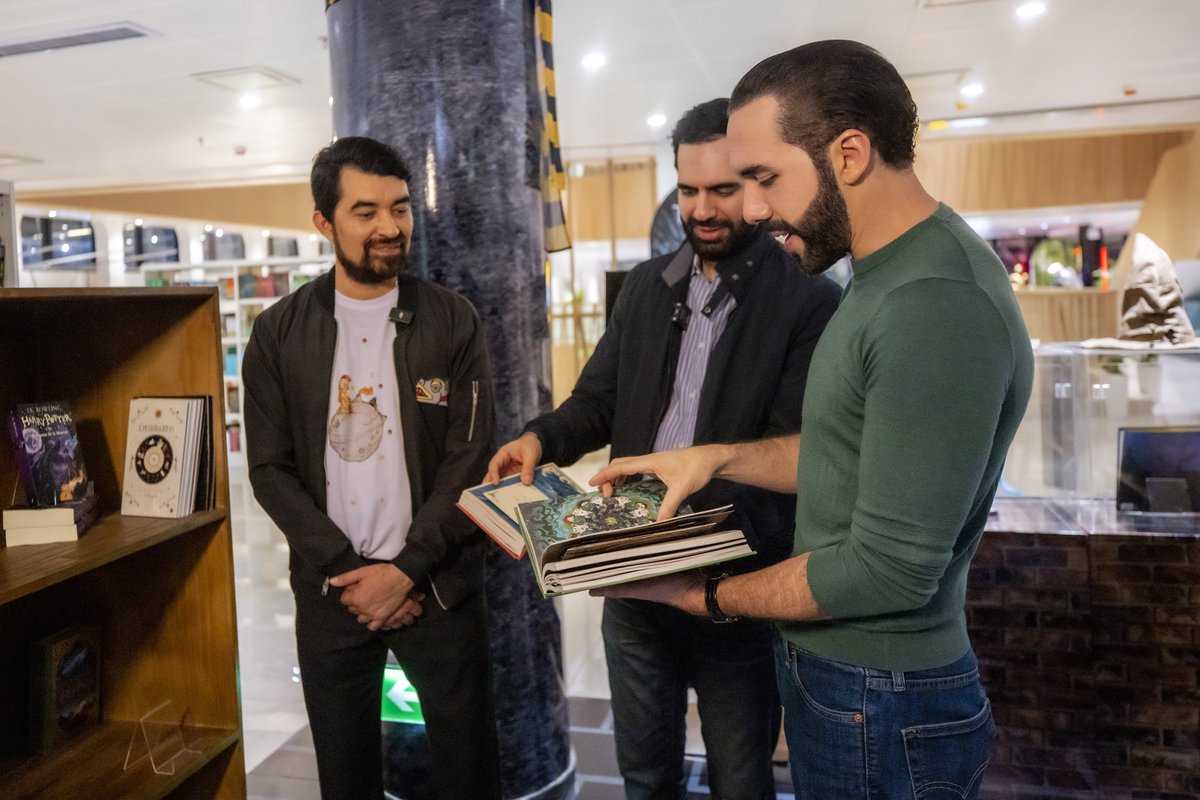
Francisco Gavidia National Library

Francisco Gavidia National Library

Nestled in the historic heart of San Salvador, the Francisco Gavidia National Library, also known as Biblioteca Nacional Francisco Gavidia or BINAES, stands…

landscape

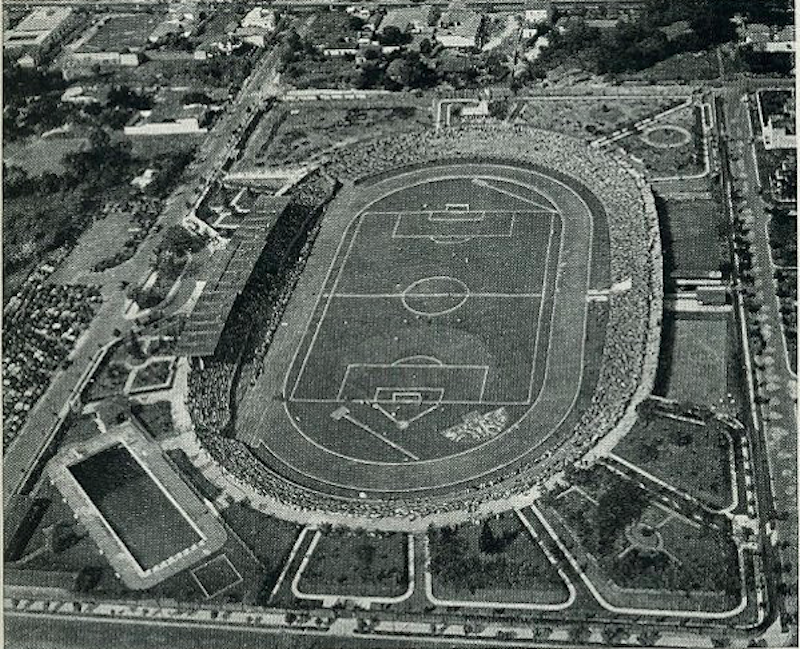
Estadio Cuscatlán

Nestled in the vibrant heart of San Salvador, Estadio Cuscatlán stands as a monumental beacon of sports, culture, and national pride.

National Library of El Salvador

National Library of El Salvador

The National Library of El Salvador (Biblioteca Nacional de El Salvador, BINAES), situated in the historic heart of San Salvador, stands as an emblematic…

Estadio Jorge "El Mágico" González

Estadio Jorge "El Mágico" González

Estadio Jorge "El Mágico" González stands as one of San Salvador’s most iconic landmarks, blending rich sporting heritage with vibrant cultural significance.

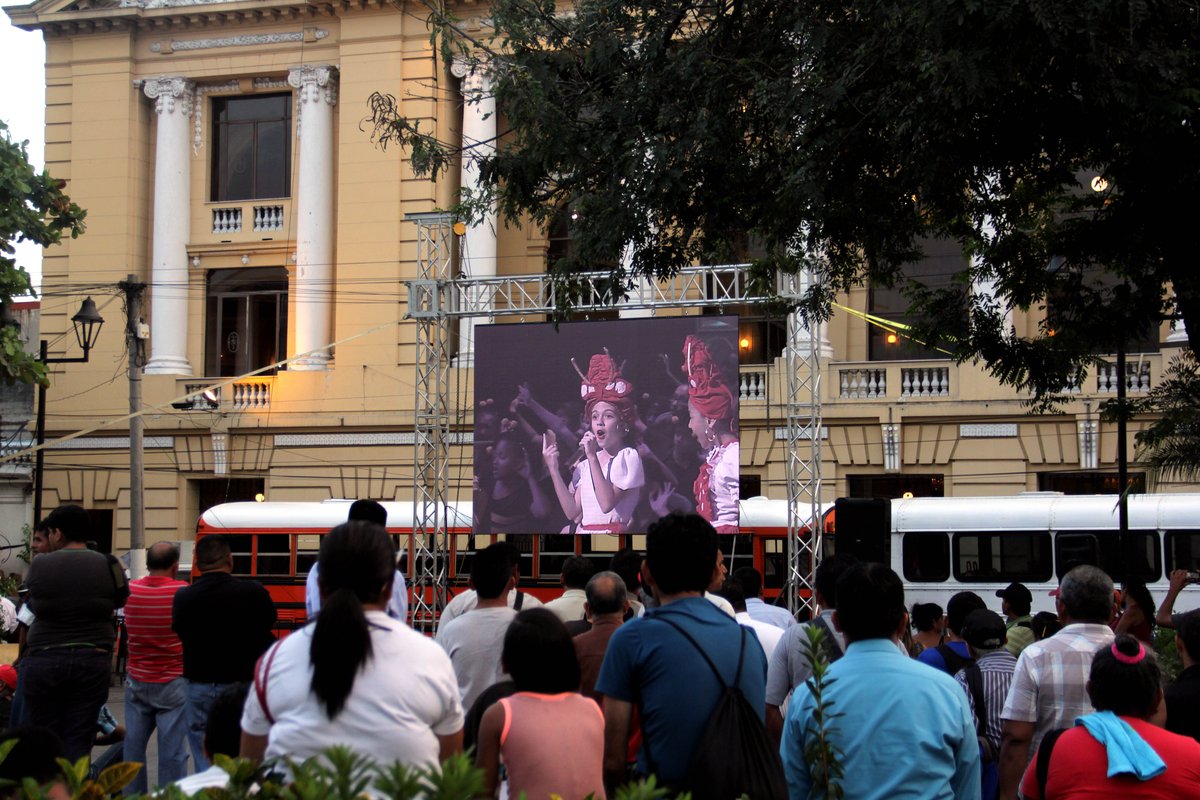
Teatro Nacional De San Salvador

Teatro Nacional De San Salvador

Nestled in the heart of San Salvador, the Teatro Nacional de San Salvador stands as a beacon of El Salvador’s rich cultural and artistic heritage.

landscape

Museo De La Palabra Y La Imagen

Nestled in the heart of San Salvador, the Museo de la Palabra y la Imagen (MUPI) stands as a vital cultural institution dedicated to preserving and conveying…

Casa Presidencial

Casa Presidencial

Casa Presidencial in San Salvador, El Salvador, stands as a profound emblem of the nation’s political heritage, architectural beauty, and cultural evolution.

What Makes This City Special

Brutalist Rainbow

Iglesia El Rosario looks like a concrete bunker until you step inside—then 1971 stained-glass fragments pour color across the nave like liquid sunrise. Engineers call it brutalism; locals call it the church that glows from within.

Volcano in the Backyard

El Boquerón sits 1,700 m above the city, its main crater 1.5 km wide and 550 m deep—big enough to swallow 200 football fields. Hike the rim in 30 minutes, then order a pupusa at the mirador while San Salvador glitters 6 km below.

Tiles They Tried to Erase

Fernando Llort’s 2,700 bright ceramic tiles once wrapped the entire façade of the Catedral Metropolitana; in 2012 the archbishop had them jack-hammered off, leaving only the tomb of slain archbishop Romero to keep watch inside.

A Dog on Wheels

MUNA’s star artifact is a tiny ceramic dog mounted on axles—proof that the Maya invented the wheel for toys, not transport. The museum’s courtyard mural maps 11,000 years of volcanoes, maize and civil war in a single 2011 brush-stroke.

Historical Timeline

A City Forged by Volcanoes and Revolutions

From Pipil markets to Bitcoin capitals

local_fire_department
c. 600 CE

Maya Village Frozen in Ash

While farmers at Joya de Cerén shared breakfast, the Loma Caldera volcano buried their entire village under six meters of ash. The moment was preserved so perfectly that archaeologists found stored beans still in their pots. The disaster, 35 kilometers west of today's San Salvador, created the Pompeii of the Americas and left ghostly footprints of a civilization that would influence the region for centuries.

swords
1524

Spanish Conquest Begins

Pedro de Alvarado's steel-clad cavalry charged into Cuzcatlán, the Pipil capital whose name meant 'Land of Jewels.' The indigenous warriors, led by King Atlácatl, repelled the first assault with obsidian spears and sheer ferocity. It would take a second invasion the following year before the Spanish could establish control over this valley of volcanoes and cacao groves.

castle
1528

San Salvador Founded

Spanish settlers finally established a permanent town near the Pipil settlement of Cuzcatlán, though they had to relocate multiple times due to indigenous resistance. The third attempt stuck. They named it after the Holy Savior, planting the seeds of what would become Central America's most volatile capital in a valley ringed by active volcanoes.

person
1767

José Matías Delgado Born

In the shadow of the cathedral being rebuilt after another earthquake, a future revolutionary took his first breath. This criollo priest would grow up to ring the liberty bell in 1811, becoming the 'Father of the Nation' when he declared independence from Spain. His family home stood where modern San Salvador's traffic now roars past, unaware of the birth that changed everything.

gavel
1811

First Cry of Independence

Father Delgado climbed the steps of Santiago Church and proclaimed rebellion against Spain. For nearly a month, revolutionaries controlled San Salvador before Spanish forces crushed the uprising. The failed revolt lit a fuse that would burn for a decade, proving that even small colonies could dream of freedom.

gavel
1821

Independence Achieved

On September 15th, San Salvador's plaza filled with citizens hearing the news from Guatemala: Central America was free. No more Spanish taxes on indigo exports. No more appointed governors. The city celebrated with fireworks that reflected off the cathedral's new facade, though darker times of civil war and dictatorship waited in the wings.

local_fire_department
1854

Earthquake Destroys Capital

The ground shook for 45 seconds at 3:30 AM, reducing San Salvador to rubble. Adobe churches collapsed into dust. The government palace split open like a broken egg. For four years, the capital moved to Cojutepeque while survivors rebuilt among the ruins, creating the modern street grid that confuses drivers today.

factory
1859

Coffee Replaces Indigo

President Gerardo Barrios distributed coffee seedlings to every landowner, transforming San Salvador's economy forever. Where indigo processing vats once stained the rivers blue, coffee plantations now carpeted the volcanic slopes. The city smell shifted from fermented indigo to roasting coffee beans, as the 'Fourteen Families' built their fortunes on caffeine and cheap labor.

person
1893

Farabundo Martí Born

In a modest house near today's Central Market, a child was born who would become El Salvador's most famous revolutionary. Agustín Farabundo Martí studied law in San Salvador's university before organizing peasants and workers. His execution in 1932 would inspire the guerrilla movement that bore his name, making him the city's eternal political ghost.

local_fire_department
1917

Volcano Erupts Over City

San Salvador Volcano exploded at dawn, sending a column of ash 8 kilometers high. Lava flows destroyed neighborhoods in what is now Ciudad Merliot. The eruption created El Boqueroncito, a baby crater inside the main crater, and taught the city a lesson it keeps forgetting: building on volcanoes has consequences.

swords
1932

La Matanza Massacre

After Farabundo Martí's failed communist uprising, General Martínez ordered the military to kill anyone wearing indigenous dress or speaking Nahuatl. In San Salvador's central plaza, soldiers machine-gunned suspected rebels. An estimated 30,000 died nationwide, breaking the indigenous backbone and turning the capital into a city of silence about its native heritage.

palette
1949

Fernando Llort Born

In the San Salvador neighborhood of Soyapango, a boy learned to paint the colorful folk art that would define a nation. Fernando Llort's bright, childlike scenes of rural life—cows, chickens, and campesinos—became El Salvador's visual signature. His 1997 ceramic tile mural on the Metropolitan Cathedral would spark controversy when conservative archbishops ordered it destroyed in 2012.

church
1964

Iglesia El Rosario Completed

From the outside, it looked like a concrete bunker. Inside, natural light exploded through stained glass, turning the church into a kaleidoscope of purple, blue, and gold. Architect Rubén Martínez created this modernist masterpiece that locals still argue about—some call it ugly, others call it the most beautiful church in Central America.

person
1980

Archbishop Romero Assassinated

While preaching at the Hospital of Divine Providence, Archbishop Óscar Romero took a bullet to the heart. The shot, fired by a death squad gunman, echoed through San Salvador and triggered twelve years of civil war. Romero's blood still stains the chapel floor where he died defending the poor, making him the city's most powerful ghost.

swords
1981

El Mozote Massacre

The US-trained Atlacatl Battalion marched into El Mozote village and murdered nearly 1,000 civilians. In San Salvador, newspapers ignored the story while foreign journalists risked their lives to expose it. The massacre became the civil war's defining atrocity, proving that the conflict had abandoned any rules of humanity.

gavel
1992

Peace Accords Signed

At Chapultepec Castle in Mexico, both sides signed papers ending 75,000 deaths and twelve years of war. In San Salvador's plazas, former enemies who had tried to kill each other now shared pupusas and stories. The city learned to breathe without fear, though healing would take generations and scars remain visible in bullet-pocked buildings.

local_fire_department
January 2001

Earthquakes Devastate Capital

Two massive quakes—7.6 and 6.6 magnitude—struck exactly one month apart. The first hit during dinner, the second during breakfast. Together they killed 1,200 people and left a million homeless in San Salvador alone. Entire neighborhoods slid down hillsides, revealing how the city's rapid growth had ignored basic safety.

church
2015

Romero Beatified

Pope Francis declared Óscar Romero a martyr for the faith, drawing 250,000 pilgrims to San Salvador. The beatification mass filled the same plaza where Romero once preached against violence. His tomb in the Metropolitan Cathedral became a place of pilgrimage, though the ceramic tiles Fernando Llort created for it had been destroyed three years earlier.

science
2021

Bitcoin Becomes Legal Tender

President Nayib Bukele, born in San Salvador's middle-class Colonia Miramonte, made El Salvador the first country to adopt Bitcoin as legal tender. The city installed 200 Bitcoin ATMs overnight. Some vendors cheered the innovation while others watched their savings evaporate in crypto volatility, proving that San Salvador remains a laboratory for both utopian dreams and harsh realities.

gavel
2022

Gang Crackdown Transforms Streets

Bukele's government arrested 58,000 suspected gang members in six months, filling San Salvador's jails beyond capacity. The city changed overnight: no more graffiti, no more extortion, but also no more due process. Neighborhoods that hadn't seen police in decades now had soldiers on every corner, raising questions about whether peace bought with authoritarianism can last.

schedule
Present Day

Notable Figures

Óscar Romero

1917–1980 · Archbishop and martyr
Assassinated while saying Mass in San Salvador

Romero preached against poverty from the same cathedral whose ceramic façade was later smashed by his own successors. Pilgrims now file past his tomb in the basement, leaving notes that squeeze between the 2,700 replacement tiles. He’d probably smile that the city still argues about him—now over street murals instead of sniper fire.

Fernando Llort

1949–2018 · Ceramic artist
Designed the original cathedral tiles destroyed in 2012

Llort turned village clay into El Salvador’s national aesthetic—bright birds and cornfields that once wrapped the cathedral like folk wrapping paper. The archbishop jack-hammered it off, claiming it wasn’t ‘sacred enough.’ Today Llort’s studio in La Palma still ships mini tiles; tourists buy them to paste on notebooks, unaware they’re holding fragments of a capital controversy.

Roque Dalton

1935–1975 · Poet and guerrilla
Born in San Salvador

Dalton wrote blistering satire in bars near Plaza Libertad, then was executed by his own comrades inside a safe-house that’s now a parking lot. His verses still echo on city murals: ‘Poetry is a weapon loaded with future.’ He’d laugh that the bookshops selling his revolutionary poems sit opposite Starbucks, both charging four dollars for what once cost blood.

Jorge ‘Mágico’ González

born 1958 · Footballer
Born in San Salvador

Mágico dribbled through entire defenses in Estadio Cuscatlán, then partied until dawn in Zona Rosa clubs that still play his highlight reels between reggaetón tracks. Cádiz fans in Spain worship him; here kids wear his faded #10 jersey sold by street vendors outside the same stadium. He’d approve that Sunday leagues still pause arguments to cheer a nutmeg—proof the city values flair over bureaucracy.

Julio Torres

born 1987 · Comedian and filmmaker
Born in San Salvador

Torres turned childhood memories of San Benito birthday parties into HBO’s Los Espookys, filming pastel surrealism that looks like the capital’s thrift-store toy aisles. He jokes that growing up with strict import laws trained him to imagine impossible props. Return today and he’d probably cast the pink-striped Multiplaza escalators as a spaceship—because in his San Salvador, even malls dream bigger.

Practical Information

flight

Getting There

Fly into El Salvador International Airport (SAL) at San Luis Talpa, 45–60 min south of downtown. Ilopango (ILS) handles only private/charter flights. CA-1 highway links the capital to Guatemala in 4 h and Honduras in 3 h; no passenger trains operate.

directions_transit

Getting Around

San Salvador has no metro, tram or tourist pass. Uber (arrived 2017) is safest and cheapest; yellow Taxi Amarillo costs $30–40 from the airport. Public “chicken” buses run everywhere for under $1 but are off-limits to US embassy staff due to pickpockets.

thermostat

Climate & Best Time

Dry season runs November–April with 24–30 °C days and cool 15 °C nights at altitude. May–October brings daily afternoon downpours and 85 % humidity. Come February–March for volcano hikes without mud; December crowds spike for Christmas festivals.

shield

Safety

The State of Exception (since March 2022) cut homicide rates sharply, but gangs still operate. Use Uber after dark, avoid Centro Histórico at night, and never ride public buses. Emergency dial 911; police presence is heavy in Escalón and San Benito districts.

payments

Money

US dollars only—no currency exchange needed. ATMs dispense $1 to $20 bills; carry small notes for markets. A pupusa costs $0.75, museum entry $2–6, high-end dinner $20. Tourist card $12 cash on arrival; departure tax is pre-paid in air tickets.

Where to Eat

local_dining

Don't Leave Without Trying

Pupusas Loroco Yuca con Chicharrón Sopa de Pata Sopa de Res Tamales Salvadoreños Riguas Desayuno Típico Panes con Pollo/Pavo Elote Loco

Kuskatán • Plaza Barrios

local favorite
Traditional Salvadoran €€ star 4.8 (125)

Order: The giant pupusas are a must-try, especially with the traditional curtido and salsa roja. The breakfast menu is also highly recommended.

This spot offers a great view of the lively Plaza Barrios and serves some of the best traditional Salvadoran food in the area. The fast service and attentive staff make it a standout.

schedule

Opening Hours

Kuskatán • Plaza Barrios

Monday 8:00 AM – 12:00 AM
Tuesday 8:00 AM – 12:00 AM
Wednesday 8:00 AM – 12:00 AM
map Maps

Basilico Italian Bistro

fine dining
Italian €€ star 4.9 (1235)

Order: The fettuccine is creamy and abundant, and the cheesecake with caramel is a must-try dessert. The beet risotto with salmon is also highly recommended.

Located on the top floor of the BAIES library, this bistro offers a relaxing atmosphere with great views of the city. The service is top-notch, and the food is consistently delicious.

schedule

Opening Hours

Basilico Italian Bistro

Monday 8:00 AM – 10:00 PM
Tuesday 8:00 AM – 10:00 PM
Wednesday 8:00 AM – 10:00 PM
map Maps

Restaurante La Rueda Steakhouse

local favorite
Steakhouse €€ star 4.9 (1251)

Order: The skirt steak is a standout, and the carpaccio is also highly recommended. The drinks and service are excellent.

This steakhouse offers a great atmosphere with good 80’s music and excellent service. It's a top choice for meat lovers in San Salvador.

schedule

Opening Hours

Restaurante La Rueda Steakhouse

Monday 12:00 – 9:00 PM
Tuesday 12:00 – 9:00 PM
Wednesday 12:00 – 9:00 PM
map Maps

Good Beans El Salvador Coffee Roasters

cafe
Coffee Shop €€ star 4.9 (183)

Order: The pour-over coffee is exceptional, and the salmon bagel is a great pairing. The owner is knowledgeable and helpful.

This cozy coffee shop roasts its own beans and offers a friendly, fast service. It's a favorite spot for coffee lovers in San Salvador.

schedule

Opening Hours

Good Beans El Salvador Coffee Roasters

Monday 9:00 AM – 6:00 PM
Tuesday 9:00 AM – 6:00 PM
Wednesday 9:00 AM – 6:00 PM
map Maps language Web

1893 Restaurant

fine dining
Fine Dining €€ star 4.9 (113)

Order: The salmon ravioli and ribeye are highly recommended. The filo dough and pesto bites make for a great appetizer.

This restaurant offers an exceptional dining experience with a beautiful atmosphere and attentive service. It's perfect for a romantic meal or connecting with friends.

schedule

Opening Hours

1893 Restaurant

Monday Closed
Tuesday 12:00 – 3:00 PM, 6:00 – 9:00 PM
Wednesday 12:00 – 3:00 PM, 6:00 – 9:00 PM
map Maps language Web

Mila's Bakery • Diagonal Universitaria

quick bite
Bakery €€ star 4.9 (28)

Order: The sandwiches are delicious, and the coffee is excellent. The staff is friendly and welcoming.

This bakery offers a great selection of bread and pastries, along with delicious coffee. The friendly staff makes it a pleasant place to visit.

schedule

Opening Hours

Mila's Bakery • Diagonal Universitaria

Monday 6:00 AM – 5:00 PM
Tuesday 6:00 AM – 5:00 PM
Wednesday 6:00 AM – 5:00 PM
map Maps

Monterosso Trattoria El Salvador

local favorite
Italian €€ star 4.8 (1438)

Order: The made-to-order focaccia with garlic oil is a must-try. The osso buco and pizza are also highly recommended.

This trattoria offers a great atmosphere and excellent service. It's a popular spot for Italian food in San Salvador.

schedule

Opening Hours

Monterosso Trattoria El Salvador

Monday 12:00 – 10:00 PM
Tuesday 12:00 – 10:00 PM
Wednesday 12:00 – 10:00 PM
map Maps language Web

La Doña Steakhouse

local favorite
Steakhouse €€ star 4.7 (1231)

Order: The ribeye and potato skins are highly recommended. The fajitas are also a great choice.

This steakhouse offers a great atmosphere with a view of the Historical Centre. The service is excellent, and the food is cooked to perfection.

schedule

Opening Hours

La Doña Steakhouse

Monday 12:00 – 10:00 PM
Tuesday 12:00 – 11:00 PM
Wednesday 12:00 – 10:00 PM
map Maps language Web
info

Dining Tips

  • check Arrive before 12:30 PM at market comedores for fresher food and shorter waits.
  • check 6–7:30 PM is a 'dead window' at upscale restaurants, useful for eating comfortably without crowds.
  • check Lingering at market comedores generates visible impatience; order promptly and eat quickly.
  • check Pupuserías are best on Thursdays through Saturdays with family groups; queues may form.
  • check The Zona Rosa area fills up around 8 PM on Fridays and Saturdays; expect walk-in waits of up to an hour.
  • check Mercado Central and Mercado Ex-Cuartel offer fixed-price lunches with fast service.
  • check Comedor dining involves counter seating with few stools; it's a communal, fast-paced experience.
  • check Horchata de Morro and Atol de Elote are traditional drinks that pair well with any meal.
Food districts: Zona Rosa (Boulevard del Hipódromo, Colonia San Benito) - Upscale dining and nightlife. Colonia Escalón - Quieter, more residential with established restaurants and farm-to-table spots. Downtown (Mercado Central / Mercado Ex-Cuartel area) - Budget-oriented, authentic, fast dining. Los Planes de Renderos - Scenic area with popular pupuserías.

Restaurant data powered by Google

Tips for Visitors

no_crash
Skip Public Buses

City buses are off-limits to US embassy staff for good reason—pickpockets and route confusion are common. Use Uber or radio taxis even for short hops; rides cost under $5 in the tourist zones.

attach_money
Carry Small USD Bills

Everything from park entry ($2) to pupusas ($0.75 each) is paid in dollars, and vendors rarely break $20s. Withdraw $10s and $5s at airport ATMs before you leave the terminal.

church
Visit Iglesia El Rosario Early

The concrete shell looks dull outside, but step in before 10 a.m. and the stained-glass fragments throw a private rainbow across the nave. Mass closes the building to sightseers after mid-morning.

photo_camera
Weekday Volcano Light

At El Boquerón the crater rim faces east—go on a clear weekday morning for soft side-light and empty trails. Weekends bring drone vendors and family picnics that clutter the view.

restaurant
Eat Pupusas After Dark

Salvadorans treat pupusas as an evening snack; stalls fire up around 5 p.m. Ask for loroco con queso—the native vine flower filling you won’t taste anywhere else in the world.

location_city
Stay West, Explore East

Book lodging in Escalón, San Benito, or Zona Rosa where you can walk safely after dark. Sightsee the Historic Center by day, then retreat westward before the sun drops.

Explore the city with a personal guide in your pocket

Your Personal Curator, in Your Pocket.

Audio guides for 1,100+ cities across 96 countries. History, stories, and local insight — offline ready.

smartphone

Audiala App

Available on iOS & Android

download Download Now

Join 50k+ Curators

Frequently Asked

Is San Salvador worth visiting? add

Yes, if you want to see a capital that flips expectations: brutalist churches glowing with rainbow light, a dollar-based economy that keeps costs low, and volcano craters inside city limits. Stay in the west-side districts, use ride-apps, and you’ll scratch beneath the headlines to find world-class coffee, Maya archaeology day-trips, and a contemporary art scene that punches above its weight.

How many days do I need in San Salvador? add

Three full days covers the essentials: one for the Historic Center and El Rosario, one for El Boquerón volcano and MARTE museum, and a third for Joya de Cerén or Suchitoto. Add an extra day if you plan to hike Santa Ana volcano or tour the Ruta de las Flores.

Is San Salvador safe for tourists now? add

Safer than it’s been in decades. A state of exception since 2022 has cut homicides dramatically; US State Dept lowered the alert to “Exercise Normal Precautions” in 2026. Stick to Uber, avoid public buses, don’t flash jewelry, and stay west of the Historic Center after dark—the same rules you’d follow in any big Latin city.

Can I use US dollars in San Salvador? add

El Salvador adopted the US dollar as its only currency in 2001. Bring small bills—vendors rarely change anything larger than a $10. Cards work at upscale restaurants and malls, but street food, markets, and park entrances are cash-only.

What’s the cheapest way from the airport to San Salvador? add

Uber or InDriver cost $18–25 for the 45-minute run from El Salvador International (SAL) to Zona Rosa. Buy a prepaid Taxi Amarillo voucher inside arrivals if you prefer a yellow cab—fixed $30–40 depending on zone. Public bus #138 exists but isn’t luggage-friendly and requires transfers.

Which day trip should I choose if I only have one free day? add

Suchitoto for cobblestone charm and boat rides on Lago Suchitlán, or Joya de Cerén for the best-preserved Maya village in the Americas. Both are an hour from the city; Joya pairs well with nearby San Andrés ruins if you’re an archaeology buff.

Sources

Last reviewed:

All Places to Visit

11 places to discover

Monumento Al Divino

Monumento Al Divino

National Palace

National Palace

Metropolitan Cathedral of San Salvador

Metropolitan Cathedral of San Salvador

Plaza Gerardo Barrios

Plaza Gerardo Barrios

Francisco Gavidia National Library

Francisco Gavidia National Library

photo_camera

Estadio Cuscatlán

National Library of El Salvador

National Library of El Salvador

Estadio Jorge "El Mágico" González

Estadio Jorge "El Mágico" González

Teatro Nacional De San Salvador

Teatro Nacional De San Salvador

photo_camera

Museo De La Palabra Y La Imagen

Casa Presidencial

Casa Presidencial