
Colonial Foundations and Early History
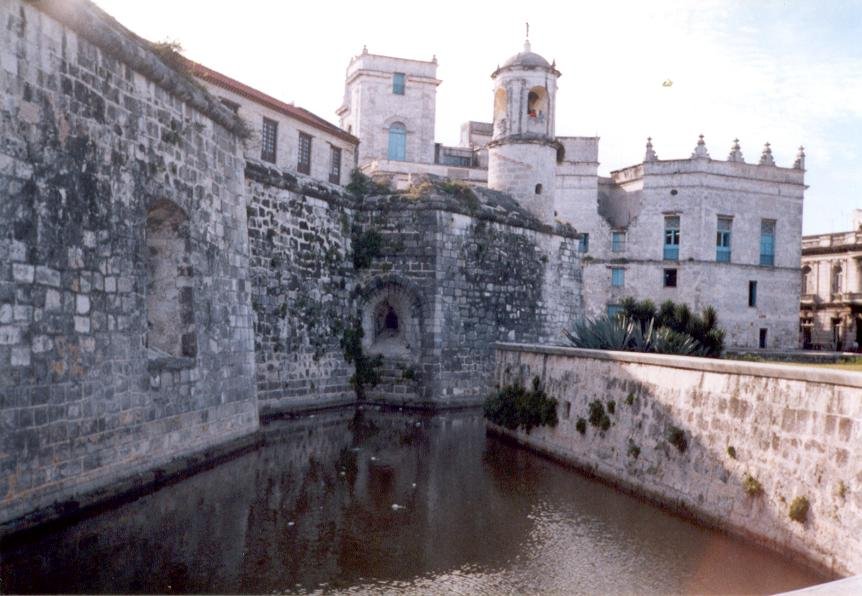
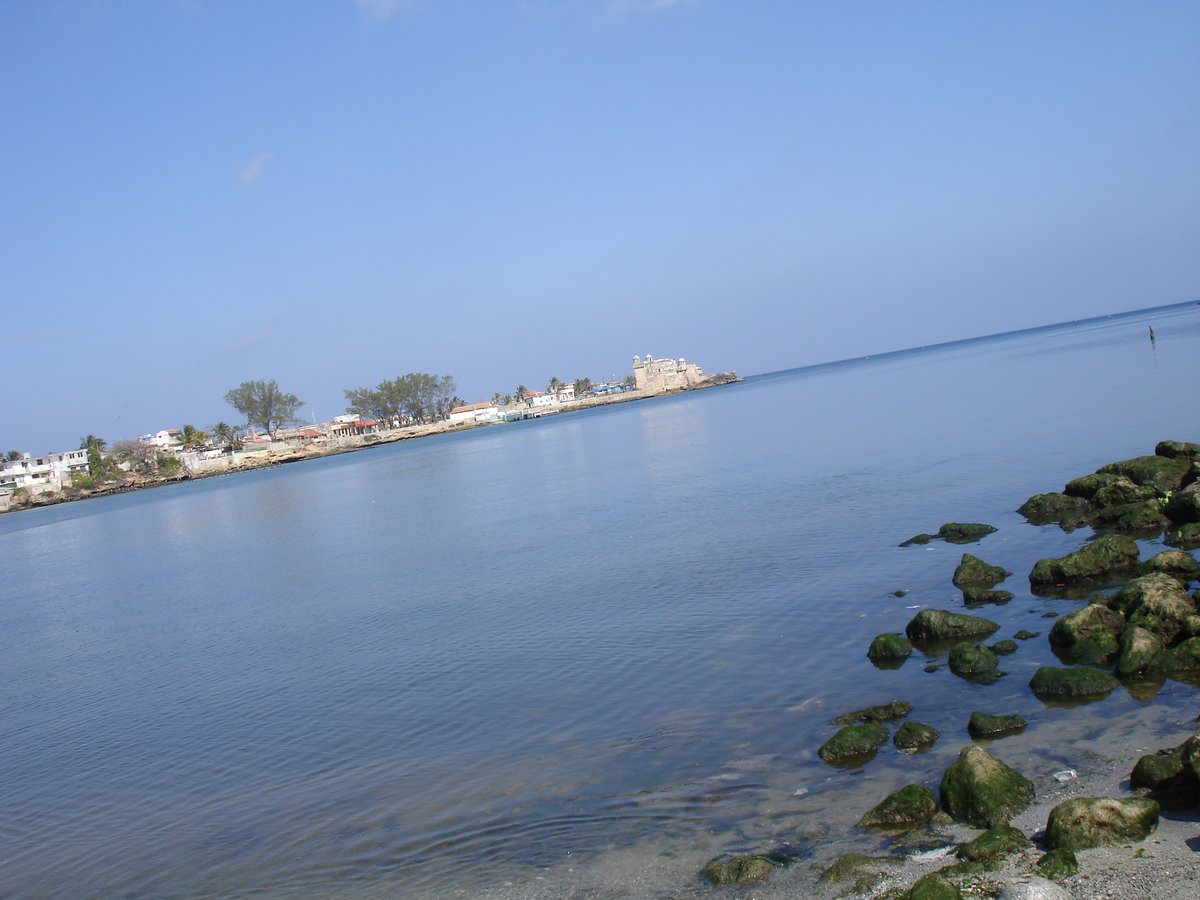
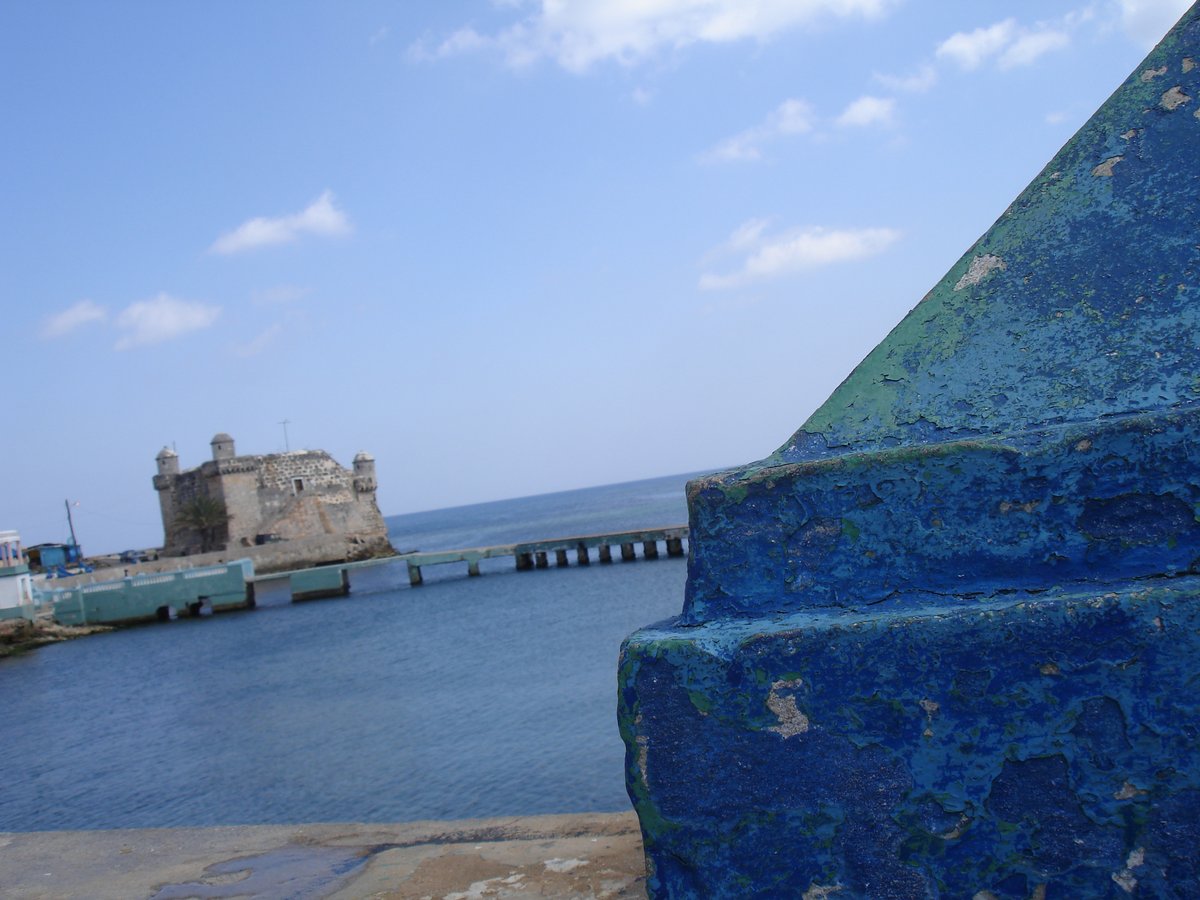
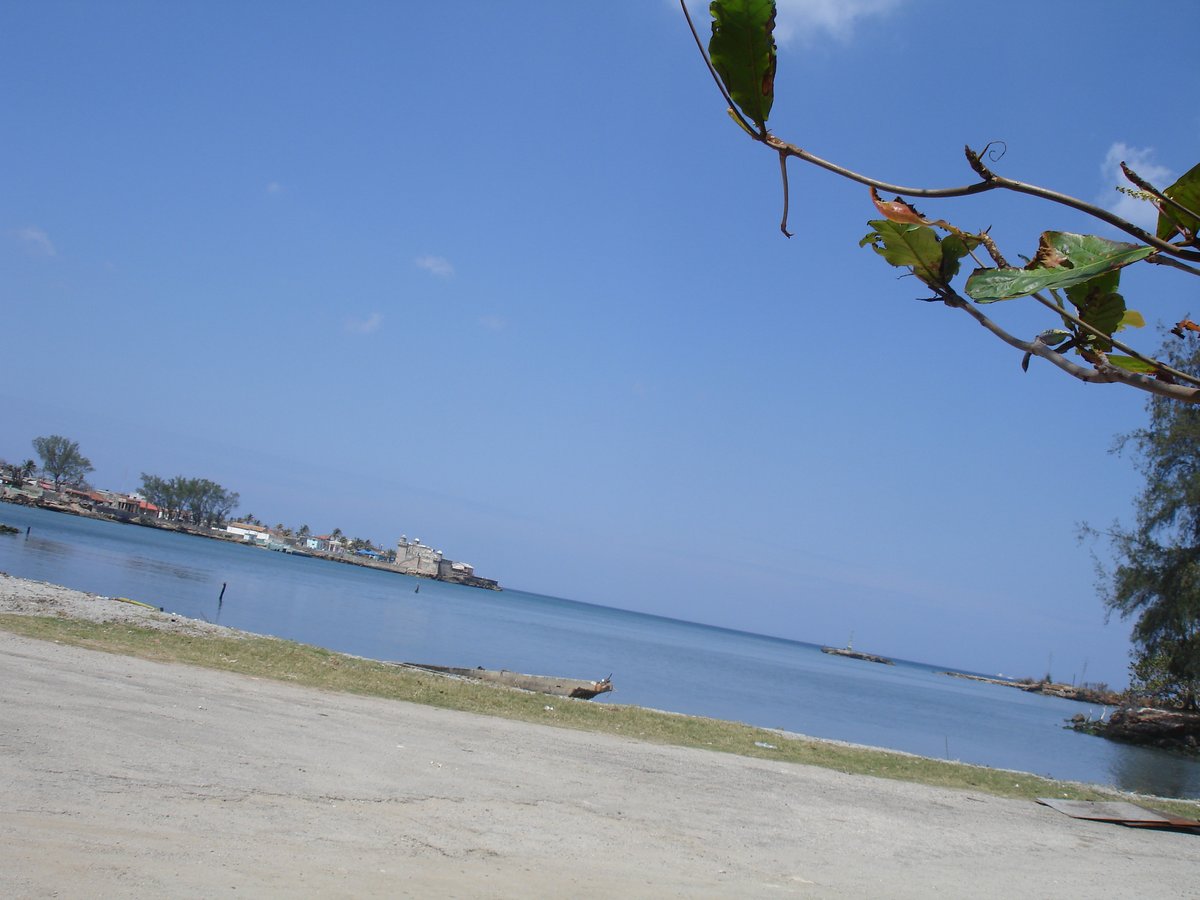
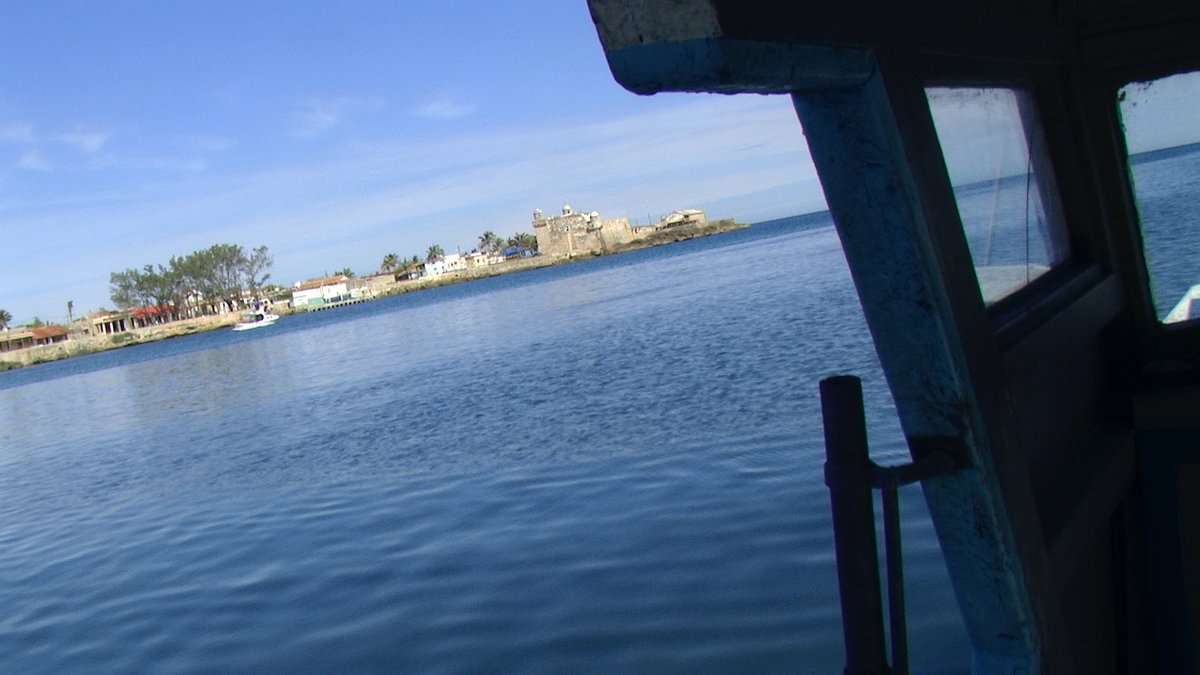
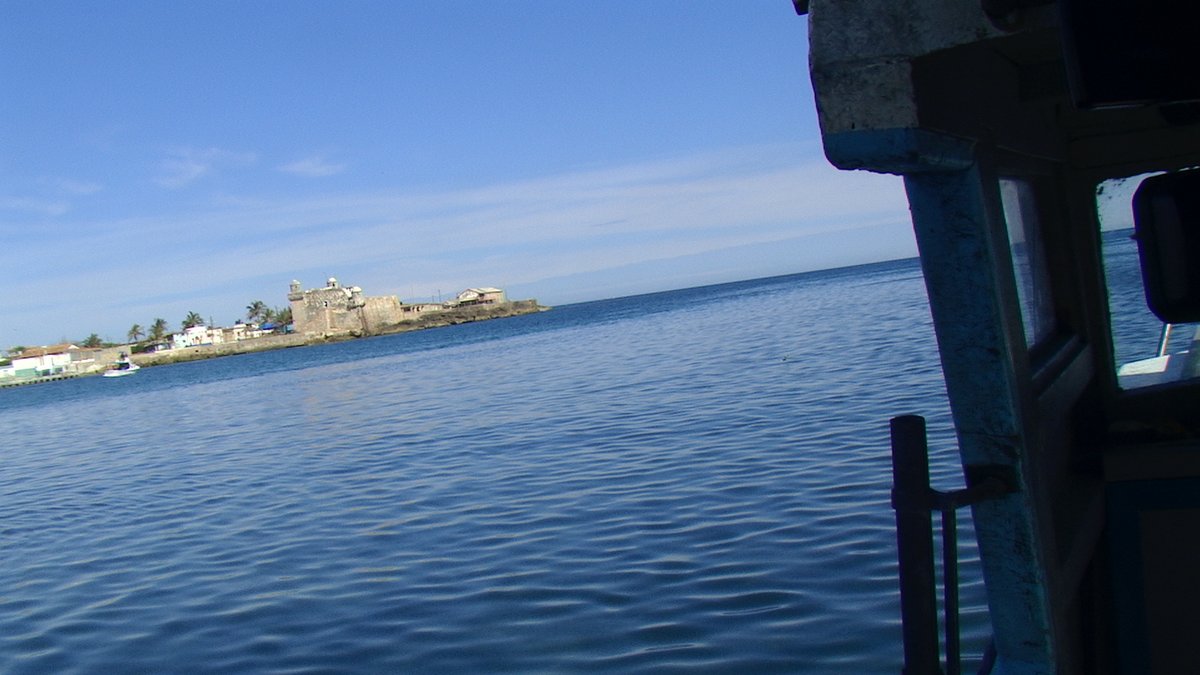
Cojímar’s origins date to July 15, 1649, when it was founded at the mouth of the Cojímar River for its natural harbor and strategic military potential (CubaPLUS Magazine). The Spanish built the Torreón de Cojímar as part of Havana’s coastal defense system. This round, stone watchtower played a crucial role during the British siege of 1762, with local fishermen and townspeople joining Spanish troops to resist the English landing (Cuban Travel Agency). Today, the Torreón stands as a testament to Cojímar’s defensive past and is integrated into the UNESCO-listed fortifications of Havana.
Cojímar as a Seaside Retreat
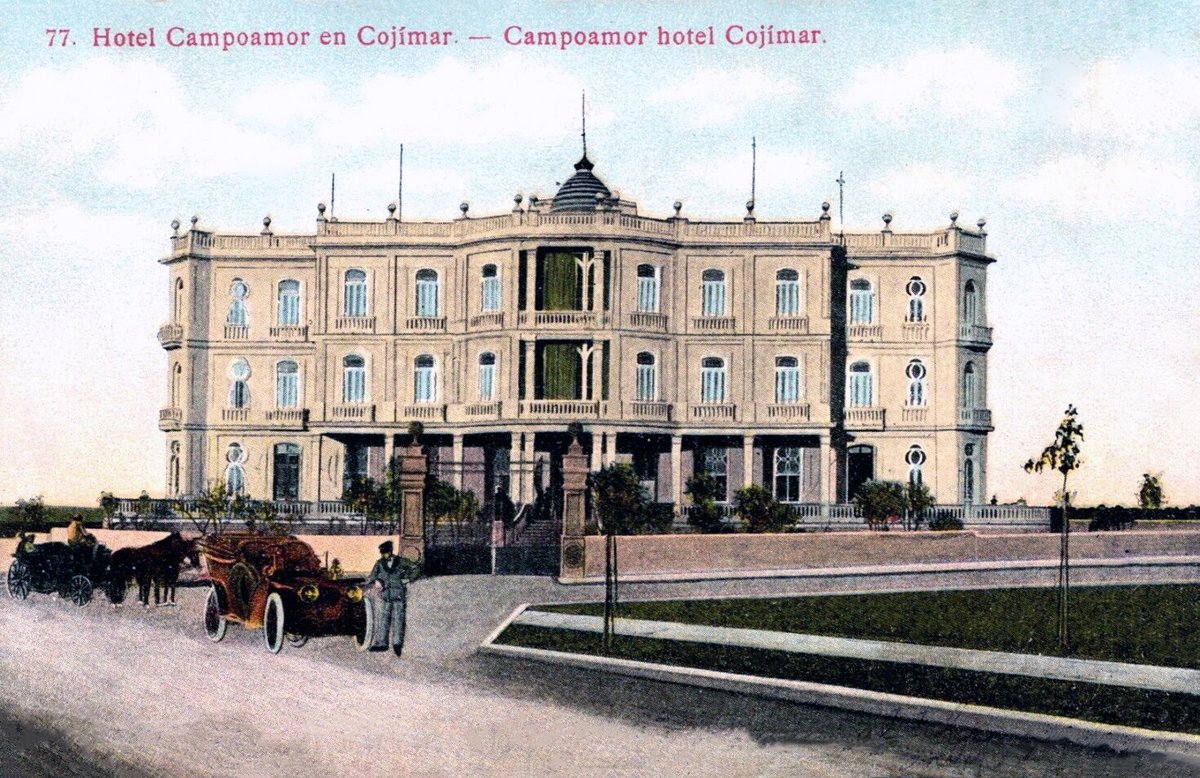
In the 19th and early 20th centuries, Cojímar transitioned into a sought-after seaside escape. Its proximity to Havana, gentle river valley, and lush surroundings attracted the city’s elite. Hotels like the renowned Hotel Campoamor (opened in 1907) and summer residences such as Residencial Loma made Cojímar a fashionable destination (Wikiwand). The arrival of an electric train in the early 20th century further boosted its accessibility and popularity among both locals and international visitors. Despite its initial prominence, Cojímar’s status as a resort waned as larger destinations developed elsewhere.
Hemingway’s Era in Cojímar
Cojímar gained international fame in the mid-20th century through its deep connection with Ernest Hemingway. Residing at Finca Vigía, Hemingway frequently visited Cojímar, berthing his famous boat Pilar at the marina and spending time at La Terraza de Cojímar (CubaPLUS Magazine; Don Knebel). The village and its fishermen inspired The Old Man and the Sea (1952), with the protagonist, Santiago, widely believed to be based on Gregorio Fuentes, Hemingway’s trusted boat captain.
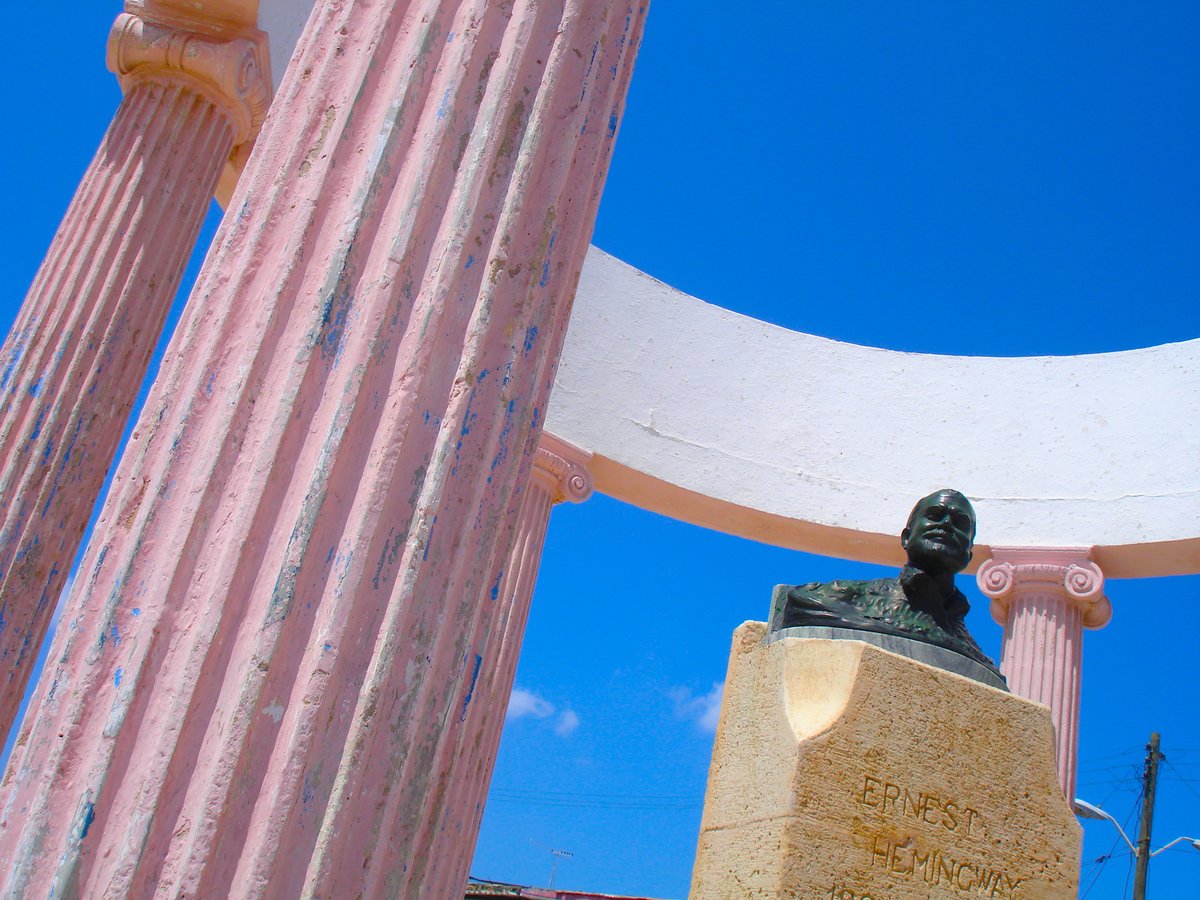
Hemingway’s rapport with the locals was genuine and lasting. In 1960, he hosted a fishing competition in which Fidel Castro participated, marking their only recorded meeting—an event commemorated with photographs at La Terraza. After Hemingway’s death, local fishermen honored him by erecting a bronze bust, cast from donated boat fittings, near the waterfront in 1962 (Don Knebel; thecubanhistory.com).
Modern Developments and Post-Revolution Changes
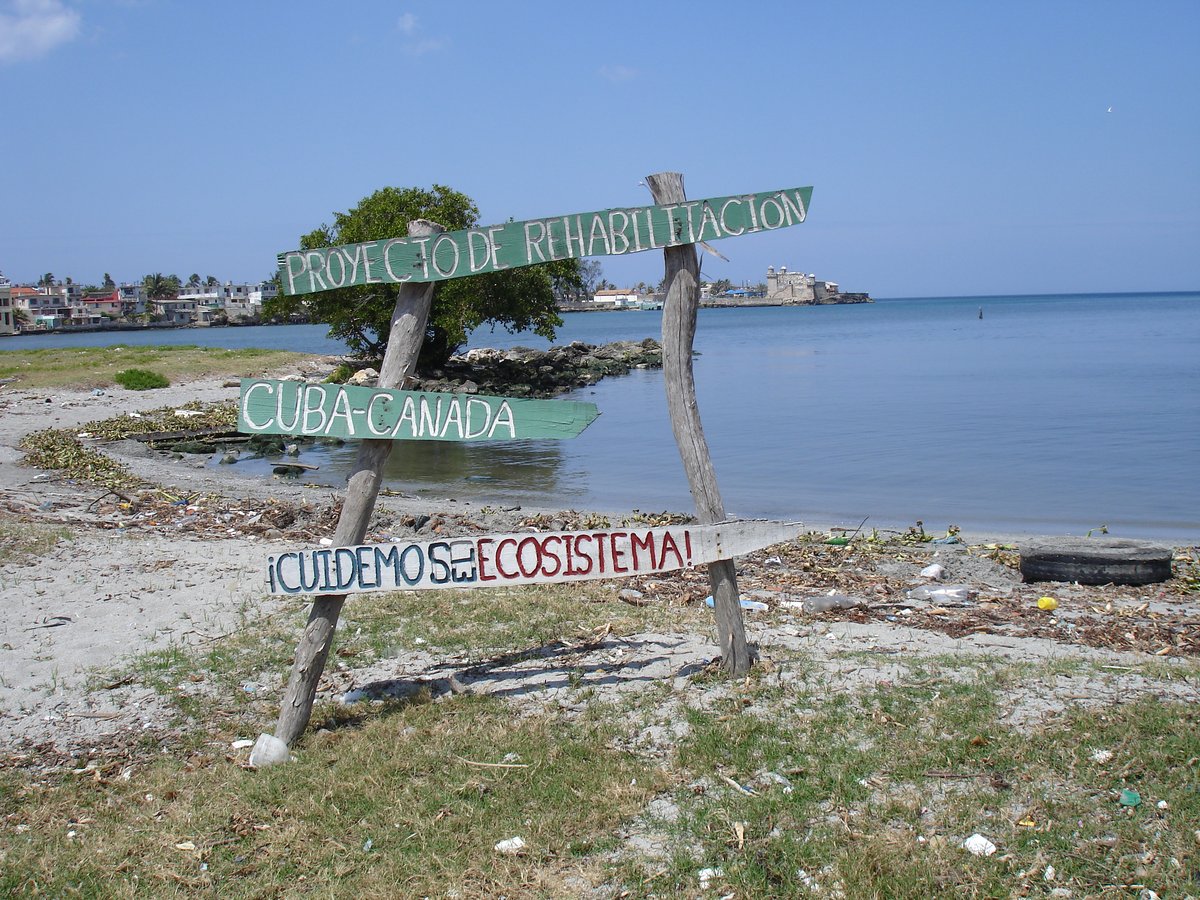
After the Cuban Revolution of 1959, Cojímar’s role as a tourist hub declined as government priorities shifted and development expanded eastward (Wikiwand). The Vía Blanca highway, constructed earlier, redirected much traffic, but Cojímar retained its quiet character and cultural importance, especially due to its Hemingway legacy. Infrastructure improvements and community initiatives have since focused on environmental stewardship and preserving local identity (Wikiwand). The village remains easily accessible by road or public transit (Best Cuba Guide).
Key Landmarks: Torreón and Hemingway Memorial
Torreón de Cojímar
This 17th-century watchtower is Cojímar's most prominent historical site. Open to visitors from 9:00 AM to 5:00 PM (Tuesday–Sunday), it offers panoramic views and interpretive displays. Entry is generally free, though small donations are welcome to support maintenance (Cuban Travel Agency).
Hemingway Memorial
The 1962 Hemingway Memorial features a bronze bust encircled by Ionic columns, facing the bay. The bust was made from bronze contributed by local fishermen, symbolizing the community’s affection for Hemingway (Don Knebel; thecubanhistory.com).
La Terraza de Cojímar
This historic restaurant, frequented by Hemingway, remains a local institution. Open daily from 10:00 AM to 10:00 PM, it showcases memorabilia and photos, offering an atmospheric dining experience (Don Knebel).
Visitor Information: Hours, Tickets, Accessibility
- Torreón de Cojímar 9:00 AM–5:00 PM (Tuesday–Sunday), free entry, donations appreciated.
- Hemingway Memorial Accessible year-round, outdoors, no ticket required.
- La Terraza 10:00 AM–10:00 PM, reservations advised during peak hours.
- Accessibility Most sites are reachable by foot; some have cobblestones or steps that may challenge those with mobility impairments.
- Getting There Cojímar is about 20–30 minutes from central Havana by taxi or bus (routes 20, 59, or Metrobús P-8) (Best Cuba Guide). Classic cars and taxis are also available (Lonely Planet).
Guided Tours and Nearby Attractions
Guided Tours: Local operators offer walking tours focusing on the Torreón, Hemingway sites, and Cojímar’s fishing heritage. English-speaking guides are available.
Nearby Attractions:
- Finca Vigía Hemingway’s former home and now a museum.
- Old Havana (Habana Vieja) UNESCO World Heritage site.
- Varadero Famous beach resort, a longer excursion from Havana.
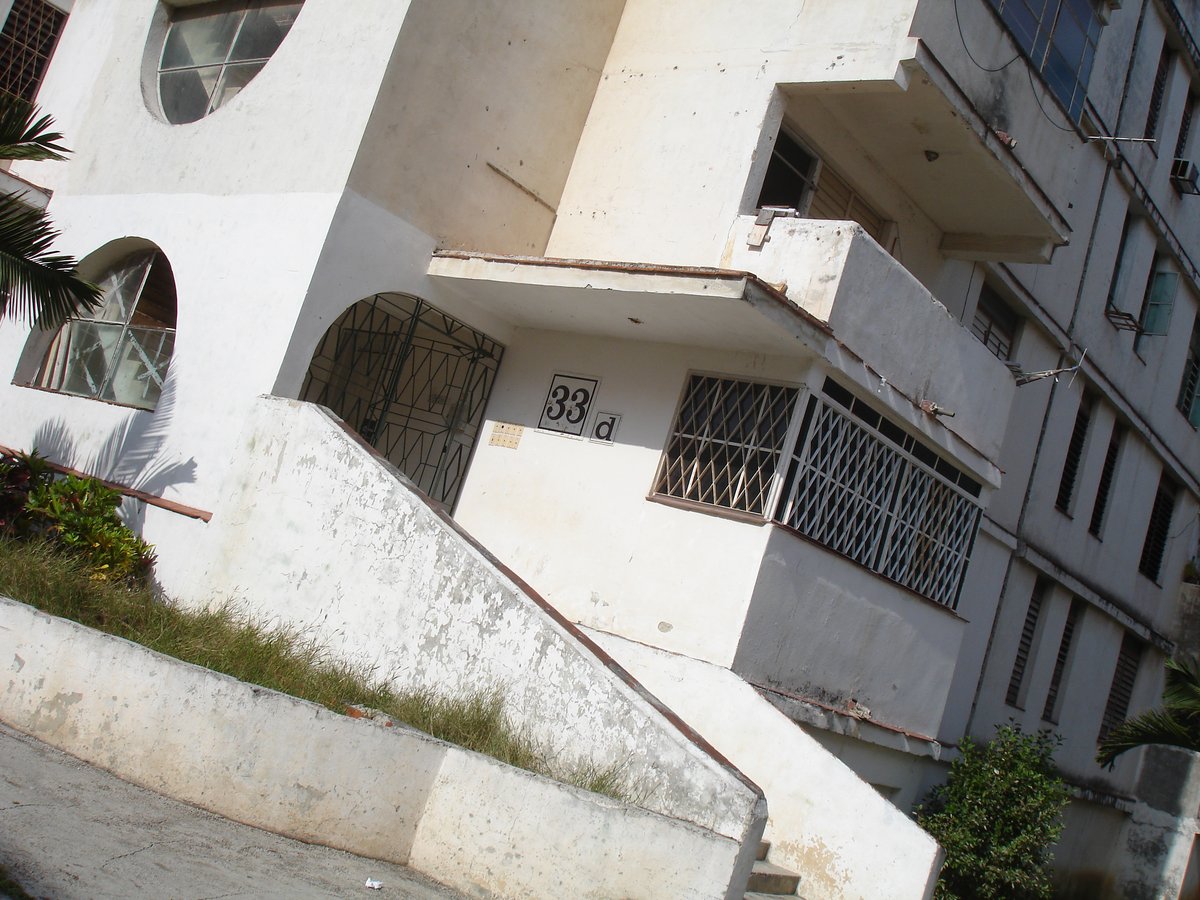
Alamar: Across the river, this neighborhood is known for its role in Cuban hip-hop and Soviet-era architecture.
Pan American Stadium: Located nearby, this sports complex was built for the 1991 Pan American Games.
Culture, Gastronomy, and Local Life
Cojímar’s fishing traditions are central to its identity. The working harbor bustles with fishermen using time-honored methods, and local stories about Hemingway and Gregorio Fuentes (the inspiration for Santiago in The Old Man and the Sea) remain vivid (cuba-junky.com).
Cuisine: Seafood dominates local menus—try grilled lobster, garlic shrimp, and caldosa stew at waterfront restaurants like La Terraza and Ajiaco Café. Many offer open-air seating with harbor views (cuba-junky.com).
Art and Architecture: The village features pastel houses, murals, and artisan shops offering pottery and crafts (flickr.com).
Practical Tips and Safety
- Currency Cuban Peso (CUP); cash is essential, cards are seldom accepted.
- Language Spanish is spoken; basic phrases are helpful.
- Connectivity Limited internet; Wi-Fi cards can be purchased for public hotspots.
- Dress Lightweight clothing, hats, sunscreen, and insect repellent recommended.
- Safety Violent crime is rare, but petty theft can occur—keep valuables secure (EntryCubaForm; RentalCarCuba; Travellers Worldwide).
- Health Bring medications and drink bottled water.
- COVID-19 Check current protocols before travel (Travel Like a Boss).
- Sustainability Support local businesses and be mindful of the environment (Havana Times).
Frequently Asked Questions (FAQ)
Q: What are the visiting hours for the Torreón de Cojímar?
A: Usually 9:00 AM–5:00 PM, Tuesday through Sunday.
Q: Is there an entry fee?
A: Entry is generally free; donations are welcome.
Q: How can I get to Cojímar from Havana?
A: By taxi (about 20 minutes from central Havana), local buses, or classic cars (Lonely Planet).
Q: Are guided tours available?
A: Yes, local operators and guides offer tours in English and Spanish.
Q: Is Cojímar suitable for families?
A: Yes—its calm atmosphere and accessible attractions make it great for family visits.
Q: What is the best time to visit Cojímar?
A: November to April (dry season) for pleasant weather.
Q: Are the main sites accessible for those with limited mobility?
A: Some uneven terrain and steps exist; plan accordingly.