
Origins and Commissioning of the Wilfrid-Laurier Monument
The Wilfrid-Laurier Monument was conceived as a tribute to Laurier’s profound impact on Canadian society. The initiative gained momentum after Laurier’s passing in 1919, with a national competition held in 1922 to select a design for the monument. Joseph-Émile Brunet, a Montreal sculptor, won the commission for his evocative depiction of Laurier. The project was overseen by the Laurier Memorial Committee, ensuring the monument’s realization as a symbol of national unity and respect for Canada’s cultural diversity (Government of Canada, Wikipedia).
Artistic Design and Symbolism
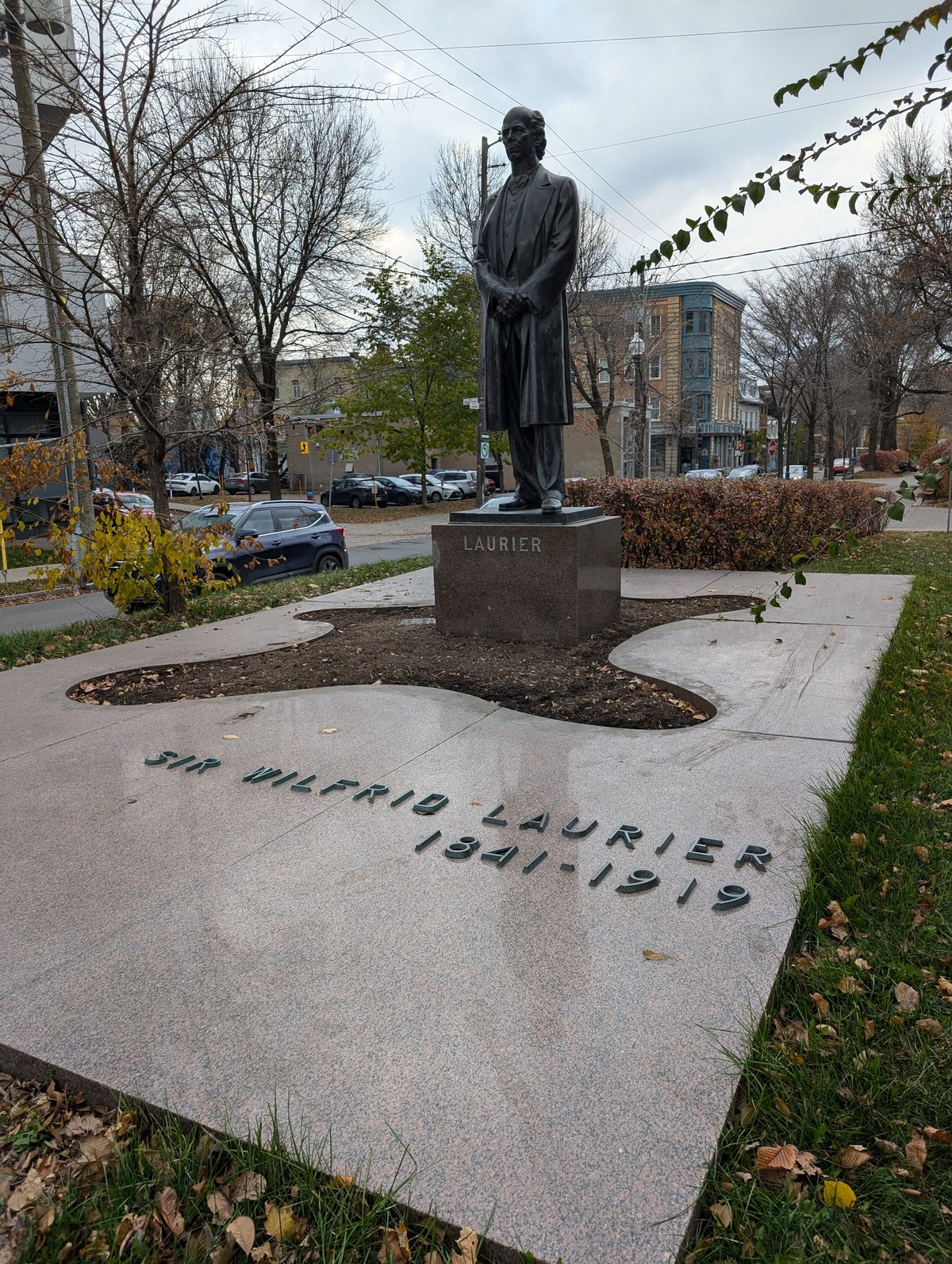
Completed in 1954, the Wilfrid-Laurier Monument features a bronze statue of Laurier standing atop a granite pedestal. Laurier is depicted in dignified yet approachable attire, symbolizing his commitment to public service. The base is adorned with emblems representing the French fleur-de-lys, English rose, Irish shamrock, and Scottish thistle—motifs reflecting Laurier’s vision of a unified, multicultural Canada. Bas-reliefs and inscriptions further emphasize his ideals of liberty, progress, and reconciliation. The statue faces south toward the United States, alluding to Laurier’s continental outlook and advocacy for broader cooperation (Ville de Québec, Wikipedia).
Location and Urban Context
The monument is prominently situated in Parc Langelier, on Boulevard Langelier, and within easy reach of the famed Plains of Abraham. This location was chosen for its visibility and accessibility, reinforcing the monument’s status as a civic landmark. The area is steeped in historical significance, with the Plains of Abraham serving as the site of the pivotal 1759 battle that shaped the future of New France. Today, the monument stands among other important landmarks, including the Citadelle, Old Quebec, and the Parliament Building, integrating Laurier’s legacy into Quebec City’s cultural landscape (Ville de Québec).
Visiting Information: Hours, Tickets, and Accessibility
- Hours The monument and Parc Langelier are open to the public year-round, generally from 8:00 AM to 8:00 PM, while the wider Plains of Abraham park is accessible from dawn to dusk.
- Admission Free. No tickets are required.
- Accessibility The site features paved, wheelchair-accessible paths and seating areas. Restrooms and visitor information are available at the nearby Plains of Abraham Museum and Discovery Pavilion (Ville de Québec tourism, Battlefields Park info).
Nearby Attractions and Travel Tips
The Wilfrid-Laurier Monument is located in proximity to:
- Old Quebec (Vieux-Québec) UNESCO World Heritage Site with historic architecture and cobblestone streets.
- Citadelle of Quebec Historic fortress with guided tours and panoramic city views.
- Plains of Abraham Museum Interactive exhibits on military and local history.
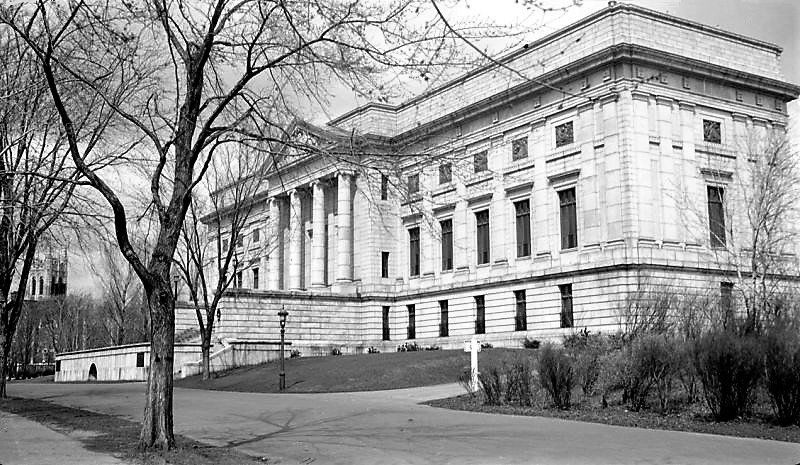
- Musée national des beaux-arts du Québec Art museum showcasing Quebec’s artistic heritage.
- Joan of Arc Garden Meticulously landscaped gardens near the monument.
Transit: The area is served by RTC bus lines 800 and 801, and is accessible by foot, bicycle, or car. Paid parking is available nearby.
Tip: Visit in spring or summer for lush greenery and cultural events, or in autumn for vibrant foliage. Winter offers a tranquil snow-covered landscape and access to seasonal activities (skating, cross-country skiing).
The Monument’s Role in Public Memory
The Wilfrid-Laurier Monument serves as an enduring site of remembrance and education. Its symbolic features invite reflection on Laurier’s contributions to Canadian unity, bilingualism, and progress. The monument is a focal point for civic ceremonies, school visits, and public commemorations, fostering ongoing dialogue about the values and challenges that define Canadian identity (Parks Canada).
Connections to Other Laurier Memorials
Quebec City’s monument is part of a wider network honoring Laurier, including:
- The original Laurier statue in Montreal’s Dorchester Square (Wikipedia)
- Laurier House National Historic Site in Ottawa
- Laurier Museum in Arthabaska
These sites together preserve and interpret Laurier’s legacy for future generations (The Canadian Encyclopedia).
Preservation and Contemporary Relevance
Maintained by the City of Quebec and the National Battlefields Commission, the monument benefits from ongoing conservation and interpretive updates. Its continued relevance is reflected in its role as a site for public education and cultural celebration. It stands as a testament to the importance of public art in shaping national memory and encouraging reflection on the complexities of Canadian society (National Battlefields Commission).
Visitor Experience and Amenities
- Restrooms Available at the Plains of Abraham Museum and Discovery Pavilion.
- Accessibility Paved paths; wheelchair- and stroller-friendly.
- Guided Tours Offered seasonally by the Plains of Abraham Museum; inquire for current schedules.
- Picnic Areas Ample green space for leisure and relaxation.
- Photography The monument is especially photogenic at sunrise and sunset, with panoramic views of the city and river.
Frequently Asked Questions (FAQ)
Q: What are the visiting hours?
A: The monument is accessible daily from 8:00 AM to 8:00 PM; the park is open dawn to dusk.
Q: Is there an admission fee?
A: No, entry is free.
Q: Is the monument wheelchair accessible?
A: Yes, with paved paths and accessible facilities.
Q: Are guided tours available?
A: Yes, through the Plains of Abraham Museum and local tour operators.
Q: Can I bring my dog?
A: Dogs are permitted on-leash, and owners must clean up after them.
Summary and Recommendations
The Wilfrid-Laurier Monument is a must-visit landmark for those seeking to understand Canada’s history and Quebec’s role within it. Its thoughtful design, central location, and free accessibility make it suitable for all visitors. Combine your visit with a tour of the Plains of Abraham, Old Quebec, and nearby museums for a comprehensive cultural experience. For enhanced exploration, consider downloading the Audiala app for interactive audio guides and the latest event updates.