
History and Evolution
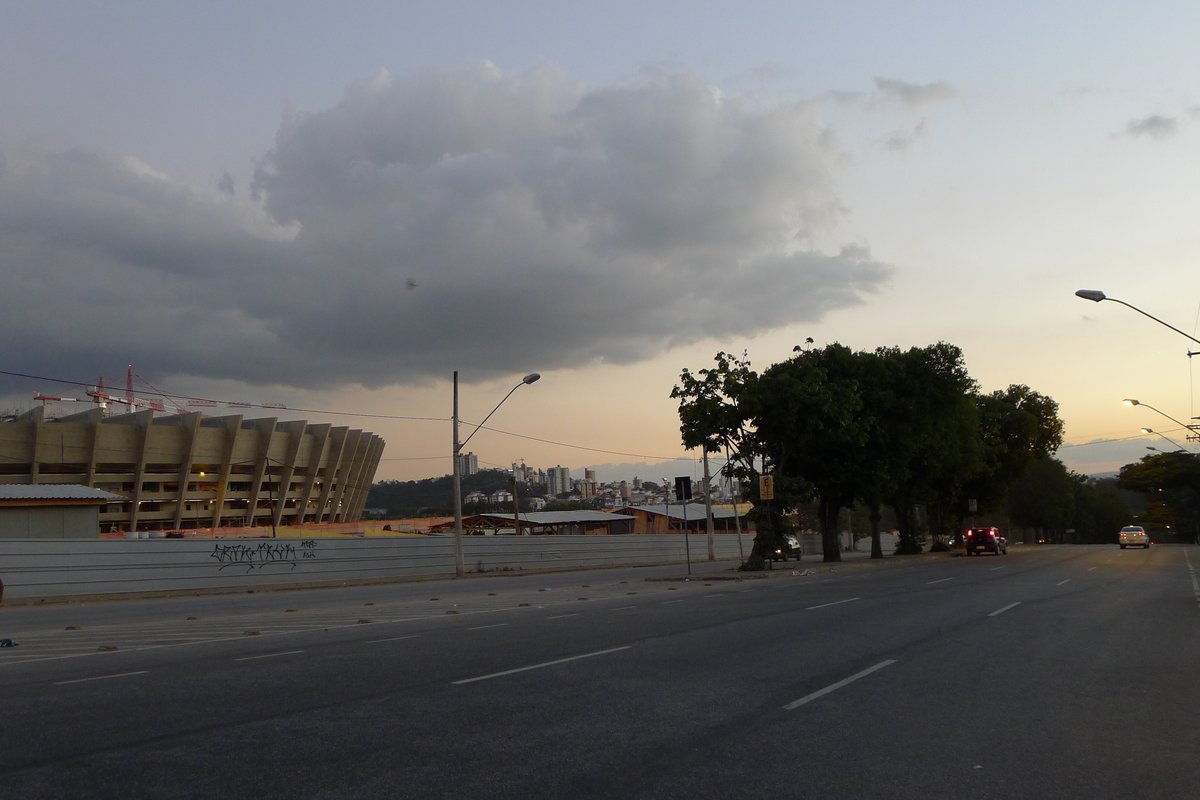
Inaugurated in 1965, Mineirão was conceived to meet the booming popularity of football in Minas Gerais. Designed by Eduardo Mendes Guimarães Júnior and Caspar Garetto, its monumental concrete shell and sweeping curves reflect the mid-century modernist movement that defines much of Belo Horizonte’s architectural landscape (Domus). At its opening, the stadium had a projected capacity of 130,000, making it the largest in the state and one of the most important in Brazil (Sportskeeda).
Over the decades, Mineirão has played host to iconic matches involving local giants Atlético Mineiro and Cruzeiro, as well as international fixtures, including the 2014 FIFA World Cup and the 2016 Summer Olympics. Record attendances have reached over 132,000 spectators, underlining its cultural and sporting significance (Sportskeeda, Wikipedia).
Architectural Significance and Renovation
Modernist Design
The stadium’s original design is characterized by 88 semi-porticos, a vast bowl structure, and a distinctive concrete roof, maximizing sightlines and creating an open, airy atmosphere. Mineirão’s modernist lines harmonize with the broader Pampulha district, home to works by Oscar Niemeyer and recognized as a UNESCO World Heritage Site (PlanetWare).
Renovation and Sustainability
For the 2014 FIFA World Cup, Mineirão underwent a major renovation (2010–2012) led by BCMF Arquitetos, gmp Architekten, and others. The project preserved the stadium’s historic shell while introducing modern amenities, reducing capacity to approximately 64,000, and integrating sustainable technologies. Solar panels on the roof generate enough electricity to power over 1,000 homes, and a rainwater harvesting system underscores the venue’s environmental commitment (Designboom, Archello).
A new multifunctional public plaza was created around the stadium, serving as a venue for concerts, fairs, and community gatherings (Designboom).
Notable Events and Cultural Relevance
Football Heritage
Mineirão is home to the fierce rivalry known as the Clássico Mineiro, contested by Atlético Mineiro and Cruzeiro—two of Brazil’s most storied football clubs (Soccity). The stadium has hosted countless memorable matches, including finals of the Copa Libertadores, Copa do Brasil, and international tournaments such as the 2014 World Cup and 2016 Olympics (Wikipedia, Stadium Guide). The infamous 7–1 World Cup semi-final between Brazil and Germany in 2014 became a defining moment in football history.
Cultural Events
Mineirão’s expansive esplanade and modernized facilities have transformed it into a prime venue for major music festivals (including Prime Rock Brasil and Festival Sertanejo), concerts by global stars, and large-scale community events (bestsoccerblog.com, belohorizontemg.com.br). The stadium also hosts traditional festivities such as Festas Juninas and Carnival celebrations, fostering a strong sense of local identity.
Visitor Information: Hours, Tickets, and Tours
Opening Hours
- Guided tours Tuesday to Sunday, 9:00 AM – 5:00 PM (closed Mondays and some public holidays).
- Event days Gates typically open 2–3 hours before start time; check official schedule.
Tickets
- Stadium tours Around BRL 30 (adults), with discounts for children, students, and seniors. Children under 6 enter free.
- Matches and concerts Prices vary widely by event and seat category; early booking is recommended for popular events.
How to buy: Purchase tickets online at the official Mineirão website or at the stadium’s box office. Always use official channels to avoid scams.
Guided Tours
Tours offer exclusive access to locker rooms, the press area, panoramic stadium views, and the Museu Brasileiro do Futebol—an interactive museum chronicling the evolution of Brazilian football (Mundo Viajante).
Accessibility and Facilities
Mineirão is fully accessible, featuring ramps, elevators, dedicated seating, accessible restrooms, and priority service counters. The surrounding esplanade is designed for easy navigation by visitors with reduced mobility (Archello, archdaily.com).
Facilities include:
- Food courts and local specialty stalls (try feijão tropeiro and pão de queijo).
- VIP lounges and private boxes.
- On-site parking (limited on event days).
- Museum and multimedia exhibits.
Getting There: Transport and Location
Address: Av. Antônio Abrahão Caram, 1001, São José, Pampulha, Belo Horizonte, MG.
- Public transport Multiple bus lines connect downtown Belo Horizonte to Estação Pampulha, a short distance from the stadium.
- Taxi/Uber Widely available and recommended for convenience and safety.
- Parking Limited on event days; public transit is advised.
Major Events and Community Engagement
Festivals and Concerts
Mineirão regularly hosts large-scale music festivals, such as Prime Rock Brasil and Festival Sertanejo, along with international artists’ concerts (belohorizontemg.com.br, wsdg.com). Community events include open-air fairs, food festivals, and Carnival blocos.
Social Initiatives and Sustainability
The stadium’s renovation prioritized sustainability, with solar power, rainwater harvesting, and recycling of construction materials. Mineirão is also home to social programs, educational workshops, and charitable initiatives (archdaily.com, em.com.br).
Exploring Belo Horizonte’s Historical Sites
Within the Pampulha district, visitors can explore:
- Church of Saint Francis of Assisi Oscar Niemeyer’s iconic modernist chapel (WildTrips).
- Pampulha Art Museum A former casino turned art space.
- Casa Kubitschek Historic residence and museum.
- Pampulha Lagoon Scenic promenade ideal for leisure walks.
These sites, together with Mineirão, create a rich architectural and cultural circuit (PlanetWare, Trip.com).
Practical Visitor Tips
- Check event schedules on the official website.
- Arrive early for events to enjoy pre-event activities and avoid traffic.
- Use public transport or rideshare apps on busy event days.
- Dress comfortably; bring sunscreen for daytime visits and a light jacket for evenings.
- Have some cash for small purchases, though cards are widely accepted.
- Download translation apps or learn basic Portuguese phrases for easier communication.
- Explore Pampulha’s attractions before or after your stadium visit.
Frequently Asked Questions (FAQ)
Q: What are Mineirão’s visiting hours?
A: Guided tours run Tuesday to Sunday, 9:00 AM to 5:00 PM. Event day hours may vary—check the official schedule.
Q: How do I buy tickets for matches or tours?
A: Purchase through the Mineirão website or at the stadium box office. Use only official vendors.
Q: Is the stadium accessible for people with disabilities?
A: Yes, with ramps, elevators, accessible seating, and restrooms.
Q: What are nearby attractions?
A: The Church of Saint Francis of Assisi, Pampulha Art Museum, Casa Kubitschek, and Pampulha Lagoon.
Q: Can I visit the museum separately?
A: Yes, tickets for the Museu Brasileiro do Futebol can be purchased independently or combined with stadium tours.