
History and Significance
Origins and Development
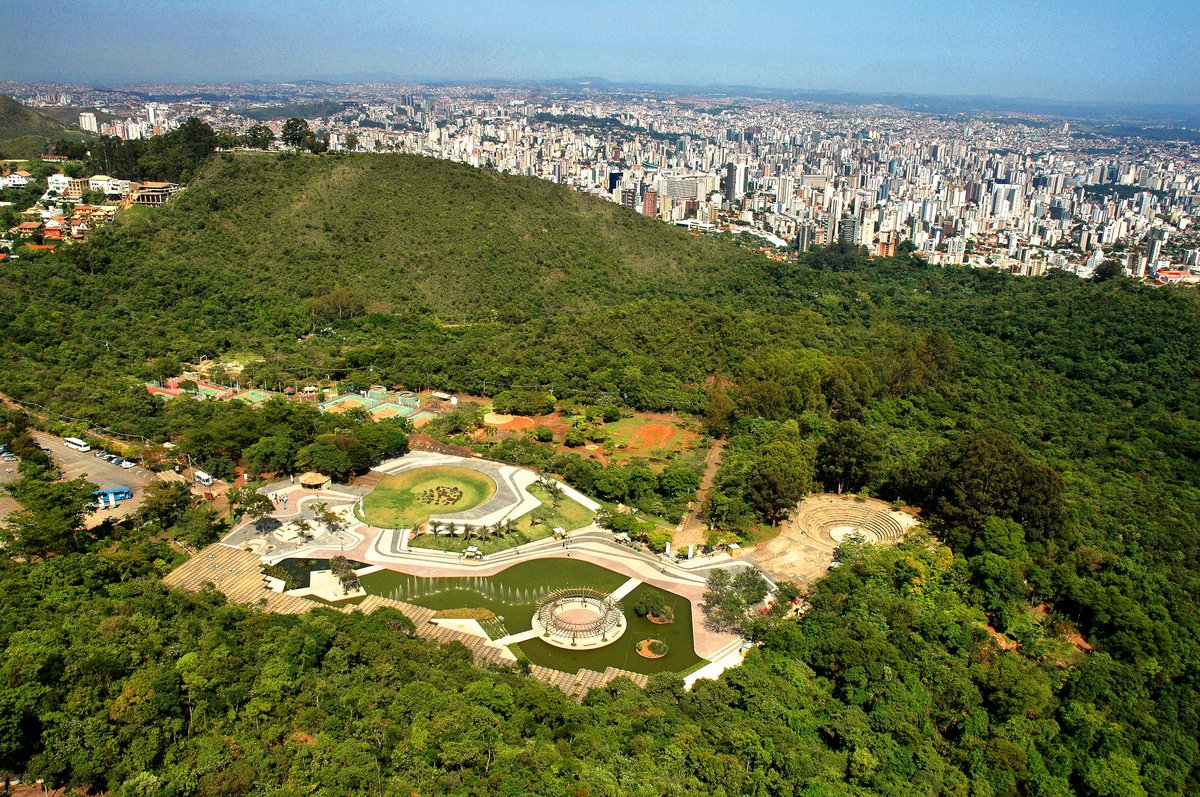
The park covers approximately 2.4 million square meters, making it one of the largest urban parks in Latin America. It was officially inaugurated on September 3, 1982, as part of a broader urban planning initiative to preserve the natural environment and provide recreational spaces for Belo Horizonte residents. Its design was influenced by Brazilian landscape architect Roberto Burle Marx, known for his innovative use of native plants and sustainable design principles (Burle Marx; Burle Marx).
Ecological Significance
Situated on the slopes of the Serra do Curral, the park encompasses Atlantic Forest, Cerrado, and Rupestrian fields. These varied habitats support over 300 plant species and numerous animal species, including birds, mammals, and reptiles. The flora includes several endangered species, making the park an important area for conservation (Biodiversity).
What to See and Do
Historical Landmarks
The park’s ‘Mirante da Mata’ observation deck offers panoramic views of Belo Horizonte and the surrounding mountains. Another notable feature is the ‘Fonte das Mangabeiras,’ a natural spring that has supplied fresh water to the local community for centuries (Historical Landmarks).
Cultural and Social Impact
The park hosts music festivals, art exhibitions, and traditional celebrations. Its amphitheater, with a capacity of 2,000 people, is a venue for concerts and theatrical performances. Other recreational facilities include playgrounds, sports courts, and picnic areas (Cultural Events).
Environmental Education
The park’s administration offers guided tours, workshops, and educational activities for schools and community groups. Exhibits at the visitor center cover local flora and fauna and the ecological importance of the Serra do Curral (Environmental Education).
Conservation, Community, and the Park’s Future
Conservation Efforts
The park’s management works to preserve its natural resources and promote sustainable tourism. Initiatives include waste management programs, restoration of degraded areas, and protection of endangered species. The park also collaborates with local universities and research institutions on scientific studies and ecosystem monitoring (Conservation Efforts).
Community Engagement
The park’s administration engages local residents and organizations through volunteer programs, community clean-up events, and citizen science projects. This involvement supports public participation and a sense of responsibility toward the park (Community Engagement).
Economic Impact
The park attracts tourists and provides employment through facilities and services such as cafes, souvenir shops, and rentals. Visitors also support nearby hotels, restaurants, and transportation services, contributing to Belo Horizonte’s appeal as a tourist destination (Economic Impact).
Future Prospects
Plans for the future include expanding educational programs, improving visitor facilities, and implementing new conservation projects. The park’s administration is also exploring mobile apps and interactive exhibits to enhance visits and promote environmental awareness (Future Prospects).
Visitor Information
Visiting Hours and Tickets
The park is open daily from 8 AM to 6 PM. Admission is free, although some events and guided tours may require tickets. Check the park’s official website or contact the visitor center for the latest information on ticket prices and availability.
Accessibility
The park has paved paths, ramps, and accessible restrooms. Wheelchair rentals can be arranged at the visitor center.
Travel Tips
- Wear comfortable walking shoes and bring plenty of water.
- Check the weather forecast and dress accordingly.
- Visit early in the morning or late in the afternoon to avoid the midday heat.
- Guided tours can provide more information about the park’s natural and cultural significance.
Nearby Attractions
Nearby attractions include the Pampulha Modern Ensemble, the Inhotim Institute, and the historic Mercado Central, each offering a glimpse into the culture and history of Belo Horizonte.
FAQ
What are Parque Municipal das Mangabeiras's visiting hours?
The park is open daily from 8 AM to 6 PM.
Are there guided tours available at Parque Municipal das Mangabeiras?
Yes. Check with the visitor center for tour schedules and ticket prices.
How much do tickets cost?
Admission to the park is free, but some events and guided tours may require tickets.