
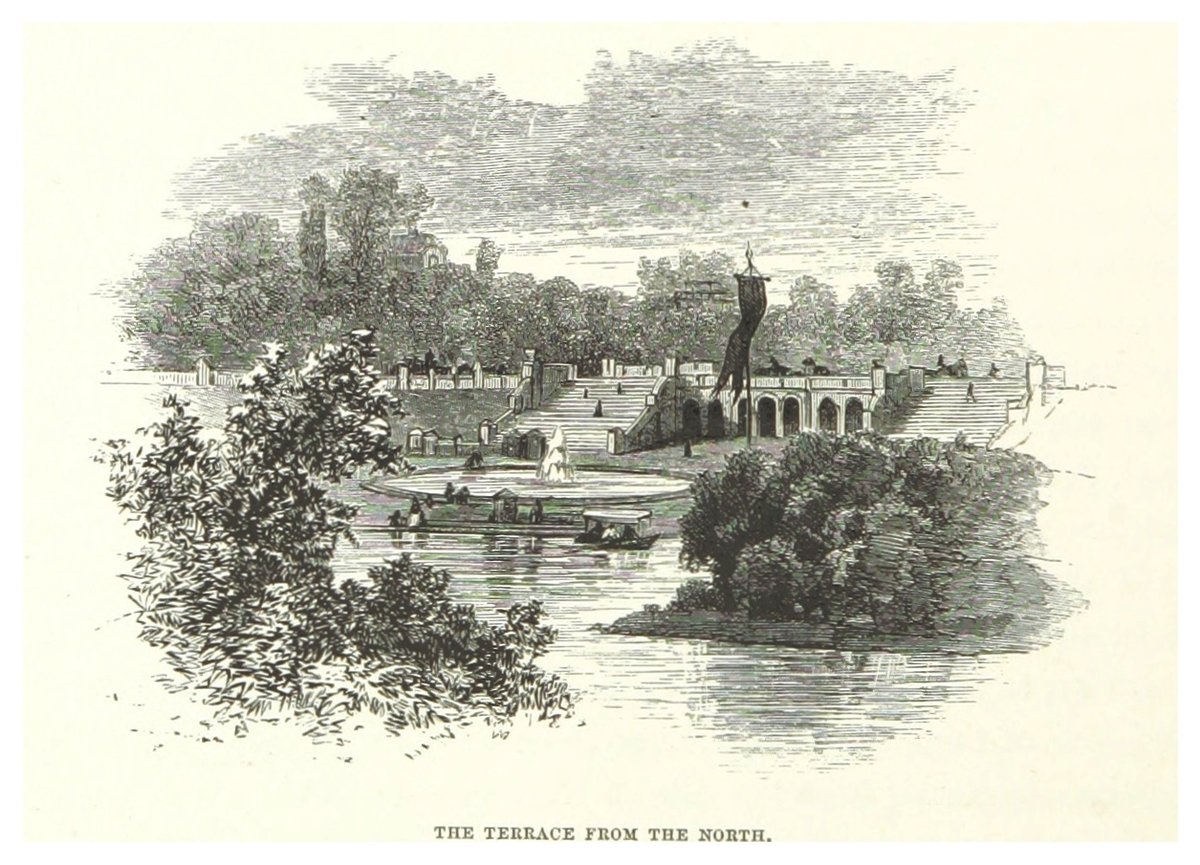
History of Bethesda Terrace and Fountain
Origins and Design
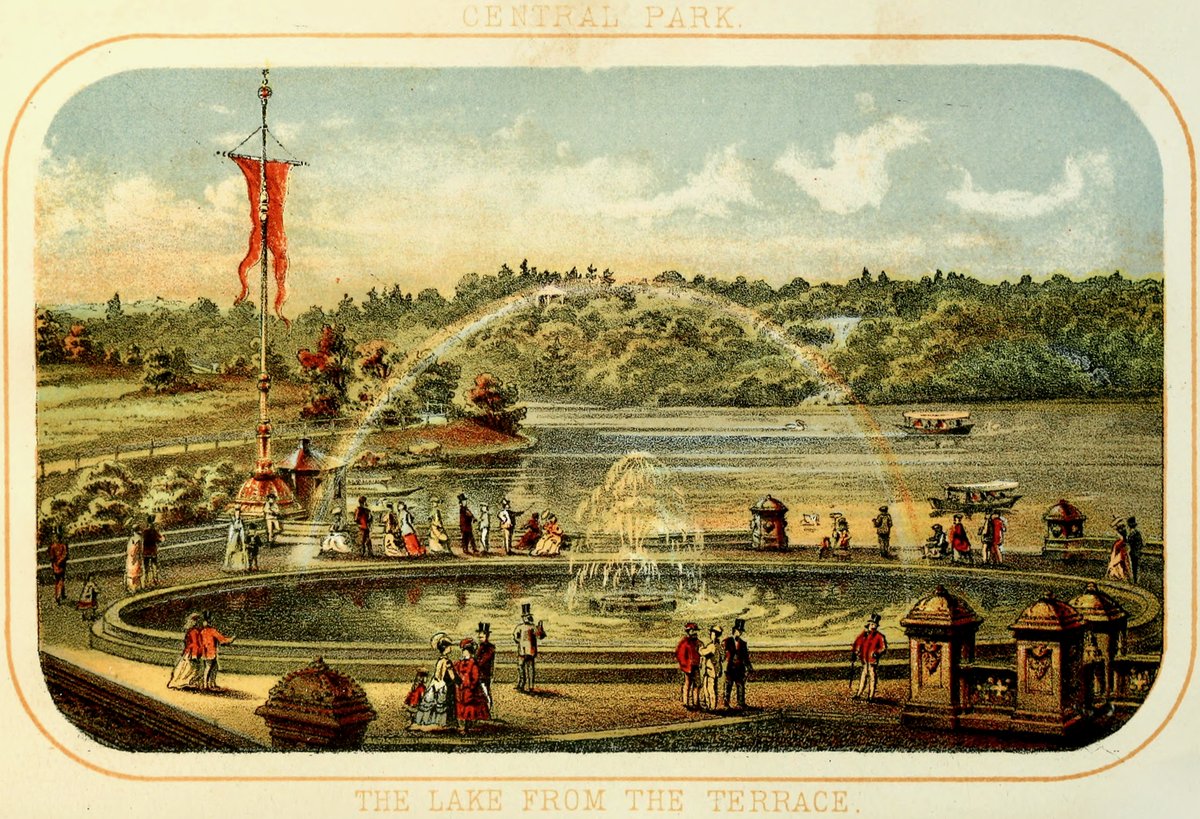
Bethesda Terrace and Fountain date back to the mid-19th century as part of Central Park's original design, known as the Greensward Plan, created by Calvert Vaux and Frederick Law Olmsted in 1858. Initially referred to as "The Water Terrace," the name was changed to Bethesda Terrace after the unveiling of the Angel of the Waters statue. The terrace was designed as a formal gathering space, contrasting with the park's naturalistic elements, with intricate carvings and architectural details crafted from New Brunswick sandstone and granite.
Construction During the Civil War
Construction began during the American Civil War, making it one of the few major projects undertaken in Central Park during this period. By the end of 1861, significant progress had been made, with the stonework arriving in 1862. The masonry for the fountain was installed by 1863. The upper level of the terrace was mostly completed by 1867, and the Bethesda Fountain, designed by Emma Stebbins, was officially completed in 1873.
The Angel of the Waters
The centerpiece of Bethesda Terrace is the Bethesda Fountain, also known as the Angel of the Waters. This 26-foot-tall neoclassical sculpture, designed by Emma Stebbins in 1868, commemorates the 1842 opening of the Croton Aqueduct. The statue depicts an angel holding a lily in her left hand, symbolizing the purity of water, and is surrounded by four cherubs representing health, purity, temperance, and peace.
Visitor Information
Visiting Hours and Accessibility
Bethesda Terrace is open to the public daily from 6:00 AM to 1:00 AM. The area is wheelchair accessible, with ramps and pathways designed to accommodate all visitors. There is no entrance fee for Bethesda Terrace, making it a popular destination for both tourists and locals.
Tickets and Tours
There are no tickets required to visit Bethesda Fountain. However, guided tours are available through the Central Park Conservancy, offering in-depth insights into the history and design of the terrace and fountain. These tours can be booked online through the official Central Park website.
Nearby Attractions and Activities
Bethesda Terrace is centrally located in Central Park, making it an ideal starting point for exploring nearby attractions. Some notable spots include Bow Bridge, the Loeb Boathouse, and the Central Park Zoo. The terrace's upper level provides a vantage point for viewing the Lake, while the lower level, known as the Esplanade, features a flagstone plaza and the iconic fountain.
Special Events and Photography
Bethesda Terrace and Fountain are popular locations for special events, including weddings and photo shoots. The area has been featured in numerous films and television shows, such as "Home Alone 2," "Elf," and "Gossip Girl." Its unique acoustics and beautiful tile work make it a favorite spot for photographers and visitors alike.
Decline and Restoration
Over the decades, Bethesda Terrace and Fountain experienced periods of neglect and misuse. By the 1960s, the terrace had become a site for The Fountain Cafe, and by the 1970s, it had devolved into a venue for drug trafficking. In the early 1980s, the Central Park Conservancy undertook a significant restoration project, which was completed in 2007 at a cost of $7 million.
Modern-Day Bethesda Terrace
Today, Bethesda Terrace and Fountain remain one of Central Park's most beloved attractions. The area serves as a gathering place for park visitors, offering a space for relaxation, people-watching, and appreciating the surrounding beauty. The tunnel connecting the two levels of the terrace, often referred to as the "Whispering Gallery," is renowned for its unique acoustics and beautiful tile work.
FAQs
What are the opening hours for Bethesda Terrace and Fountain? Bethesda Terrace is open daily from 6:00 AM to 1:00 AM.
Is there an entrance fee for Bethesda Terrace? No, there is no entrance fee to visit Bethesda Terrace.
How can I book a guided tour of Bethesda Terrace? Guided tours can be booked online through the official Central Park website.