
Discover the Ryman Auditorium
The Ryman Auditorium, often called the “Mother Church of Country Music,” is one of Nashville’s most iconic landmarks and a cornerstone of American musical history. Originally built as the Union Gospel Tabernacle, it has evolved from a religious gathering place into a world-renowned music hall. Its architectural character, acoustics, and history connect it with gospel, country, bluegrass, and a wide range of other performances. (Ryman Auditorium Official Website)
A History Steeped in Gospel, Country, and Bluegrass
From Tabernacle to Auditorium - A Transformation Unfolds
The Ryman’s story began in 1890, when riverboat captain, Nashville businessman, and known saloon owner Thomas G. Ryman envisioned a permanent space for religious gatherings. Deeply moved by evangelist Samuel Porter Jones’s preaching, Ryman vowed to build a venue for Jones’s revivals.
Designed by architect Hugh Cathcart Thompson, the Union Gospel Tabernacle was completed in 1892. After Ryman died in 1904, the building was burdened by debt and leased to new management. Recognizing its acoustic potential and seating capacity, the managers hosted political rallies, operas, boxing matches, and occasional religious gatherings.
The Grand Ole Opry's Enduring Home
In 1943, the National Life and Accident Insurance Company, which had acquired the building, moved its popular radio show, the Grand Ole Opry, to the Ryman. The Opry, the longest-running radio show in the United States, remained there from 1943 to 1974, broadcasting country music and humor to millions across the nation.
Hank Williams, Johnny Cash, Patsy Cline, and Bill Monroe were among the artists who performed on the Ryman stage during this era. The Opry’s down-home charm and raw talent became closely associated with the venue.
The Birthplace of Bluegrass - A Legacy Takes Shape
The Ryman’s exceptional acoustics helped amplify the energy of country and bluegrass music. In 1945, Bill Monroe and his Blue Grass Boys performed their revolutionary sound on the stage, a moment often described as the birth of bluegrass music. The performance helped establish the Ryman as a place of musical innovation. The venue’s musical legacy also includes the performances of Hank Williams, Johnny Cash, and Patsy Cline.
Architectural Significance - A Blend of Styles and Acoustic Majesty
The Ryman combines Late Victorian Gothic and Romanesque Revival styles. Pointed arches, stained-glass windows, and an asymmetrical façade mark the Gothic influence; inside, exposed brick walls, wooden beams, and a curved balcony reflect the Romanesque Revival style. The building also featured open-air seating.
Its wooden pews, curved balcony, and lack of modern soundproofing contribute to a warm, resonant sound that envelops the audience. The natural amplification helped shape the sound of bluegrass and country music.
Musical Significance and Present-Day Use
A Legacy Preserved - Music at the Ryman Today
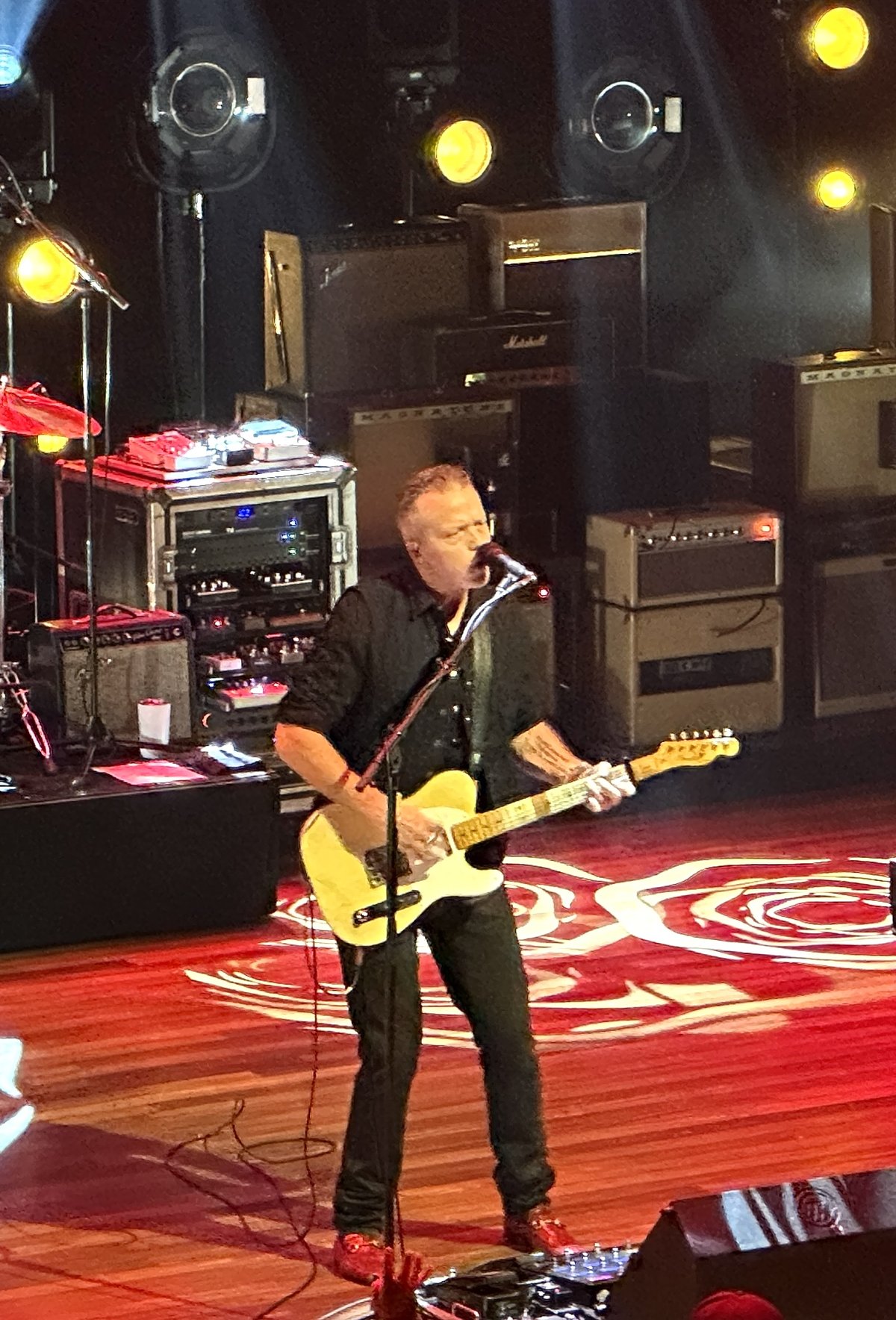
The Ryman is no longer the permanent home of the Grand Ole Opry. It has been restored and operates as a thriving music venue, hosting artists ranging from contemporary country stars to legendary rock bands. Its stage has witnessed countless performances, and the venue continues to attract visitors from around the globe.
The Ryman faced threats of demolition in the latter half of the 20th century. Preservation efforts culminated in its designation as a National Historic Landmark in 1966.
The Show Goes On - Performances and Events
The Ryman’s program includes live concerts, theatrical productions, comedy shows, and special events, with performers from a range of musical genres. The Grand Ole Opry also returns to its former home for select shows throughout the year.
Special Events and Tours
Guided tours offer behind-the-scenes access and share stories about the Ryman’s history, architecture, performers, cultural significance, and acoustics. The self-guided tour includes exhibits of costumes, instruments, and other artifacts from the venue’s past.
Visitor Information
Ryman Auditorium Visiting Hours and Ticket Prices
The Ryman is open for tours daily, with hours listed as 9:00 AM to 4:00 PM; another listing gives the hours as 9 AM to 4 PM. Hours may vary with the event schedule, so check the official website for current visiting hours.
Self-guided tour tickets start at $24.95 for adults, with discounted rates for children and seniors. Guided backstage tours are available for an additional fee. Show tickets can be purchased online or at the box office.
Attending a Show
The Ryman’s acoustics and intimate atmosphere create a close connection between performers and audiences. Booking in advance is advisable, especially for popular acts.
Travel Tips
The Ryman Auditorium is at 116 5th Ave N, Nashville, TN 37219, in downtown Nashville. It is accessible by public transportation or car, and parking is available nearby.
The venue is wheelchair accessible and offers accommodations, including designated seating areas. Non-flash photography is permitted during tours and select performances; check with staff about policies for a specific event.
Nearby Attractions
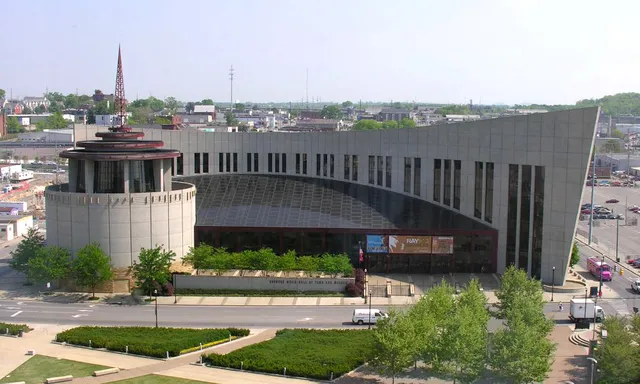
Nearby attractions include the Country Music Hall of Fame, the Johnny Cash Museum, historic Honky Tonk Highway, and Printer’s Alley. The Ryman is also surrounded by restaurants, bars, and shops, with opportunities for dining and shopping before a show.
FAQ Section
What are the Ryman Auditorium visiting hours?
The Ryman is open daily for tours from 9:00 AM to 4:00 PM; hours may vary with event schedules. Another listing gives the hours as 9 AM to 4 PM.
How much are tickets to the Ryman Auditorium?
Self-guided tour tickets start at $24.95 for adults, with discounts for children and seniors. Guided backstage tours are available for an additional fee.
Is the Ryman Auditorium accessible?
Yes. The Ryman offers wheelchair access and other accommodations, including designated seating areas.
What are some nearby attractions?
Nearby attractions include the Country Music Hall of Fame, the Johnny Cash Museum, Honky Tonk Highway, and Printer’s Alley.