Place
United States of America Updated Oct 2026
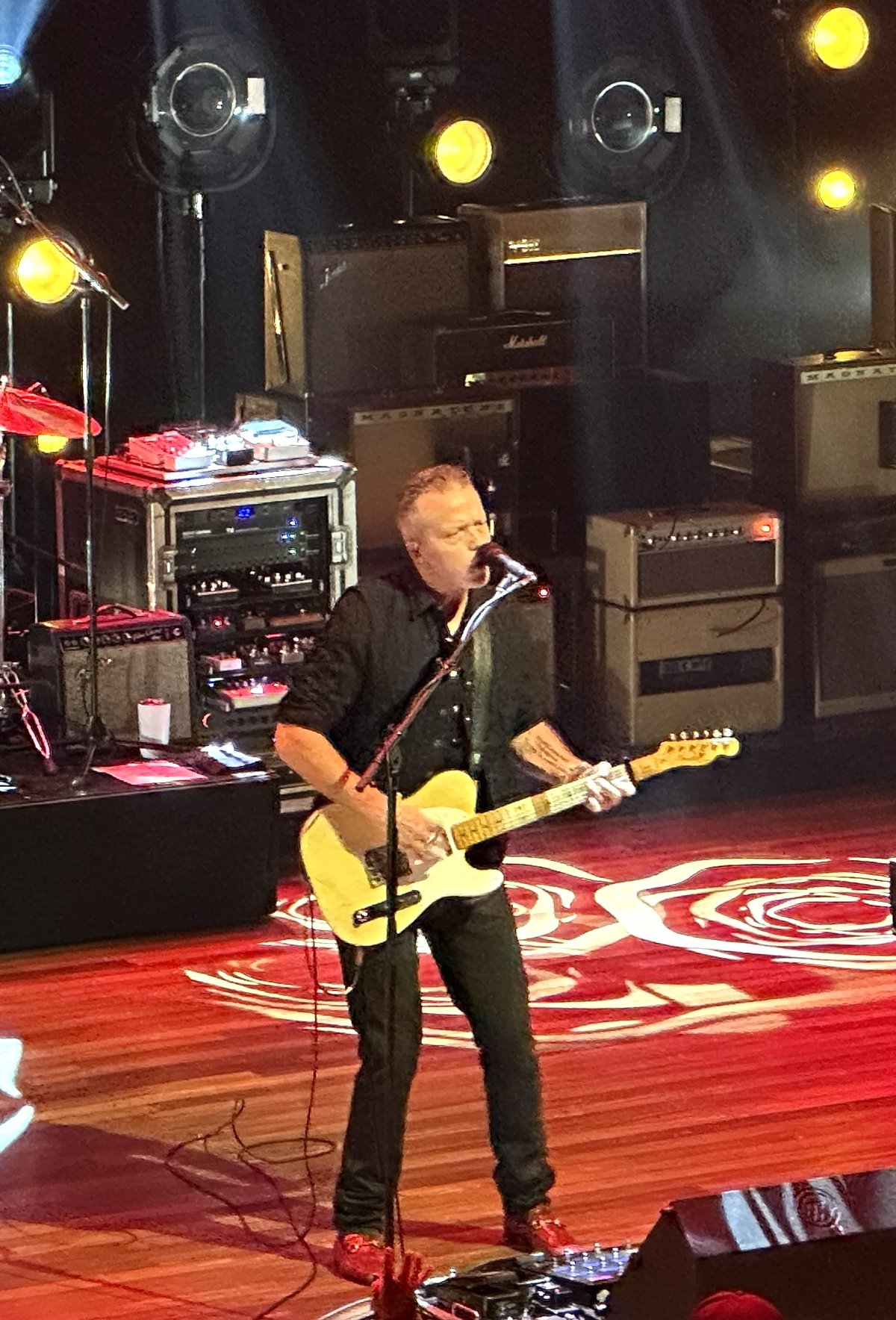
A steel guitar riff spills from a Lower Broadway doorway, while across town a 90-seat room falls so quiet you can hear a songwriter set down a glass. Nashville, Tennessee, in the United States, is less a single sound than a conversation between spectacle and close listening.
 Photo: Travis Saylor / Pexels
Built from cited sources · see the method · How we make our guides →
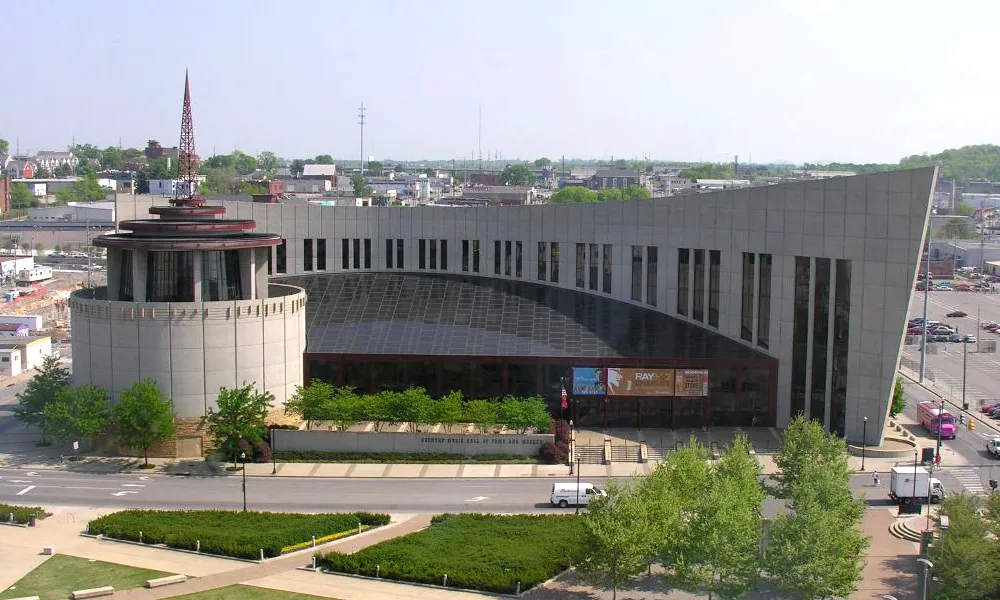
At the Ryman Auditorium, church pews and a curved balcony give concerts an intimacy that the city’s bigger stages can’t imitate. The Country Music Hall of Fame traces the genre’s changing sound, while the National Museum of African American Music follows gospel, blues, jazz, R&B, and hip-hop through the city’s wider musical story.
Nashville’s appetite is as distinctive as its soundtrack: hot chicken arrives on plain white bread, slick with cayenne oil and topped with dill pickles. The dish dates to the 1930s; local lore credits Thornton Prince’s girlfriend with the fiery idea, though the origin story is told as a tale rather than settled fact.
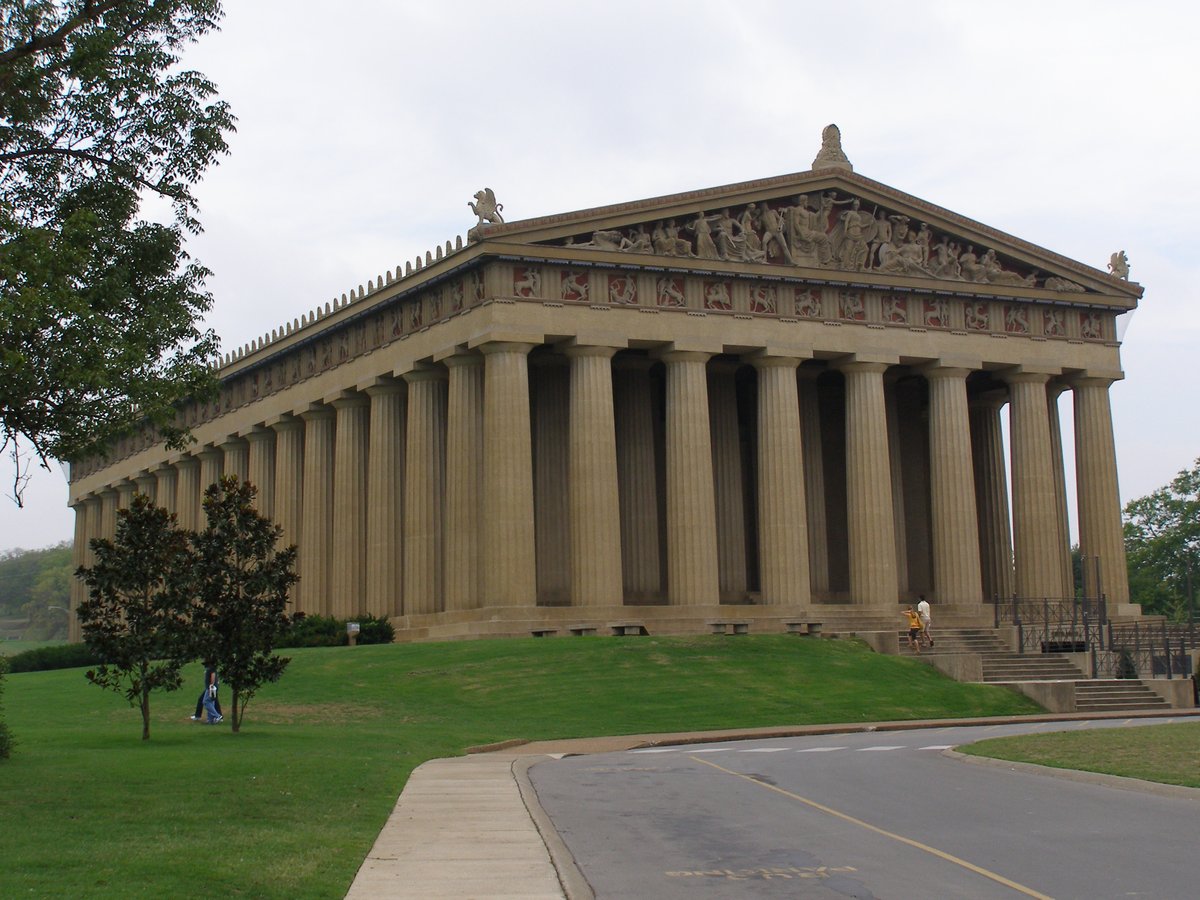
The city’s symbols have a mischievous streak: Centennial Park holds a full-scale Parthenon replica, while downtown’s Egyptian Revival church wears painted temple motifs inside. Look beyond the country-music shorthand and Nashville comes into focus as a place where Southern history, Black musical traditions, and a songwriter’s ear keep changing the tune.
Not every monument, just the ones we'd walk you past ourselves.



Where to wander, by quarter — each with its own rhythm.
Before you go
Curated from places in this city. Same price as official sites.


Prices shown are indicative — final pricing and availability are confirmed at checkout. Audiala may receive a commission from bookings made via these links.
From Indigenous Cumberland communities to a modern capital with a sound of its own
Long before Nashville had a name, Indigenous communities lived throughout the Cumberland River basin. Archaeological evidence places Mississippian settlements in Middle Tennessee; the river connected people, food, and trade across the region.
Frontier leader James Robertson guided a party of settlers overland to the Cumberland River in 1779. Their arrival helped establish a settlement on land long used by Native peoples, a beginning that brought both a new town and dispossession.
At French Lick, where salt springs drew traders to the river, settlers began building Fort Nashborough. Its stockade offered shelter from attack, but life within its walls remained precarious and depended on supplies carried overland or by water.
On May 13, settlers signed the Cumberland Compact, creating a local system of courts and elected leaders before Tennessee existed as a state. John Donelson’s family and other settlers had reached the fort by flatboat after a long, difficult journey down the Cumberland.
On April 2, Chickamauga Cherokee warriors attacked Fort Nashborough in the Battle of the Bluffs. Settlers repelled the assault, but the encounter made clear that a wooden stockade could not quiet the conflict over Native land and settler expansion.
North Carolina incorporated the settlement and replaced the name Fort Nashborough with Nashville. The town received its city charter in 1806, marking a gradual shift from a defended frontier outpost to a civic center.
Andrew Jackson’s victory at the Battle of New Orleans made the Nashville lawyer and military commander a national figure. His nearby Hermitage estate tied the city to his career, while his fame brought Nashville into the country’s political conversation.
On October 7, Tennessee chose Nashville as its permanent state capital. The decision secured a steady flow of lawmakers and public business, and gave the city a reason to build for a larger future.
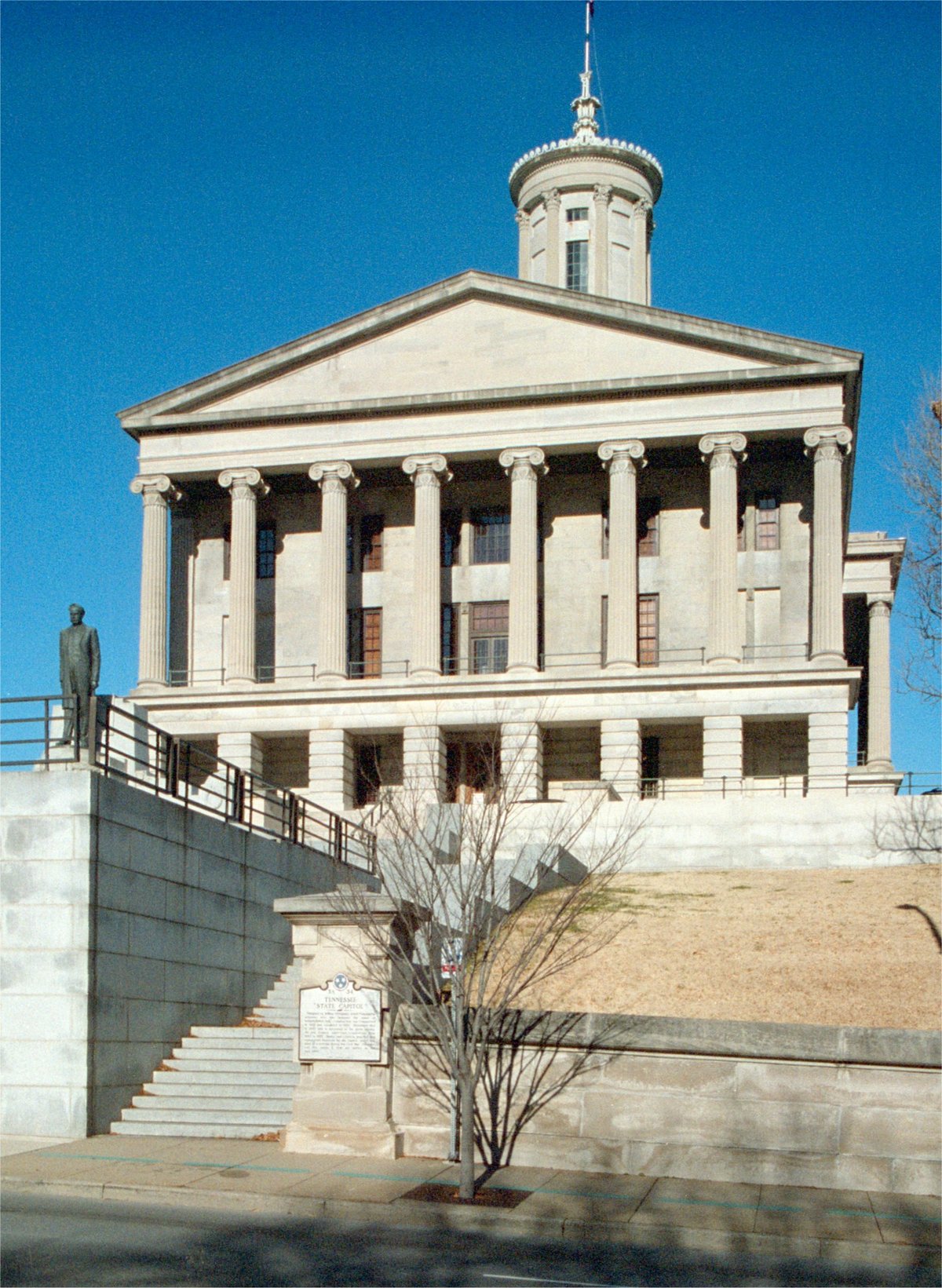
Construction began on the Tennessee State Capitol, designed by architect William Strickland in the Greek Revival style. Built largely from local limestone, the building took until 1859 to finish; Strickland died before its completion and was buried within its north wall.
After Union victories at Forts Henry and Donelson, Confederate troops abandoned Nashville in February. The Union occupation made it the first Confederate state capital to fall, and the city remained under federal control through the Civil War.
On December 15 and 16, General George H. Thomas’s Union army drove John Bell Hood’s Confederate forces away from the city. Black soldiers in the United States Colored Troops fought in the battle, which shattered the Confederacy’s last major offensive force in the Western Theater.
Fisk Free Colored School opened in January to educate newly freed Black students. The school grew into Fisk University, giving Nashville an institution that would shape generations of scholars, artists, and civic leaders.
Fisk University’s Jubilee Singers began touring to raise money for the struggling school. Their performances brought spirituals to audiences abroad, including Queen Victoria, and carried a musical tradition born in Black life far beyond Nashville.
Vanderbilt University was chartered after a $1 million gift from railroad magnate Cornelius Vanderbilt. Meharry Medical College followed in 1876, opening a path into medical education for Black students in a region where such opportunities were sharply restricted.
Riverboat captain Thomas Ryman opened the Union Gospel Tabernacle, a large hall built for religious meetings. After his death, it took his name; the building’s curved balcony and clear acoustics would later make it a celebrated music venue.
Nashville’s six-month Tennessee Centennial Exposition drew about 1.8 million visitors and put a full-scale Parthenon replica at its center. The temporary fair building proved too popular to discard, and the city kept rebuilding it until the monument became a permanent emblem of its “Athens of the South” identity.
On March 22, a fire tore through 35 blocks of East Nashville, destroying 648 buildings and leaving more than 3,000 people homeless. The scale of the loss changed the neighborhood’s streets and housing, while residents faced the hard work of rebuilding.
On August 18, the Tennessee legislature ratified the 19th Amendment at the State Capitol, providing the final state approval needed for women’s voting rights to enter the Constitution. Nashville became the stage for a tense national decision, argued in the corridors and chambers of its Capitol.
Radio station WSM aired George D. Hay’s “WSM Barn Dance” on November 28. The show, renamed the Grand Ole Opry in 1927, carried live country music from Nashville into homes far beyond the city.
The Grand Ole Opry began broadcasting from the Ryman Auditorium, joining a radio show to a hall whose acoustics suited unamplified voices and string instruments. For more than three decades, the weekly broadcast helped make Nashville synonymous with country music.
RCA Studio B opened on Music Row, where musicians, producers, and engineers made polished country recordings known as the Nashville Sound. Elvis Presley, Dolly Parton, and many others recorded there; its modest room became one of the city’s most influential instruments.
As a student in Nashville, John Lewis helped organize disciplined sit-ins at segregated downtown lunch counters. The campaign shaped his work as a civil rights leader and showed how students could confront segregation through carefully planned nonviolent action.
Nashville students began sit-ins at downtown lunch counters in February, enduring arrests and assaults without abandoning nonviolence. After a bombing at attorney Z. Alexander Looby’s home and a march of thousands, stores began desegregating their counters on May 10.
Nashville and Davidson County joined in a metropolitan government, combining city and county services under one administration. The new structure reshaped local politics and reflected a city growing beyond its old municipal boundaries.
After graduating high school, Dolly Parton moved to Nashville to pursue a career in music. She began building the songwriting and recording career that would make the city a lasting part of her story.
The founding of Hospital Corporation of America gave Nashville an early foothold in healthcare management. Over time, that business joined music as one of the forces shaping the city’s economy.
On March 16, the Grand Ole Opry performed its final regular show at the Ryman before moving to the new Opry House east of downtown. The move gave the broadcast a larger purpose-built stage, while the old auditorium lost its weekly show and much of its public life.
More than 13 inches of rain fell across Middle Tennessee in 48 hours, and the Cumberland River crested at 51.86 feet. Floodwater reached homes, arenas, and the Grand Ole Opry House, causing more than $2 billion in damage and leaving mud lines high on walls across the region.
An EF3 tornado damaged homes and historic commercial districts in North Nashville, Germantown, and East Nashville on March 3. On Christmas morning, a bomb on Second Avenue North tore through downtown buildings and disrupted telecommunications, bringing another kind of sudden rupture to the city center.
The National Museum of African American Music opened downtown, telling the story of Black musicians whose work shaped gospel, blues, jazz, country, and hip-hop. Its arrival gave Nashville a public place to reckon with a simple truth: the city’s music history cannot be told through country music alone.
U.S. president · 1767–1845
Lived at the Hermitage
Jackson lived at the Hermitage estate, where the restored mansion now shares the visit with slave quarters and interpretation of enslaved people’s lives. The grounds tell a harder story than a presidential portrait alone can hold.
Architect · 1788–1854
Designed the Tennessee State Capitol; entombed in its north facade
Strickland designed Nashville’s Tennessee State Capitol in the form of a Greek Ionic temple, then died in 1854 before construction was complete. His tomb is built into the north facade, leaving the architect inside the public building he shaped.
Singer · 1935–1977
Recorded at RCA Studio B
Presley recorded at RCA Studio B, the compact Music Row studio associated with the rise of the Nashville Sound. The room offers a quieter image of his career than the spectacle of the stage: close walls, instruments, and a song taking shape.
Singer-songwriter · born 1946
Recorded at RCA Studio B
Parton recorded at RCA Studio B, placing her own songs inside one of Nashville’s best-known recording rooms. Her rhinestone-bright public image meets a more workmanlike setting there: a studio where the story began with a voice and a microphone.
Sculptor · born 1958
Created the Athena statue inside the Nashville Parthenon
LeQuire sculpted the 41-foot-10-inch Athena who stands inside Nashville’s Parthenon replica. The ancient temple’s grand interior holds a distinctly modern work, turning a copy of Athens into a place shaped by a Nashville artist.
Where locals actually book dinner — not the tourist menus.
Small things that change how the city treats you.
The city, as it actually looks.
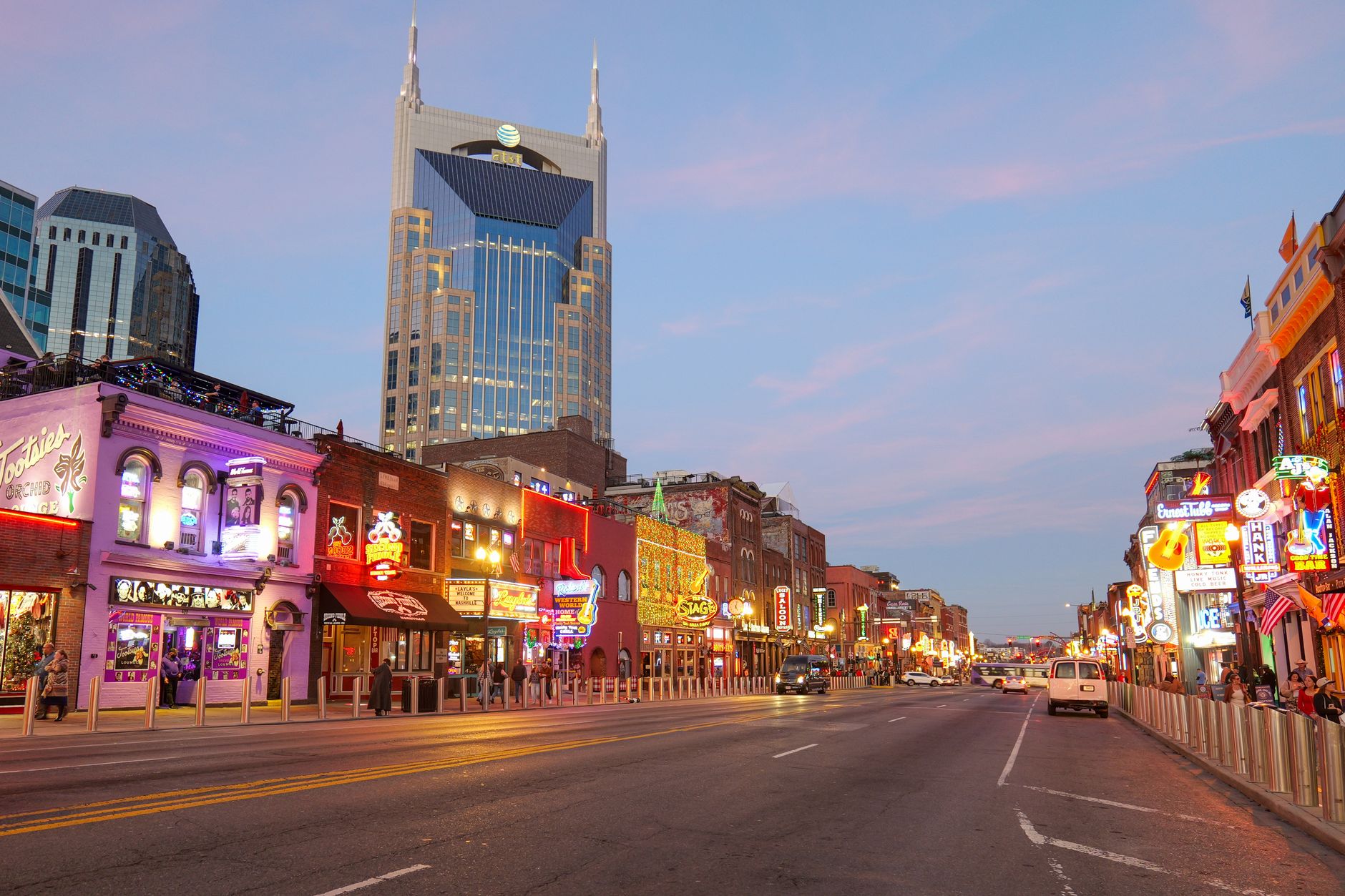
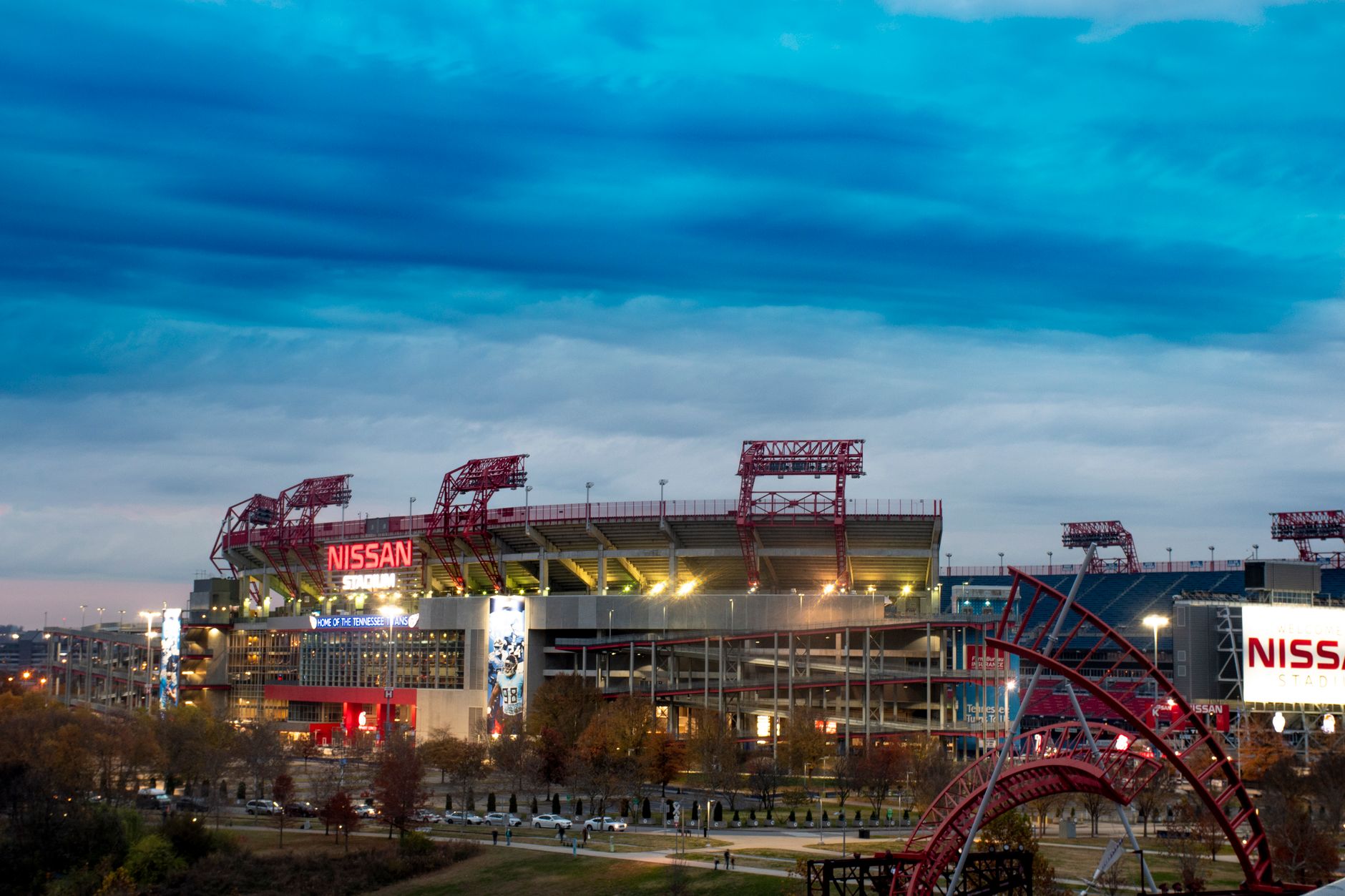


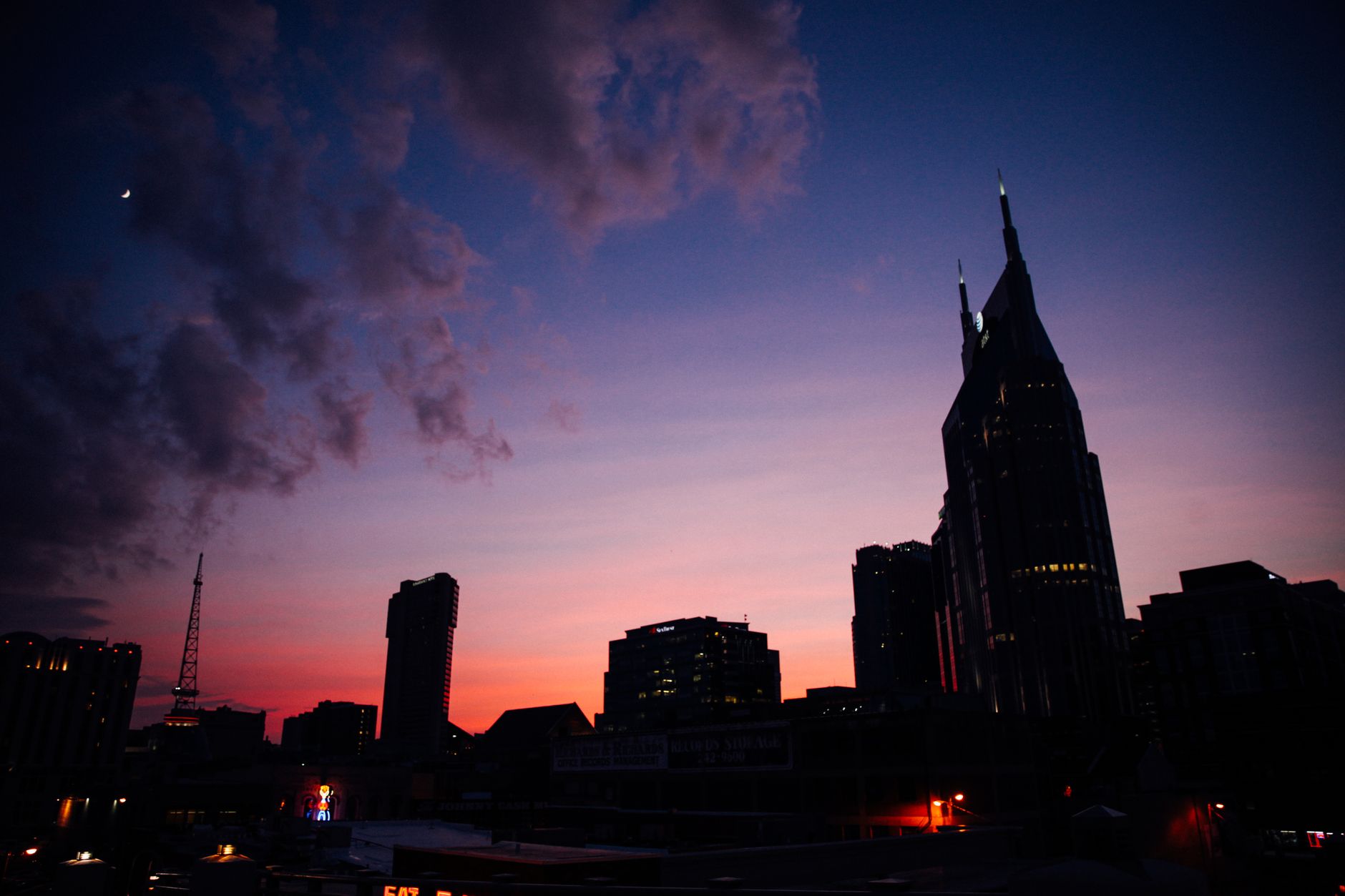

Yes, especially if you like live music, music history, or distinctive architecture. You can hear country at the Grand Ole Opry, explore African American musical traditions at NMAAM, then stand inside a full-scale replica of the Parthenon.
Plan on three days for downtown music sites, the Country Music Hall of Fame, and the Parthenon. Four or five days gives you time for a show at the Grand Ole Opry and a longer visit to the Hermitage or Cheekwood.
WeGo Route 18 runs from Nashville International Airport to downtown for $2. Express trips take about 20 minutes; local trips can take 35–45 minutes, while a taxi or rideshare typically takes 15–25 minutes depending on traffic.
Downtown’s main music attractions are close enough to explore on foot, and WeGo buses connect downtown with other parts of the city. For a scenic walk across the Cumberland River, use the John Seigenthaler Pedestrian Bridge.
The main visitor areas are generally manageable with ordinary city precautions, but crowds on Lower Broadway can make it easier to lose track of belongings. Stick to well-lit streets, keep an eye on drinks, and don’t leave valuables visible in a parked car.
A local WeGo bus ride costs $2, and contactless payment includes transfers within two hours. Use the same card or device to reach the $4 daily cap; cash riders need exact change and don’t get the free transfers.
Mid-April through May and September through October are good choices for walking around the city. Summer brings heavier heat and humidity, while spring can bring showers and storms.
Try Nashville hot chicken, served traditionally with white bread and dill pickle chips. Its cayenne-based chili oil can pack real heat, so ask about the spice level before you order.
66 places to discover


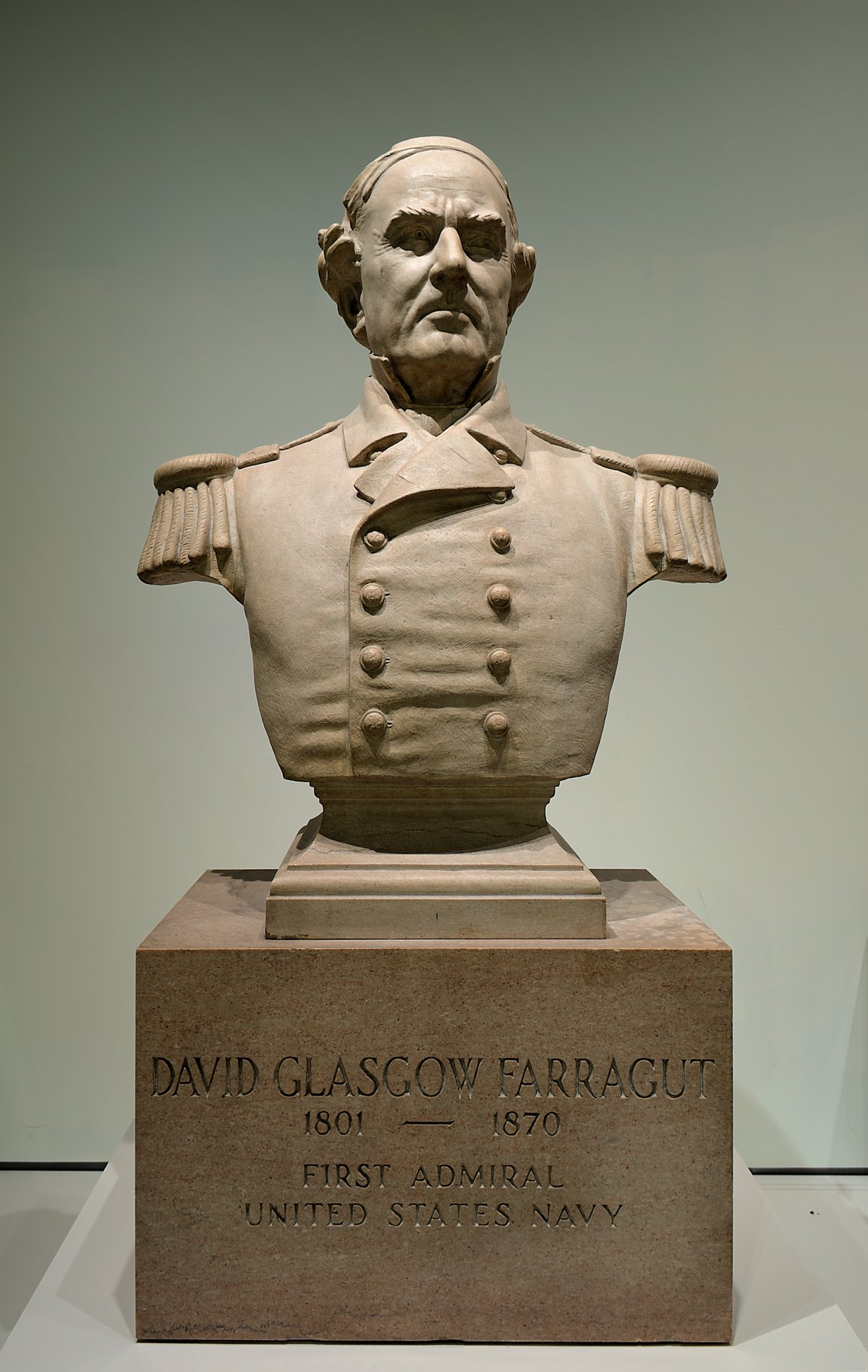


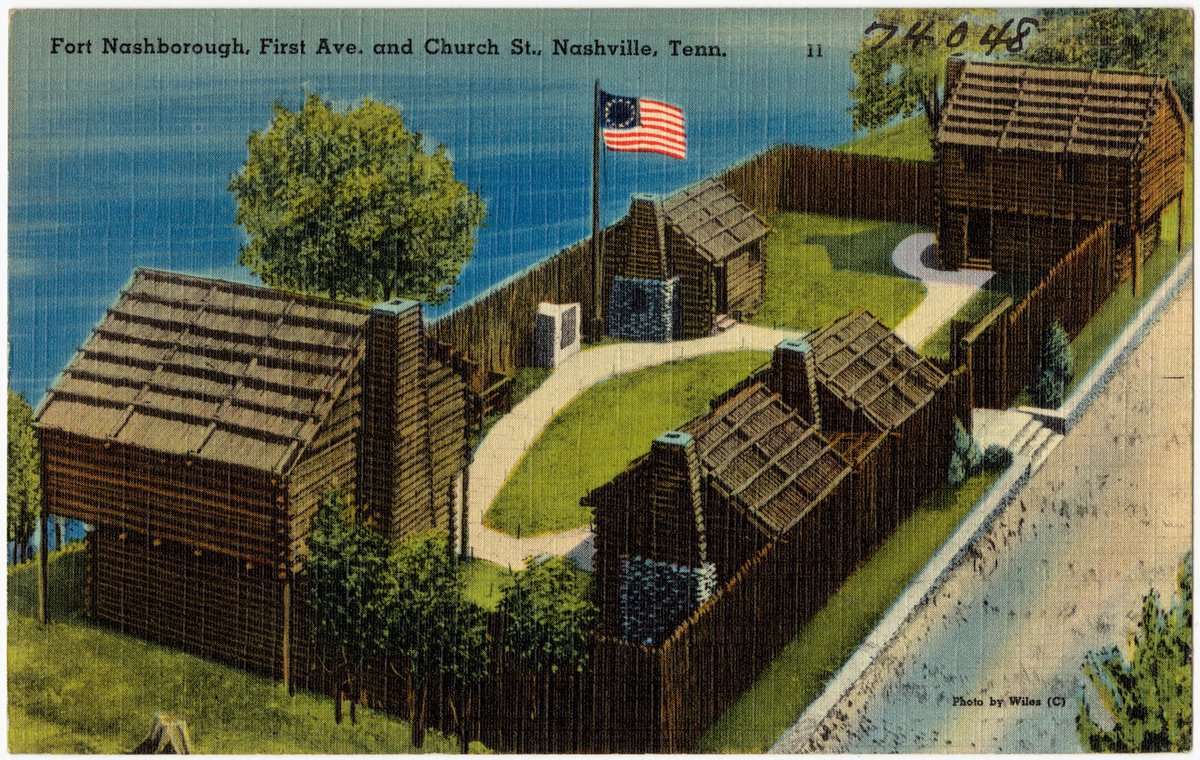




Showing 1–48 of 66 places
Saved and recently read places — kept on this device only.
Photos may have been resized or cropped.