Place
United States of America Updated Oct 2026
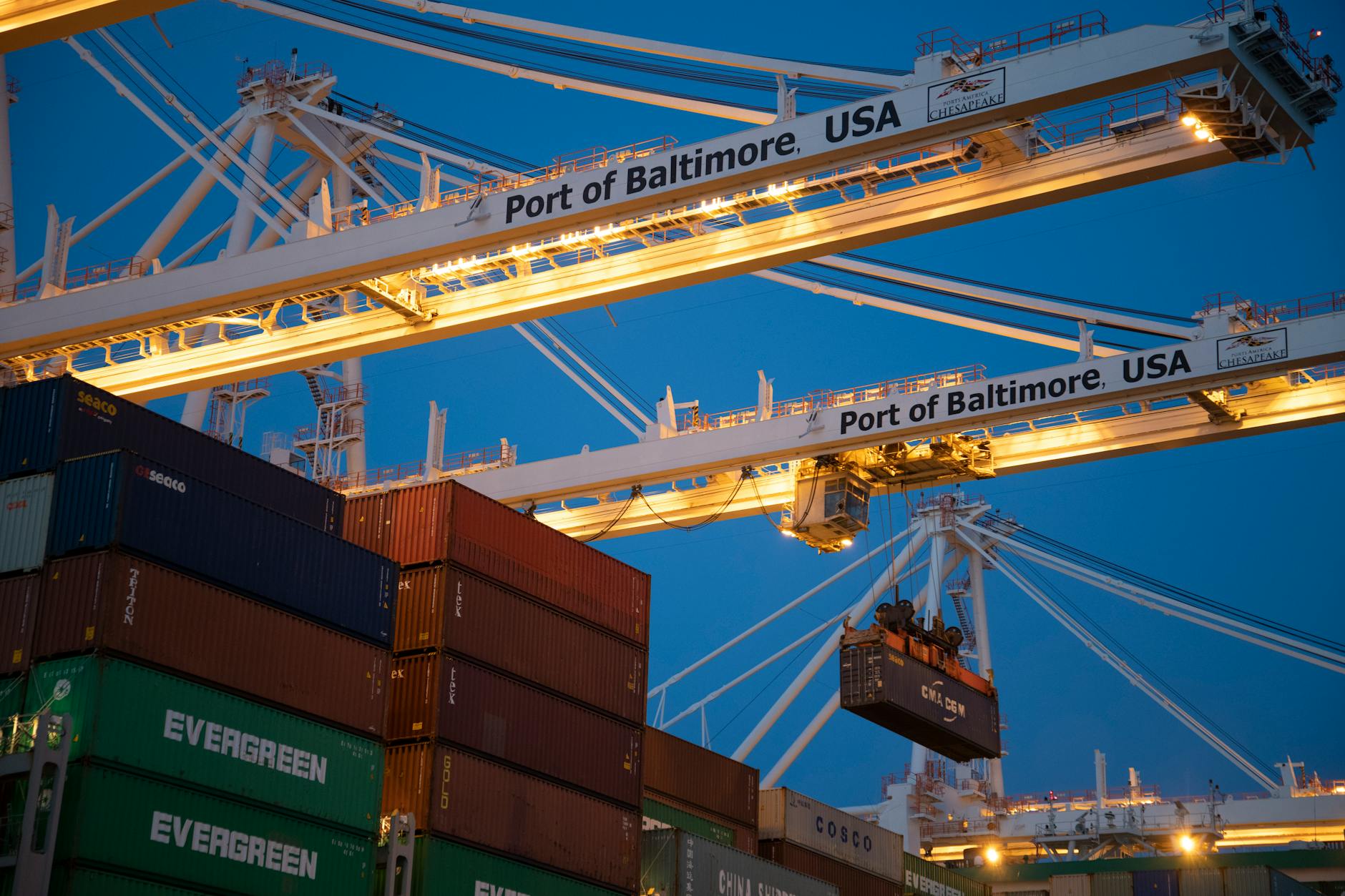
Rigging clicks against masts beside downtown Baltimore, while a few miles away Fort McHenry’s star-shaped ramparts hold the story of a song written under fire. Baltimore, in the United States, is a port city with an unexpectedly intimate scale: brick rowhouses, old markets, and museums sit within reach of the water. The harbor is the obvious entrance; the neighborhoods beyond it give the city its measure.
 Photo: Abdullah Almutairi / Pexels
Built from cited sources · see the method · How we make our guides →
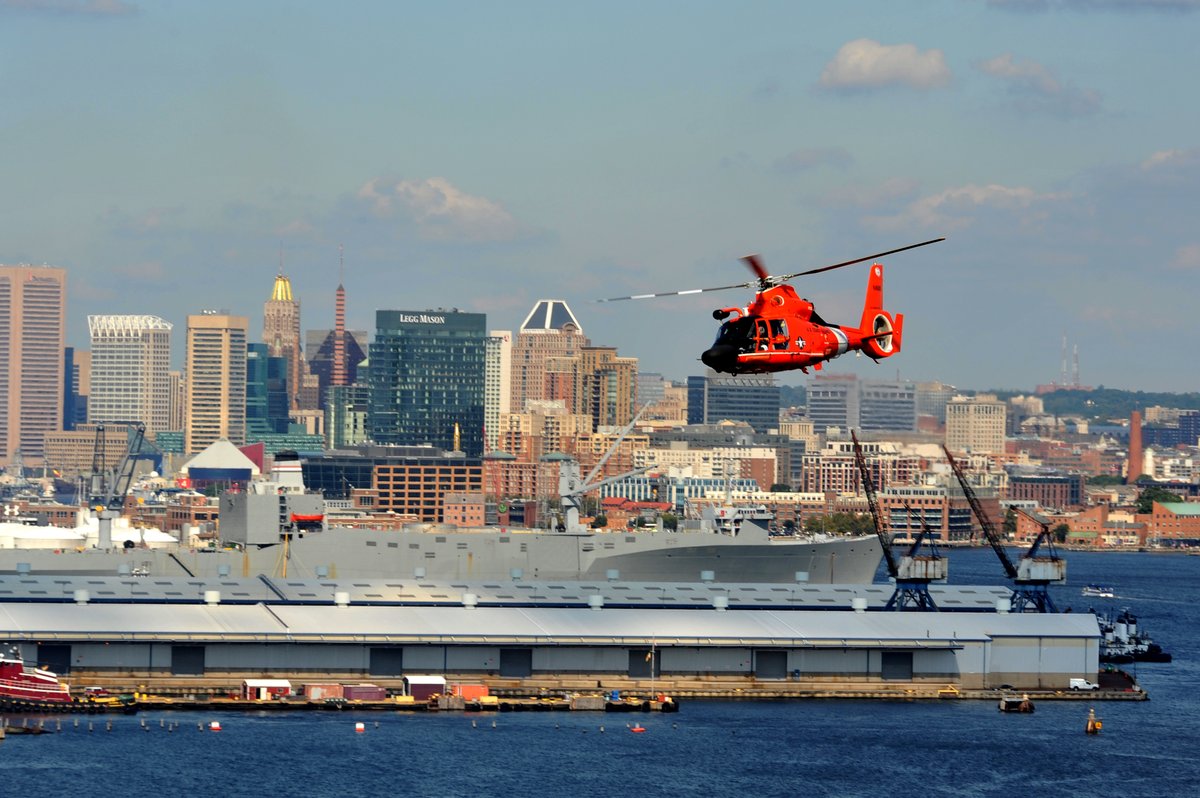
Nearly seven miles of waterfront promenade link Locust Point, the Inner Harbor, Harbor East, and Fell’s Point. Along the way, the National Aquarium’s glass curves catch the light, and historic vessels—including the USS Constellation and a World War II submarine—sit moored beside the piers.
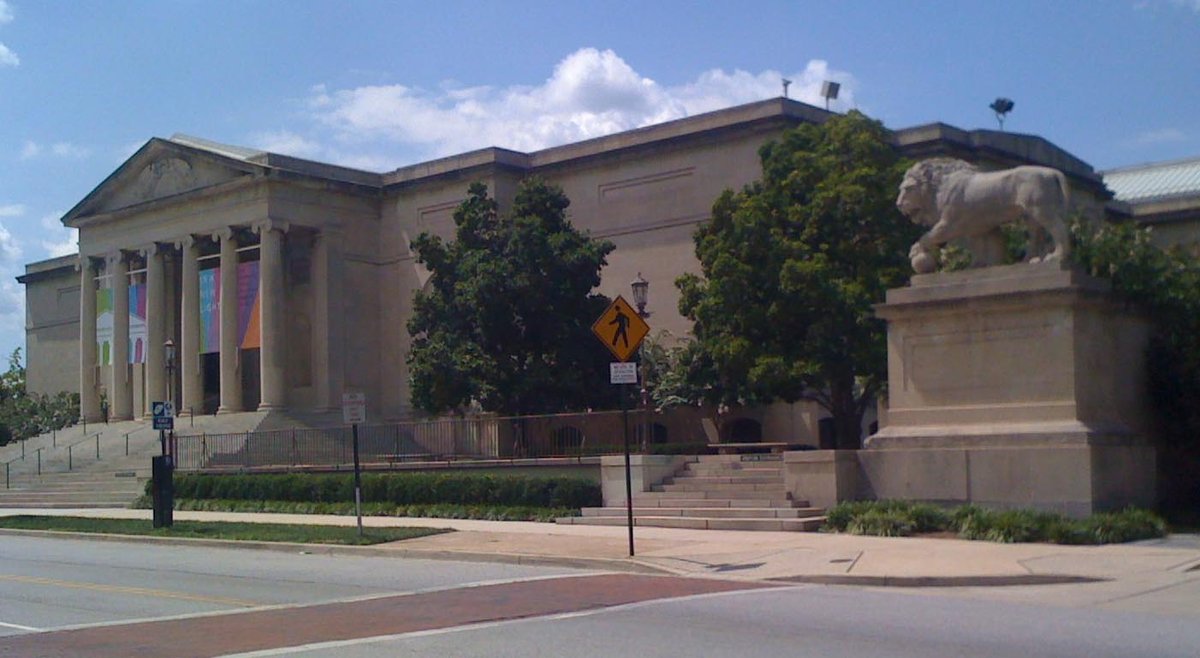
Baltimore’s history is written in buildings you can enter. Fort McHenry’s defense during the Battle of Baltimore in 1814 inspired Francis Scott Key’s lyrics to “The Star-Spangled Banner”; in Mount Vernon, five tiers of cast-iron balconies rise beneath the skylight of the George Peabody Library. At the Baltimore Museum of Art, the Cone Collection includes the world’s largest collection of works by Henri Matisse.
The city’s character comes into focus at street level: on white marble rowhouse steps, at Lexington Market, which traces its history to 1782, and over a crab cake made with just enough binder to hold the meat together. Baltimore rewards close looking, whether the detail is a carved stone façade or a little Old Bay left on your fingers.
Not every monument, just the ones we'd walk you past ourselves.
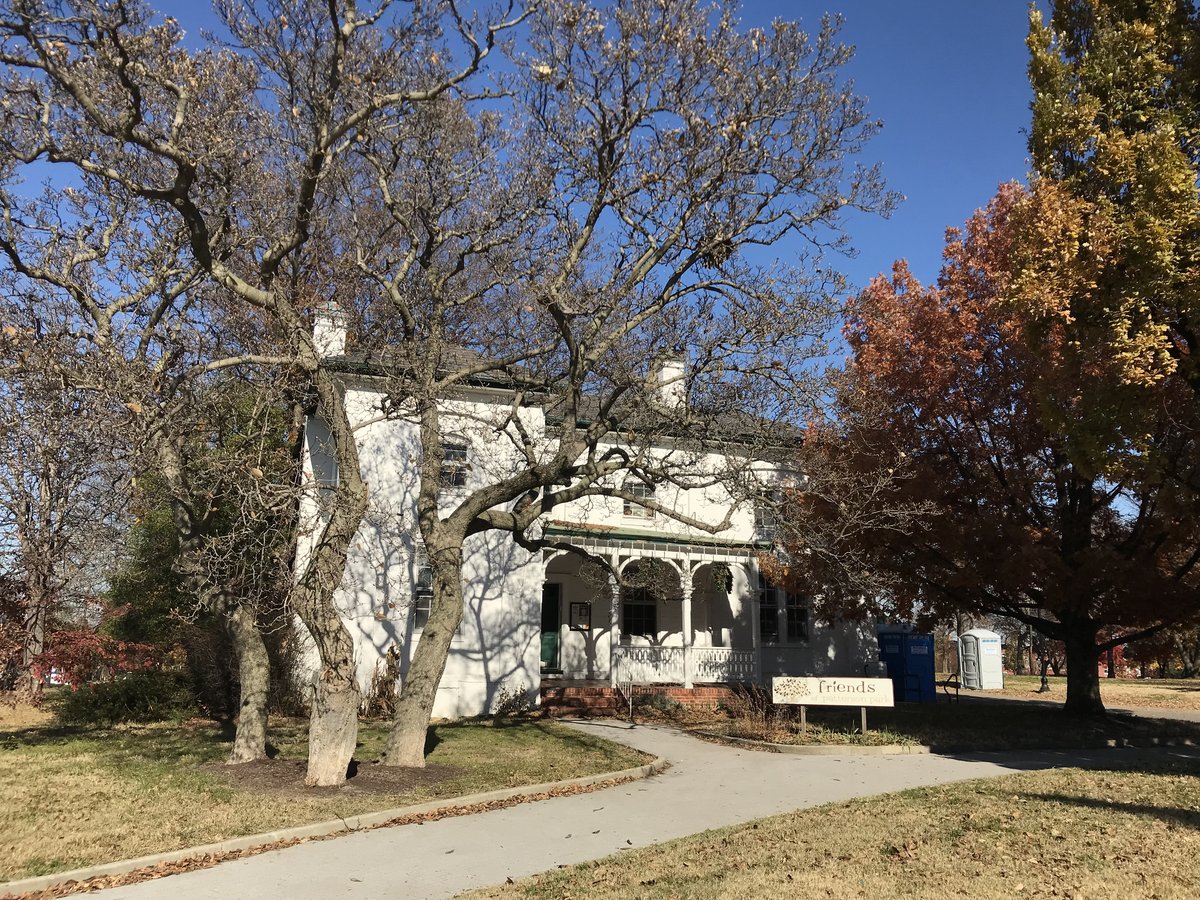
Where to wander, by quarter — each with its own rhythm.
Before you go
Curated from places in this city. Same price as official sites.


Prices shown are indicative — final pricing and availability are confirmed at checkout. Audiala may receive a commission from bookings made via these links.
From Indigenous Chesapeake shore to port city, industrial powerhouse, and reinvented waterfront
Long before English settlement, Indigenous peoples lived, hunted, and traveled along the Patapsco River and Chesapeake Bay. Piscataway and Susquehannock communities knew these waters as routes and resources, not as the edge of a future city.
English explorer John Smith mapped parts of the Chesapeake Bay and its tributaries, including the Patapsco River. His chart helped English colonists picture the harbor as a point of access to the region, though settlement here came much later.
In 1729, Maryland’s assembly authorized a town on the northwestern branch of the Patapsco; surveyors laid it out the following year. Named for the Calvert family’s title, Baltimore began as a modest port whose future depended on ships, tobacco, and the water at its door.
As British forces threatened Philadelphia, the Second Continental Congress moved to Baltimore and met at Henry Fite’s House from December 1776 to February 1777. For a few winter months, the young republic’s political center sat in a city still better known for its harbor than its size.
Baltimore received its city charter, bringing Baltimore Town, Jonestown, and Fell’s Point under one municipal government. The harbor districts remained distinct in character, but one city now spoke for their streets, docks, and growing trade.
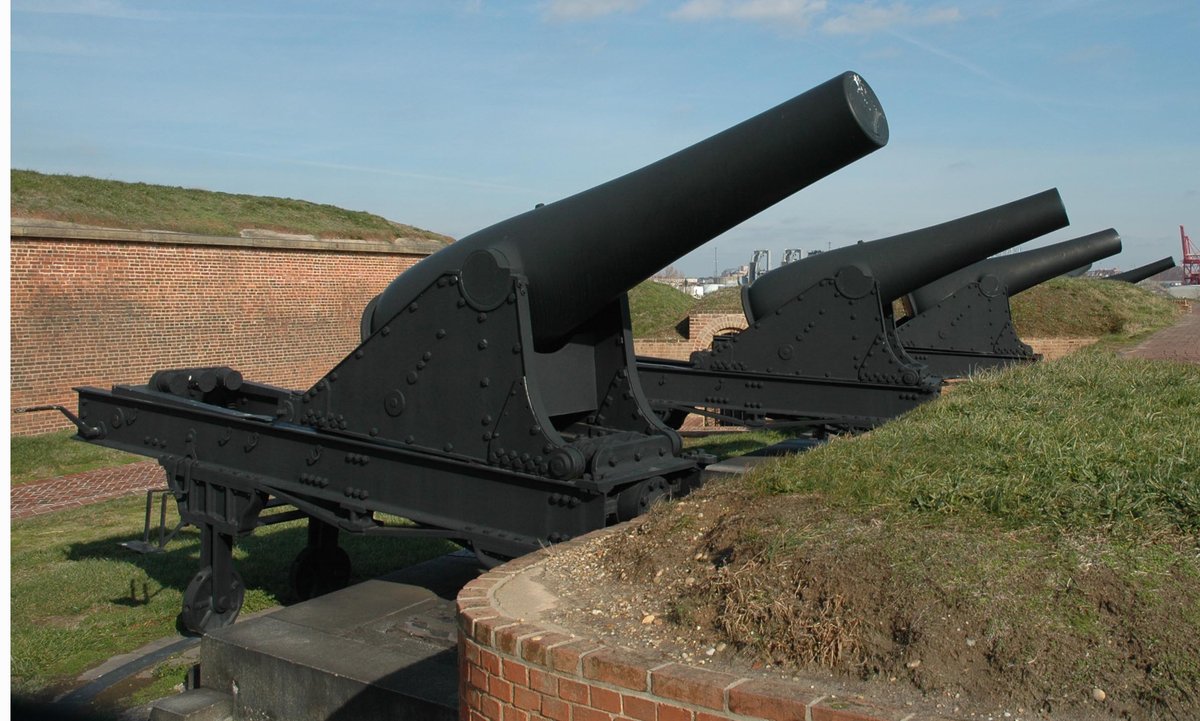
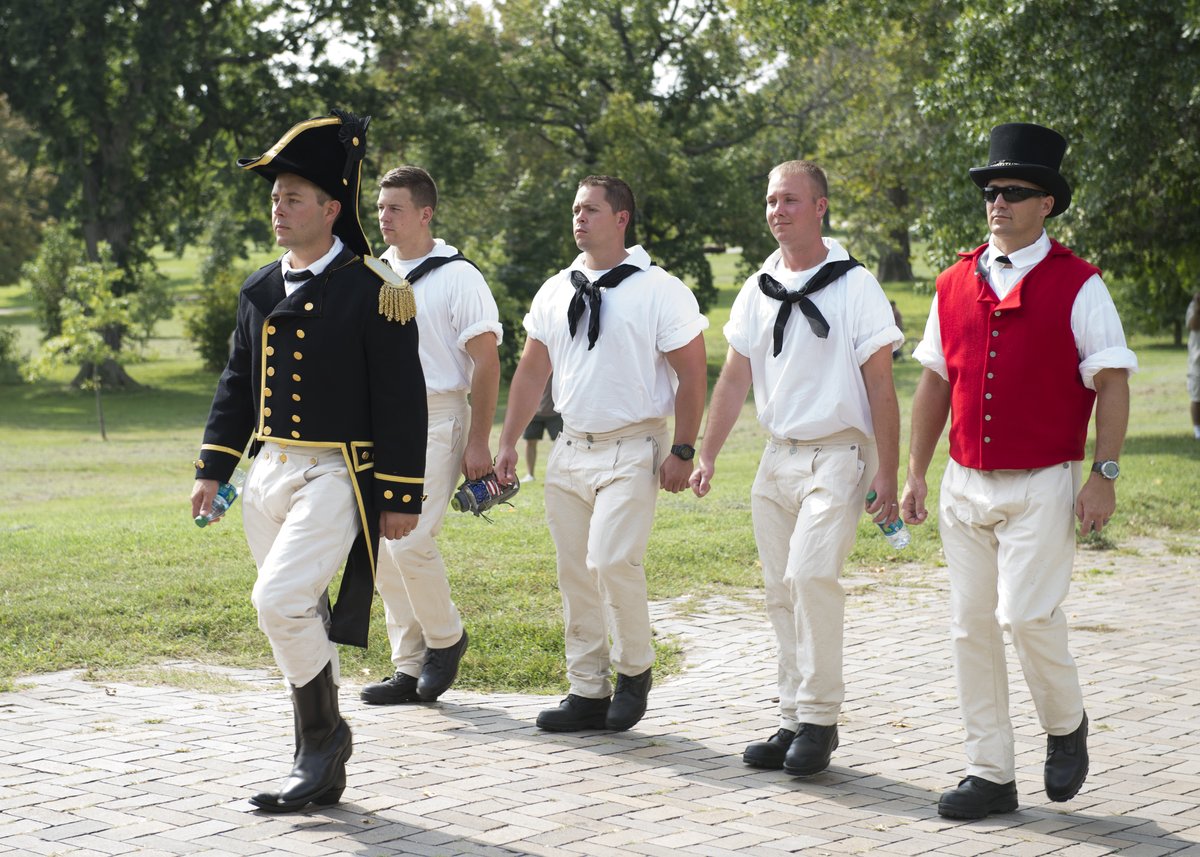
Work began on Fort McHenry, a five-pointed coastal fort at the entrance to Baltimore’s harbor. Its angled walls were built to meet attack from the water; the fort’s best-known test would come before the next generation had grown old.
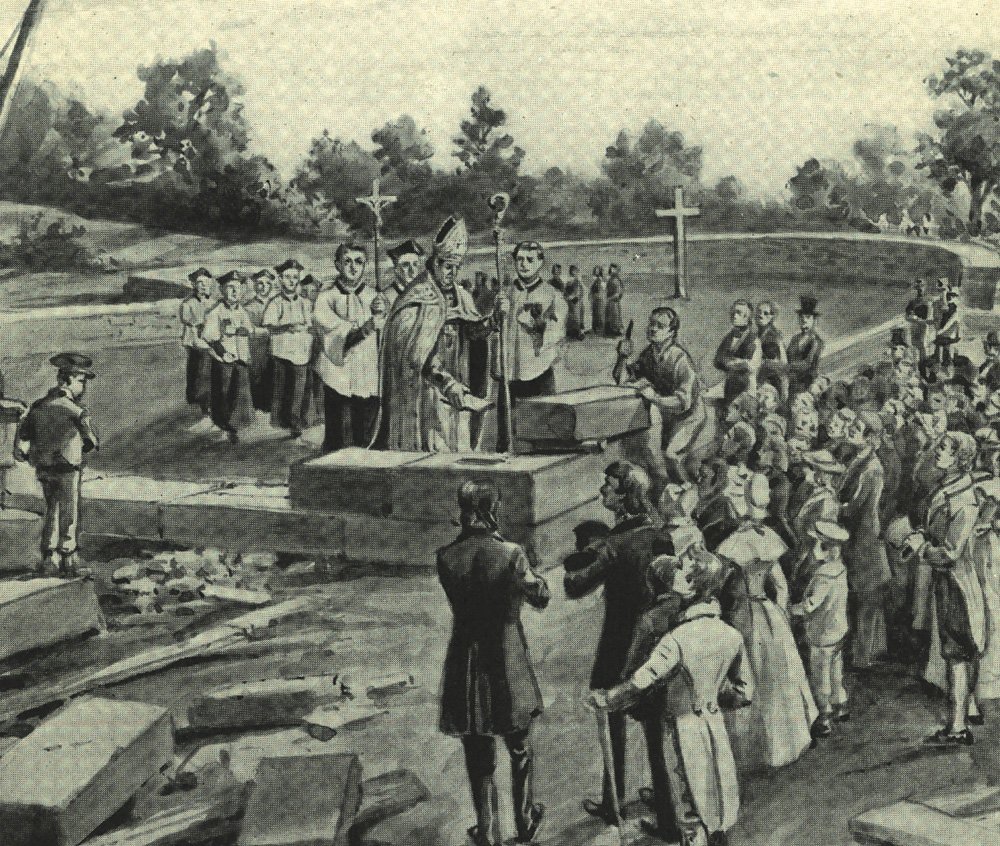
Architect Benjamin Henry Latrobe designed the Basilica of the National Shrine of the Assumption of the Blessed Virgin Mary, whose construction began in 1806 and was completed in 1821. Its pale, domed interior brought a new architectural confidence to the city and became the first Roman Catholic cathedral built in the United States.
Baltimore flagmaker Mary Young Pickersgill and her assistants sewed the enormous garrison flag later flown over Fort McHenry. At 30 by 42 feet, it was too large for an ordinary workroom and had to be assembled in a brewery loft.
British troops landed at North Point on September 12, then faced Maryland militia before the fleet began its bombardment of Fort McHenry. After more than 25 hours of shelling, the fort still held and the British ships withdrew; Baltimore had stopped an attack that threatened the port and the city beyond it.
Lawyer Francis Scott Key watched the bombardment from a British ship, where he had gone to help secure the release of an American prisoner. At dawn, he saw Pickersgill’s flag still flying over Fort McHenry and drafted a poem that became “The Star-Spangled Banner.”
Construction began on Robert Mills’s Washington Monument in Mount Vernon, a column commemorating the first U.S. president. Its white shaft soon gave the city a landmark far from the wharves, and helped define the public square that grew around it.
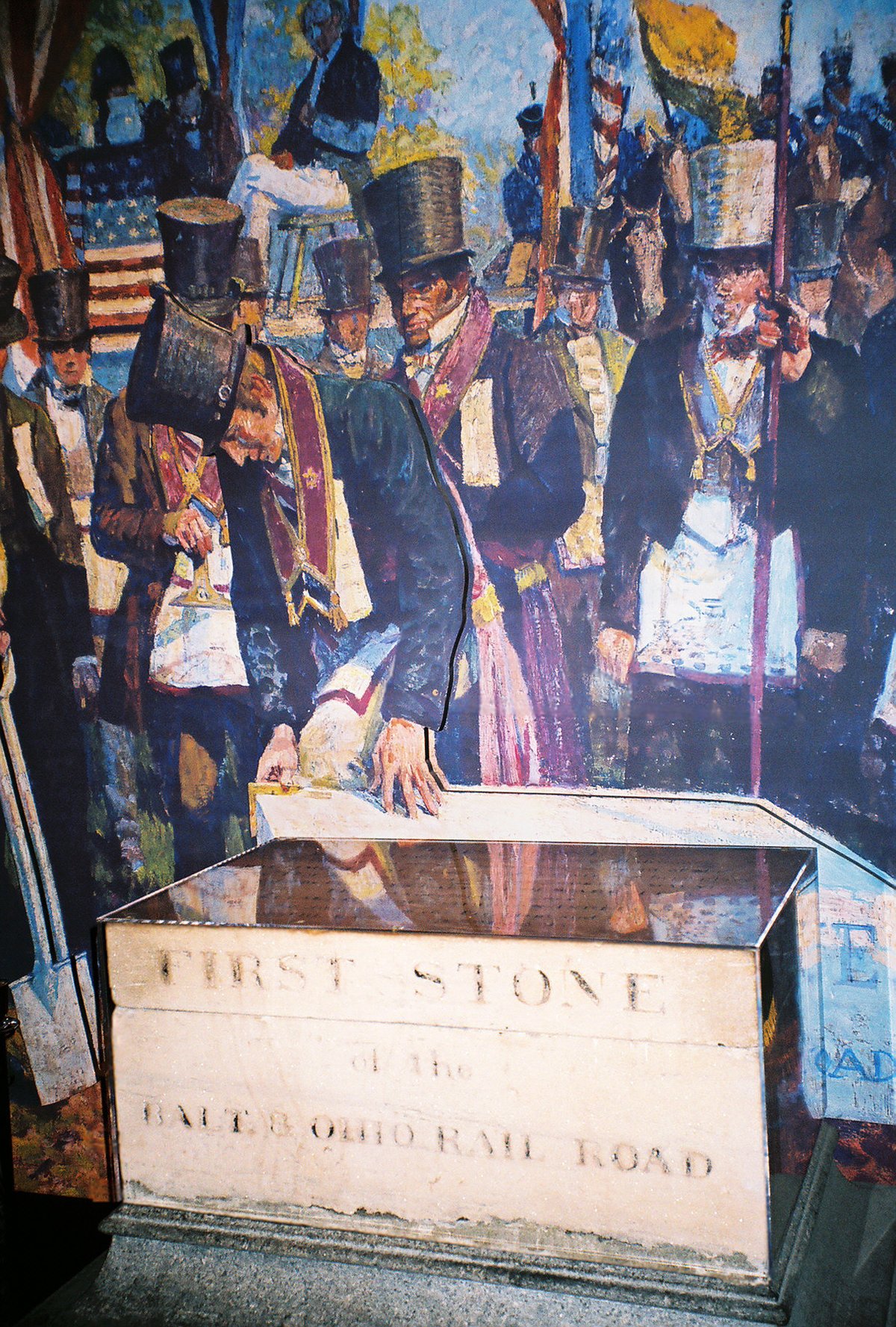
Baltimore merchants chartered the Baltimore and Ohio Railroad to connect the harbor with markets inland, where canals and roads were drawing trade away. The line became the first commercial common-carrier railroad in the United States, an answer to the city’s fear of being left behind.
The B&O began regular commercial service between Baltimore and Ellicott’s Mills. Early passengers rode in cars pulled by horses before steam locomotives took over, but the new line had already changed how quickly people and goods could move from the harbor toward the interior.
Edgar Allan Poe lived in Baltimore with his aunt Maria Clemm and her daughter Virginia, and his story “MS. Found in a Bottle” won a local literary prize in 1833. Baltimore was not the only city to shape his career, but here a young writer first found readers willing to take his dark inventions seriously.
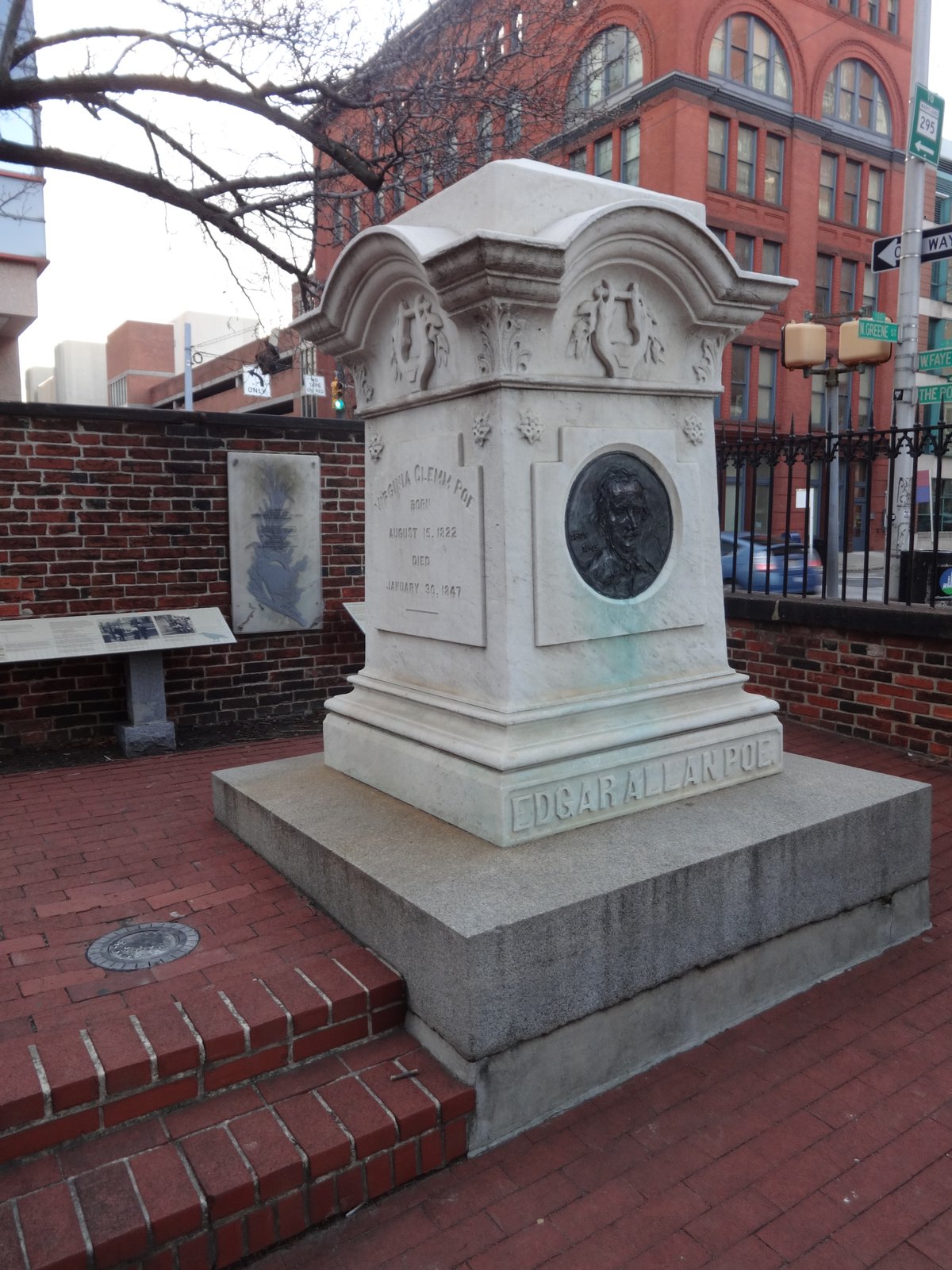
Poe died in Baltimore on October 7, 1849, after being found gravely ill several days earlier. The circumstances remain uncertain; his grave at Westminster Hall gives the city a direct, uneasy link to one of American literature’s most elusive lives.
Baltimore became an independent city, separate from Baltimore County in Maryland’s political structure. The boundary made a civic fact of a growing divide between the port metropolis and the surrounding county that still bears its name.
On April 19, a crowd attacked Union troops moving through Baltimore between President Street and Camden stations; soldiers fired back, leaving soldiers and civilians dead. Federal forces soon occupied the city, and guns on Federal Hill pointed toward downtown as Maryland’s divided loyalties became impossible to ignore.
Johns Hopkins University opened with a model of higher education that put research at the center of academic life. Its arrival strengthened Baltimore’s claim as a place of learning as well as manufacturing and commerce.
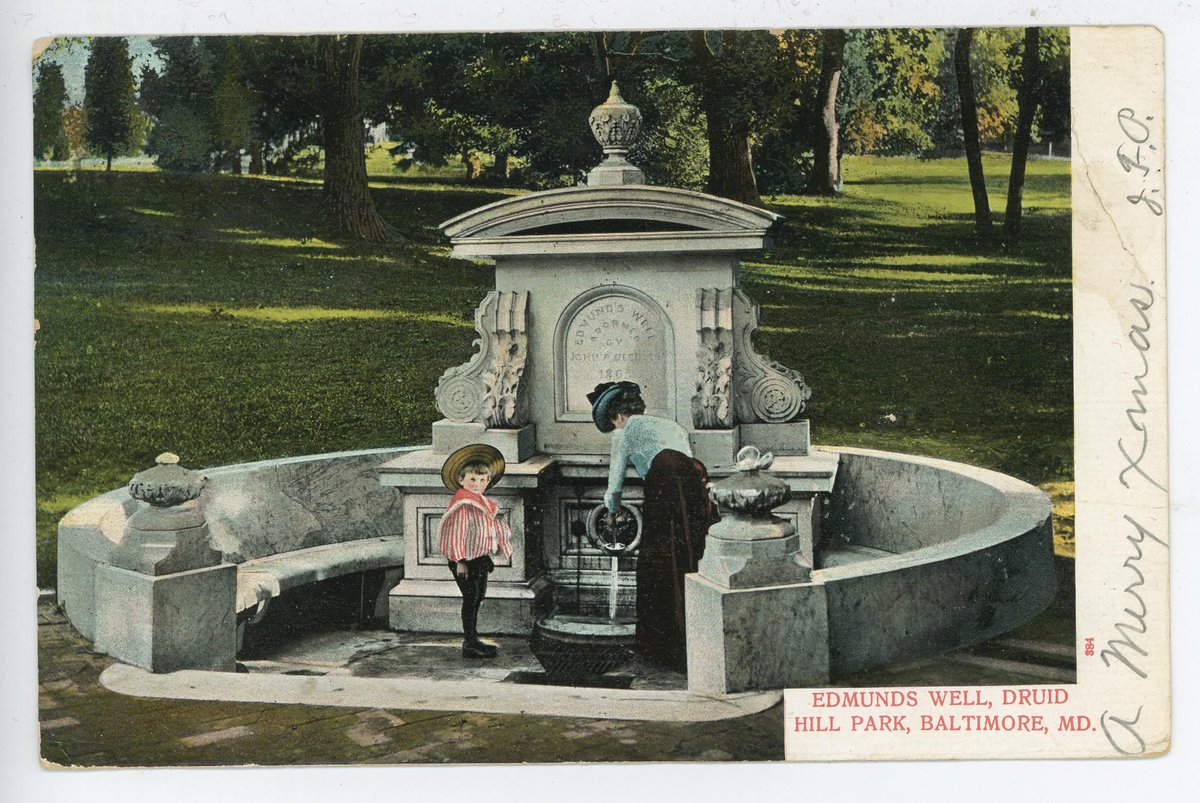
The city’s public conservatory opened in Druid Hill Park, its iron framework and glass panels sheltering plants from warmer climates. Inside, humidity softened the sound of the park outside and offered Baltimoreans a very different kind of civic architecture.
A fire that began at the John E. Hurst & Company building spread through downtown in high winds, destroying more than 1,500 buildings over roughly 140 acres. Fire engines arrived from other cities, but incompatible hose couplings kept some from connecting to Baltimore hydrants—a costly failure that pushed equipment standardization nationwide.
Thurgood Marshall was born in Baltimore, where he attended the city’s Colored High and Training School, later Frederick Douglass High School. As a young lawyer, he won the 1936 case that opened the University of Maryland School of Law to Black students, an early victory in a career that would reshape American civil rights law.
Singer Billie Holiday spent part of her childhood in Baltimore, where the city’s Black neighborhoods and music life formed the setting of her early years. Born in Philadelphia, she carried Baltimore with her as a formative home before becoming one of jazz’s defining voices.
Congress made “The Star-Spangled Banner” the national anthem, more than a century after Francis Scott Key wrote its lyrics while watching Fort McHenry. The words had become a national ritual; their origin remained anchored in one bombardment over Baltimore’s harbor.
During World War II, Baltimore’s factories, shipyards, and port worked at wartime speed, turning out ships and equipment for the Allied effort. The harbor’s cranes and industrial sheds were not scenery; they were part of the machinery that carried the war across the Atlantic.
After Martin Luther King Jr. was assassinated in April, anger and grief spilled into Baltimore’s streets amid deep racial and economic inequalities. National Guard and federal troops were sent into the city, and curfews followed; the unrest exposed wounds that redevelopment alone could not heal.
Harborplace opened in 1980, followed by the National Aquarium in 1981, as Baltimore recast part of its declining industrial waterfront for public and commercial use. The old working harbor did not vanish, but the water’s edge now drew crowds for reasons beyond shipping.
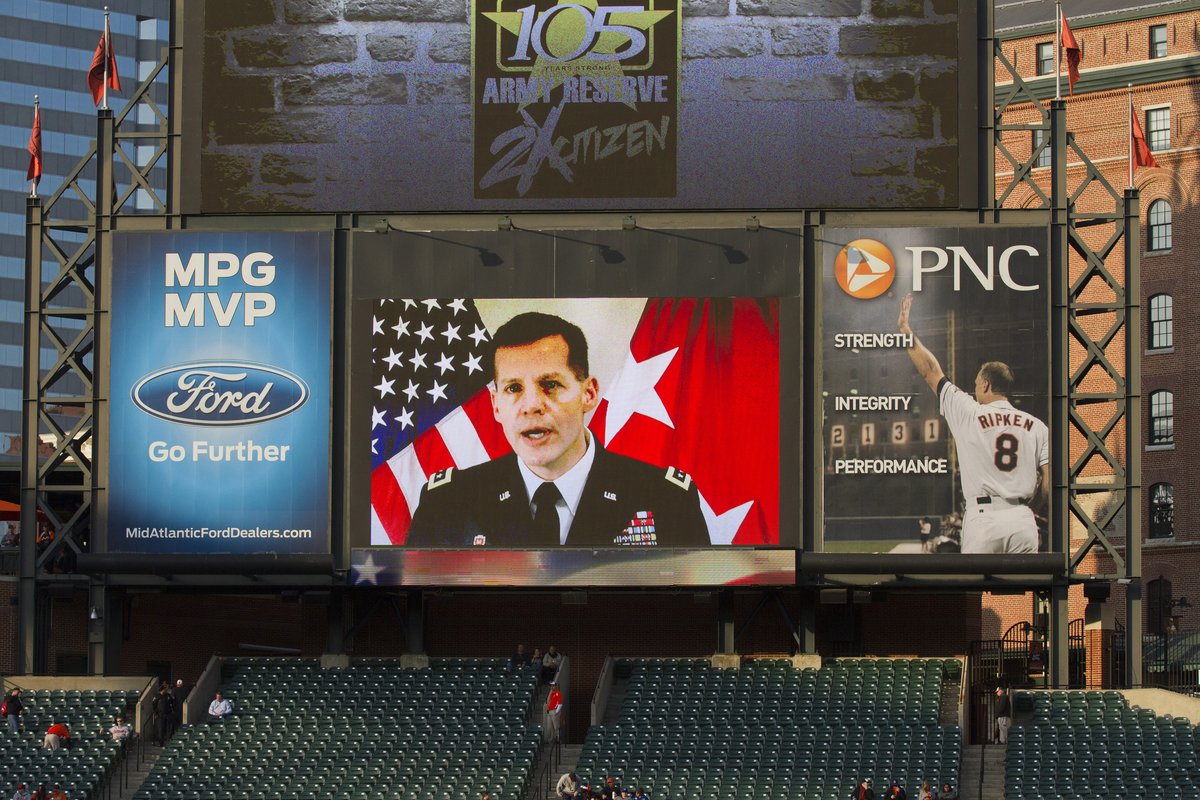
Oriole Park at Camden Yards opened beside the old B&O Railroad Warehouse, bringing the historic brick building into the stadium’s right-field boundary. Its design helped revive the urban ballpark, proving that a new sports venue could take its character from the city around it.
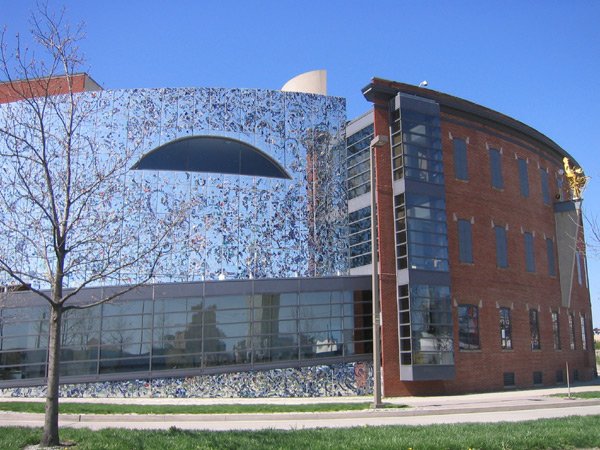
The American Visionary Art Museum opened at the foot of Federal Hill, exhibiting art made by self-taught creators outside conventional art schools and careers. Its bright, handmade visual language offered a counterpoint to the polished redevelopment nearby.
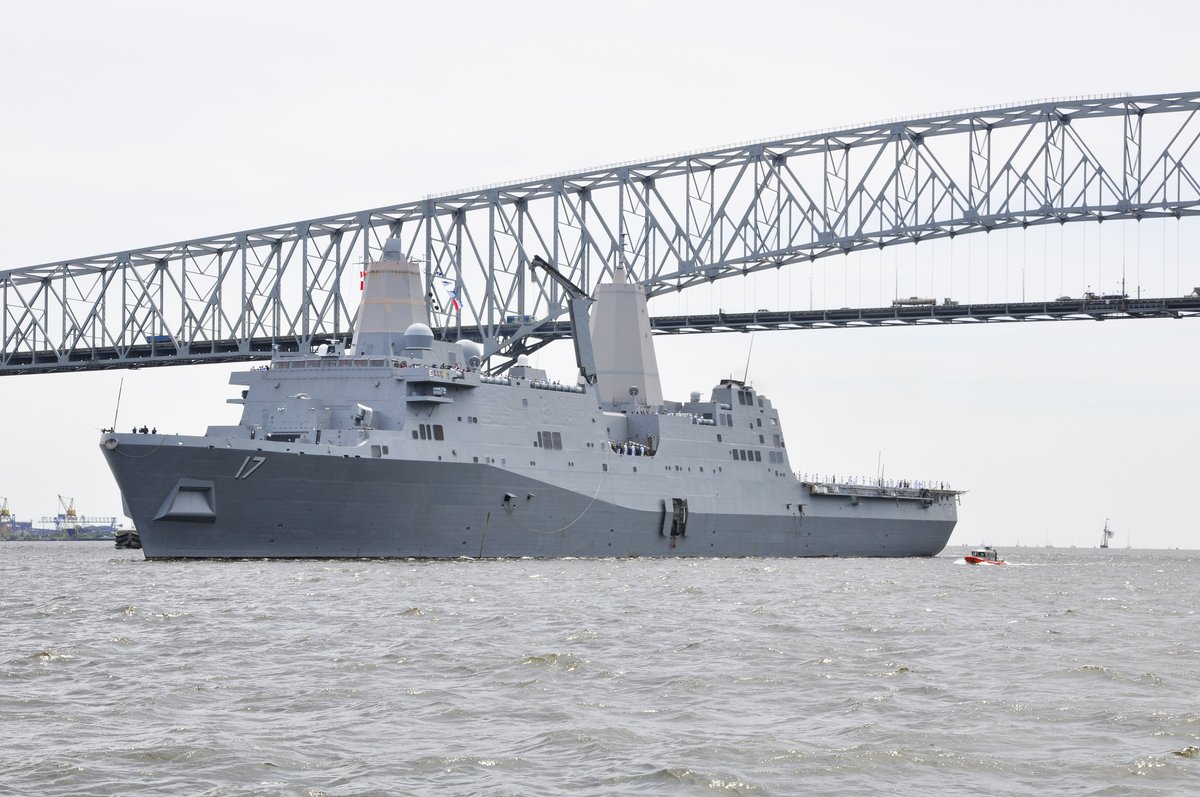
The container ship Dali struck the Francis Scott Key Bridge, bringing down much of the span and killing six road workers. The collapse closed Baltimore’s main shipping channel for weeks, making painfully clear how much the city’s old identity as a port still shapes its present.
Writer · 1809–1849
Lived and died in Baltimore
Poe spent formative years in Baltimore, where his aunt Maria Clemm became a steady presence amid his unsettled life. He died here in 1849; a visitor today might find the city’s busy, talkative streets less ghostly than the city that holds his grave.
Abolitionist and writer · 1818–1895
Lived here as an enslaved child and young man
In Baltimore, Douglass learned to read despite the efforts of those who enslaved him; in 1838, he escaped from the city. The harbor and streets that framed his early confinement are now places where his story can be read against the freedom he fought to claim.
Baseball player · 1895–1948
Born in Baltimore
Ruth was born on Emory Street in Baltimore and spent much of his childhood at St. Mary’s Industrial School. A modern Baltimore baseball crowd at Camden Yards might feel familiar to him, though the stadium’s brick design gives the game a different backdrop.
Where locals actually book dinner — not the tourist menus.
Small things that change how the city treats you.
The city, as it actually looks.




Yes, especially if you like maritime history, art, and neighborhood food traditions. The harbor’s historic ships and Fort McHenry sit alongside free art museums, old public markets, and crab houses.
Three days is a good first visit; allow four if you want to explore neighborhoods beyond the Inner Harbor. The main sights are spread across the waterfront, Mount Vernon, and areas such as Fells Point and Hampden.
Take the Light RailLink from the station outside the airport terminal; the ride downtown takes about 30–40 minutes. MARC trains reach Penn Station in roughly 15–20 minutes from the BWI Rail Station, which you reach on the airport shuttle.
The Charm City Circulator is free and serves central visitor areas, including downtown, the Inner Harbor, Mount Vernon, and Federal Hill. MTA buses, the subway, and Light RailLink cover more ground for a fare; check current routes and schedules before setting out.
Safety varies by block and time, so use busy, well-lit routes and stay alert near transit hubs. Avoid walking alone along deserted streets late at night; a rideshare is a sensible choice between evening destinations.
For a first visit, focus on established visitor areas such as the Inner Harbor, Fells Point, Federal Hill, Mount Vernon, and Canton. Travel guidance advises against wandering unfamiliar parts of West or East Baltimore, including Sandtown-Winchester and Greater Rosemont, particularly at night.
It can be budget-friendly if you make use of the free Charm City Circulator and free general admission at the Walters and Baltimore Museum of Art. Paid attractions, meals, and accommodation will shape the total, so check ticket prices and book popular dining spots ahead.
Maryland crab cakes and steamed blue crabs are the classics, often seasoned with Old Bay or a local spice blend. For a market stop, Lexington Market has operated since 1782; Faidley’s there is known for its jumbo-lump crab cake.
143 places to discover











Showing 1–48 of 143 places
Saved and recently read places — kept on this device only.
Photos may have been resized or cropped.