Origins and Evolution
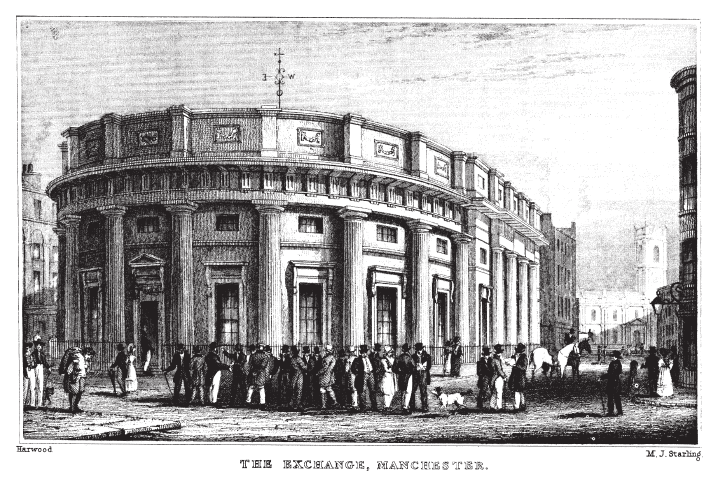
The roots of Smithfield Market Hall trace back to Manchester’s rapid urban expansion during the Industrial Revolution. The area, once farmland crisscrossed by the River Tib and rural paths, transformed into a bustling commercial hub when Smithfield Market was officially established in 1821. Initially, the market featured open-air stalls offering fresh produce, meat, and fish to support a growing population (Band on the Wall). The relocation of Manchester’s markets to the area east of Shudehill in 1820 marked a pivotal development in the city’s economic and social landscape.
Architectural Significance
The city’s acquisition of market rights in 1845 set the stage for a new era, culminating in the construction of Smithfield Market Hall in 1858. The hall’s imposing stone façade, semi-circular arches with bull’s head keystones, and expansive ironwork roof represent the best of Victorian engineering and civic pride (Manchester City Council). At its peak, the Smithfield complex covered seven acres and included purpose-built halls for meat, fish, and produce, supported by a nearby railway station for efficient goods movement.
Economic and Social Impact
Smithfield Market Hall was more than a commercial center—it was a critical social institution for Manchester. The market provided vital employment, especially during downturns in the textile industry, and fostered entrepreneurialism among local families. Pubs and taverns, like the Smithfield Market Tavern (opened 1823), catered to traders and became community landmarks (Band on the Wall).
Decline and Regeneration
The latter half of the 20th century saw the decline of traditional market operations, with the rise of supermarkets and changes in distribution. The closure of the Oldham Road Rail Station and demolition of most original buildings in the 1970s marked the end of Smithfield as a wholesale market (Manchester Evening News). However, the surviving main hall was restored and, after years of dereliction, reopened in 2017 as Mackie Mayor—becoming a flagship for heritage-led urban regeneration (Mackie Mayor Restaurants World).
Visiting Smithfield Market Hall (Mackie Mayor)
Opening Hours
- General Opening Daily, typically 9:00 AM–10:00 PM (individual vendor hours vary; check Mackie Mayor’s website for details).
- Nearby Area The Northern Quarter is accessible at all times, with shops and eateries generally open 10:00 AM–6:00 PM.
Admission and Tickets
- Entry Free. No tickets required for general visits.
- Special Events Some events or guided tours may require booking or a fee.
Accessibility
- Wheelchair Access Fully accessible, with level entrances and suitable restrooms.
- Family-Friendly Child-friendly facilities and menu options are available.
- Dietary Needs Vendors offer vegetarian, vegan, and gluten-free choices.
Getting There
- By Train Manchester Victoria station (5-minute walk).
- By Tram Market Street stop nearby.
- By Bus Multiple routes serve the Northern Quarter.
- Parking Limited street parking and nearby car parks; public transport is strongly advised.
Best Times to Visit
- Lively Atmosphere Evenings and weekends.
- Quieter Experience Weekday afternoons.
What to Expect: Experience & Atmosphere
Social Experience
The open-plan interior and communal tables encourage visitors to interact and sample dishes from a variety of independent food vendors. Mackie Mayor is ideal for group gatherings, family outings, or solo adventures, with its vibrant, inclusive atmosphere reflecting Manchester’s community spirit (Secret Manchester).
Culinary Highlights
Mackie Mayor hosts a rotating roster of local independent vendors offering:
- Rotisserie and grill dishes
- Fresh seafood and modern fish & chips
- Wood-fired pizzas
- Asian-inspired street food
- Gourmet and plant-based burgers
- Artisanal desserts and specialty coffees
Craft beers, curated wines, and a selection of cocktails complement the food offerings (DesignMyNight).
Events and Culture
The hall regularly features live music, pop-up art installations, and special food festivals, enhancing its reputation as a creative cultural hub (Mackie Mayor Restaurants World). It is also a focal point during citywide events such as Manchester International Festival.
Architectural Features
- Victorian Stone Façade Semi-circular arches with bull’s head carvings and symmetrical fenestration (Manchester City Council).
- Ironwork Roof Large-span trusses allow for a column-free, naturally lit interior (Wikipedia).
- Restored Details Exposed brickwork, wrought-iron beams, and preserved classical motifs.
- Adaptive Reuse Sensitive modernization respects the building’s heritage while supporting contemporary needs (Time Out Manchester).
Nearby Historical Attractions
- Northern Quarter Renowned for independent boutiques, record shops, and vibrant street art.
- Manchester Cathedral A short walk away, featuring Gothic architecture.
- The John Rylands Library An architectural gem founded by a leading figure from Smithfield’s trading community.
- Afflecks Palace Alternative shopping and creative hub.
- Craft Village Housed in a former Smithfield market building, now home to local artisans.
Practical Visitor Tips
- Arrive Early Especially on weekends or for group seating.
- Explore Multiple Vendors Mix and match dishes for a full culinary experience.
- Stay Updated Follow Mackie Mayor’s official site and social media for event news.
- Accessibility Step-free access and family-friendly amenities.
- Cashless Payments Most vendors accept cards and contactless payments.
Frequently Asked Questions (FAQs)
Q: Is Mackie Mayor wheelchair accessible?
A: Yes, the venue is fully accessible.
Q: Do I need tickets to enter?
A: No, entry is free except for certain events or tours.
Q: Is the venue family-friendly?
A: Yes, with high chairs and kid-friendly food options.
Q: Are pets allowed?
A: Only service animals are permitted.
Q: Can I reserve a table?
A: Reservations are accepted for larger groups; otherwise, seating is generally first-come, first-served.
Legacy and Contemporary Significance
Smithfield Market Hall’s transformation into Mackie Mayor is a model of successful heritage preservation and urban regeneration. It stands as a testament to Manchester’s resilience, supporting local enterprise and fostering a sense of community in a space that honors its storied past. The hall’s continued relevance is ensured by its ability to adapt, innovate, and serve as a focal point for both residents and visitors.
For more on its architectural status and conservation, see the Smithfield Conservation Area and Wikipedia.
Plan Your Visit
Experience the best of Manchester’s history, architecture, and food culture at Smithfield Market Hall. Download the Audiala app for curated walking tours, event updates, and exclusive content. For further inspiration, explore related articles on Manchester’s historic sites and follow us on social media to stay connected.