
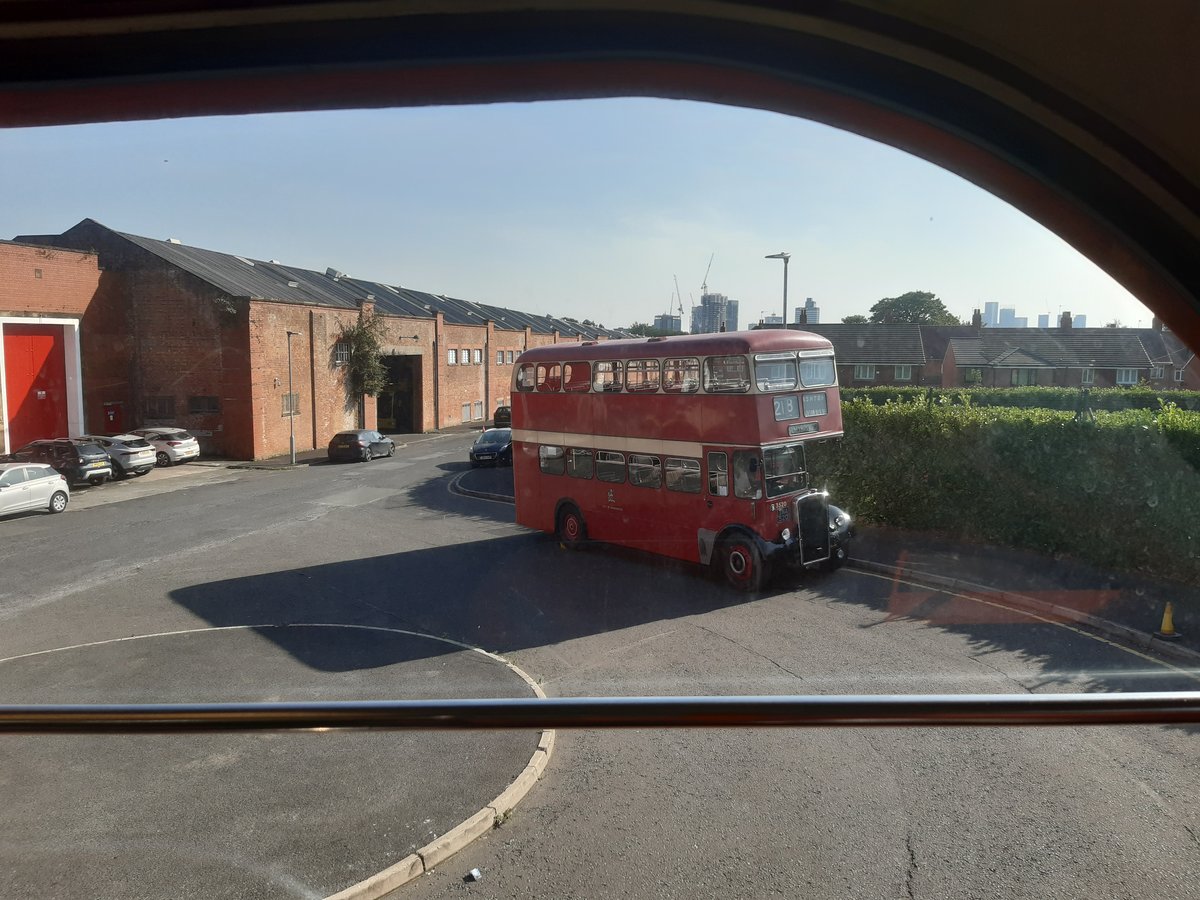
History and Cultural Significance
The origins of Greater Manchester’s transport network are closely tied to its industrial growth and urban expansion. The region was home to several world firsts: the Bridgewater Canal (1761), the first regular horse bus service (1824), and the Liverpool and Manchester Railway (1830), which pioneered public passenger rail travel (motgm.uk; Britain Visitor). John Greenwood’s 1824 bus service between Pendleton and Manchester predated similar services in London and set a standard for urban mobility (Manchester Evening News).
Established in 1977 and opened to the public in 1979, the Museum of Transport Greater Manchester was founded to preserve this rich legacy, especially as modernization threatened many historic vehicles and structures. The museum is operated by the Greater Manchester Transport Society (GMTS), a volunteer-run charity, in partnership with Transport for Greater Manchester (motgm.uk; Wikipedia).
The museum’s location—a 1928 bus depot and a 1901 tram shed—reflects the architectural and operational history of public transport in the city. The building complex itself is of historical importance, earning Grade II listed status in 1988 (Wikipedia).
Location and How to Get There
Address: Museum of Transport, Boyle Street, Cheetham, Manchester, M8 8UW
By Public Transport
- Bus Numerous routes connect the museum with Manchester City Centre and surrounding areas. The recommended stop is Cheetham, Queens Road (Good Journey).
- Tram The nearest Metrolink stop is Queen’s Road (Yellow and Green lines), about a 10-minute walk from the museum (Good Journey).
- Train Manchester Piccadilly and Victoria are the nearest mainline stations. From there, you can use the tram or walk.
- Cycling The museum is accessible via National Cycle Routes 6, 55, 60, and 66. Secure cycle parking is available (Good Journey).
By Car
Limited parking is available on-site and nearby. During special events, public transport is strongly recommended due to parking demand.
Visiting Hours and Ticket Information
- Standard Opening Hours Typically open Sundays from 11:00 am to 4:00 pm. Hours may extend or change during school holidays and special events; always check the official museum website before your visit.
- Admission Fees (Subject to change; check the latest prices):
- Adults: ~£7.00–£7.50
- Concessions (seniors, students): ~£5.00–£5.50
- Children (under 16): ~£3.00
- Family (2 adults + up to 3 children): ~£18.00
Children under 16 often go free during some events. Heritage bus rides are included on certain special weekends. Tickets can be purchased online or at the entrance.
- Group Visits Educational and group tours can be booked in advance via the museum website.
Accessibility and Visitor Facilities
- Wheelchair Access Step-free access is available to most galleries and restrooms, though some historic vehicles may be inaccessible.
- Assistance Assistance dogs are welcome. Staff can provide further support for visitors with disabilities; contact the museum in advance for specific needs.
- Parking Limited on-site accessible parking.
- Amenities On-site 1950s-themed tea room, museum shop, accessible toilets, and baby changing facilities.
Highlights of the Collection
The Museum of Transport Greater Manchester houses over 70 historic vehicles and a rich array of artifacts detailing the evolution of public transport in the region (Wikipedia; WhichMuseum).
Key Collection Features
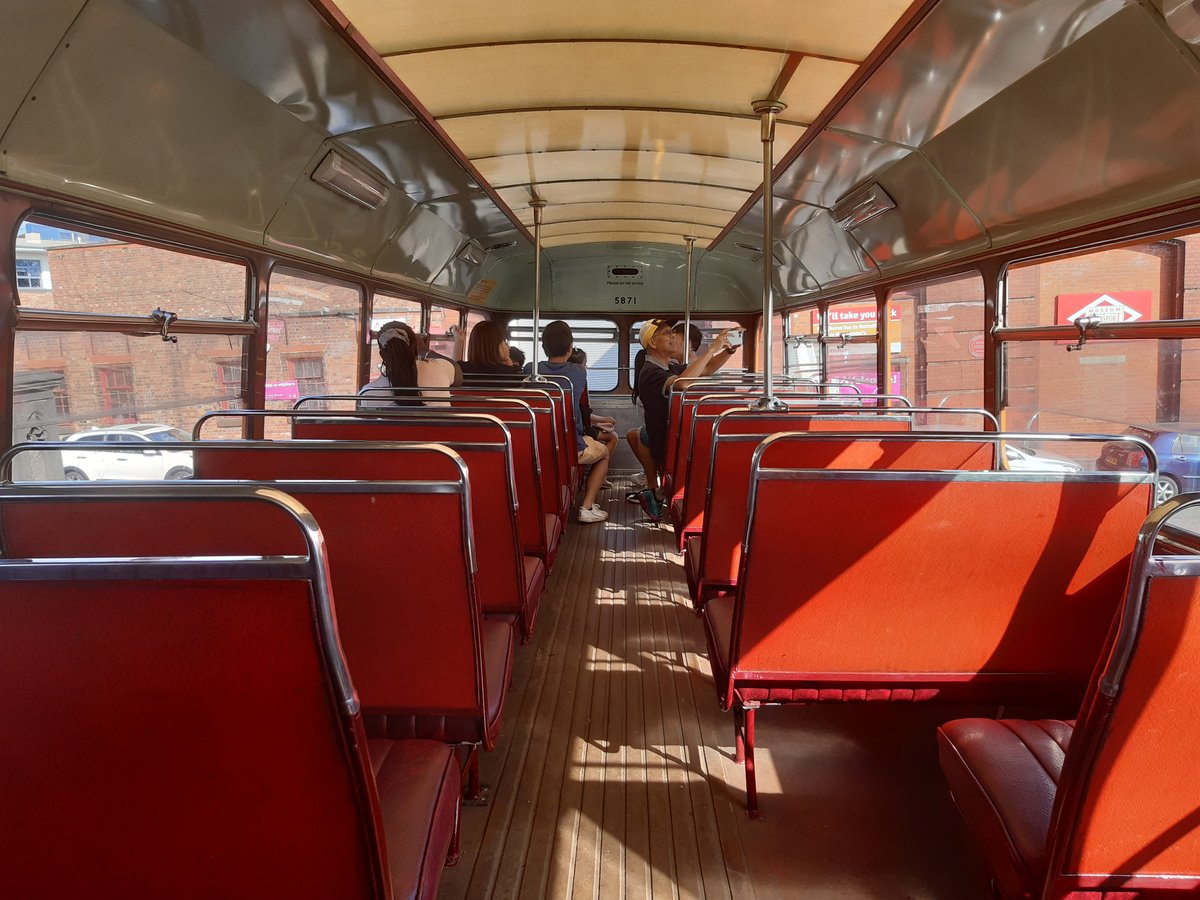
- Vintage Buses & Coaches From Victorian horse-drawn and early motor buses to iconic double-deckers of the 1950s and 1960s.
- Trams & Trolleybuses Including a partly restored 1906 open-top tram, rare trolleybuses, and the prototype body of a Manchester Metrolink tram (Manchester Histories).
- Ephemera Tickets, fare collection equipment, uniforms, posters, maps, and technical manuals.
- Period Interiors Original bus garage offices, a coach trip booking office, and recreated vintage street furniture.
- Photographic Archives Thousands of historical images and documents available for research and public viewing (Kids Kiddle).
Interactive Experiences
On select weekends, visitors can enjoy heritage bus rides, hands-on exhibits, and themed family activities. Restoration work is often visible, allowing insight into vehicle preservation (Britain Visitor).
Special Events and Community Engagement
The museum regularly hosts special events, including:
- Heritage Bus Days Ride historic buses between the museum and key city locations.
- Anniversary Festivals Such as the 200th anniversary of Greater Manchester’s first bus service (Manchester Evening News).
- Themed Exhibitions Covering technological milestones or social history.
- Family Activities Hands-on workshops, guided tours, and interactive displays.
Community involvement and volunteerism are central to the museum’s mission, with local enthusiasts supporting restoration and educational programs (Museum of Transport, Greater Manchester).
Nearby Attractions
Enhance your visit by exploring other Manchester highlights:
- Science and Industry Museum
- Heaton Park Tramway
- National Football Museum
- Manchester Art Gallery
The museum’s atmospheric setting and restored vehicles also make it a popular spot for photography.
Visitor Tips & FAQs
Q: What are the museum’s regular opening times?
A: Usually Sundays 11:00 am to 4:00 pm. Check the official website for any changes.
Q: Are tickets required?
A: Yes. Purchase online or at the entrance; discounts are available for children, concessions, and families.
Q: Is the museum wheelchair accessible?
A: Most areas are, though some historic vehicles may not be accessible.
Q: Can I take photographs?
A: Generally yes, but check for any restrictions during events.
Q: Are guided tours available?
A: Yes, for groups and educational visits—advance booking recommended.
Q: How do I get there by public transport?
A: Bus and tram (Queen’s Road Metrolink stop) are the best options.
Q: What amenities are available?
A: Tea room, shop, accessible toilets, and baby changing facilities.