Origins and Historical Context
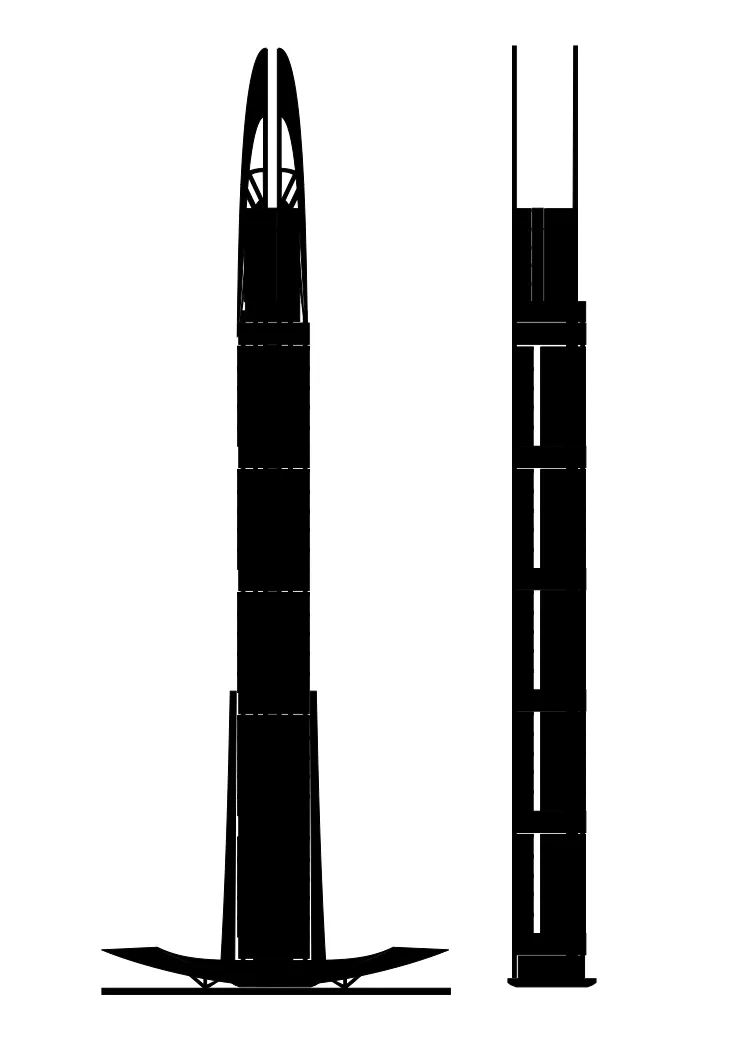
Nakheel Tower, also known as Nakheel Harbour & Tower, was conceptualized as Dubai’s answer to the world's tallest buildings, intending to exceed 1,000 meters and become a landmark visible across the city (e-architect). Announced during Dubai's economic boom in the mid-2000s, the project symbolized the emirate’s rapid urbanization, population growth, and status as a global center for business and tourism. Nakheel Properties, also known for Palm Jumeirah, envisioned the tower as the centerpiece of a new, integrated city district.
Architectural Vision and Design
Inspiration from Islamic Tradition
The Nakheel Tower’s design, led by Woods Bagot, drew on Islamic geometric patterns to reflect Middle Eastern heritage while embracing modernity (e-architect). The structure was planned as four interconnected towers arranged around a central void, joined by sky bridges, creating a unique silhouette and reinforcing community-centric design.
Structural Innovation
Engineering solutions for the planned 1,000+ meter height included aerodynamic forms and sky bridges to manage wind loads and enhance stability. The tower’s core and interconnected towers allowed for efficient vertical transport and emergency evacuation—essential at such unprecedented heights (CTBUH).
Mixed-Use Urbanism
The Nakheel Harbour & Tower masterplan integrated luxury residences, offices, hotels, retail, and cultural spaces. Prioritizing walkability and public transport, the project included metro, bus, and water links, as well as parks, promenades, and canal walks (e-architect).
Symbolism and Cultural Significance
The Nakheel Tower was designed to be a “monument dedicated to past, present, and future generations of the Gulf,” symbolizing Dubai’s ambition, heritage, and identity. Its design incorporated Islamic art and community spaces, positioning the tower as both a modern icon and a reflection of local culture (e-architect).
Engineering and Sustainability
Advanced Engineering
The tower’s four interconnected shafts and sky bridges were engineered to disperse wind forces and ensure structural integrity. Innovations included aerodynamic slots, sky lobbies, and over 150 elevators—essential for a vertical city (CTBUH).
Sustainable Urban Planning
The masterplan emphasized sustainability: walkable neighborhoods, green spaces, extensive public transport, and reduced reliance on cars. Water features and landscaping aimed to create a pleasant, healthy urban environment (e-architect).
Current Status of Nakheel Tower
Nakheel Tower remains unbuilt, with construction halted in 2009 after the global financial crisis. The site has not been revived, and there are no plans for completion (Dubai Land Department). Visitors interested in Dubai’s architectural history can find information in exhibitions, publications, and online resources.
Related Nakheel Projects and Attractions
While Nakheel Tower itself is inaccessible, Nakheel’s completed developments offer rich experiences:
- Palm Jumeirah Iconic man-made island, home to luxury hotels, residences, dining, and The View at The Palm.
- Palm Jebel Ali and Dubai Islands Ongoing and planned projects, expanding Nakheel’s vision for luxury waterfront living.
- Nakheel Mall A major retail and entertainment hub beneath The Palm Tower (Dubai Travel Guide).
Nakheel Tower vs. Palm Tower: Visiting Hours, Tickets, and Dubai’s Iconic Landmarks
| Feature | Nakheel Tower (Planned) | Palm Tower (Completed) |
|---|---|---|
| Height | 1,000+ m (200+ floors) | 240 m (52 floors) |
| Status | Unbuilt | Completed and open |
| Function | Mixed-use (residential, hotel, office) | Residential, hotel, retail, pool |
| Public Access | None | Observation deck, pool, mall |
| Signature Attraction | Would-be tallest tower | The View at The Palm, Aura SkyPool |
| Developer | Nakheel | Nakheel |
| Location | Dubai Waterfront | Palm Jumeirah |
Palm Tower Visitor Information
-
The View at The Palm 52nd floor observation deck with 360° views.
- Hours 10:00 AM – 10:00 PM daily (Nakheel)
- Tickets AED 75–100 for adults, bookable online or on-site (Dubai Experience)
- Accessibility Wheelchair accessible, with assistance available
-
Aura SkyPool 50th floor, world’s highest 360° infinity pool (advance reservations advised)
-
Dining SUSHISAMBA on the 51st floor, plus various restaurants in Nakheel Mall
-
Getting There Palm Monorail (Nakheel Mall station), taxi, or car (ample parking at Nakheel Mall)
Practical Travel Tips and Visitor Information
Essential Tips
- Book tickets for The View at The Palm in advance, especially during peak periods (The View at The Palm).
- Dress modestly in public areas, with swimwear reserved for pool zones.
- Hydrate and use sun protection when exploring outdoor areas.
- English is widely spoken; basic Arabic greetings are appreciated.
- Credit cards accepted, but carry some AED cash for convenience.
Accessibility and Amenities
- Elevators, ramps, and accessible restrooms throughout The Palm Tower and Nakheel Mall
- Complimentary Wi-Fi, clean restrooms, and family facilities
- Security, health, and sanitization protocols maintained at all times (AM Global)
Frequently Asked Questions (FAQ)
Q: Can I visit Nakheel Tower or buy tickets?
A: Nakheel Tower is unbuilt and has no visitor access or tickets.
Q: What are the hours for The View at The Palm?
A: Daily, 10:00 AM – 10:00 PM (check for holiday variations).
Q: How do I book tickets for The Palm Tower?
A: Book online via the official website or buy on-site (The View at The Palm).
Q: Is The Palm Tower accessible for people with disabilities?
A: Yes, with full accessibility features.
Q: What’s the best time to visit Palm Jumeirah?
A: November–March for cooler weather.