
Roman Origins and Early Development
Solothurn, known as Salodurum in the 1st century AD, was founded by the Romans and served as a significant military and administrative center. Strategically located at the approach to the Rhine from the southwest, the town's medieval expansion grew around the remains of the Roman castrum and an 8th-century house of secular canons in honor of St. Ursus (Britannica).
Medieval and Renaissance Periods
From 1127 to 1218, Solothurn was under the jurisdiction of the dukes of Zähringen. Afterward, it became a free imperial city and allied with Bern in 1295, leading to its association with the Swiss Confederation. The town's involvement in the Battle of Sempach in 1382 and the treaty of 1394 solidified its place within the Confederation (Britannica).
Architectural Heritage
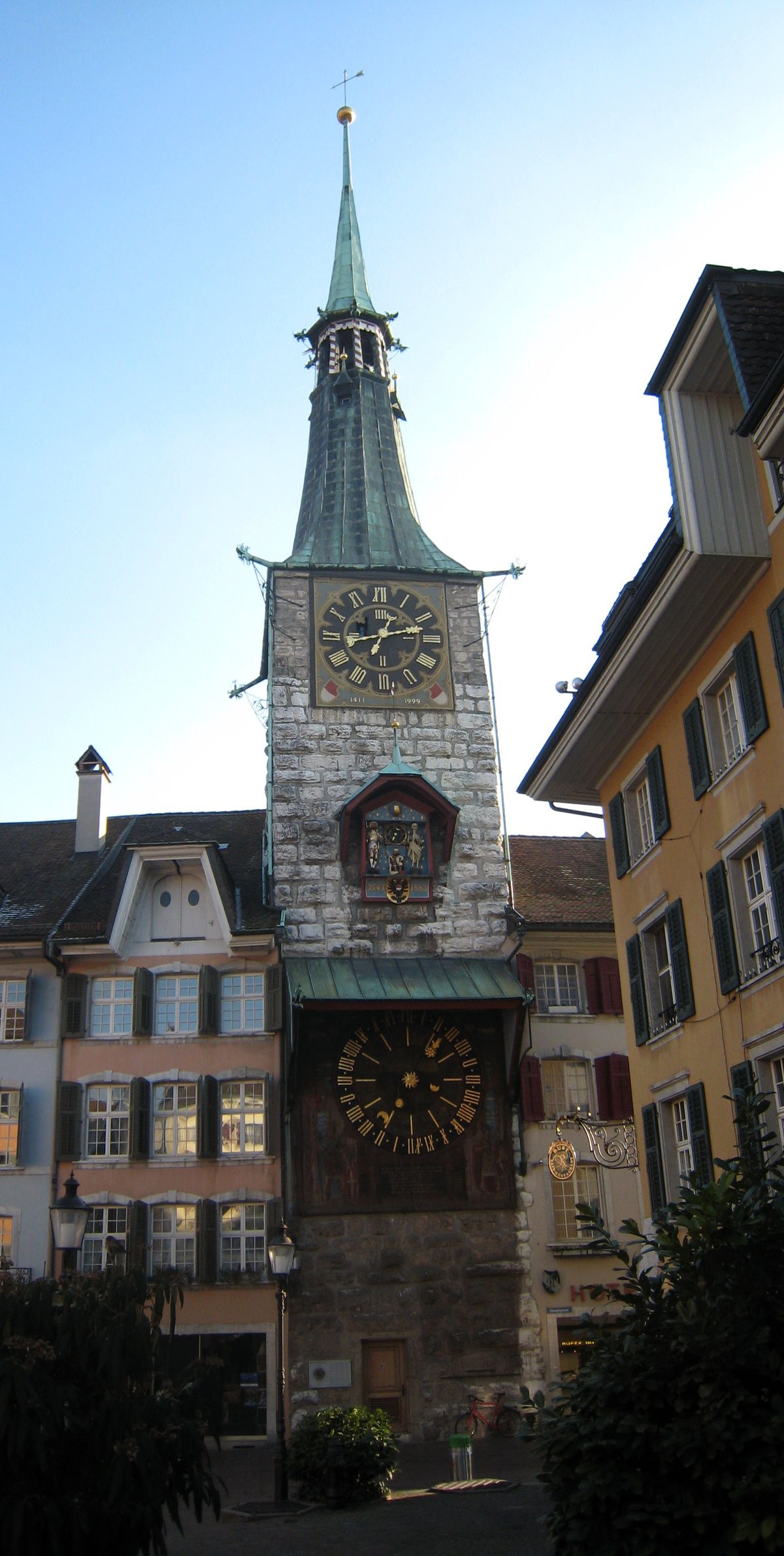
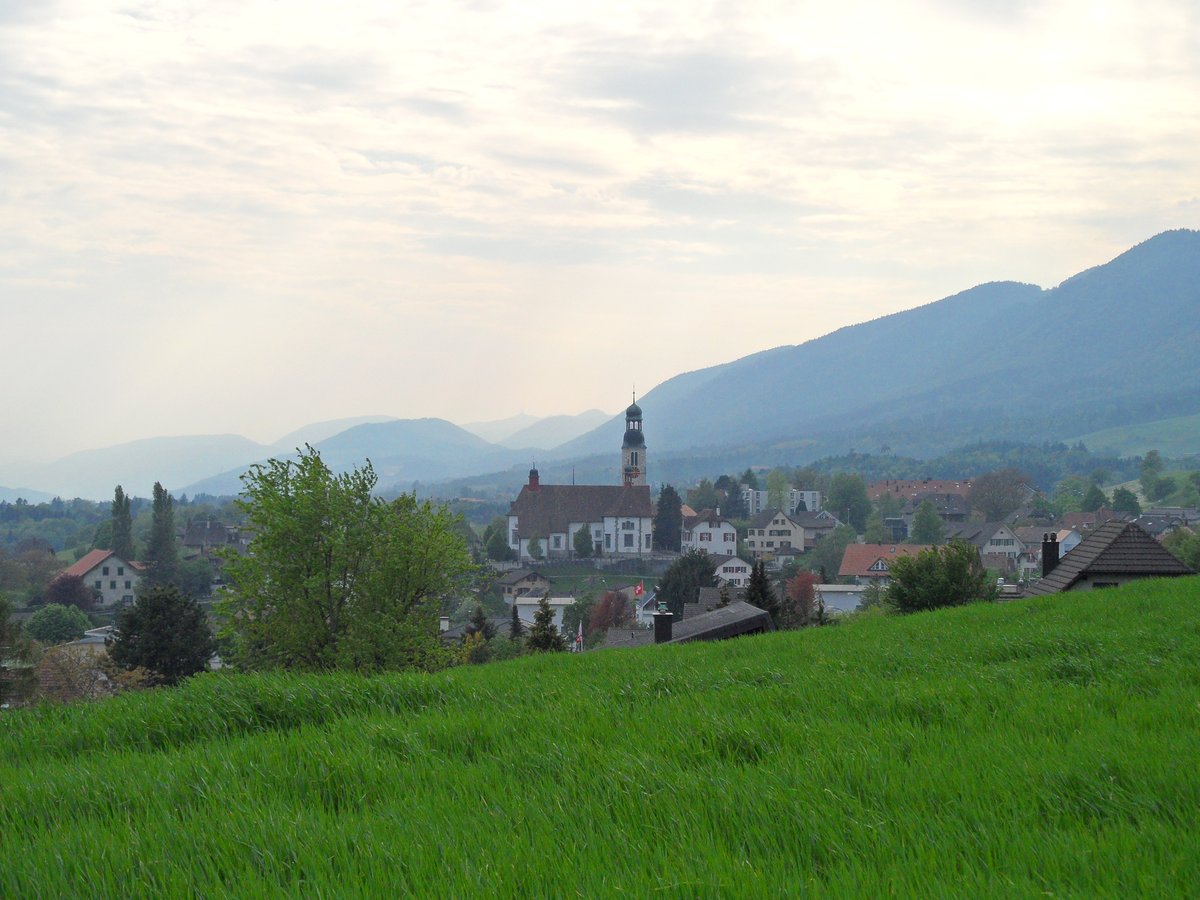
Solothurn boasts stunning Baroque architecture, with landmarks including the Cathedral of St. Ursus, the Jesuit church, the Clock Tower (Zeitglockenturm), the 15th-century town hall, and the Zeughaus, which houses Switzerland’s finest collection of armor and old weapons (Britannica).
Saurierweg: A Journey Through Time
Geological Significance
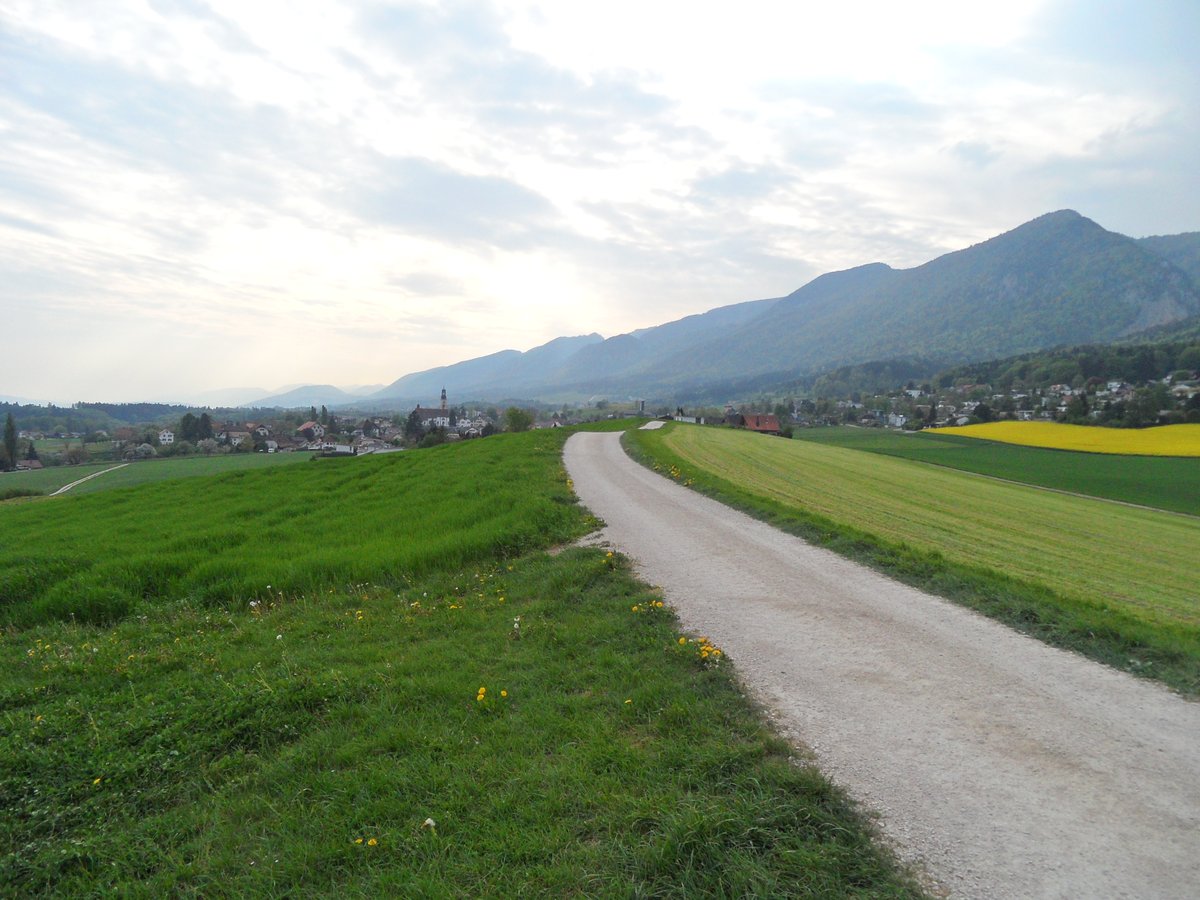
The Jura Mountains' limestone formations date back to the Jurassic period, preserving a wealth of fossils. The Saurierweg trail takes visitors through various geological layers, each representing a different period in Earth's history (Swiss Glorious).
Paleontological Discoveries
Discoveries along the Saurierweg include dinosaur footprints and fossils, offering valuable information about the region's prehistoric inhabitants. These well-preserved footprints allow visitors to walk in the footsteps of dinosaurs, connecting them to the distant past (Swiss Glorious).
Visitor Information
Visiting Hours
The Saurierweg is open year-round, but it is advisable to check the local weather conditions before planning your visit. Guided tours are available by appointment.
Tickets
Entry to the Saurierweg is free. However, guided tours may have associated fees.
Travel Tips
Wear comfortable walking shoes and bring water, especially during the summer months. A map or guidebook can enhance your experience.
Nearby Attractions
Combine your visit to the Saurierweg with a tour of Solothurn's historic Old Town, featuring Baroque architecture, the St. Ursen Cathedral, and the Clock Tower. Nearby attractions include the Verena Gorge Hermitage and the Weissenstein Mountain, offering stunning views of the Swiss Alps.
Accessibility
The trail is designed to be accessible to people of all ages and fitness levels. Information boards along the trail provide detailed explanations, making it an excellent learning experience for families, school groups, and tourists.
Special Events and Guided Tours
The Saurierweg hosts special events and guided tours throughout the year, enhancing the visitor experience. Check the official website for upcoming events and tour schedules.
Photographic Spots
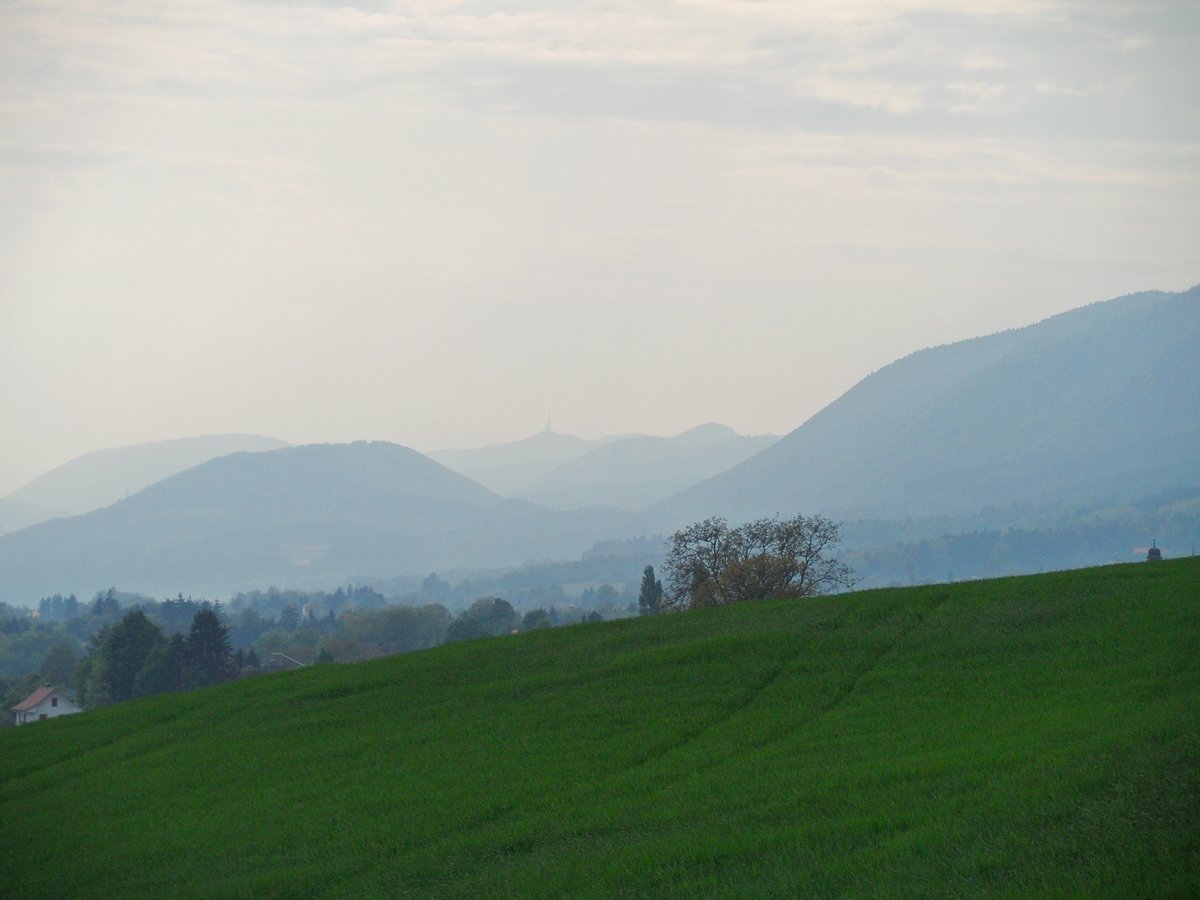
Capture stunning photos of the Jura Mountains' landscapes and the well-preserved dinosaur footprints. The trail offers numerous photographic spots that highlight the region's natural beauty.
Preservation and Sustainability
Local authorities and volunteers maintain the Saurierweg, promoting sustainable tourism practices to protect the fossils and geological features. Visitors are encouraged to act responsibly and help preserve the area's natural heritage (Solothurn City).
FAQ
Q: Are there any guided tours available?
A: Yes, guided tours are available by appointment. Check the official website for details.
Q: Is the Saurierweg suitable for children?
A: Absolutely! The trail is designed to be accessible and educational for visitors of all ages.
Q: What should I bring when visiting the Saurierweg?
A: Wear comfortable walking shoes and bring water, especially during the summer.