Early Origins and Rural Beginnings (18th–19th Centuries)
The origins of Place de la Sallaz date to the late 18th century, when the plateau was parceled and sold following the bankruptcy of the châtelain of La Tour-de-Peilz. New owners established rural homes, forming a hamlet characterized by agricultural activity and relative isolation from Lausanne’s urban center. By the early 19th century, the area featured a forge, an inn, and a handful of houses, remaining peripheral even as major infrastructure projects reshaped the city.
Growth and Community Formation (Late 19th–Early 20th Centuries)
By the late 19th century, Place de la Sallaz had developed into a modest community of about 330 inhabitants in 32 houses, mainly engaged in agriculture and market gardening. Urban amenities arrived gradually: gas lighting in 1896, a relocated post office in 1905, and a new school class in 1903. These developments signaled the area’s growing importance within Lausanne.
Urbanization and Modernization (20th Century)
The 20th century brought significant transformation. Improved connectivity arrived with the A9 motorway’s Vennes exit in 1964 and the development of surrounding neighborhoods. Cultural and educational landmarks, including cinema Le Colisée (1934) and the Maison de la radio (1935), contributed to the area’s vibrancy, alongside new schools and residential complexes.
Urban Redevelopment and Contemporary Challenges (21st Century)
In the 21st century, Place de la Sallaz underwent major urban renewal, including the addition of a commercial pavilion, public art, and a belvedere overlooking the Flon valley. A 72-meter pedestrian and bicycle bridge (2013) now connects the metro station to Bois de Sauvabelin. While these changes have revitalized the area, they have also prompted public debate about heritage preservation and green space, with local groups advocating for balanced development (absa.ch).
Practical Visitor Information
Visiting Hours
- Square Access Place de la Sallaz is open 24/7, year-round.
- Market Hours Weekly market every Thursday from 15:00 to 19:00.
- Shops/Cafés Typically open 08:00–19:00 on weekdays, with reduced hours on weekends.
Tickets and Entry Fees
- Public Access Free—no entry fee or ticket required.
- Cultural Venues Some nearby venues (e.g., cinema Le Colisée) may charge admission.
Accessibility
- Fully accessible for visitors with reduced mobility.
- The metro station includes elevators and ramps.
- Flat, open square with well-maintained sidewalks and tactile paving.
Guided Tours and Visitor Tips
- Join guided walking tours of Lausanne that include Place de la Sallaz for historical insights.
- Best visiting times: Spring and autumn for mild weather and photogenic foliage.
- For up-to-date transport and event info, download the Audiala app.
Nearby Attractions
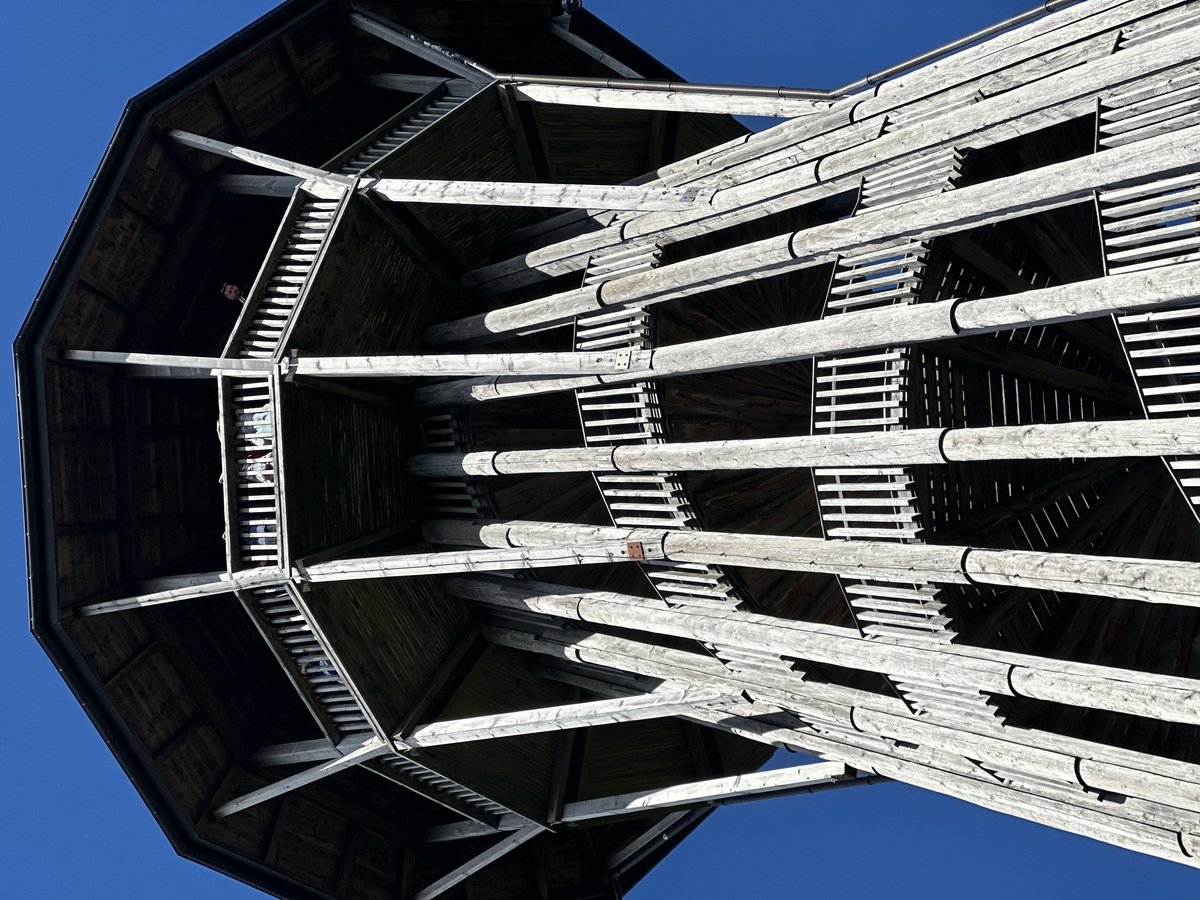
- Bois de Sauvabelin Forest park with panoramic tower, accessible via pedestrian bridge.
- Lausanne Cathedral Historic landmark in the Old Town, a short metro ride away.
- Parc de l’Hermitage Scenic park with city and lake views.
Urban and Cultural Significance
Urban Gateway and Architectural Landmarks
Place de la Sallaz marks a strategic transition between Lausanne’s city center and northern residential districts. The Tour de la Sallaz, a prominent residential tower, anchors the square and symbolizes the area’s modern architectural identity (dp-architectes.ch).
Urban Renewal and Mixed-Use Development
Recent redevelopment (2011–2016) introduced commercial centers, offices, and new housing, creating a vibrant, mixed-use community hub. Modern landscaping and design elements support Lausanne’s sustainable urban vision, balancing functionality and aesthetics (absa.ch).
Market Traditions and Community Life
Place de la Sallaz maintains a lively neighborhood market every Thursday afternoon, with stalls offering fresh produce, cheese, charcuterie, and regional specialties (lausanne.ch). Local shops—bakeries, butchers, grocers—contribute to an authentic Swiss atmosphere. Community events, seasonal markets, and pop-up festivals further enrich the social scene.
Transport and Connectivity
Public Transportation
- Metro Lausanne Metro M2 line stops directly at “Sallaz,” linking to city center and lakefront.
- Bus Multiple lines (tl 6, 41, 42, 65, 75) serve the square for citywide access.
- Travel Passes Hotel guests receive the Lausanne Transport Card; Mobilis day passes available for visitors (lausanne-tourisme.ch).
Car Access and Parking
- Parking de la Sallaz Secure underground parking at Place de la Sallaz 5. Automated payment, monthly subscriptions available, and a CHF 50 fee for lost cards (PMS Parkings).
Visitor Experience
Local Amenities and Services
- Supermarkets Migros and Coop adjacent to the square.
- Pharmacy, post office, optician, kiosk All within immediate reach.
- Library Bibliothèque de la Sallaz offers study spaces, a reading café, and public Wi-Fi.
Food and Drink Options
- Variety of cafés, bakeries, and restaurants—Swiss and international cuisine.
- Outdoor seating is common in warmer months.
Market Days and Events
- Weekly market Thursday afternoons, 15:00–19:00.
- Seasonal events Holiday markets, community festivals, and pop-up stalls throughout the year.
Best Times to Visit and Travel Tips
- Market day Thursday afternoons for the liveliest local experience.
- Weekdays (mornings) Quieter for exploring shops and cafés.
- Spring/summer Pleasant for outdoor dining and photography.
- Weather Temperate climate; summers are warm (up to 25°C), winters are mild with occasional snow (seekinplaces.com).
FAQs
Q: Are there entry fees to visit Place de la Sallaz?
A: No, the square is open to the public free of charge.
Q: What is the best way to reach Place de la Sallaz?
A: Via the M2 metro line or multiple bus routes. Parking is available for drivers.
Q: Is the square accessible for visitors with disabilities?
A: Yes, all key areas and the metro station are fully accessible.
Q: When is the weekly market held?
A: Every Thursday from 15:00 to 19:00.
Q: Are guided tours available?
A: Lausanne city walking tours often include Place de la Sallaz.
Q: Can I use credit cards at the market?
A: Some vendors accept cards, but cash (Swiss francs) is recommended.
Visuals and Media
For maps, photos, and virtual tours, visit the Lausanne Tourism website or check digital information panels at the metro entrance.