


Place
Lausanne
Switzerland Updated May 2026
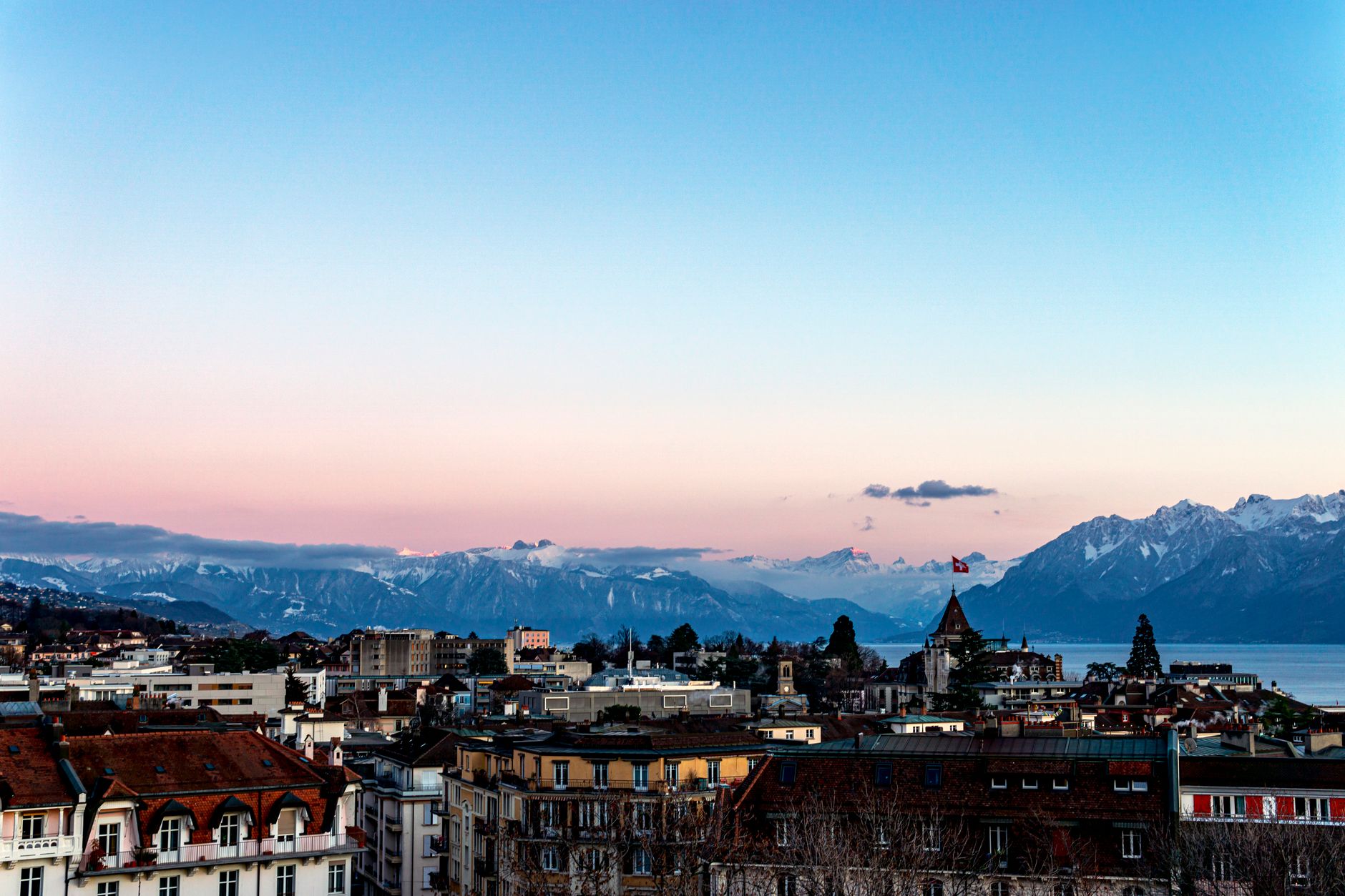
The night watchman still calls the hour from the cathedral tower in Lausanne, every hour from ten until two in the morning, exactly as someone has done for more than six centuries. It is the kind of detail that tells you what kind of Swiss city this is. Not Zurich's banking precision, not Geneva's diplomatic gloss. A French-speaking hill town that climbs 500 meters from the shore of Lake Geneva to the upper old town, where Olympic bureaucrats share espresso bars with EPFL physicists and Lavaux winemakers carrying crates of Chasselas.
 Photo: Hugo Sykes / Pexels
- Attractions
- 15
- Audio
- 5 h 18 min
- Trip length
- 2-3 days
- Best season
- Late spring (April–June) and September
Why Lausanne
Built from cited sources · see the method · How we make our guides →
The geography forces the city to invent itself. Three hills, two filled-in river valleys, and Switzerland's only true underground metro — the m2 — hauling passengers up gradients steep enough that Jean-Luc Godard once joked the women of Lausanne had the best legs in the world. Bridges stack on bridges here. The Grand-Pont of 1844 has a buried lower tier of arches under the Flon district, sealed in when the valley was filled. You walk over a forgotten city without knowing it.
Culture punches well above the population of 140,000. The International Olympic Committee has been headquartered here since 1915, the Béjart Ballet calls it home, and Plateforme 10 — three museums folded into a former locomotive depot near the station — has rewired the city's cultural center of gravity since 2019. Add the Collection de l'Art Brut, Jean Dubuffet's collection of work by self-taught and institutionalized artists, and Lausanne starts to feel less like a small Swiss capital and more like a laboratory.
Then there is the lake. Ouchy, the lakeside district, spreads its quays and gardens below the upper town like a separate kingdom, with paddle steamers from the Belle Époque still crossing to Évian on the French side. Behind it, the Lavaux vineyard terraces — UNESCO-listed since 2007 — climb the slopes toward Montreux. Locals will tell you the Vaudois drink most of their own wine, which is why you have likely never tasted a Dézaley. Come hungry, bring proper shoes, and learn to make eye contact when you say santé.
Olympic Capital
The International Olympic Committee has run the modern Games from here since 1915, and the lakeside Olympic Museum spreads 8,000 m² of sculpture-dotted terraces down to the water. Lausanne wears the title without much fuss — the rings are everywhere once you start looking.A Gothic Cathedral with a Living Watchman
The 13th-century Cathédrale Notre-Dame is one of Europe's finest Gothic monuments, with a rose window mapping the medieval cosmos. From 10pm to 2am, a watchman still calls the hours from the belfry — a tradition kept up for over 600 years.Lavaux at the Doorstep
A short train ride east, the UNESCO-listed Lavaux terraces tumble down to the lake in 800-year-old dry-stone tiers. Winegrowers pour Chasselas in cellars the size of a single car, and the vineyard footpaths from Lutry to Saint-Saphorin are open to anyone with an afternoon.An Architecture Map Worth Carrying
SANAA's Rolex Learning Center undulates like a concrete dune across the EPFL campus. In town, the 1931 Bel-Air tower was Switzerland's first skyscraper, and the new Plateforme 10 arts district turned a locomotive depot into three museums sharing a single former turntable.
Places to Visit
Not every monument, just the ones we'd walk you past ourselves.
-
Centre International De Recherches Sur L'Anarchisme Nestled in the vibrant cultural landscape of Lausanne, Switzerland, the Centre International de Recherches sur l’Anarchisme (CIRA) stands as a pivotal…

-
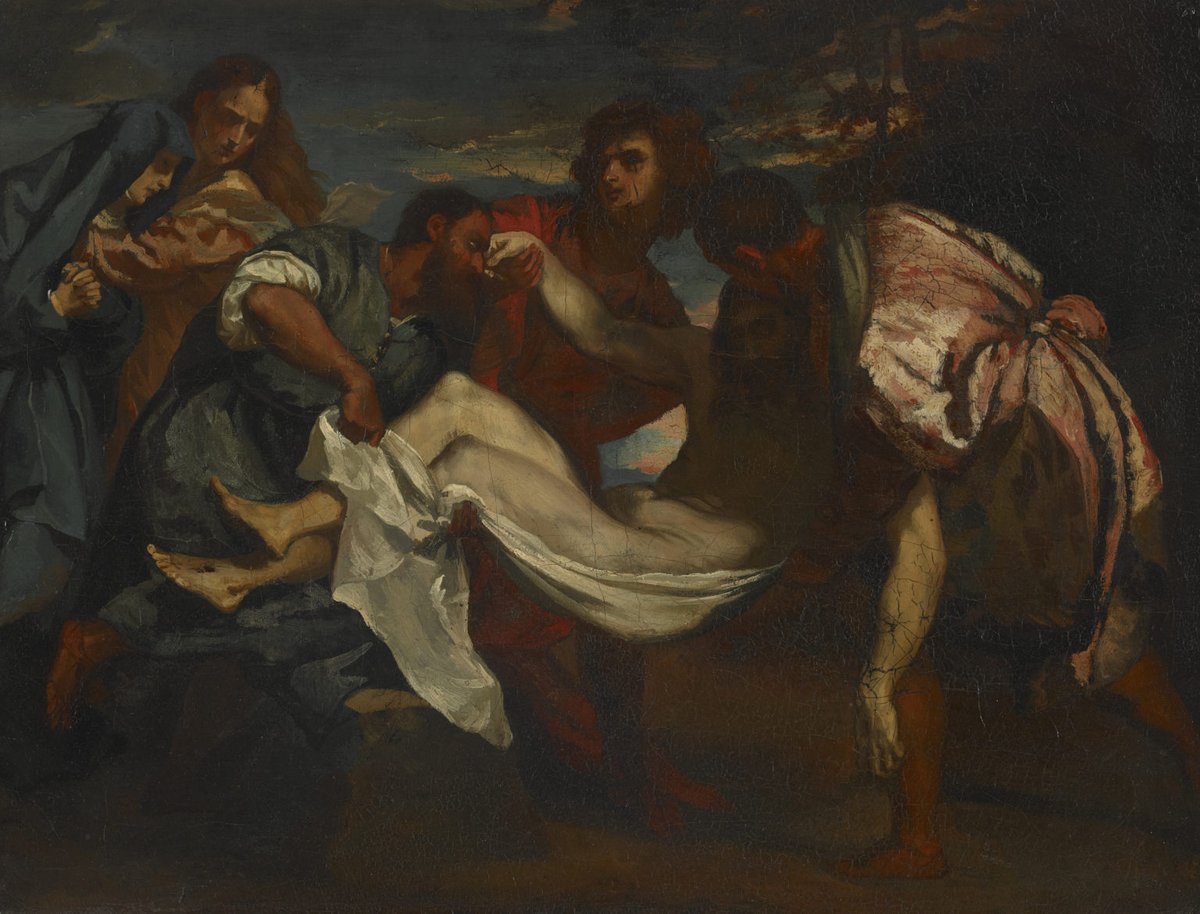
Cantonal Museum of Fine Arts The Musée Cantonal des Beaux-Arts (MCBA) in Lausanne, Switzerland, is a cultural beacon that has captivated art enthusiasts since its establishment in 1841.
-
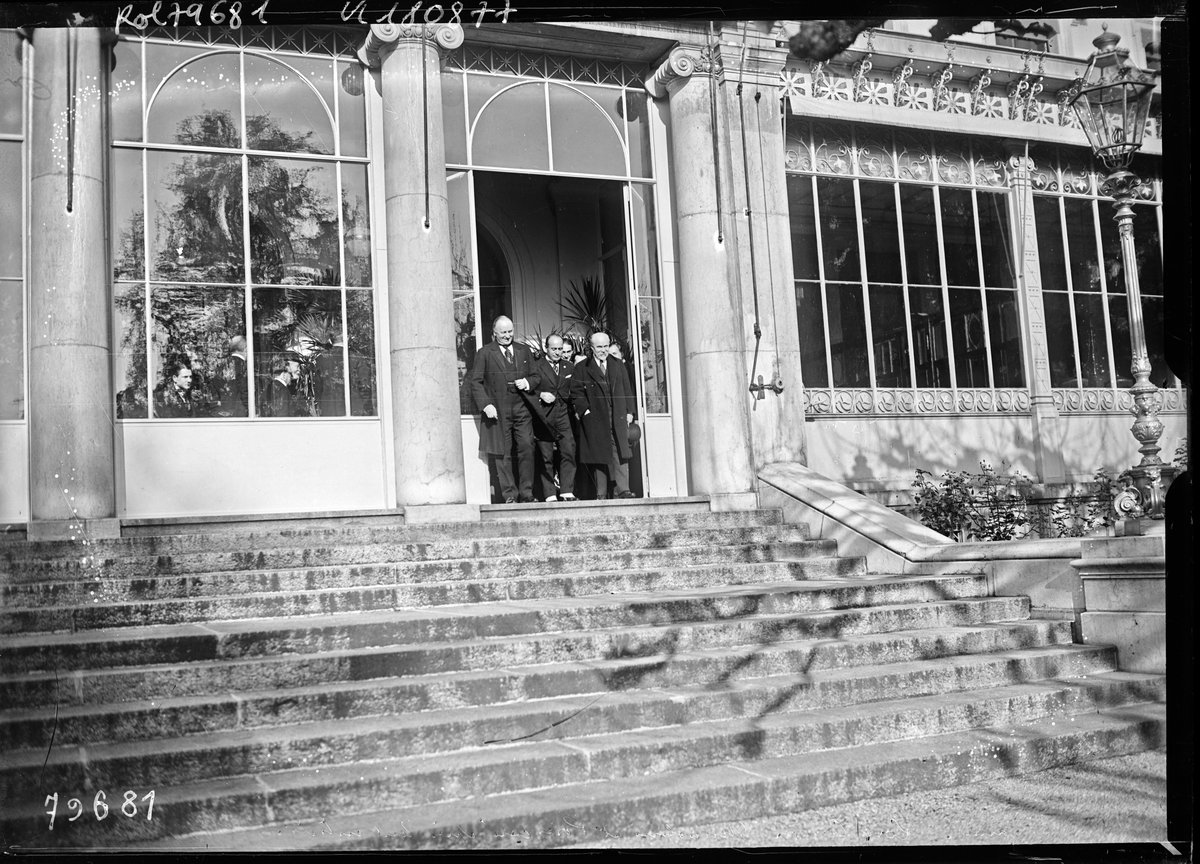
Beau-Rivage Palace (Lausanne) Situated gracefully on the shores of Lake Geneva in Lausanne, the Beau-Rivage Palace stands as a beacon of Swiss luxury hospitality, rich history, and…
-
La Sarraz Nestled within the enchanting Canton of Vaud in Switzerland, La Tine de Conflens is an extraordinary destination that seamlessly blends natural beauty with…

-
Swiss Federal Institute of Technology in Lausanne Nestled on the western edge of Lausanne, Switzerland, the Swiss Federal Institute of Technology in Lausanne (École Polytechnique Fédérale de Lausanne, EPFL)…

-
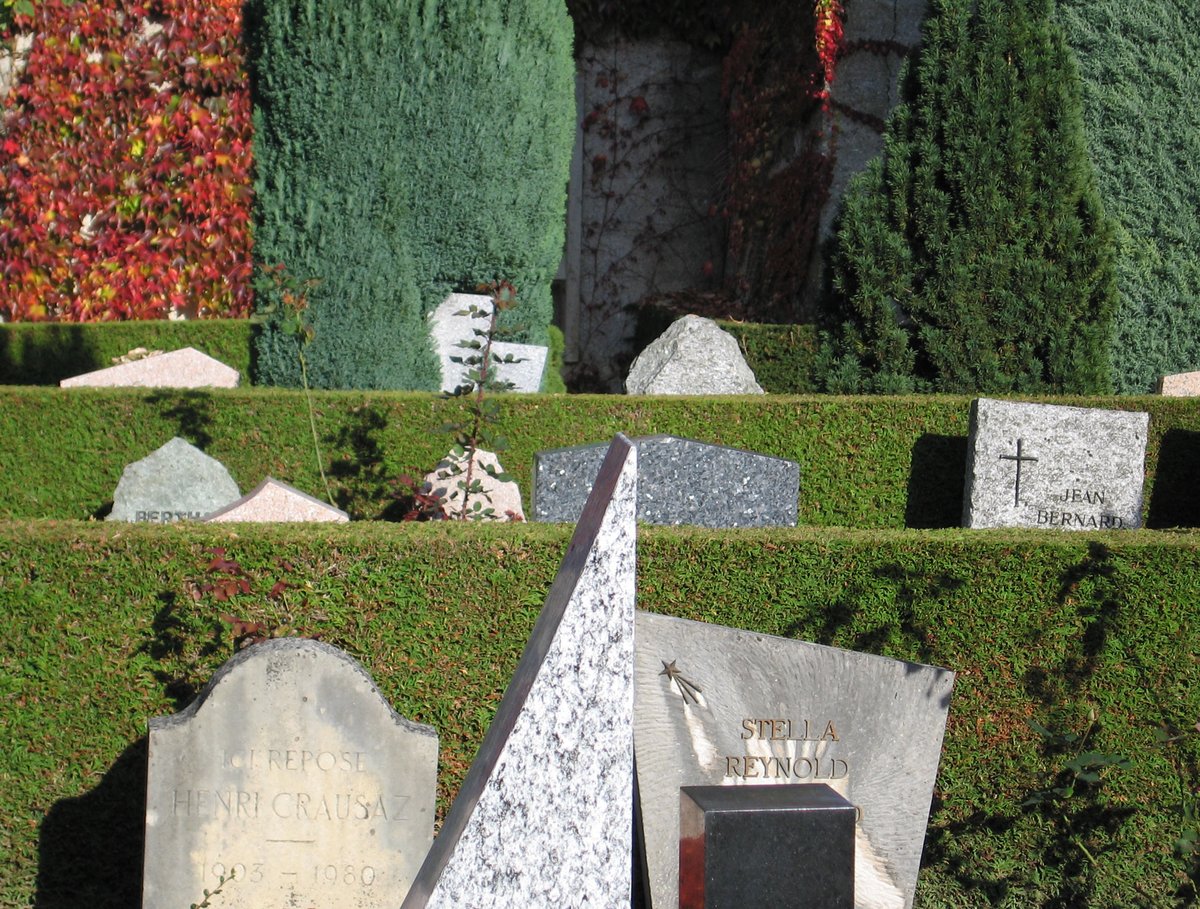
Bois-De-Vaux Cemetery Nestled in the southern part of Lausanne, Switzerland, Bois-De-Vaux Cemetery stands as the city’s largest and most iconic burial ground, offering visitors a…
- Olympic Museum Nestled in the scenic city of Lausanne, Switzerland, the Musée Olympique stands as a beacon of the Olympic spirit and history.
- Cantonal Museum of Zoology, Lausanne Nestled within the historic Palais de Rumine at the heart of Lausanne, Switzerland, the Cantonal Museum of Zoology offers an exceptional window into the…
- Cantonal Monetary Museum Nestled in the heart of Lausanne’s historic center, the Cantonal Monetary Museum (Musée Monétaire Cantonal) offers an unparalleled journey into the rich…
Neighborhoods
Where to wander, by quarter — each with its own rhythm.
La Cité (Upper Old Town)
The medieval heart, perched on the highest of the three hills around the Gothic cathedral. Cobbled lanes, the Escaliers du Marché — a covered wooden staircase climbing from Place de la Palud — and the Château Saint-Maire all sit up here. Quiet in the evenings, with a few terraces that catch the late light over the lake. This is where Lausanne started moving uphill in the Middle Ages after abandoning its Roman settlement by the water.Le Flon
A former warehouse district sunk in the Flon valley, derelict for decades and reinvented in the 2000s as the city's nightlife and design quarter. MAD club, Les Pépinières with frescoes hidden on its industrial facades, La Miroiterie clad in translucent air cushions that glow at night. Cinemas, restaurants, late bars. The crowd skews young, and the architecture rewards looking up.Ouchy
Lausanne's lakeside annex, a separate world reached by the m2 metro plummeting down from the upper city. The Olympic Museum and its terraced sculpture park sit here, along with the Thai Pavilion gifted by Thailand in the Denantou gardens. Sunday belongs to Ouchy — families on bikes, paddleboats, queues at the Veneta gelato stall by the harbor, paddle steamers casting off for Évian.Sous-Gare
The streets sloping south below the main station. More grown-up than Flon and more residential than the old town, with wine bars and unfussy bistros along Avenue de la Harpe. Café de Grancy is the neighborhood anchor. Worth a wander if you want to see how Lausanne lives when it isn't performing for visitors.Saint-François & Bourg
The commercial spine running between Place Saint-François and Rue de Bourg, anchored at one end by Alphonse Laverrière's 1931 Bel-Air Tower — the first skyscraper in Switzerland, which scandalized Protestants who feared it would outrank the cathedral. Belle Époque brasseries, including Café Romand, sit a few steps off the main drag. The Wednesday and Saturday markets push up through here from Place de la Palud.Plateforme 10
Not a historic neighborhood but a newly built museum quarter on the site of an old locomotive depot, 200 meters from the station. Three institutions share the ground: MCBA, designed by Barozzi Veiga as a long grey-brick parallelepiped that preserves the original railway turntable outside; Photo Élysée and mudac, housed together in a Manuel and Francisco Aires Mateus building opened in 2021. A reason on its own to come to the city.Le Vallon & Maupas
North of the center, around Place du Tunnel. Student bars, kebab counters, vinyl shops, the kind of streets where rents are still survivable. Grittier than the rest of central Lausanne and more interesting for it. Worth crossing for a cheap dinner or a late drink that won't cost you a Swiss premium.Chailly & Sauvabelin
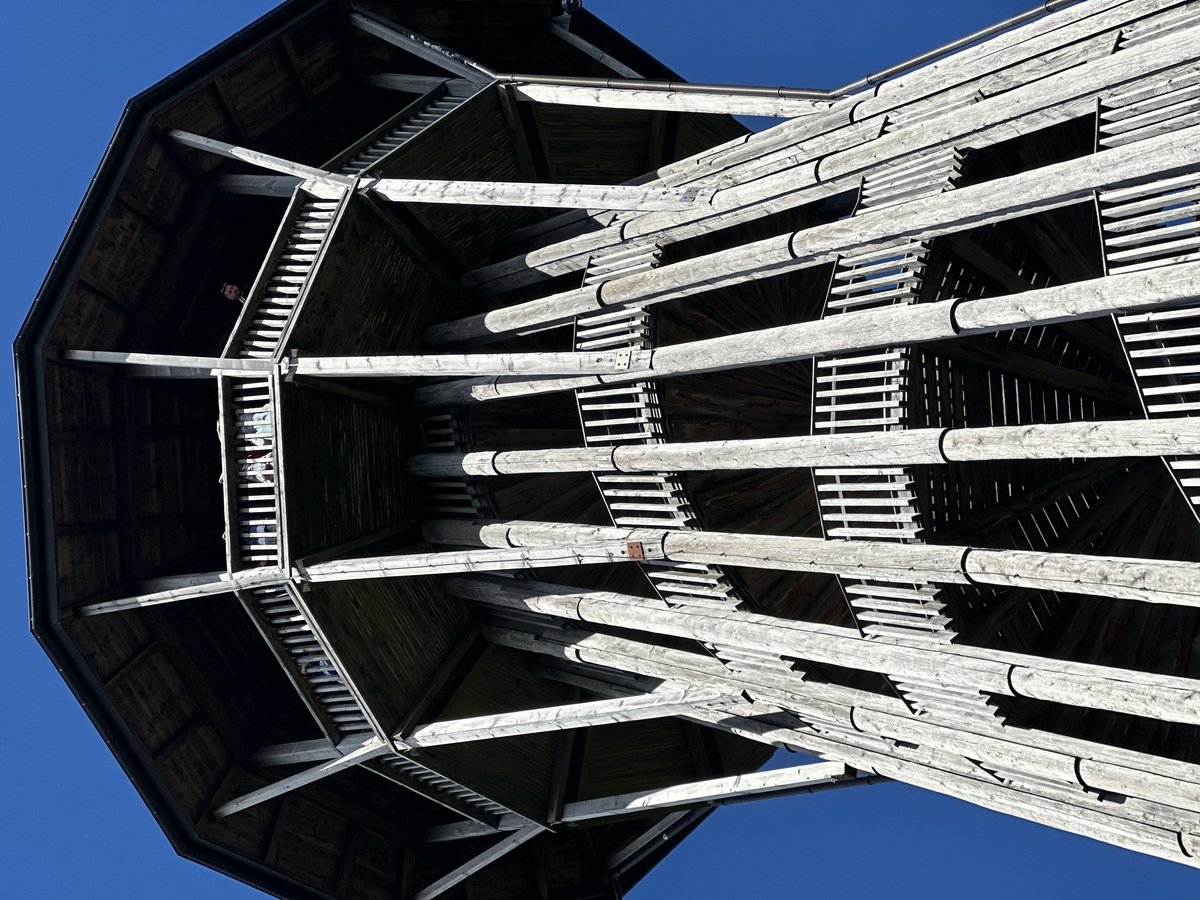
The wooded slopes north of the city, where Lausanne dissolves into forest. Parc de Sauvabelin sits up here with its small lake, a mini farm-zoo, and the wooden Sauvabelin Tower — a free spiral observation deck with views over the city, the lake, and the Alps on a clear day. The neighborhood itself is quiet and residential, but the park is one of the great escape valves of the city.
Plan your trip
Before you go
- Getting There
- Geneva Airport (GVA) is the practical gateway: direct SBB trains run from inside the terminal to Lausanne in about 50 minutes, three to four times an hour, with Supersaver fares from CHF 12 in 2026. Zurich Airport (ZRH) is 2h10–2h40 by direct InterCity. Lausanne CFF is the main rail hub, with hourly InterCity service to Geneva, Bern, Basel and Zurich, and the A1 motorway skirts the city to the north.
- Getting Around
- The tl network runs two metro lines — the M1 light rail out to EPFL/UNIL, and the driverless M2 from Ouchy up to Croisettes, climbing a 12% gradient that is the steepest in the world. Trams, trolleybuses, and the M3 (phased opening through 2026–2031) fill in the rest. Any overnight stay gets you a free Lausanne Transport Card at check-in covering tl zones 11, 12, 15, 16, 18, 19 for the length of your trip; a single 2-zone ticket otherwise costs CHF 3.90.
- Climate & Best Time
- Lake Geneva softens the climate: winters hover at 0–6°C with grey skies, summers reach 23–26°C with thunderstorms rolling off the Alps, and the lake itself warms to 22–24°C in July. May–June and September–early October are the sweet spots — mild days, fewer crowds, and Lavaux either in blossom or harvest. December brings Christmas markets at Bourg and Sauvabelin; rainfall is steady year-round at 65–95mm a month.
- Language & Currency
- French is the working language of Vaud — always open with "Bonjour" before asking anything, even in English, which most under-50s and service staff speak well. Switzerland uses the Swiss franc (CHF), not the euro; cards work nearly everywhere with contactless up to CHF 80, and service is included by law, so rounding up 5–10% is appreciation rather than obligation.
- Safety
- Lausanne is among the safer cities in Europe, with low violent crime, but pickpockets work the main station, the Flon metro hub, and Place Saint-François on busy weekends. Lake Geneva looks placid and stays cold below the surface — swim from designated beaches at Bellerive, Vidy, or Les Pyramides. Emergency numbers: 117 police, 118 fire, 144 ambulance.
03 Top tickets in Lausanne.
Book ahead
Curated from places in this city. Same price as official sites.

Olympic Museum
The Olympic Museum Entrance Ticket in Lausanne
★4.6
from €22.18

Olympic Museum
The Olympic Museum: Entry Ticket
★4.6
from €21.69

Olympic Museum
Lake Geneva Self-Guided Driving Audio Tour from Lausanne/Montreux
★5.0
from €14.90
Prices shown are indicative — final pricing and availability are confirmed at checkout. Audiala may receive a commission from bookings made via these links.
From Roman Lakeside Vicus to Olympic Capital
Two thousand years of bishops, Bernese bailiffs, and quiet exiles on the shores of Lac Léman
- 15 BCE
Romans Found Lousonna on the Lakeshore
The Romans established the vicus of Lousonna at Vidy, on the flat plain hugging Lake Geneva. The Celtic Helvetii were absorbed into the Empire, and the settlement grew into a trading post along the route between Italy and the Rhine. The name survives, slightly worn down by twenty centuries, as Lausanne.
- 1st–3rd c. AD
A Gallo-Roman Trading Town
Lousonna reached roughly 1,200 to 1,500 inhabitants, a respectable size for a provincial vicus. The town had a forum, a basilica, temples, a port, and a craftsmen's quarter, all stretched along the lake. Goods moved north and south through its wharves, and for three centuries the place prospered without walls.
- 4th century AD
Abandoning the Lake for the Hill
As Roman authority collapsed and barbarian raids threatened the open shore, the inhabitants left Vidy behind. They climbed about five hundred meters up to the defensible bluff where the cathedral now stands, founding the upper Cité. The lakeside town was given to the lake, and Lausanne would not return to its waters in earnest until the nineteenth century.
- c. 590 AD
Bishop Marius Moves the See from Avenches
Bishop Marius of Avenches transferred his seat to the hill of Lausanne, making the new settlement the religious capital of the region. From that moment, the bishop was not only a spiritual figure but a temporal prince, ruler of a small territory wedged between the Veveyse and Venoge rivers. The cathedral hill would belong to the church for the next nine centuries.
- 11th century
Monks Plant the Lavaux Terraces
Benedictine and Cistercian monks began carving the impossibly steep south-facing slopes east of the city into wine terraces. The stone walls, built by hand over generations, would still be there nine hundred years later when UNESCO listed them. The wine they produced fed monasteries, bishops, and eventually the city itself.
- 1170
Work Begins on the Cathedral
Bishop Landry de Durnes laid down the first stones of a new cathedral to replace the older Romanesque church on the hill. What rose over the following century would become the most important Gothic building in Switzerland. The construction would span more than a hundred years and three master masons.
Show the full timeline (33 moments)
- c. 1225
Pierre d'Arras Sets the Rose Window
The master glazier Pierre d'Arras created the south transept's rose window, eight meters across, a stained-glass diagram of the medieval cosmos: the seasons, the winds, the elements, the signs of the zodiac. Villard de Honnecourt thought it remarkable enough to copy into his famous sketchbook. It survives almost intact, which is itself a small miracle given what came later.
- c. 1238
Otto de Grandson, Knight of Three Kings
Born into a Savoyard noble family, Otto de Grandson served Edward I of England as his closest companion, governed the Channel Islands, and led the English knights at the doomed Siege of Acre in 1291. He died in 1328 and chose to be buried in the cathedral on the hill above the lake. His tomb, sword at his side, is still there.
- 1275
Pope and Emperor Consecrate the Cathedral
Pope Gregory X consecrated the new cathedral in the presence of Emperor Rudolf I of Habsburg and Bishop Guillaume of Champvent. Pope and emperor together in one provincial cathedral was not a sight Vaud would see again. It announced, in the loudest possible voice, that Lausanne mattered.
- 1405
The Night Watchman Climbs the Tower
From this year on, a watchman has called the hour from the cathedral belfry between ten at night and two in the morning, shouting to each of the four cardinal directions. The original job was to spot fires in the timber city below. Six hundred and twenty years later the calls still go out, making it one of the last living medieval traditions anywhere in Europe.
- 1440
The Last Antipope is Proclaimed Here
The Council of Basel, defying Rome, proclaimed Amadeus VIII of Savoy as Pope Felix V inside Lausanne Cathedral. He was the last antipope in Western Christian history, and the schism would drag on for nine years before he resigned. The cathedral, briefly, was the seat of a rival papacy.
- 1536
Bern Conquers Vaud, Strips the Cathedral
Bernese troops swept south, seized both the Savoyard lands and the Episcopal Principality, and ended the bishop's eight-hundred-year temporal rule overnight. In October, William Farel and Pierre Viret faced Catholic theologians inside the cathedral for the Disputation of Lausanne; the Bernese magistrates declared the Protestants the winners. Within weeks the relics, altars, statues, and mural paintings were torn out or covered in grey paint, and Catholic worship was outlawed across Vaud.
- 1670
Major Davel, Vaudois Martyr
Jean Daniel Abraham Davel was born to a Vaudois pastor's family. A pious officer in the Bernese militia, he came to believe he had a divine mission to free Vaud from Bernese rule. In 1723 he marched a few hundred men to Lausanne, expected the city to rise with him, was promptly arrested, tortured and beheaded — and was rehabilitated a century later as a hero of Vaudois independence.
- 1737
Edward Gibbon Finishes Decline and Fall in Lausanne
The English historian Edward Gibbon spent formative years studying in Lausanne and returned later to live in a house above the lake. On the night of 27 June 1787, walking in his garden after writing the last lines of *The Decline and Fall of the Roman Empire*, he recorded a moment of melancholy joy at completing twenty years of work. Lausanne, he said, was the place where his mind ripened.
- 1767
Benjamin Constant is Born
The political theorist and novelist Benjamin Constant was born into a Vaudois Huguenot family in Lausanne. He would become one of the founding voices of European liberalism, the long-time companion of Madame de Staël, and the author of *Adolphe*, one of the first modern psychological novels. The city of Lausanne shaped his early Protestant suspicion of concentrated power.
- 1798
Vaud Declares Independence from Bern
On 24 January, with French Revolutionary armies massing on the border, the Vaudois proclaimed independence from their Bernese overlords. The bailiff fled, the green-and-white flag went up, and 262 years of foreign rule ended in a few weeks. The city briefly became part of the French-imposed Helvetic Republic before Napoleon found a workable middle ground.
- 1803
Napoleon Makes Lausanne a Capital
Under the Act of Mediation, Napoleon redrew the Swiss map and created the Canton of Vaud as a full member of the Confederation. Lausanne, which had spent twelve centuries as a bishop's town and then a Bernese subject, was finally a cantonal capital. Two years after Bonaparte's fall, in 1815, the new arrangement was confirmed at the Congress of Vienna.
- 1856
The Railway Arrives
The first line from Yverdon opened, linking Lausanne to the emerging national rail network. The Flon valley industrialized along the new tracks, the old fortified walls came down, and the city began climbing its hills with stone apartment buildings instead of wood. Within twenty years Lausanne would more than double in size.
- 1863
Pierre de Coubertin is Born
Born in Paris on New Year's Day, the young baron grew up obsessed with English public-school athletics and the lost rituals of ancient Olympia. He would revive the Games in Athens in 1896 and preside over the IOC for nearly thirty years. In 1915 he moved the committee to Lausanne; he is the reason a small French-speaking city on a Swiss lake is the world capital of sport.
- 1873
Viollet-le-Duc Reshapes the Cathedral
Eugène Viollet-le-Duc, fresh from Notre-Dame de Paris, was hired to restore the cathedral to what he believed a proper Gothic building should look like. He designed the slender 80-meter spire that still defines the Lausanne skyline. Purists have argued about his liberties ever since, but the silhouette is now inseparable from the city.
- 1878
Charles Ferdinand Ramuz is Born
The novelist who would put Vaudois peasants and lake-country landscapes into world literature was born in Lausanne and never strayed far. His prose, deliberately stripped of Parisian polish, gave the region its modern literary voice. Stravinsky chose him as the librettist for *L'Histoire du soldat* in 1918; his face later appeared on the 200-franc banknote.
- 10 April 1915
The IOC Moves to Lausanne
With Europe at war, Pierre de Coubertin moved the headquarters of the International Olympic Committee from Paris to neutral Lausanne, signing the agreement at the town hall. The choice was meant to be temporary, a wartime refuge. It became permanent, and slowly transformed the city's identity from bishop's seat to sport's capital.
- 24 July 1923
The Treaty of Lausanne Redraws Turkey
After eight months of negotiations at the Beau-Rivage Palace by the lake, Allied and Turkish delegates signed the treaty that replaced the harsh Treaty of Sèvres and fixed the borders of the modern Turkish Republic. It also legitimized one of the century's first large population exchanges, between Greece and Turkey. The hotel still occupies the same lakeside terrace where the diplomats walked between sessions.
- 1969
EPFL Splits Off as a Federal Institute
The engineering school separated from the University of Lausanne to become the École polytechnique fédérale, one of two federal technical universities in Switzerland. Within thirty years its campus on the lake at Ecublens would draw researchers from across the world. Combined with UNIL next door, it gave the city a student population of around 25,000.
- 1971
Coco Chanel's Last Years on the Lake
Coco Chanel spent her wartime exile and many of her last years in Lausanne, staying at the Beau-Rivage Palace and later in a house above the city at Sauvabelin. She died in Paris in 1971 but asked to be buried at the Bois-de-Vaux cemetery in Lausanne, under a stone marked with five carved lions for her zodiac sign. The grave still draws a quiet stream of pilgrims.
- 1976
Dubuffet Donates the Art Brut Collection
Jean Dubuffet gave his vast collection of work by self-taught and institutionalized artists to the city, which housed it in the eighteenth-century Château de Beaulieu. The Collection de l'Art Brut became the world reference for outsider art. It remains one of the strangest, most moving museums in Europe, full of work made by people who never expected anyone to look.
- 1987
Béjart Brings His Company to Lausanne
Maurice Béjart, the most celebrated choreographer in postwar Europe, moved his Ballet du XXe Siècle from Brussels to Lausanne and renamed it the Béjart Ballet Lausanne. The city built him a studio and a school; he gave it forty years of new work. He stayed until his death in 2007 and is buried at the Bois-de-Vaux.
- 1993
The Olympic Museum Opens in Ouchy
The IOC inaugurated its permanent museum on the lakeshore at Ouchy, set within an eight-thousand-square-meter sculpture park stepping down to the water. A year later, in 1994, Lausanne was officially declared the Olympic Capital. The museum is now the most visited paid attraction in the canton.
- 2007
Lavaux Becomes a UNESCO Site
The eight hundred hectares of dry-stone wine terraces stretching from the eastern edge of Lausanne to Chillon were inscribed on the World Heritage List, recognized for nearly a thousand years of continuous human work on impossible slopes. The locals like to say there are three suns: the one in the sky, the one off the lake, and the one off the stone walls. The grapes seem to agree.
- 27 October 2008
The Steepest Automatic Metro in the World
Lausanne opened the M2, a rubber-tyred driverless metro climbing 338 meters between Ouchy on the lake and Epalinges on the ridge. It was the first metro in Switzerland and remains the steepest fully automatic line in the world. Locals stopped complaining about the hills almost overnight.
- 2021
A Woman in the Belfry
Cassandre Berdoz was appointed deputy night watchman of the cathedral, the first woman to hold the post in six hundred and sixteen years of unbroken tradition. She climbs the tower, watches over the dark city, and calls out the hour to the four winds. The job description has not changed since the early fifteenth century. The voice answering it finally has.
- 2022
Plateforme 10 Opens by the Station
A former locomotive depot beside the main railway station was converted into a single arts district housing the cantonal fine arts museum, the Photo Elysée, and the mudac design museum under one roof. The architecture is deliberately austere — exposed concrete, long horizontal volumes — and the location turns what was once a forgotten railway yard into the city's cultural front door.
- 2025
Seven Hundred and Fifty Years of the Cathedral
The cathedral marked the 750th anniversary of its consecration with a year of exhibitions, guided climbs of the spire, and concerts on the Giugiaro-designed great organ installed in 2003. The night watchman called the hours from the belfry, as he had during the consecration in 1275. Some things, the city likes to remind itself, are still done the old way.
Who lived here
-
Founder of the modern Olympic Games · 1863–1937
Pierre de Coubertin
Moved the IOC headquarters to Lausanne in 1915
In the middle of the First World War, Coubertin quietly relocated his Olympic committee from Paris to neutral Lausanne to keep it alive. He spent the rest of his working life here, walking the same lakeshore where the Olympic Museum now stands. The city's official title — Olympic Capital — is really his bequest.
-
English historian · 1737–1794
Edward Gibbon
Lived here intermittently from 1753; finished Decline and Fall in Lausanne in 1787
Gibbon wrote the final lines of The Decline and Fall of the Roman Empire on the night of 27 June 1787 in his garden pavilion above Lake Geneva. He recorded the moment in his memoirs: a walk by moonlight, the lake silvered, an awareness that twenty years of work had just ended. The garden is gone, but the view is the one Lausanne still sells.
-
Fashion designer · 1883–1971
Coco Chanel
Spent her final years in Lausanne; buried at Bois-de-Vaux cemetery
Chanel kept a suite at the Beau-Rivage Palace during the war, then bought a house on the Sauvabelin heights in 1966. She is buried at Bois-de-Vaux under a stone marked by five carved lions for her zodiac sign. Tourists still leave camellias on the slab; the cemetery staff sweep them up every Monday.
-
Novelist, creator of Commissaire Maigret · 1903–1989
Georges Simenon
Lived in Lausanne for his last 33 years
Simenon wrote roughly 200 novels and left Belgium behind to settle in Lausanne in 1957. A small plaque at 22 rue du Bourg marks the building where he died in 1989. He had asked for his ashes to be scattered under a cedar in his garden, alongside those of his daughter Marie-Jo.
-
Novelist, librettist · 1878–1947
Charles-Ferdinand Ramuz
Born in Lausanne
Ramuz wrote in a French stripped of Parisian polish, deliberately rooted in Vaudois rhythm — a choice critics hated until they didn't. He collaborated with Stravinsky on L'Histoire du soldat in 1918, written in a barn in nearby Morges. His face was on the 200-franc banknote until the redesign of 2018.
-
Political writer and liberal theorist · 1767–1830
Benjamin Constant
Born in Lausanne
Constant was born into a Huguenot family in Lausanne and grew up between the city and the courts of Europe. His novel Adolphe still gets taught in French lycées; his political writing helped invent the vocabulary of post-revolutionary liberalism. He'd find today's Lausanne almost shockingly multilingual.
-
Tennis player, three-time Grand Slam champion · born 1985
Stan Wawrinka
Born in Lausanne and trained in the region
Wawrinka grew up on a biodynamic farm outside the city and trained on Lausanne's clay before turning professional. His backhand — the one that beat Djokovic in Paris in 2015 — has a tattoo running underneath it: a Samuel Beckett line about failing better. He still lives in the canton.
-
Psychiatrist, balloonist and explorer · born 1958
Bertrand Piccard
Born in Lausanne
Third generation of a Lausanne family that has been climbing into impossible vehicles for a century — his grandfather Auguste reached the stratosphere, his father Jacques dove to the Mariana Trench, and Bertrand circled the globe non-stop by balloon in 1999 and again by solar plane in 2016. The Piccards still live near the lake. The family motto is essentially: go further.
Where to Eat
Where locals actually book dinner — not the tourist menus.
Insider tips
Small things that change how the city treats you.
Skip airport taxis
From Geneva Airport, take the direct SBB train from inside the terminal — 50 minutes to Lausanne, around CHF 12 with a Supersaver ticket. A taxi runs CHF 250 or more.Ride the M2
Lausanne's M2 is the steepest automatic metro in the world, climbing 338 meters between Ouchy and Epalinges. Use it instead of fighting the 500m gradient on foot.Hear the night watchman
Between 10pm and 2am, climb to a quiet spot near the cathedral and listen for Le Guet calling the hour from the belfry. The tradition has run uninterrupted since 1405.Claim the free hotel card
Every hotel guest in Lausanne receives the Lausanne Transport Card at check-in, covering buses, metros and trains within zones 11–12 for the length of the stay. Don't pay for a single ticket.Walk Lavaux at golden hour
Take the regional train two stops east to Grandvaux or Lutry and walk back through the UNESCO-listed vineyard terraces. Late afternoon light off the lake hits the stone walls and makes the whole slope glow.Lead with French
Lausanne is firmly Romandie — French first, English second, German rarely. A Bonjour before any question changes the temperature of the conversation entirely.Plateforme 10 in one ticket
The three museums in the old locomotive depot — MCBA, Photo Elysée and mudac — share a combined ticket and sit two minutes from the train station. Budget half a day, not an hour.
Gallery
The city, as it actually looks.

Watch
-
Olliechinny THINGS TO DO IN LAUSANNE, SWITZERLAND: A LOCAL'S GUIDE!
-
The Traveling Swiss – Louis & Alexis DISCOVERING LAUSANNE, SWITZERLAND | Top tourist destinations + what to do in the Olympic capital!
-
Barnyz Top 10 Places To Visit in Lausanne Switzerland - Travel Guide
-
GoodStuff Lausanne Switzerland 🇨🇭 Walking Tour | A Beautiful City on Lake Geneva
Frequently asked
Is Lausanne worth visiting?
Yes, and especially if you've already done Zurich and Geneva. Lausanne packs a Gothic cathedral, the Olympic Museum, the Art Brut collection and the Lavaux vineyards into a compact, walkable city of 140,000. It rewards two unhurried days more than one rushed one.
How many days do you need in Lausanne?
Two to three days is the sweet spot. One day covers the old town, cathedral and Ouchy lakefront; a second handles Plateforme 10 and the Olympic Museum properly; a third frees you for a Lavaux vineyard walk or a boat across to Évian.
What is the best time to visit Lausanne?
Late April through June, and September. Spring brings clear views of the Alps across the lake before summer haze sets in, while September offers vineyard harvest and warm water for swimming at Ouchy. July and August are pleasant but crowded with conference traffic.
How do you get from Geneva Airport to Lausanne?
Take the direct SBB train from the station inside the airport terminal — about 50 minutes, three or four departures per hour. Standard fare is around CHF 27, but Supersaver tickets bought in advance drop to CHF 12. There is no need to change trains in Geneva.
Is Lausanne expensive?
Yes, on par with Zurich and Geneva. A coffee runs CHF 4–5, a casual lunch CHF 25–30, a museum entry CHF 15–25. The free Lausanne Transport Card given to every hotel guest is the single biggest saving — it covers all public transport for the duration of your stay.
Is Lausanne safe for tourists?
Very. Lausanne consistently ranks among the safest mid-sized European cities, with low violent crime and a visible police presence around the station and Flon nightlife district. Standard pickpocket awareness around the train station and on busy metro lines is enough.
Do I need to speak French in Lausanne?
It helps but isn't required. Lausanne is in French-speaking Romandie, and locals will switch to English in tourism and hospitality contexts without complaint. Opening with Bonjour or Merci is appreciated and visibly shifts how staff respond.
What is Lausanne famous for?
Three things, mostly. It's the headquarters of the International Olympic Committee since 1915 and was officially named Olympic Capital in 1994. It has Switzerland's most important Gothic cathedral. And it sits at the heart of the Lavaux vineyard terraces, a UNESCO World Heritage site since 2007.
All Places to Visit.
84 places to discover
Place
Centre International De Recherches Sur L'Anarchisme
Place
Cantonal Museum of Fine Arts
Place
Beau-Rivage Palace (Lausanne)

Place
La Sarraz
Place
Swiss Federal Institute of Technology in Lausanne
Place
Bois-De-Vaux Cemetery
Place
Cantonal Museum of Zoology, Lausanne
Place
Cantonal Monetary Museum
Place
Cantonal Museum of Archeology and History

Place
Cantonal Botanical Museum and Gardens
Place
Cantonal Museum of Geology in Lausanne
Place
Parc De Mon-Repos

Place
Place De La Riponne

Place
University of Lausanne

Place
Bessières Bridge
Place
Louis-Bourget Park
Place
Hand Museum

Place
Place De La Sallaz

Place
Place Des Pionnières
Place
Chauderon Place
Place
Place Du 14-Juin
Place
Place De La Louve

Place
Place Du Château
Place
Place De L'Ours

Place
Place Du Tunnel

Place
Ale Tower

Place
Pully
Place
Bois De Sauvabelin
Place
Stade Olympique De La Pontaise

Place
Mont De Gourze
Place
Photo Elysée
Place
Collection De L'Art Brut
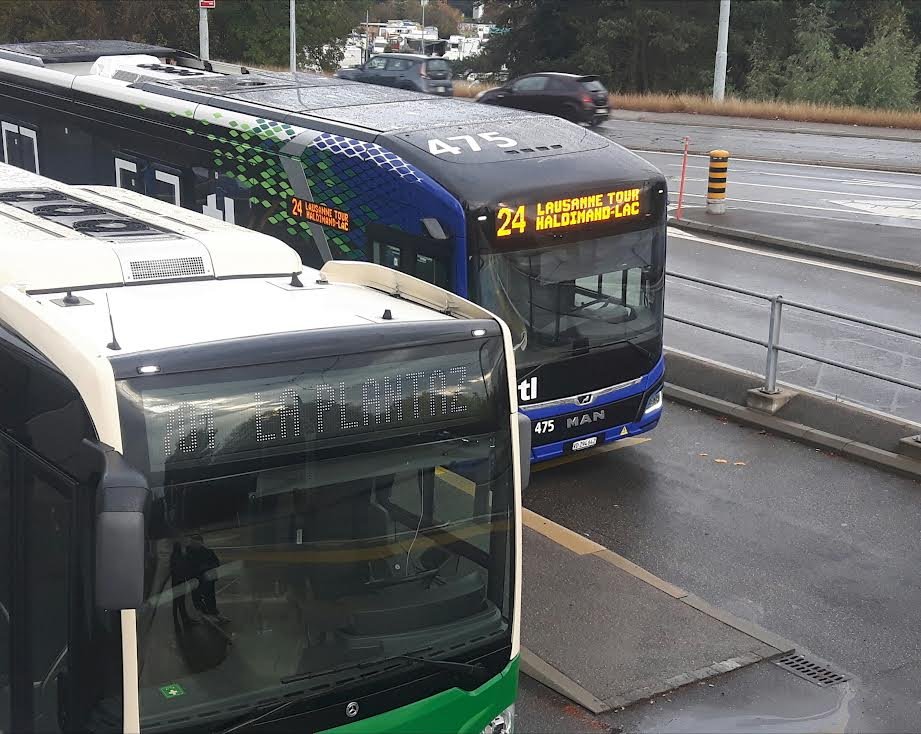
Place
Lausanne Railway Station
Place
Palais De Rumine
Place
Palais De Beaulieu
Place
Swiss Film Archive
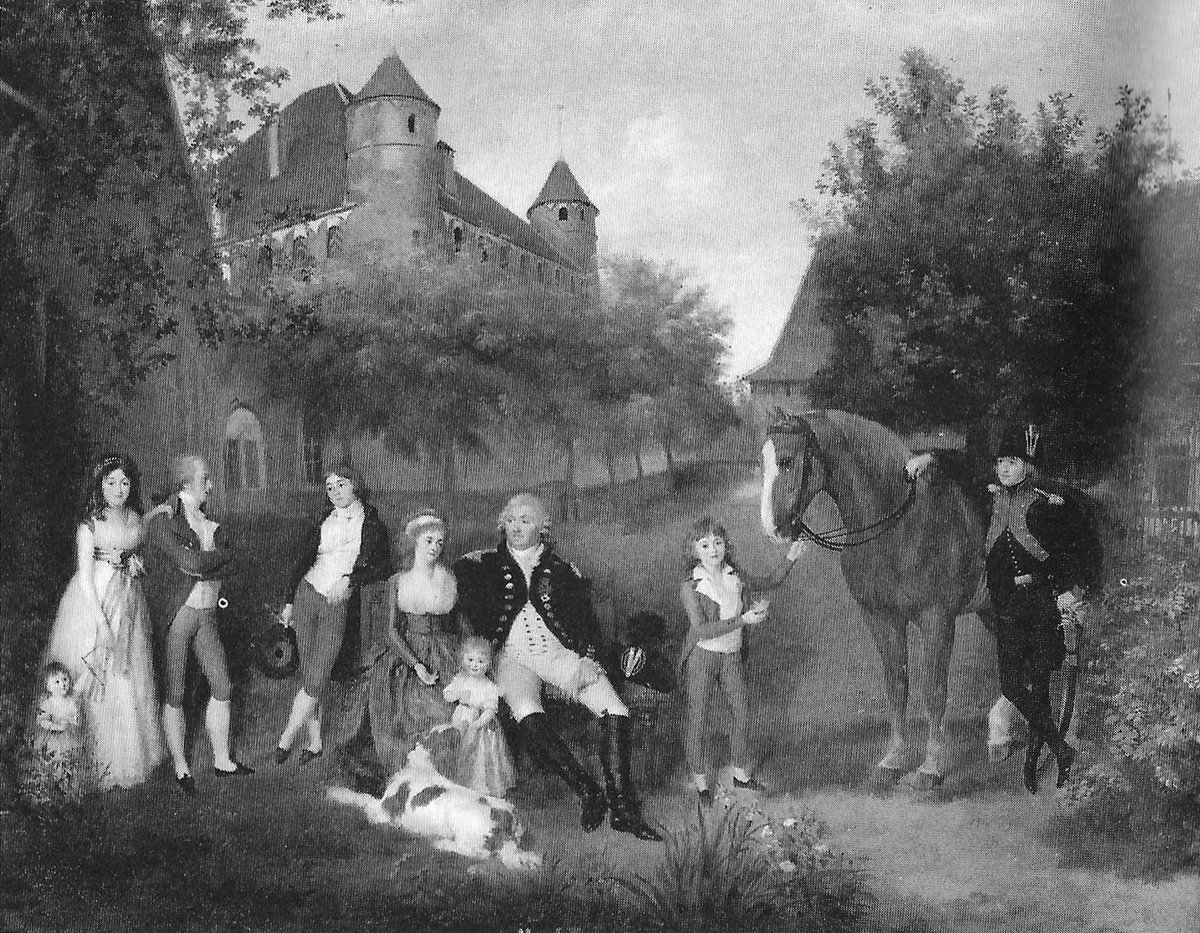
Place
Château Saint-Maire
Place
Musée De Design Et D'Arts Appliqués Contemporains
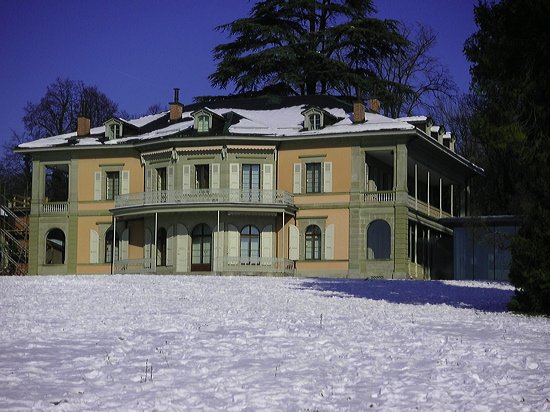
Place
Hermitage Foundation
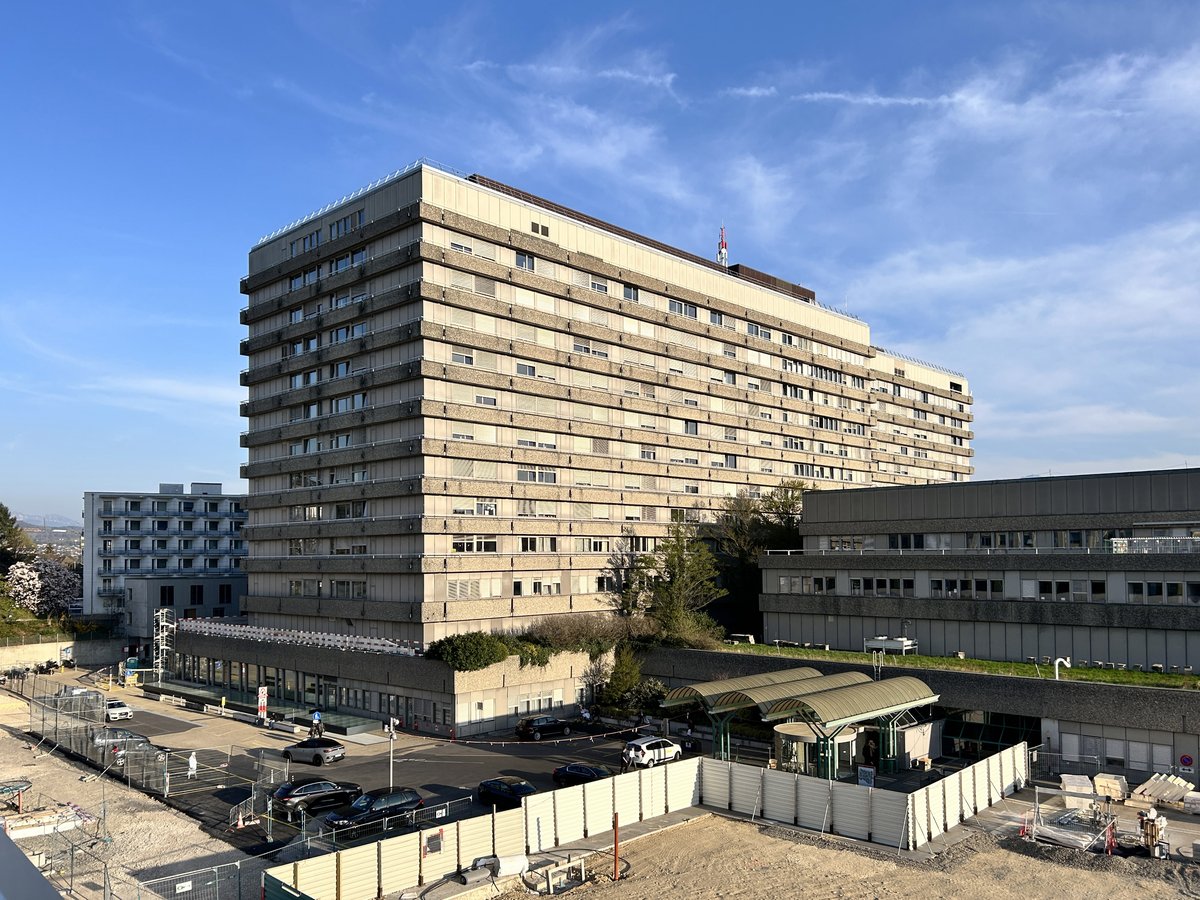
Place
Lausanne University Hospital
Place
Château D'Ouchy
Place
Tour De Sauvabelin

Place
Palais De Justice De Montbenon

Place
Lousonna
Place
Pont Chauderon

Place
Casino De Montbenon
Place
Musée Romain De Lausanne-Vidy
Showing 1–48 of 84 places
Pick up where you left off
Saved and recently read places — kept on this device only.
Photo credits (3)
- Hugo Sykes — Pexels License (https://www.pexels.com/license/) — Source: https://www.pexels.com/photo/10919392/
- Anna Danilina — Pexels License (https://www.pexels.com/license/) — Source: https://www.pexels.com/photo/18024004/
- Neil Bates — Pexels License (https://www.pexels.com/license/) — Source: https://www.pexels.com/photo/6318902/
Photos may have been resized or cropped.