

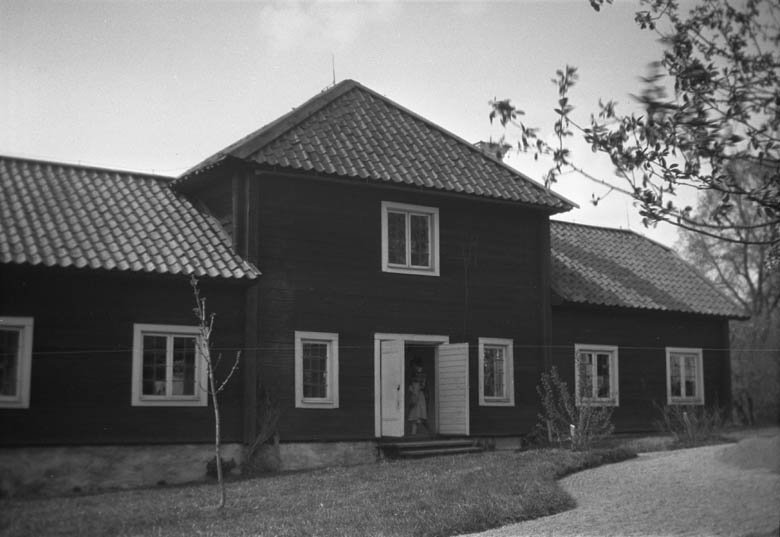
Historical Background of Linnaeus Hammarby
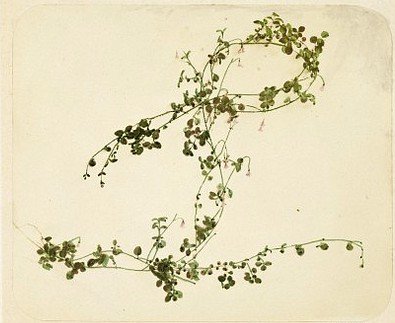
Carl Linnaeus, ennobled as Carl von Linné in 1757, purchased Hammarby in 1758 to escape Uppsala’s urban environment and provide a healthier rural retreat for his family (Uppsala University). The estate became his country home, working farm, and a living laboratory for his pioneering botanical research. Linnaeus cultivated a wide variety of plants not possible in Uppsala’s academic garden, and today, approximately forty species planted by Linnaeus or his descendants still flourish on the grounds (Destination Uppsala).
After Linnaeus’ death in 1778, the estate remained in his family until 1879, when it was acquired by the Swedish State. Managed today by Uppsala University, Linnaeus Hammarby is both a museum and a national cultural reserve (Uppsala Museums; SLU).
The Estate: Architecture and Gardens
Manor House and Outbuildings
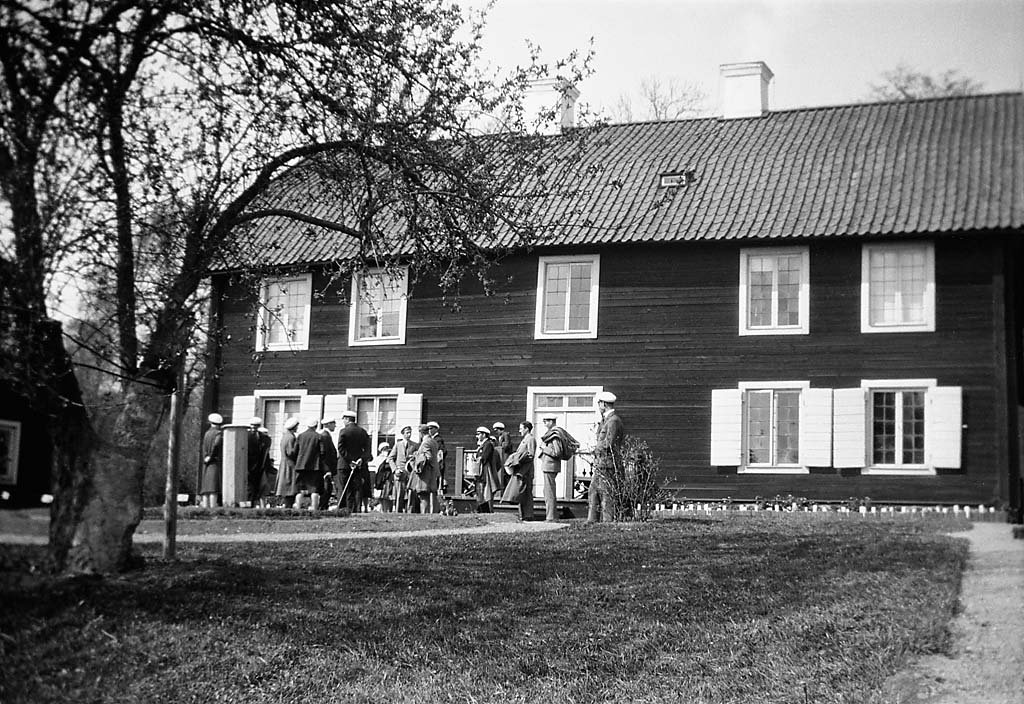
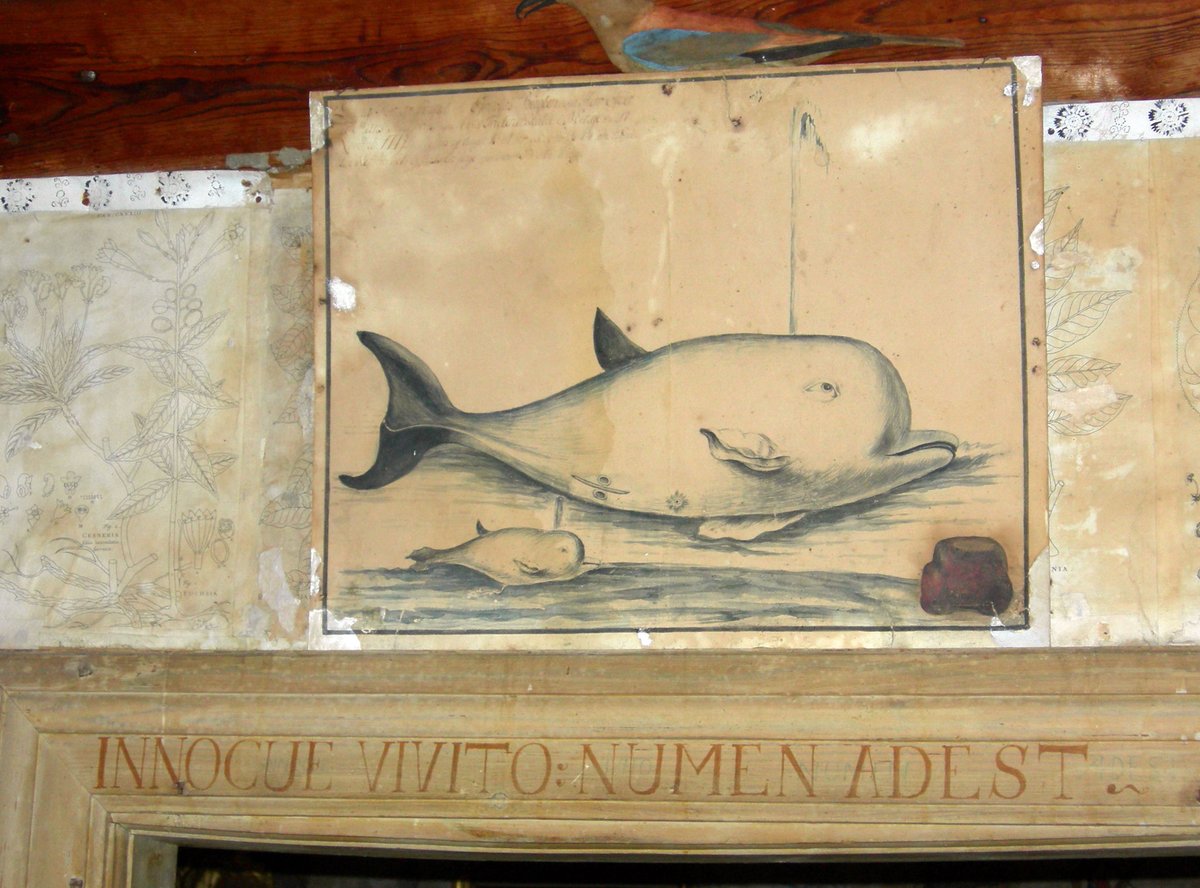
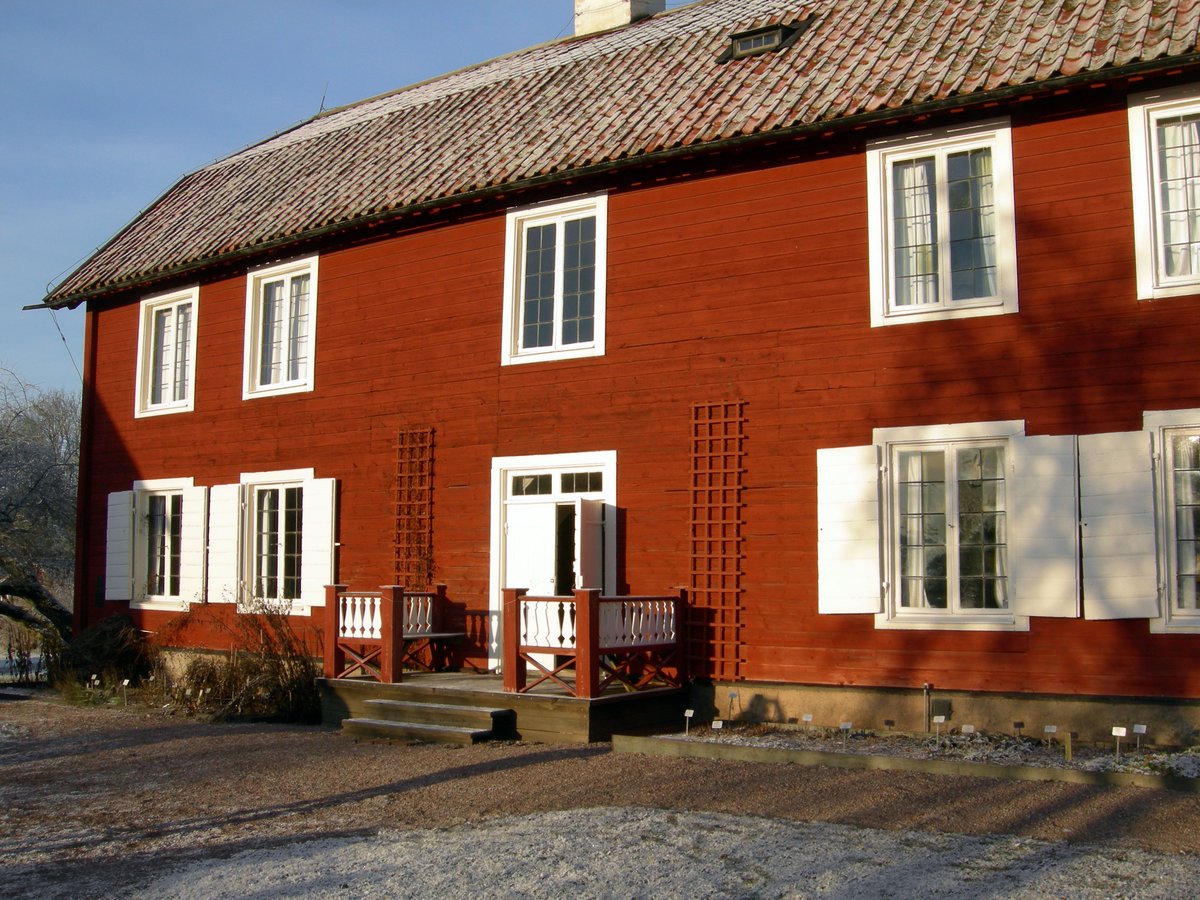
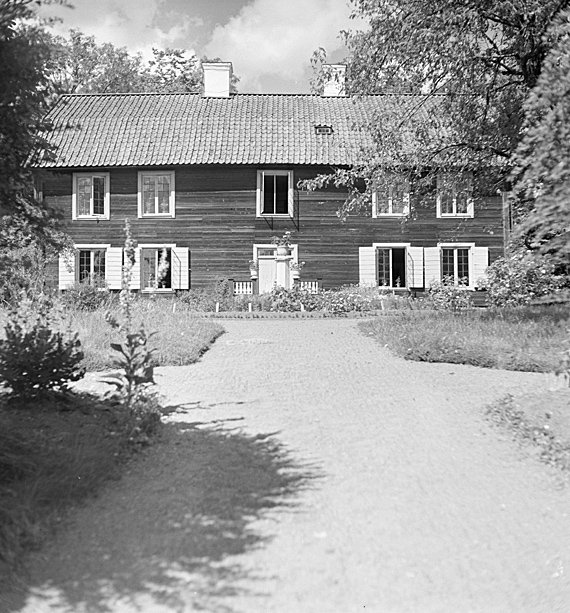
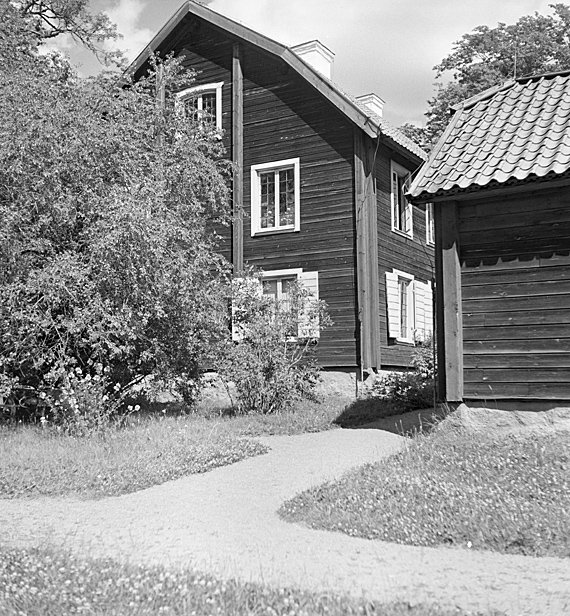
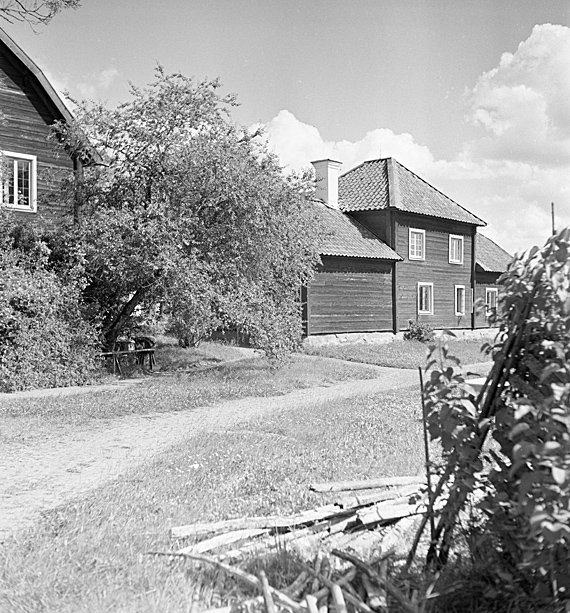
The two-story wooden manor house, completed in 1762, retains original interiors, furniture, art, and scientific instruments, offering a personal glimpse into Linnaeus’ family life and work. Unique features include Linnaeus’ study, with botanical illustrations on the walls, and period furnishings that reflect 18th-century Swedish rural society (Linnaeus Uppsala).
Gardens and Cultural Heritage Reserve
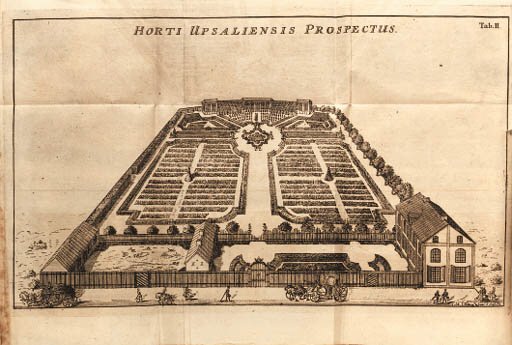
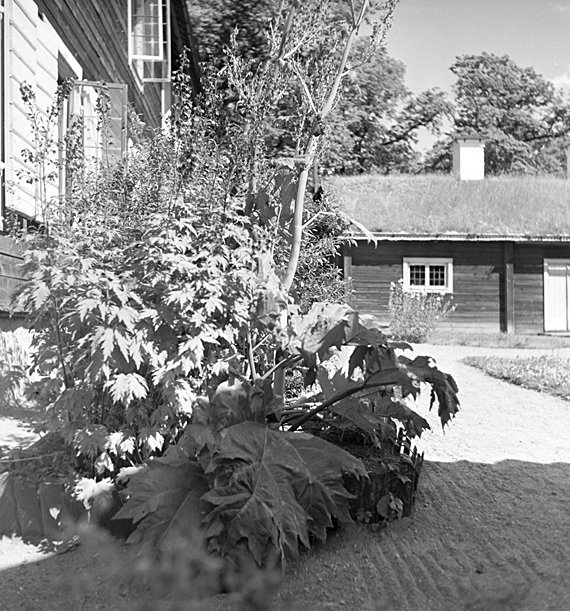
The gardens are laid out according to Linnaeus’ own classification system, showcasing both native and exotic species. Features include:
- Botanical gardens with Linnaean plants
- Kitchen gardens and orchards
- Hop gardens and crop fields
- A surrounding cultural reserve with traditional flora and fauna
The estate’s landscape invites visitors to experience the agricultural and horticultural practices of the Swedish Enlightenment (Uppsala University).
Linnaeus’ Work and Daily Life
Hammarby was not only a family home but also an active working estate managed by Linnaeus’ wife, Sara Lisa, and their children. The family cultivated vegetables, fruits, and hops, and the estate supported a range of agricultural activities characteristic of the period. Linnaeus’ scientific pursuits continued here, with the estate serving as a site for teaching, research, and correspondence with scholars worldwide (Linnaeus Uppsala).
Visiting Information: Hours, Tickets, and Tours
Opening Hours
- Season May 1 to August 31 (main season); reduced hours in September
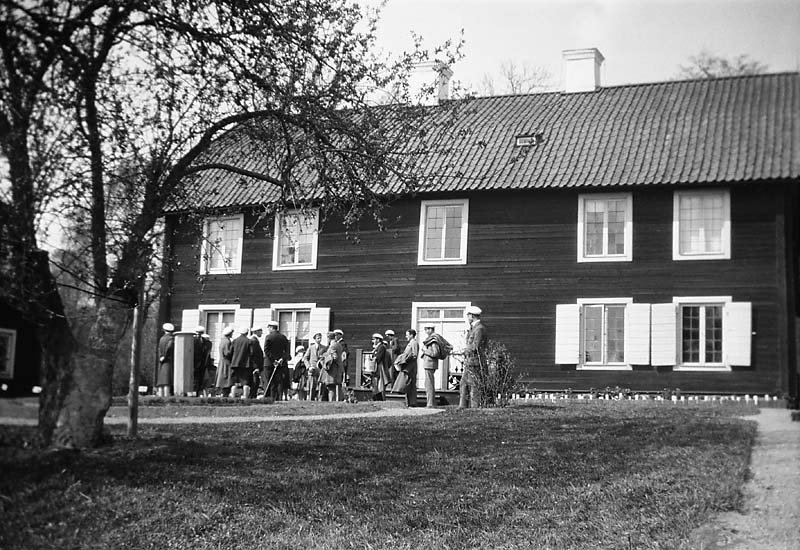
- Manor house and museum Open via guided tours only
- Gardens and cultural reserve Open year-round until 20:00 during the season
- Guided tours 4–6 daily in summer (1–2 in English); 2–3 daily in September
For the latest opening times, check the official website.
Tickets and Admission
- Individual admission SEK 120 (includes guided tour)
- Group rates and private tours Available with advance booking; costume-guided tours available for an additional fee
- Children, students, and seniors Discounts may apply
- Tickets Purchase online via Biljetto or at the museum shop (subject to availability)
Guided Tours
- Languages Swedish and English, with written materials available in several other languages
- Duration Approximately 1 hour (includes manor interior and gardens)
- Private and educational tours Available with advance arrangement (Uppsala University – Group Visits)
Virtual Visits
For those unable to visit in person, a virtual tour is available online.
Accessibility and Visitor Facilities
- Manor house Limited wheelchair access due to historic architecture
- Gardens Mostly wheelchair accessible with well-maintained paths
- Facilities Museum shop, restrooms, picnic areas; temporary food stalls during events; assistance dogs welcome
- Photography Allowed outdoors; indoor photography restrictions may apply—please check on-site
Getting There: Directions and Transport
- Car 20–25 minutes from Uppsala city center, with free on-site parking
- Bicycle Scenic 45–60-minute ride from the city
- Public Transport Seasonal bus service from Uppsala (Uppsala public transport); check schedules before traveling
- Address for GPS Linnaeus’ Hammarby, 755 98 Uppsala, Sweden
Activities and Events
Seasonal events include botanical walks, workshops, art exhibitions, and historical reenactments, especially during summer (Destination Uppsala Events). The estate also offers family-friendly programs and themed guided tours. The cultural reserve features trails ideal for birdwatching, photography, and picnics.
Nearby Attractions
Linnaeus Hammarby is part of a network of Linnaean sites in Uppsala, including:
- Linnaeus Garden and Museum
- Uppsala Botanical Garden
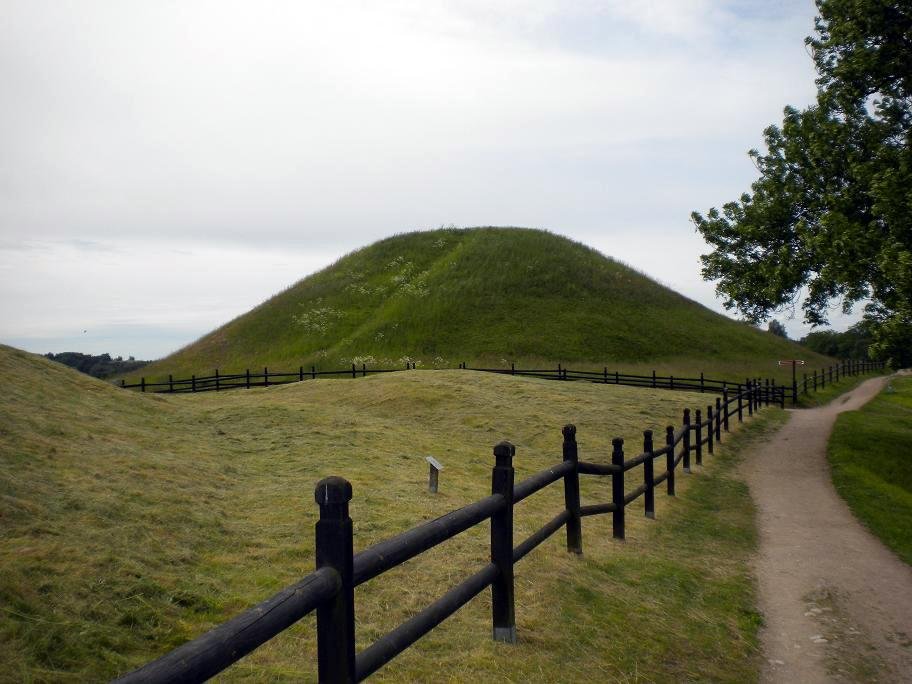
- Gamla Uppsala (ancient burial mounds and museum)
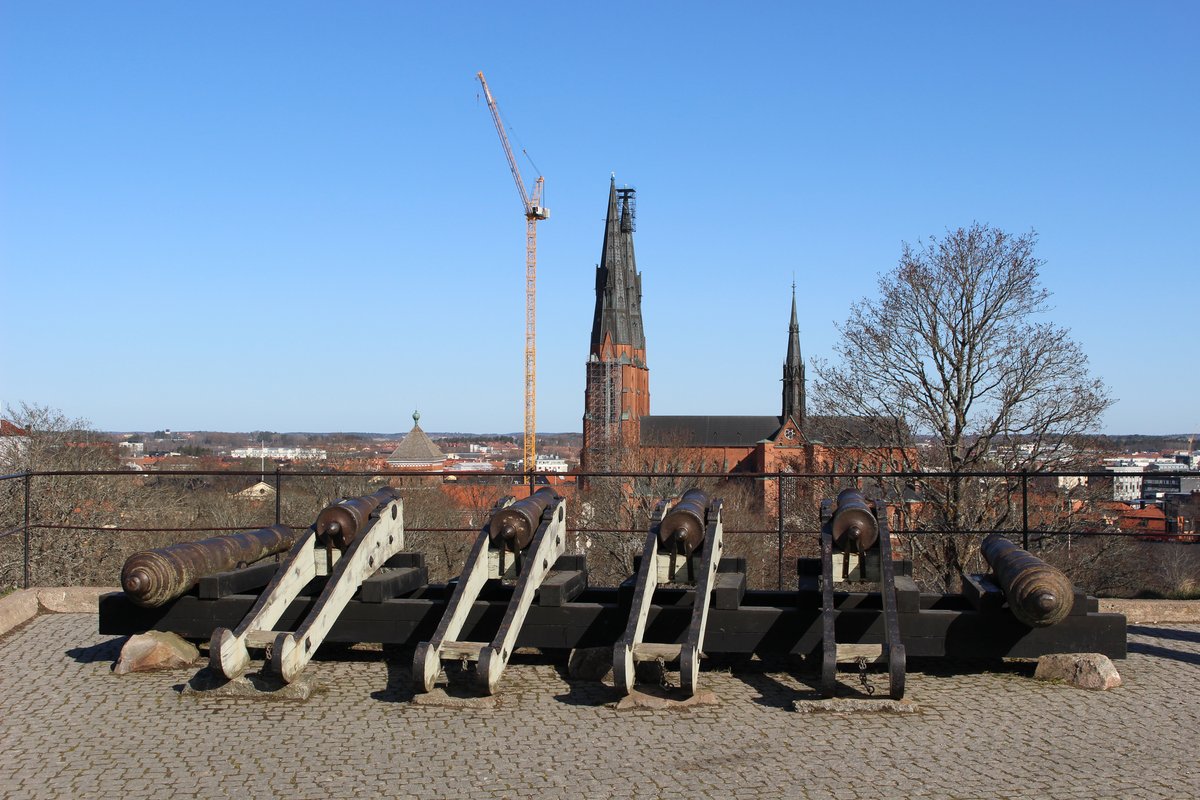
- Uppsala Cathedral and historic city center (Destination Uppsala)
Combining these sites offers a comprehensive view of Uppsala’s scientific and cultural landscape.
Frequently Asked Questions (FAQ)
Q: When is Linnaeus Hammarby open?
A: The manor house is open for guided tours from May 1 to August 31, with reduced hours in September. The gardens and grounds are accessible year-round until 20:00 during the season.
Q: How can I buy tickets?
A: Tickets are available online via Biljetto and at the museum shop when available.
Q: Are guided tours available in English?
A: Yes, English guided tours are scheduled daily during the main season and on select days in September.
Q: Is the estate accessible for those with mobility challenges?
A: Gardens and outdoor areas are mostly accessible; the manor house has limited wheelchair access.
Q: Can I visit virtually?
A: Yes, a virtual tour is available.
Q: Are there family-friendly or educational activities?
A: Yes, the estate offers family programs and educational workshops, particularly in summer.
Summary and Visitor Recommendations
Linnaeus Hammarby is a uniquely significant historical and cultural landmark, preserving the legacy of Carl Linnaeus and 18th-century Swedish rural life. Its beautifully restored manor house, thriving gardens, and expansive cultural reserve offer an authentic window into the world of a pioneering scientist. Guided tours in Swedish and English, seasonal events, and visitor facilities (including a museum shop and picnic areas) ensure a rich and accessible experience for all ages (Uppsala Museums; SLU).
For the best experience:
- Check current opening hours and tickets
- Book guided tours, especially for groups or peak seasons
- Wear comfortable clothing and bring a picnic for the scenic grounds
- Combine your visit with other Uppsala historical sites
- Use the Audiala app or similar digital guides for enhanced tours
Linnaeus Hammarby continues to inspire botanists, historians, and travelers, making it a must-visit destination for anyone exploring Sweden’s scientific and cultural heritage.