
Historical Background
Origins and Royal Construction
Uppsala Castle was commissioned in 1549 by King Gustav Vasa during a formative period for Sweden. The castle’s construction atop Uppsalaåsen, overlooking both the city and the Uppland plains, symbolized the consolidation of royal authority following the Reformation (SpottingHistory; History of Uppsala, Wikipedia). Its initial incarnation was a fortress, reflecting the need for defense in a time of religious and political upheaval.
The city of Uppsala, already a seat of ecclesiastical power and home to Sweden’s first university, was a natural site for this assertion of monarchical presence (History of Uppsala, Wikipedia).
Renaissance Expansion and Key Events
Under successive Vasa monarchs—Erik XIV, John III, and Charles IX—the fortress developed into a grand Renaissance palace, with elaborate halls, gardens, and façades mirroring European trends (SpottingHistory). The castle became a stage for major events, including:
- The Sture Murders of 1567, a dramatic episode of political intrigue under Erik XIV.
- King Gustavus II Adolphus’s 1630 declaration of Sweden’s entry into the Thirty Years’ War.
- Queen Christina’s abdication in 1654, which reverberated across Europe (slottshistoriska.uppsala.se).
Destruction and Restoration
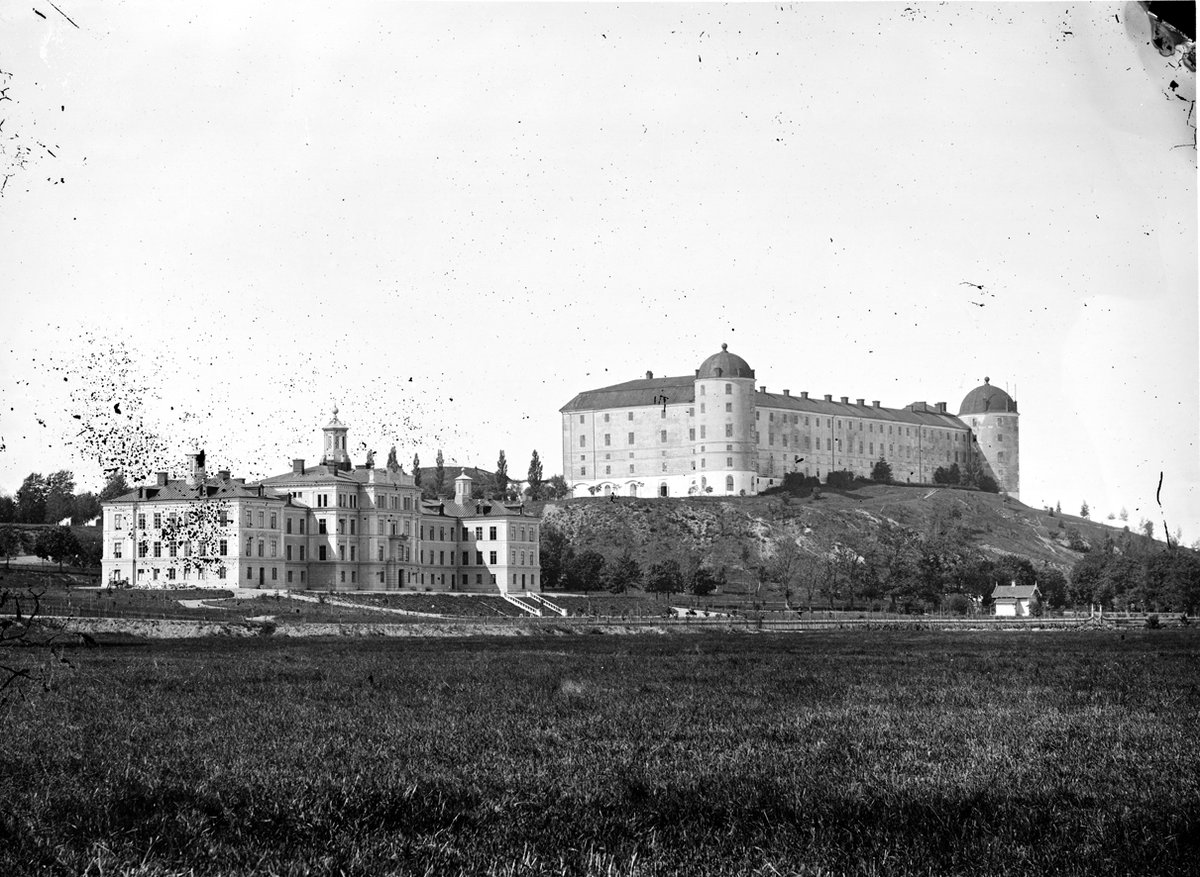
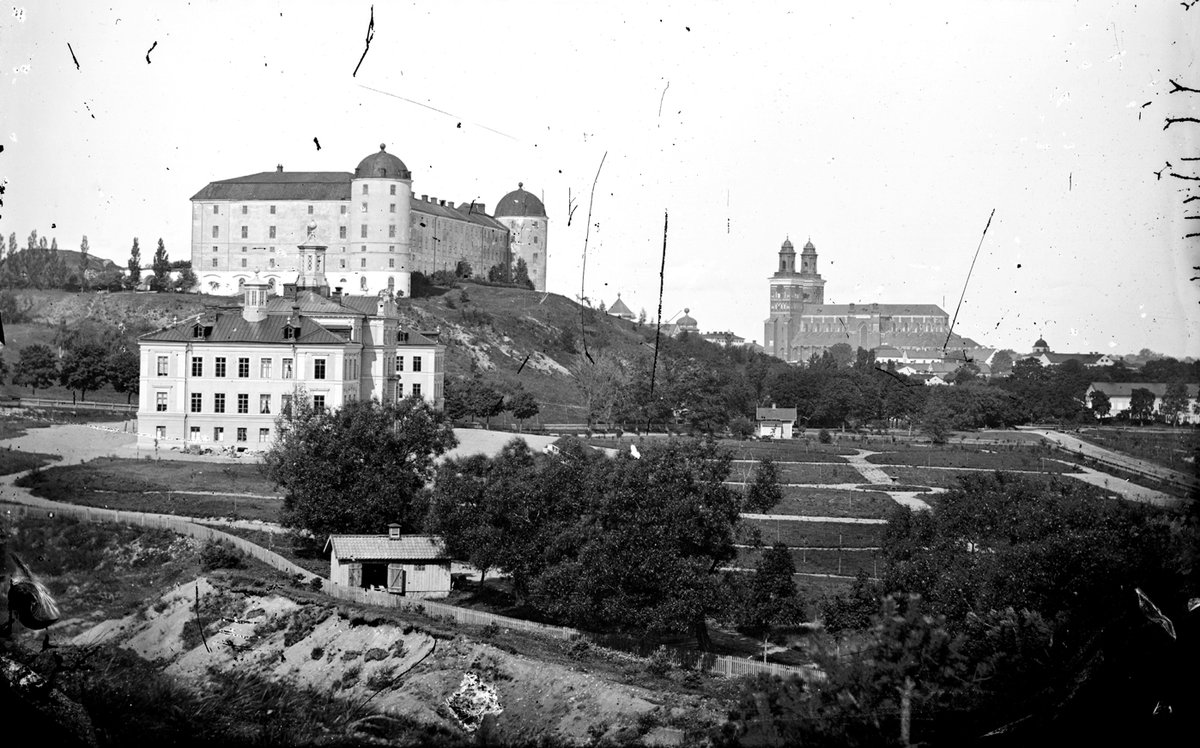
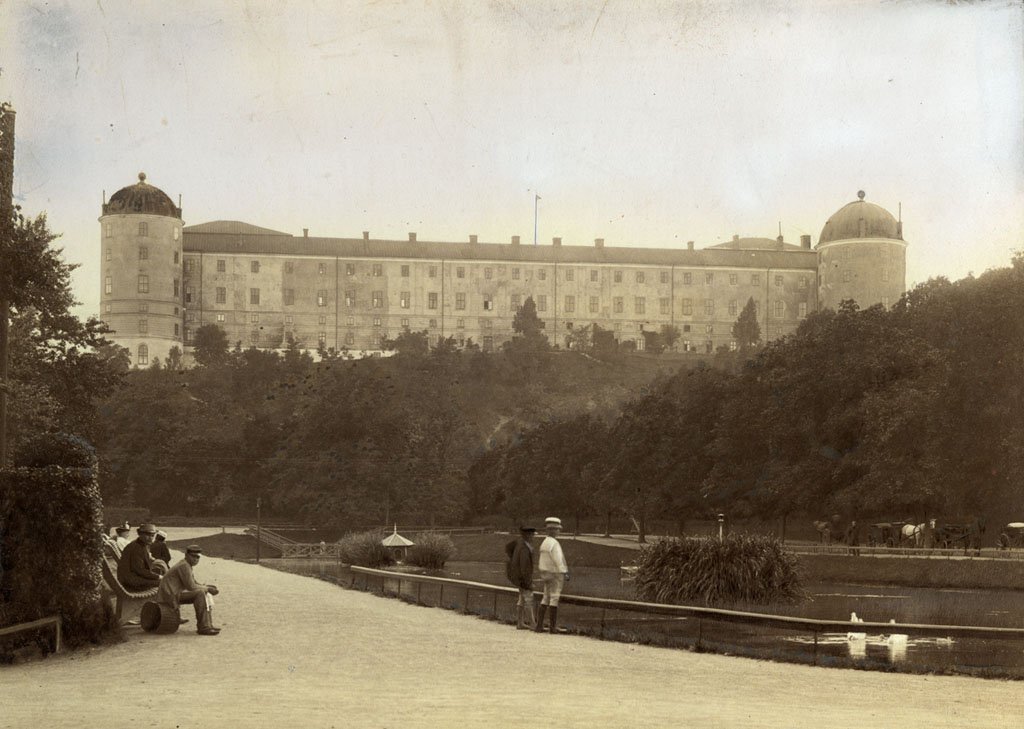
The castle suffered extensive damage in a 1702 fire, leading to partial ruin and a period of decline as Stockholm rose in prominence (History of Uppsala, Wikipedia; SpottingHistory). Restoration efforts over the centuries have preserved key structures and enabled the castle’s modern role as a cultural and administrative center.
Administrative and Cultural Role
Uppsala Castle continues to serve as the residence of the County Governor and a venue for official state functions (SpottingHistory). It is also home to the Uppsala Art Museum and, since 2025, the Uppsala Castle Museum. The Vasaborgen ruins allow visitors to step back into the castle’s original fortress era, with guided tours and exhibitions (Visit Sweden).
Architectural Features
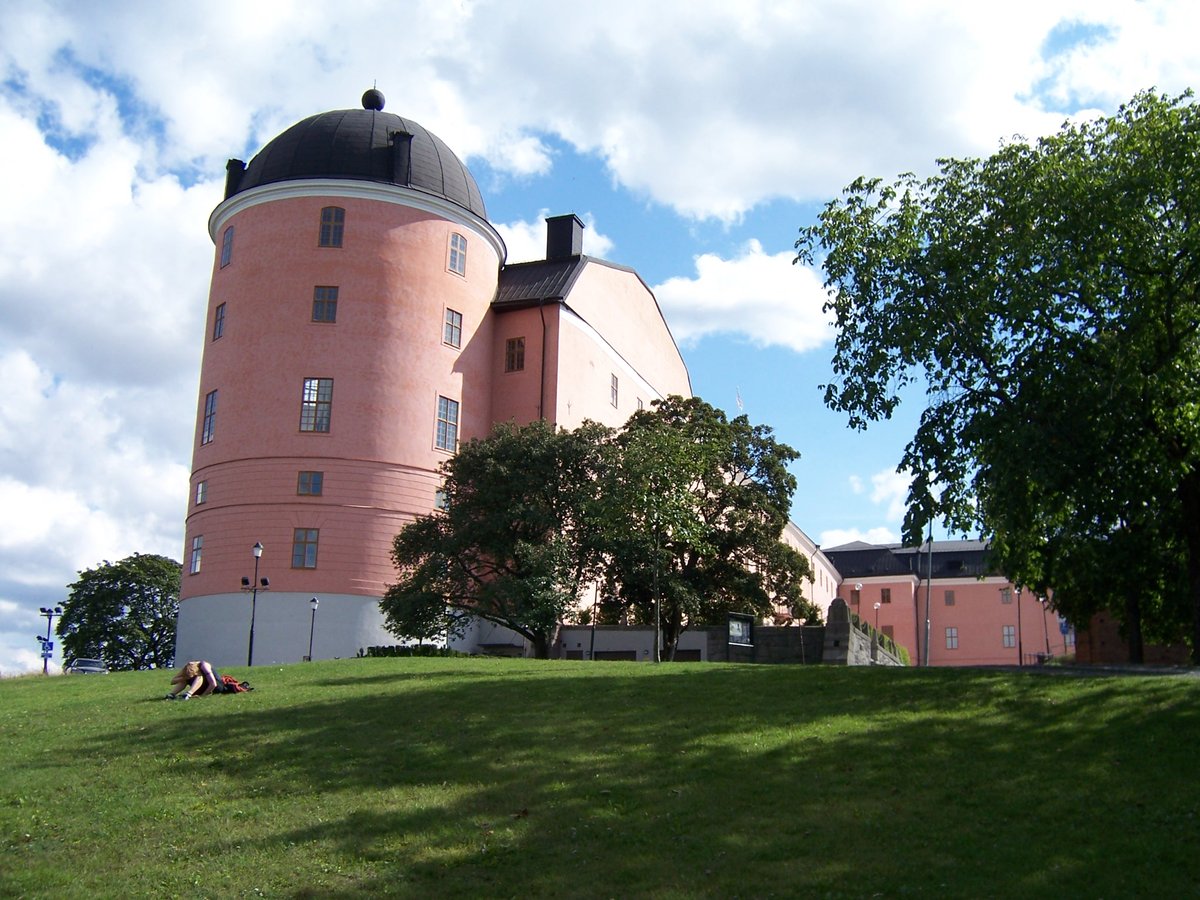
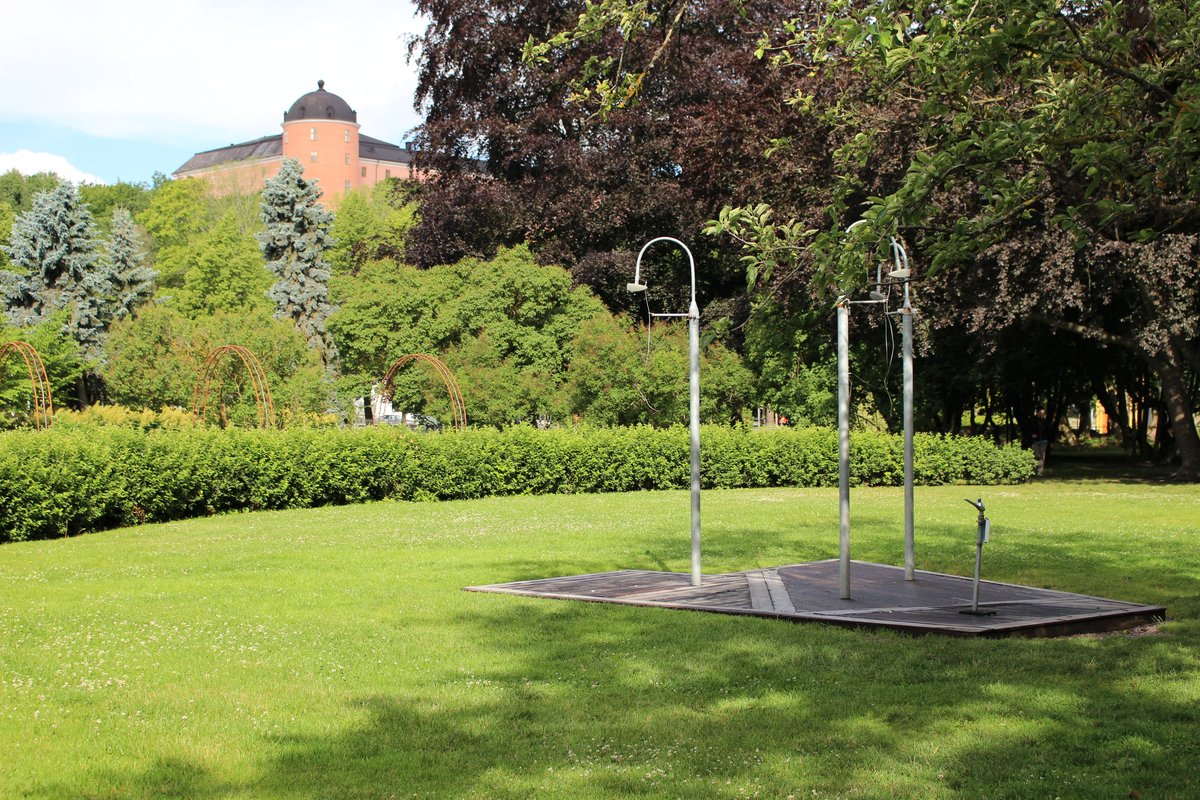
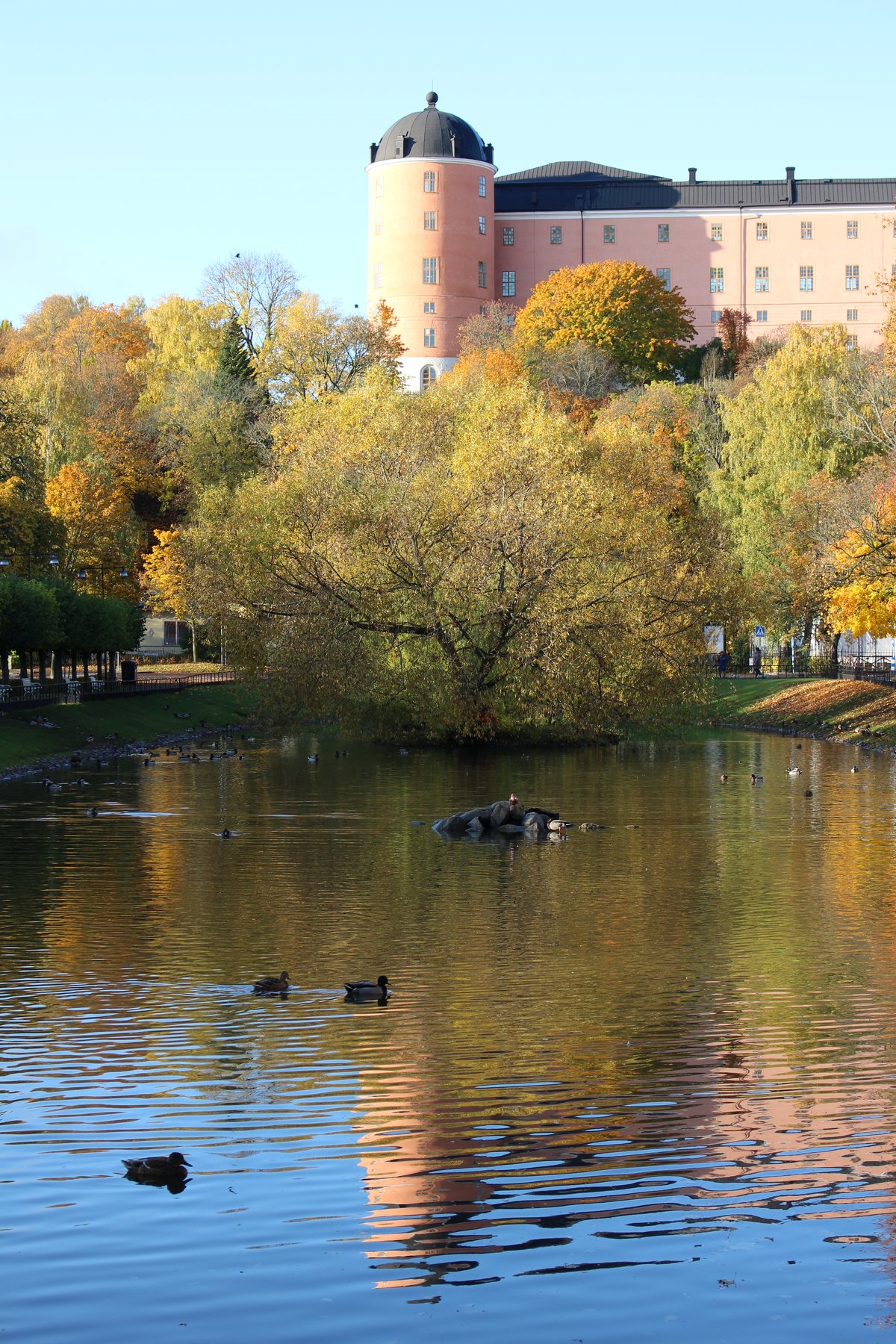
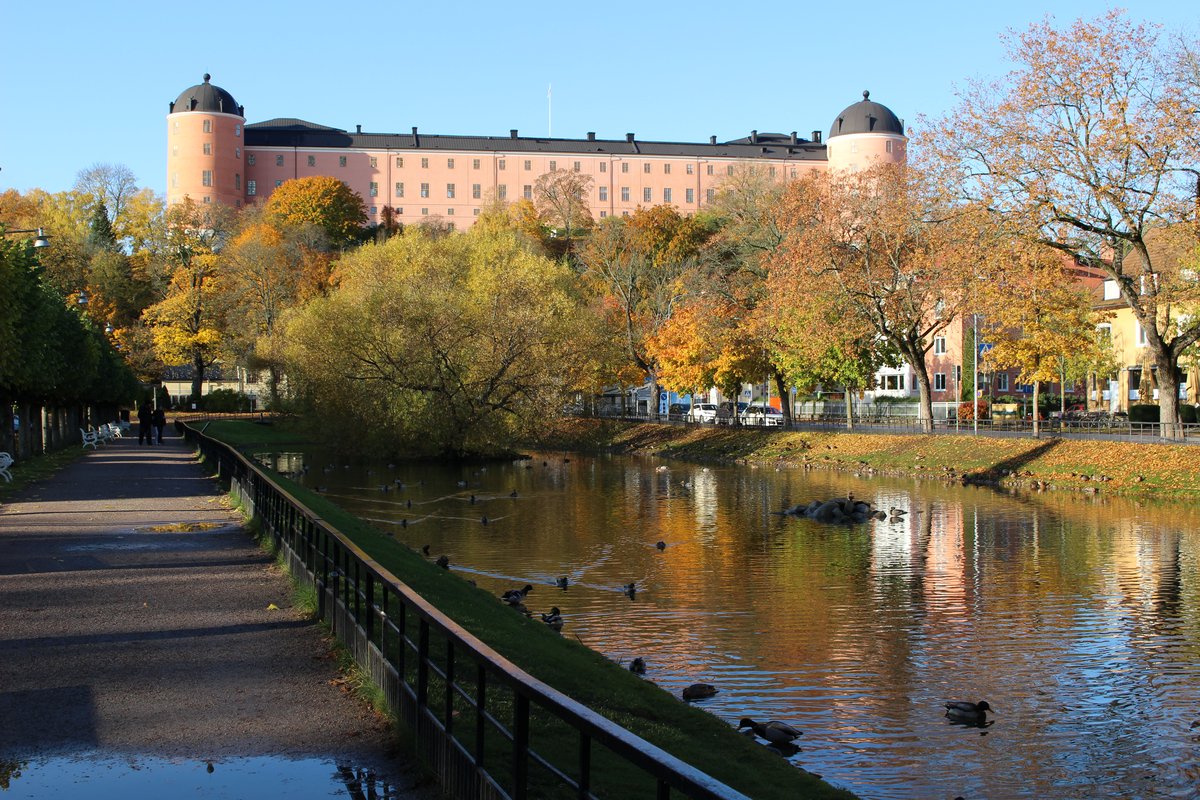
The pink-and-white Renaissance façade dominates the city skyline. Notable interiors include the Hall of State, royal apartments, and the evocative Vasaborgen ruins, where thick stone walls and chambers recall the castle’s origins (SpottingHistory; Visit Sweden). The juxtaposition of restored grandeur and preserved ruins offers an immersive experience.
Role in Swedish History
Uppsala Castle’s evolution—from fortress to palace, from royal residence to cultural institution—reflects Sweden’s transformation through the Reformation, the rise of empire, and modern nationhood (History of Uppsala, Wikipedia). Its halls have seen coronations, royal dramas, and civic milestones, making it an enduring symbol of Swedish identity.
Visiting Uppsala Castle: Essential Information
Visiting Hours & Seasonal Variations
- Uppsala Art Museum Tuesday–Sunday, typically 10:00–17:00 (extended hours in summer). Closed Mondays. Confirm current hours on the official website.
- Vasaborgen Open June–August. Pre-booked group tours available year-round (Vasaborgen).
- Uppsala Castle Museum Open since May 2025; check museum’s portal for details.
- Special events may affect opening hours; always check in advance.
Tickets and Admission
- Vasaborgen Adults 120 SEK; Children/Students/Retired 60 SEK. Card payment only (Vasaborgen).
- Uppsala Art Museum Free entry for most exhibitions; fees may apply for special shows (Uppsala Art Museum).
- Uppsala Castle Museum Consult official site for current rates.
- Guided Tours Additional fees apply; pre-booking recommended.
- Group discounts Available for schools and organizations.
Accessibility
- The main castle and art museum are wheelchair accessible (ramps and elevators).
- Vasaborgen ruins are not accessible for visitors with mobility challenges due to uneven surfaces (Vasaborgen).
- Contact the venue in advance for specific accessibility needs.
Facilities and Amenities
- Café & Bar Light meals and refreshments available (Destination Uppsala).
- Restrooms and Wi-Fi: Provided throughout the main castle.
- Gift Shop Souvenirs and books.
- Event Spaces Rikssalen hall and Vasaborgen Tower Room for private events and weddings (Uppsala Castle).
Guided Tours & Experiences
- Self-Guided Visits Multilingual signage and digital resources.
- Guided Tours Available in English and Swedish; includes castle history, art collections, and themed experiences like ghost walks (Vasaborgen).
- Rooftop Walks Occasional tours for panoramic city views; check schedule (Uppsala Art Museum).
How to Get There
- On Foot 10–15 mins from Uppsala Central Station.
- By Car Limited parking near the castle; public transport or walking is recommended during busy periods (Destination Uppsala).
- Public Transport Local buses stop near the castle.
- Bicycle Bike racks available; cycling is popular in Uppsala.
Nearby Attractions
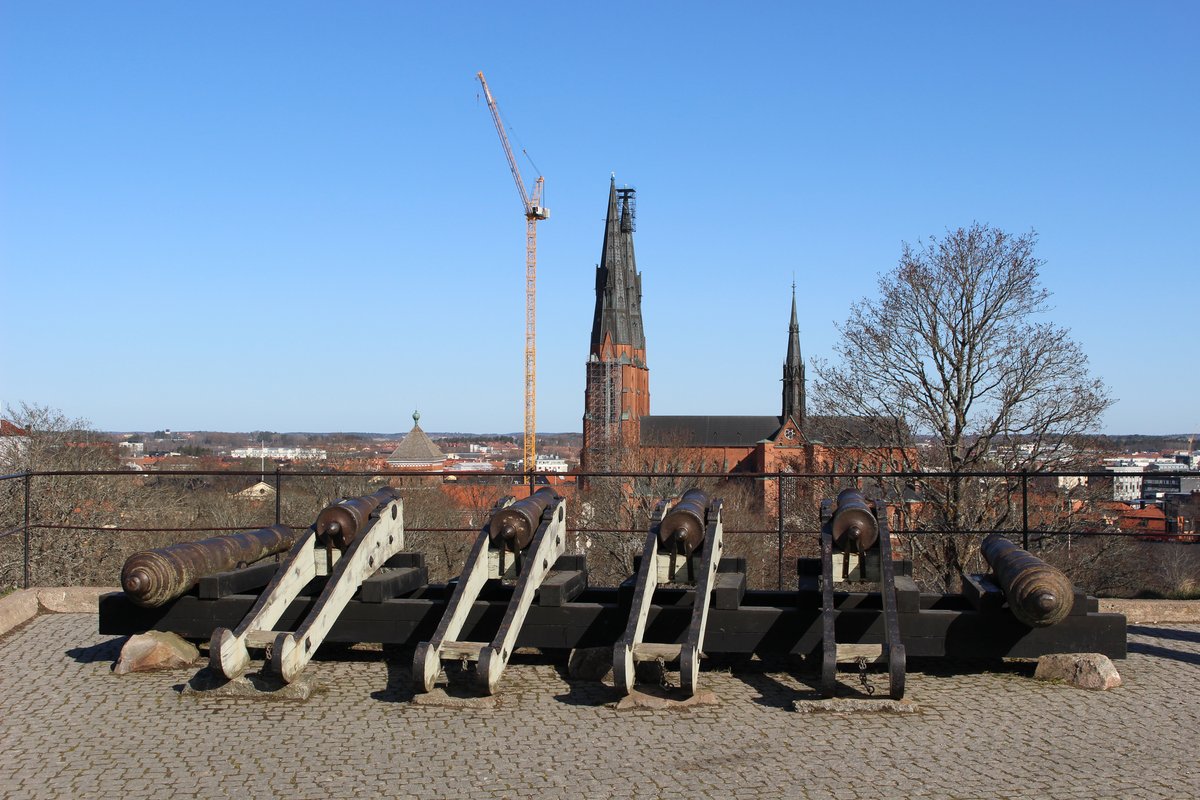
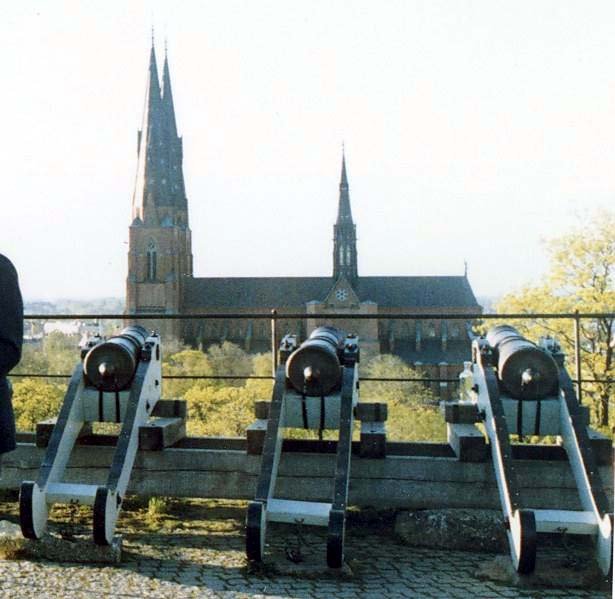
- Uppsala Cathedral Historic Gothic church, a short walk from the castle.
- Botanical Gardens Adjacent to the castle, ideal for strolls and seasonal blooms.
- Gustavianum Museum and Linnaeus Garden: Explore Uppsala’s academic and scientific legacy.
Special Events & Exhibitions
- Art Exhibitions Rotating displays at the art museum (misfitwanders.com).
- Historical Reenactments Seasonal events and guided experiences.
- Concerts & Lectures Hosted in grand halls or outdoor courtyards (The World Castle).
- Weddings & Private Events Unique settings for ceremonies and celebrations (Vasaborgen).
FAQs
Q: What are Uppsala Castle’s visiting hours?
A: Hours vary by attraction; generally Tuesday–Sunday, 10:00–17:00 for the art museum, with seasonal variation. Vasaborgen is open June–August. Always confirm on the official website.
Q: Are tickets required?
A: Many areas are free; Vasaborgen and special tours require tickets. Payment is by card only.
Q: Is Uppsala Castle accessible for disabled visitors?
A: The main castle and art museum are accessible; Vasaborgen ruins are not.
Q: Are guided tours offered in English?
A: Yes, English tours (including themed options) can be booked in advance.
Q: Can I bring pets?
A: Only service animals are permitted inside the main buildings.
Q: How do I reach Uppsala Castle?
A: Walk from the city center, take local buses, or arrive by car (limited parking). Cycling is also popular.
Q: What should I wear?
A: Weather-appropriate clothing, comfortable walking shoes for uneven surfaces.