
Origins and Foundation of Upplandsmuseet
Founded over a century ago, Upplandsmuseet was established as a regional hub for the preservation, research, and presentation of Uppland’s rich heritage (DigitaltMuseum). The museum’s mandate spans the province of Uppland, a historic region that covers parts of both Uppsala and Stockholm counties, playing a key role in representing and interpreting the area’s broad cultural identity (Spotting History).
The Akademikvarnen: Historic Setting
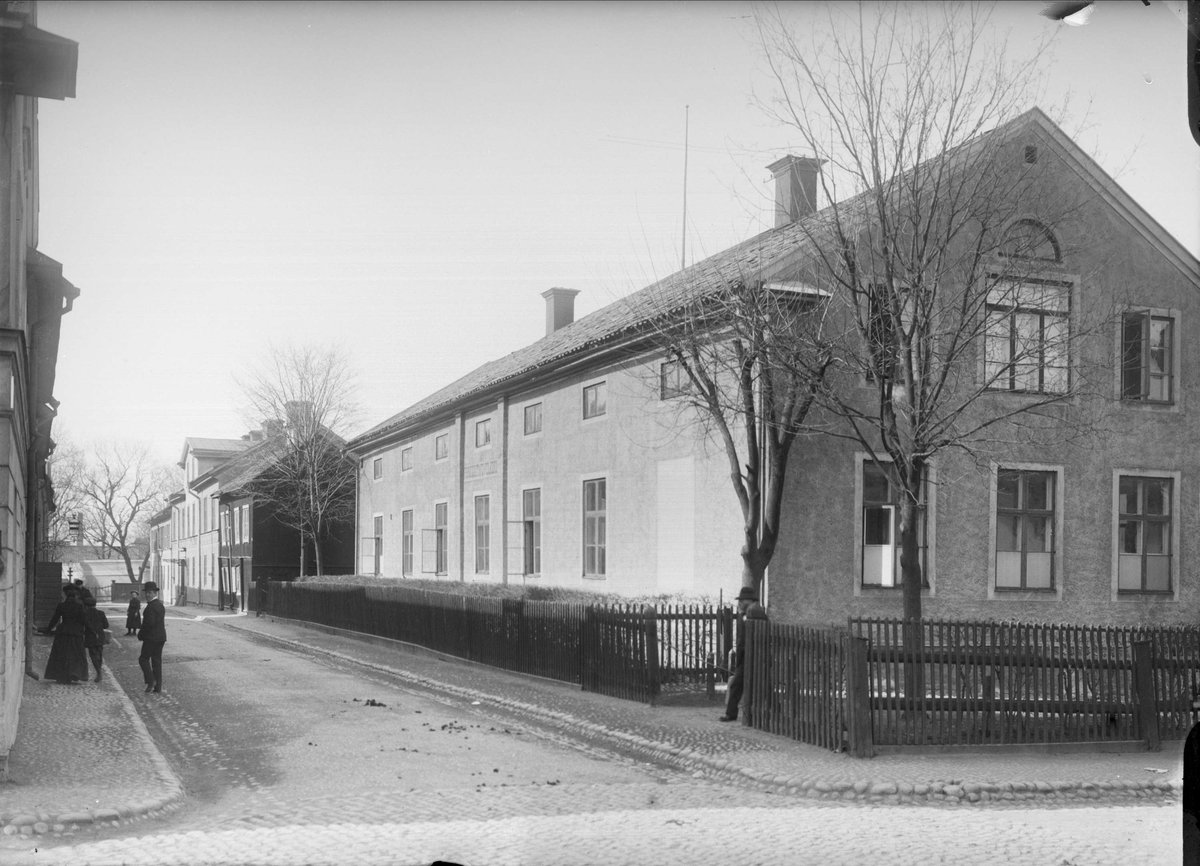
Upplandsmuseet is located in Akademikvarnen ("Academy Mill"), an 18th-century watermill originally built for Uppsala University on the banks of the Fyris River (Lonely Planet). This architectural landmark is not only central to Uppsala’s industrial and academic history but also featured as the bishop’s house in Ingmar Bergman’s film "Fanny and Alexander" (1982) (Spotting History). The adaptive reuse of Akademikvarnen exemplifies Sweden’s dedication to preserving its heritage while serving modern cultural needs.
Collections and Research
With over 800,000 artifacts and about 2.5 million photographs, Upplandsmuseet is among Sweden’s foremost regional museums (DigitaltMuseum). Its collections encompass:
- Folk culture and art Traditional costumes, music, crafts.
- Archaeological finds Tools, jewelry, and objects from prehistory to the Middle Ages.
- Urban and industrial history Documents, photos, and objects illustrating Uppsala’s growth.
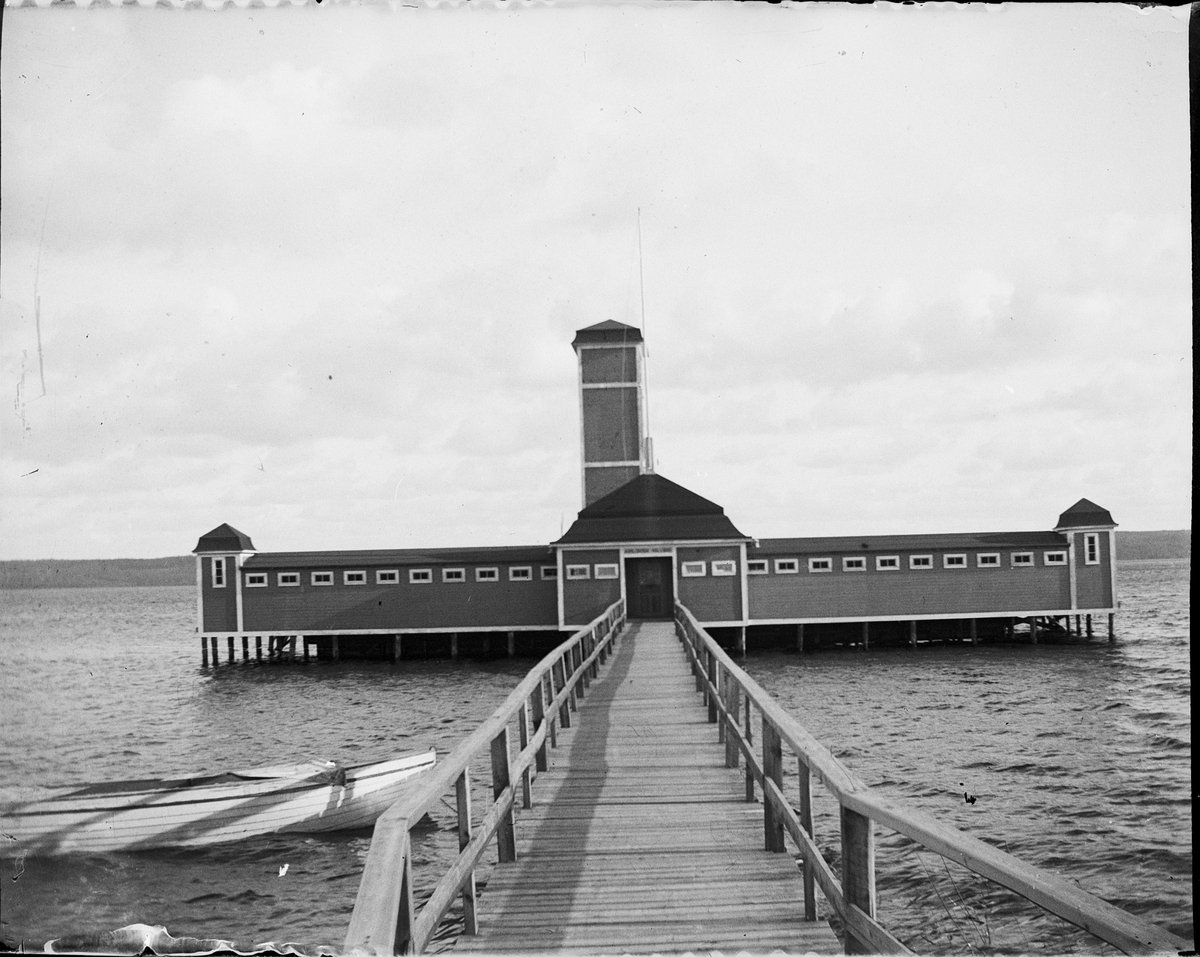
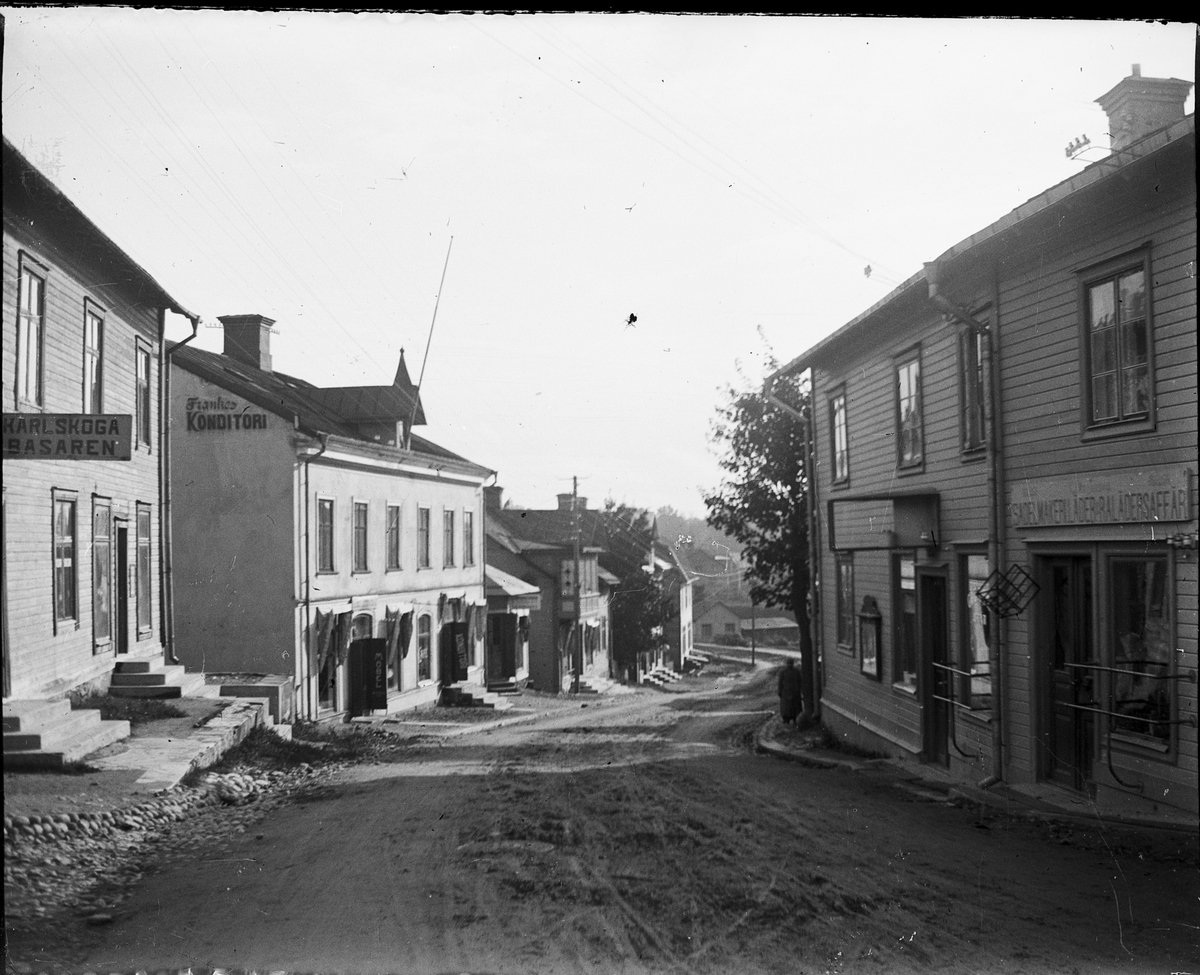
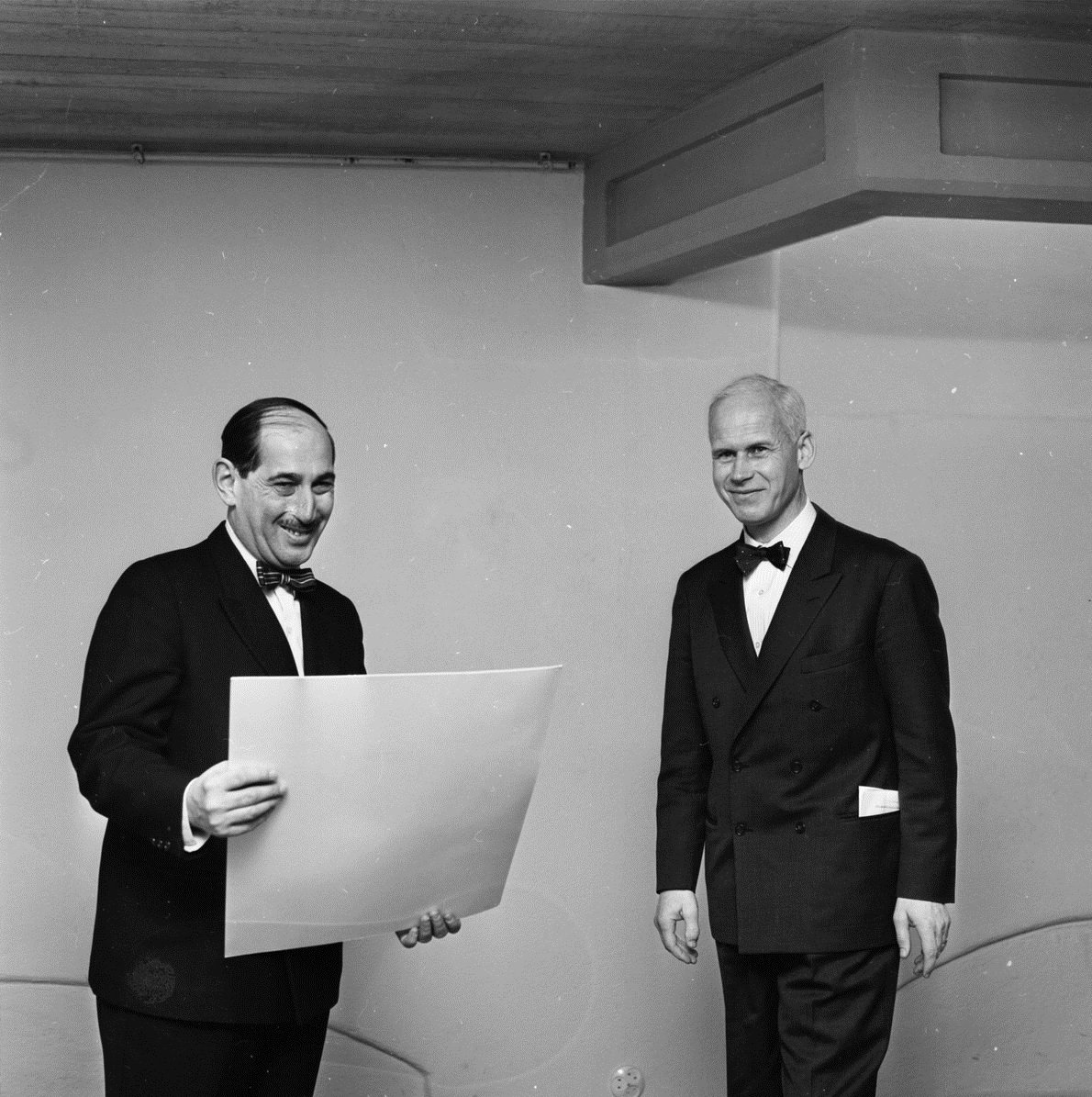
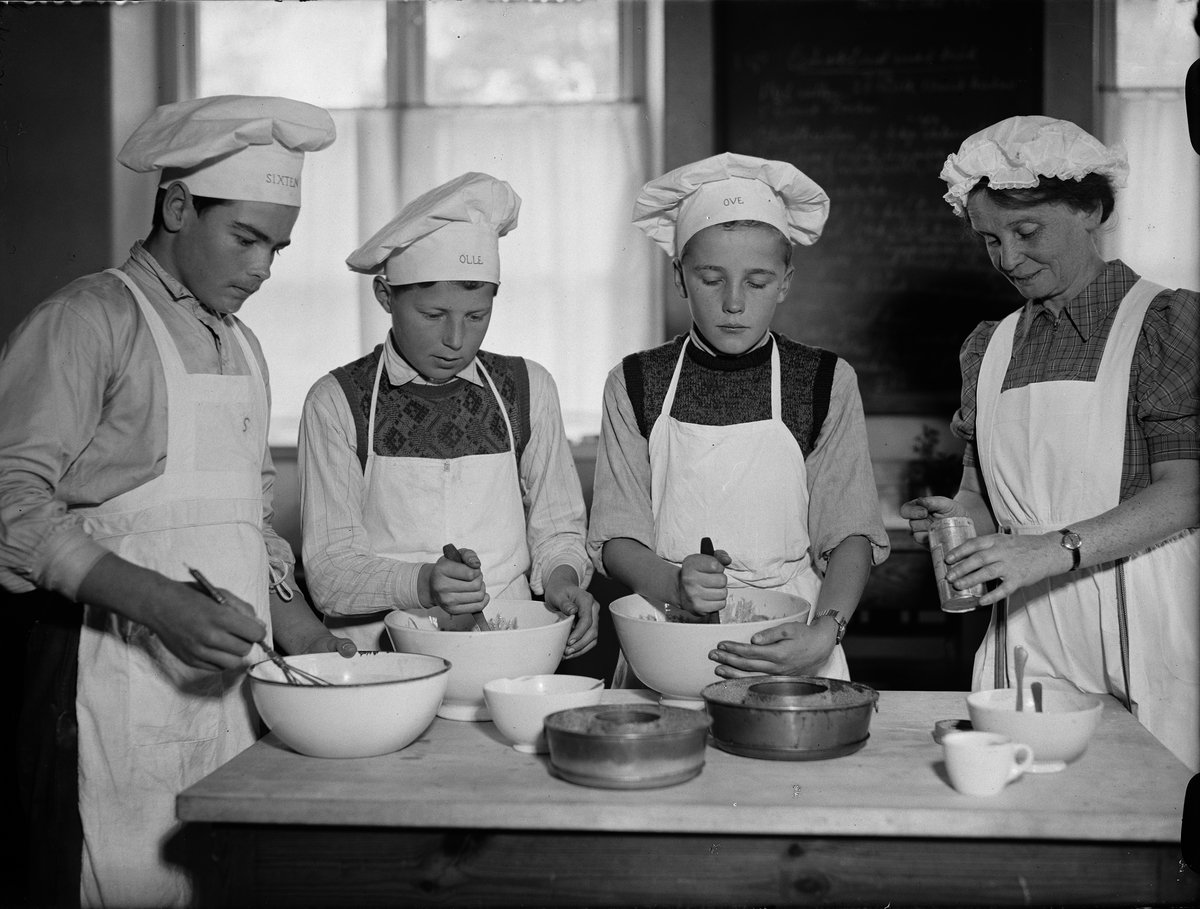
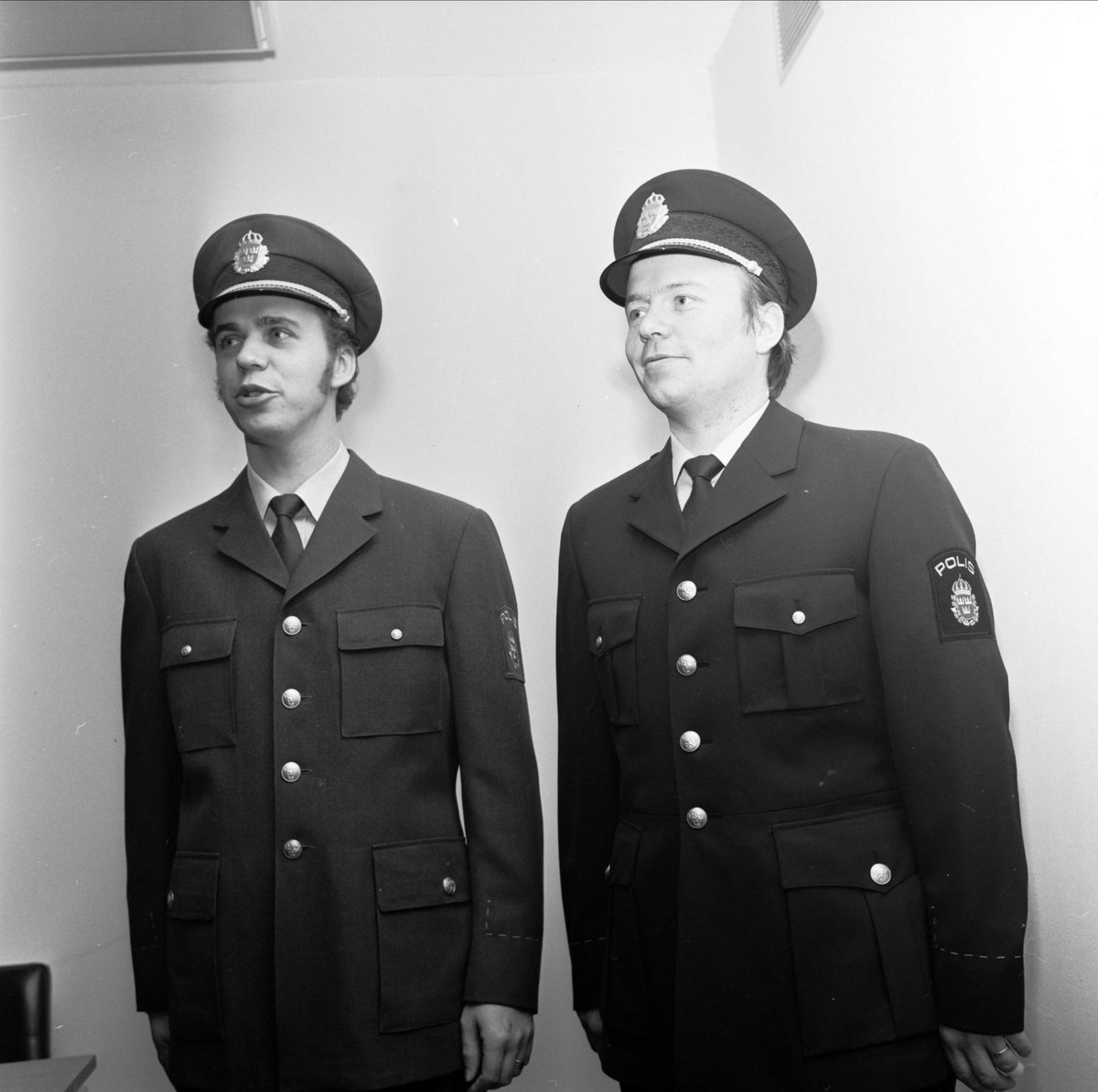
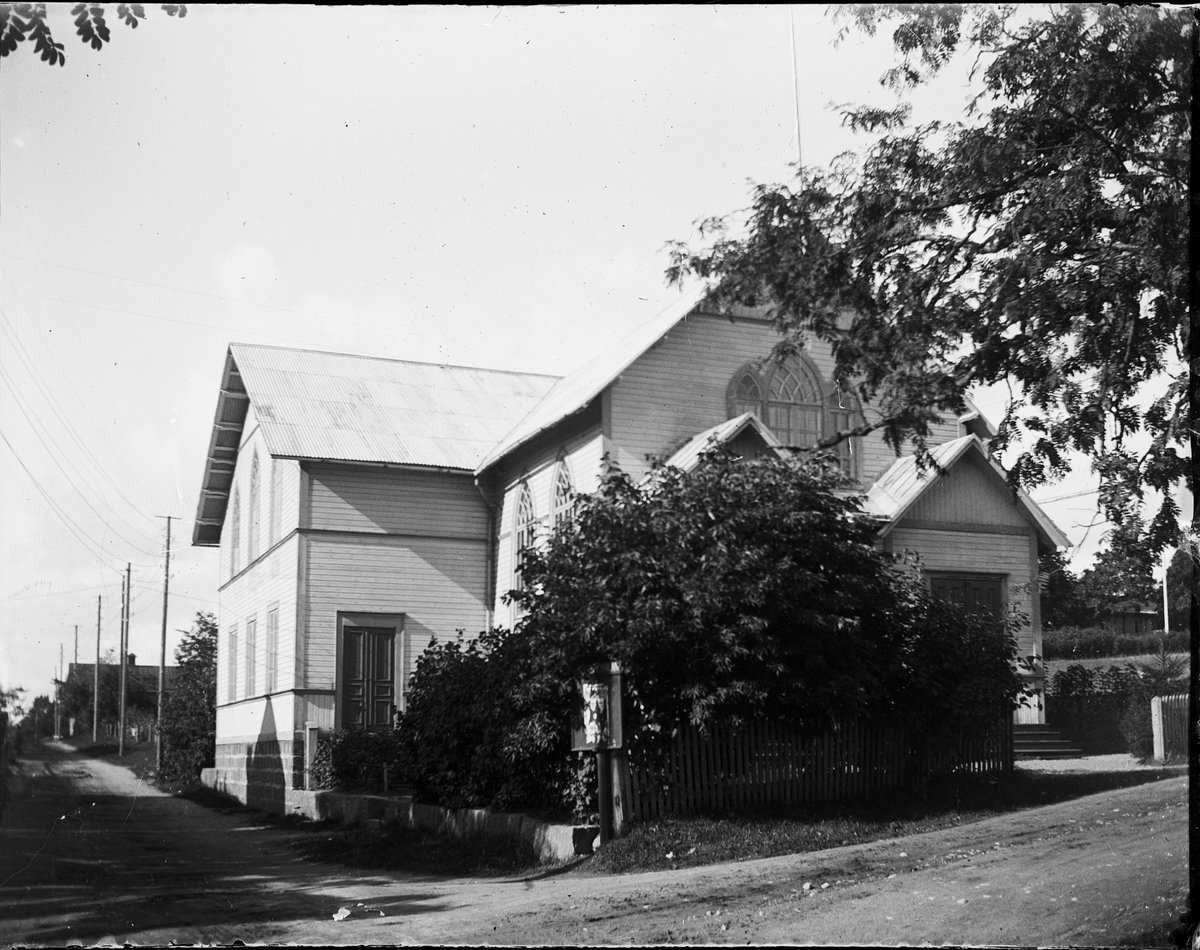
- Photographic archives Notable collections from Henri Ostis (1860s), John Alinder (early 1900s), and Uppsala Bild.
The museum is also a key center for archaeological research in the region, with ongoing excavations and academic collaborations deepening the understanding of Uppland’s ancient past.
Exhibitions: Permanent & Temporary
Permanent Exhibitions
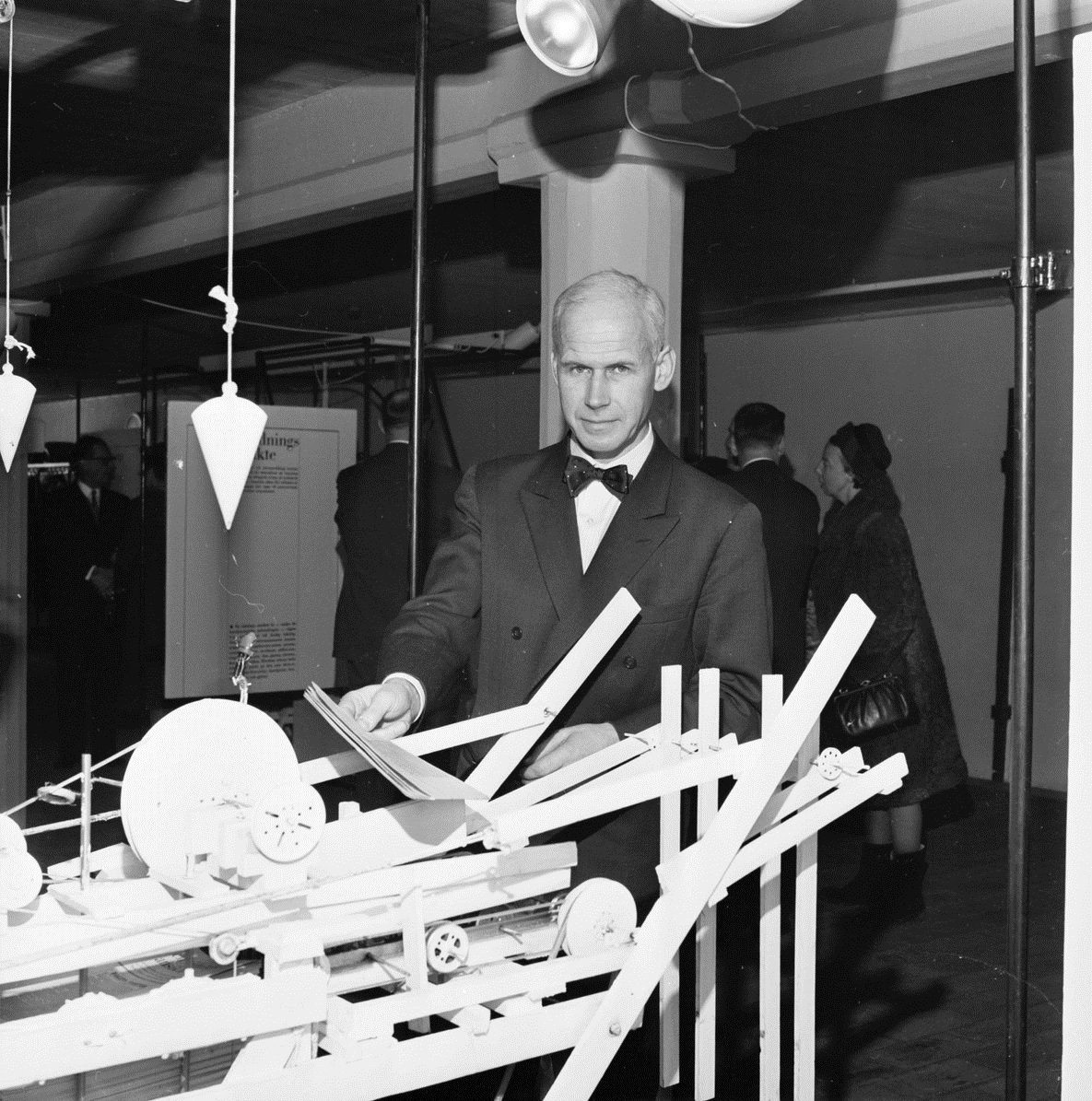
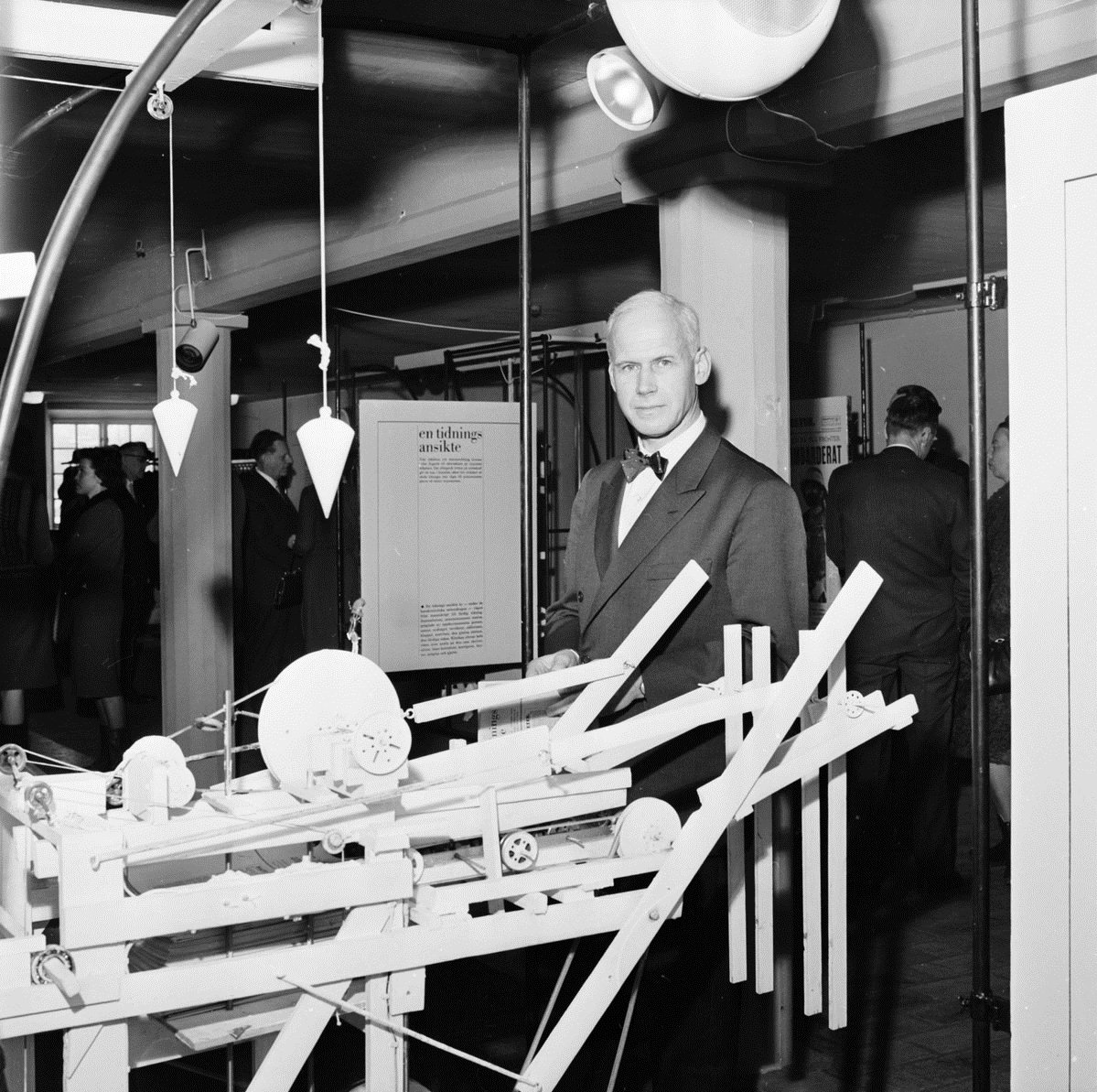
Upplandsmuseet’s core displays guide visitors through Uppsala and Uppland’s evolution, from early settlements and Viking society to modern urban and student life (Spotting History). Interactive dioramas, period rooms, and multimedia elements engage visitors of all ages (Lonely Planet).
Temporary Exhibitions
Regularly changing exhibitions address contemporary and historical themes. For example, the 2025 exhibition "De assimilerade" by Robin Tinglöf focuses on the Resande people, highlighting stories of migration, persecution, and identity (De assimilerade). Other themes include crafts, recent archaeological finds, and social history.
Visiting Information: Hours, Tickets, Accessibility
- Opening Hours Tuesday–Sunday, 12:00–17:00; closed Mondays.
- Admission (June 2025)
- Adults: 150 SEK
- Students/Seniors: 120 SEK
- Children/Youth (0–19): Free
- Annual Pass: 280 SEK (valid at Upplandsmuseet & Gamla Uppsala Museum)
- Tickets Purchase onsite or online (Opening Hours & Tickets).
- Guided Tours Available in Swedish and English by appointment.
- Accessibility Full wheelchair access, lifts, ramps, accessible toilets, and induction loops. Support for visitors with disabilities can be arranged (Accessibility Info).
- Location S:t Eriks torg 10, central Uppsala. Easily reached by public transport, foot, or bicycle.
Unique Features and Visitor Tips
- Photography Allowed (without flash) in most areas.
- Family-Friendly Interactive children’s exhibitions and family workshops.
- Riverside Setting Picturesque views and tranquil atmosphere.
- Gift Shop Features local crafts and books.
- No onsite café, but many options nearby.
Nearby Historical Sites
- Uppsala Cathedral Sweden’s largest medieval church, a short walk away.
- Museum Gustavianum Uppsala University’s museum with archaeological treasures.
- Uppsala Castle Renaissance castle with gardens and panoramic city views.
- Gamla Uppsala Museum Explore Viking and pre-Christian history near the Royal Mounds (Gamla Uppsala Museum).
- Disagården Open-Air Museum Authentic 19th-century rural life (Disagården).
All are easily accessible, supporting a full-day exploration of Uppsala’s rich past.
Digitalization and Online Access
Since 1999, Upplandsmuseet has digitized much of its collections, making them accessible globally via DigitaltMuseum. This initiative supports public engagement and collaborative knowledge-building.
FAQs
Q: What are Upplandsmuseet’s opening hours?
A: Tuesday–Sunday, 12:00–17:00; closed Mondays.
Q: How much do tickets cost?
A: Adults: 150 SEK; students/seniors: 120 SEK; children/youth under 19: free.
Q: Is the museum wheelchair accessible?
A: Yes, with comprehensive facilities for visitors with disabilities.
Q: Are guided tours available?
A: Yes, in Swedish and English by appointment.
Q: Can I photograph the exhibits?
A: Yes, without flash in most areas.
Q: Does the annual pass include other museums?
A: Yes, it covers both Upplandsmuseet and Gamla Uppsala Museum.
Contact Information
- Address S:t Eriks torg 10, 753 10 Uppsala
- Phone +46 18 16 91 01
- Email [email protected]
- Website www.upplandsmuseet.se