Historical Background
Early Foundations
The origins of higher education in Málaga trace back to the Normal School (1846) and the Seminary (1587), with later developments such as the Faculty of Economics in 1963 (then linked to the University of Granada) (malagacar.com). Civic advocacy in the 1960s led to the creation of the University of Málaga in 1972, addressing a pressing need for a local university in a rapidly growing city (Wikipedia).
Development of Teatinos Campus
Initially, UMA's main faculties were based at the El Ejido campus. As the university expanded, the need for a larger and more modern campus led to the development of Teatinos in the city's northwest. The Faculty of Philosophy and Letters was among the first to move in 1985, followed by further centralization of other faculties. Today, the campus spans roughly 2 million square meters and is home to most UMA faculties, including Medicine, Sciences, Engineering, Law, and more (malaga-university.org, andalucia.com).
Recent Expansion and Private Universities
Teatinos continues to evolve, with the construction of the Universidad Europea de Andalucía campus (opening in 2025) and future plans for the Alfonso X El Sabio Mare Nostrum campus. These initiatives reinforce Málaga's reputation as a national educational hub. The new private institutions offer additional undergraduate and postgraduate programs and provide scholarships to local residents (laopiniondemalaga.es, cadenaser.com).
Urban and Social Impact
With over 40,000 students (including 6,000 international), Teatinos has revitalized its district, spurring growth in student housing, dining, and nightlife. The campus is a cultural hotspot, hosting festivals, film events, and public lectures. Strategic integration with Málaga’s transport network makes it highly accessible (andalucia.com, malagacar.com).
Architectural Features
Teatinos is characterized by sustainable, low-rise buildings surrounded by landscaped gardens and pedestrian avenues. New projects, like the Universidad Europea de Andalucía campus, emphasize energy efficiency and accessibility, while the overall campus design prioritizes green spaces and walkability (laopiniondemalaga.es).
Academic and Research Profile
UMA offers 65 degree programs, 6 double degrees, 21+ doctoral programs, and 64 master's degrees. The campus is a leader in health sciences, engineering, and social sciences, with strong research ties to the Andalucía Technology Park (Wikipedia).
Visitor Information
Visiting Hours and Access
- General Campus Monday–Friday, 8:00 AM to 9:00 PM (some facilities open on weekends depending on events).
- Specific Facilities Check the official UMA website for updates and temporary changes (UMA Main Website).
Tickets and Tours
- Entry Free for the general public.
- Guided Tours Available by advance arrangement through UMA's visitor services. Tours highlight architecture, academic life, and campus history.
Accessibility
Teatinos is fully accessible, with ramps, elevators, and marked parking. Public transport (bus and Málaga Metro Line 1) ensures easy access for all.
Getting There
- From City Center 15–20 minutes by bus (Line 3) or taxi.
- From Málaga Airport 10 minutes by car/taxi; bus connections also available.
- Metro Stop at "Universidad" (Line 1).
Nearby Historical Sites
The campus is a short trip away from Málaga’s top attractions:
- Alcazaba Fortress
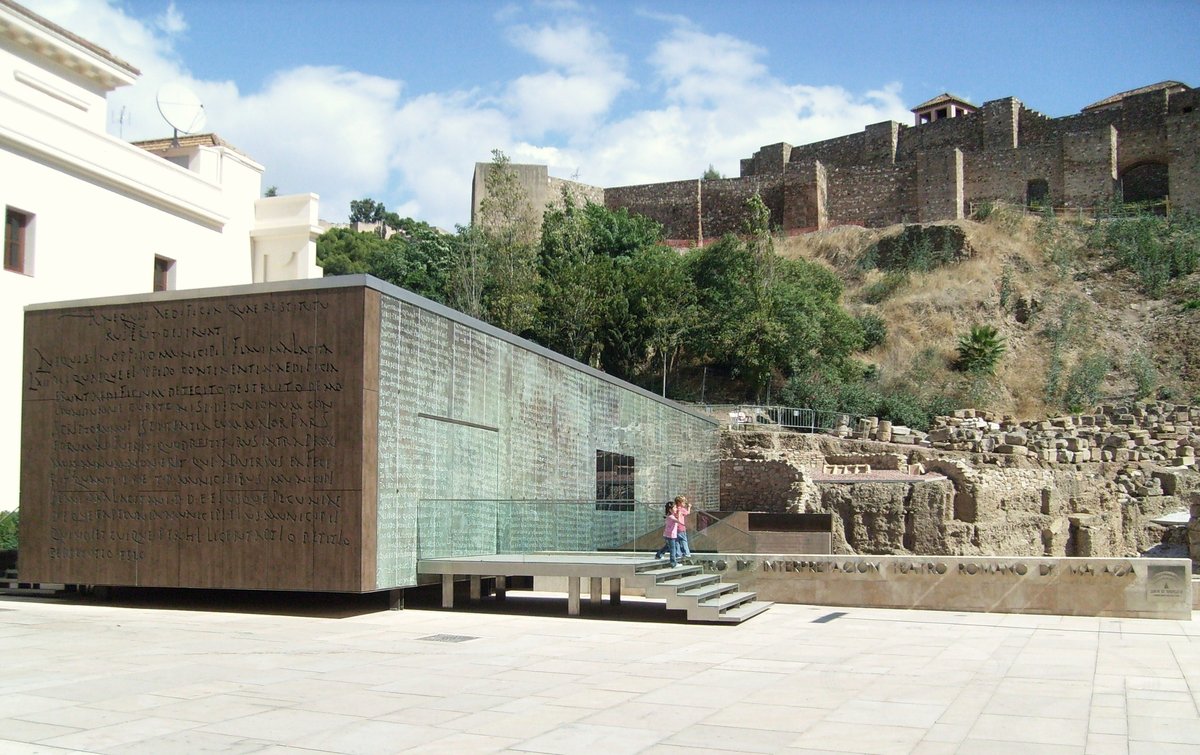
- Roman Theatre
- Málaga Cathedral
All are within a 15–20 minute drive or accessible by public transport.
Cultural and Educational Attractions
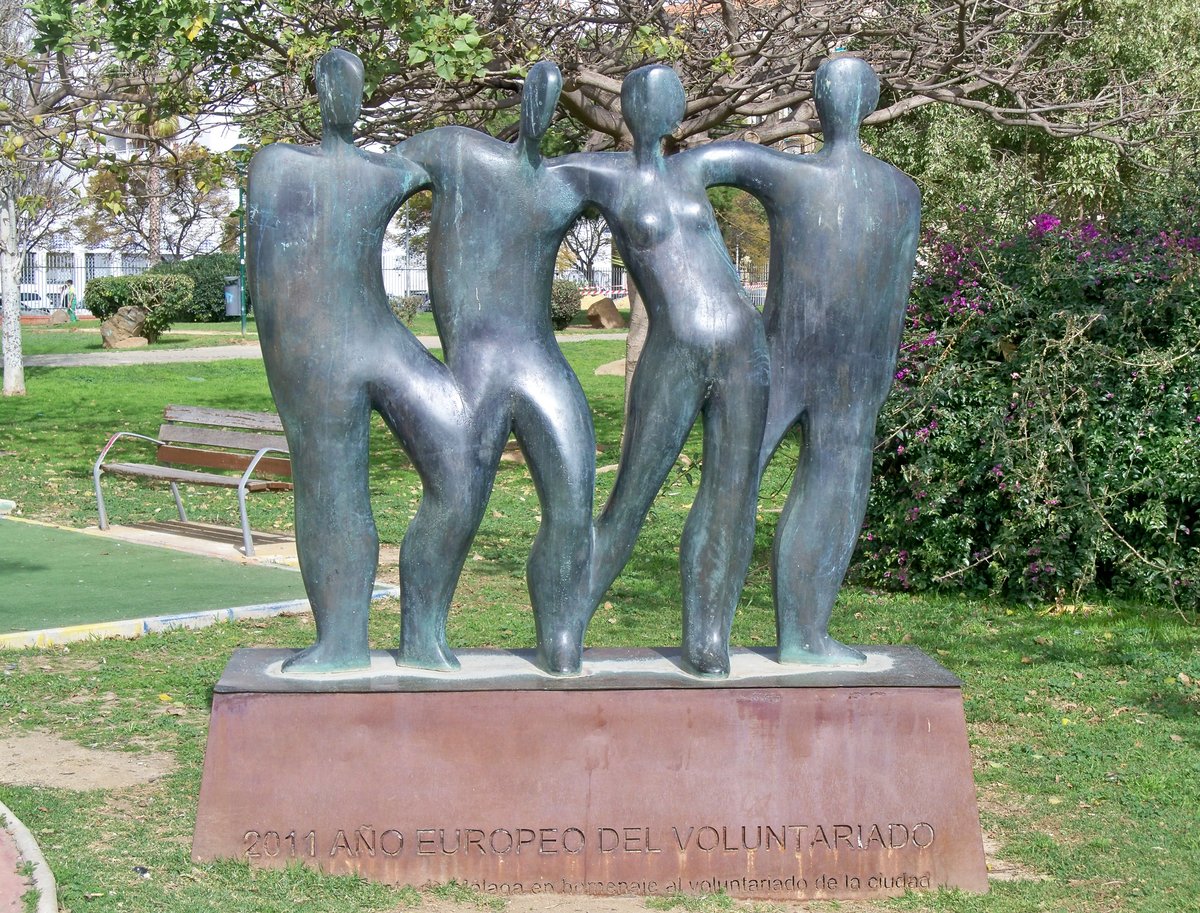
- Art Installations & Exhibitions Campus galleries and public spaces display rotating student and professional art.
- Festivals & Events Annual events such as the FANCINE film festival and academic conferences are open to visitors.
- Botanical Garden Opened in 2009, it offers a tranquil setting for relaxation and photography.
- Sports Complex Includes tennis courts, football fields, swimming pools, and a gym.
Practical Visitor Tips
- Language Spanish is predominant, but English is widely used in visitor services.
- Wi-Fi Free, campus-wide.
- Dining Multiple cafeterias serve Andalusian and international cuisine.
- Safety 24/7 campus security; emergency points throughout.
- Accommodation Modern student residences like Resa Málaga Campus and Xior Málaga Teatinos offer visitor lodging options.
Frequently Asked Questions (FAQ)
Q: What are the campus visiting hours?
A: Monday–Friday, 8:00 AM–9:00 PM; check online for updates.
Q: Is a ticket required to visit?
A: No, general access is free.
Q: Are guided tours available?
A: Yes, arrange in advance via UMA visitor services.
Q: Is the campus accessible for visitors with disabilities?
A: Yes, all main areas are accessible.
Q: How do I get to Teatinos campus?
A: By metro (Line 1, Universidad stop), city bus, or car.